Acute Sinusitis: Essential Guide To Symptoms And Treatment
Comprehensive insights into causes, symptoms, diagnosis, and effective management strategies for acute sinusitis to promote faster recovery.
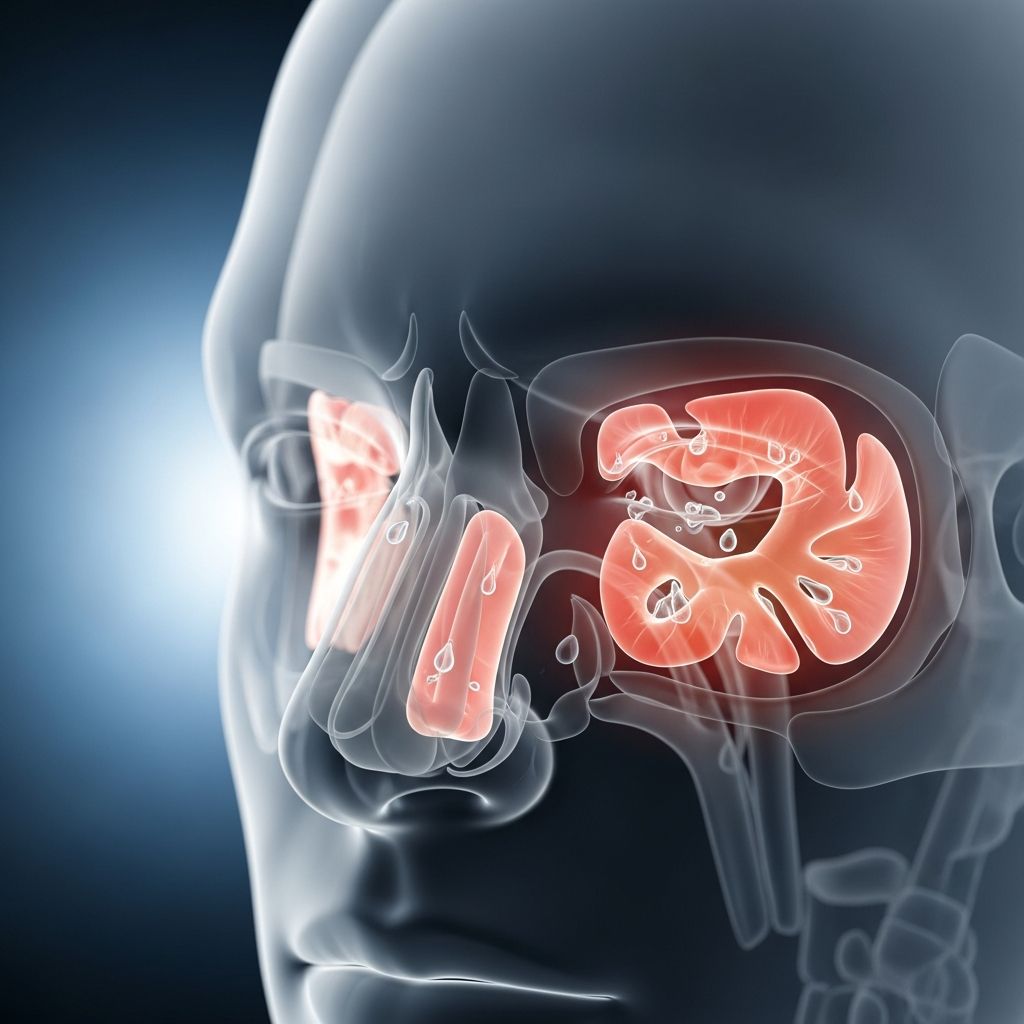
Acute sinusitis involves short-term inflammation of the sinuses, typically lasting less than four weeks, often triggered by viral infections like the common cold that block sinus drainage and lead to mucus buildup.
Understanding the Sinuses and Inflammation Process
The sinuses are air-filled cavities around the nose, eyes, and cheeks that produce mucus to moisten the nasal passages and trap particles. In acute sinusitis, these cavities swell due to infection or irritation, obstructing natural drainage pathways and creating pressure.
This condition arises when the mucosal lining becomes inflamed, impairing ciliary function—the tiny hair-like structures that move mucus out. Viral agents from upper respiratory infections are the primary culprits, causing edema that clogs ostia, the small openings connecting sinuses to the nose. Reduced oxygen in stagnant secretions fosters secondary bacterial growth in some cases.
Common Triggers and Risk Factors
Most episodes stem from viruses associated with colds, but bacteria like Streptococcus pneumoniae or Haemophilus influenzae can follow if blockage persists. Fungal causes are rare, mainly in immunocompromised individuals.
Risk factors include recent respiratory illnesses, allergies exacerbating swelling, structural issues like deviated septums, smoking impairing clearance, and environmental irritants such as pollutants. Children face higher risks due to narrower passages, often presenting with cough alongside facial discomfort.
Recognizing Key Symptoms
Symptoms emerge suddenly, distinguishing acute from chronic forms. Primary signs include nasal congestion blocking airflow, thick discharge from the nose or postnasal drip, and facial pain or pressure worsening when bending forward—often around cheeks, forehead, or eyes.
- Thick, discolored mucus (yellow or green, though not always bacterial)
- Reduced smell or taste sensation
- Headache, ear fullness, or toothache-like pain
- Fever, fatigue, and bad breath
- Cough, especially nocturnal in kids
Severity varies; mild cases mimic colds, but persistent pain beyond 10 days or high fever signals potential bacteria.
How to Differentiate from Similar Conditions
| Condition | Key Features | Duration |
|---|---|---|
| Viral Cold | Clear runny nose, sneezing, no facial pressure | 3-10 days |
| Allergic Rhinitis | Itchy eyes/nose, clear discharge, seasonal | Variable |
| Bacterial Sinusitis | Purulent discharge, severe pain >10 days | >10 days or worsening |
Acute sinusitis overlaps with rhinitis but features localized pain from sinus involvement, unlike generalized itching in allergies.
Diagnostic Approaches
Diagnosis relies on history and exam: double sickening (improvement then worsening), symptoms >10 days, or severe pain/fever. Nasal endoscopy visualizes inflammation; imaging like CT scans is reserved for complications or recurrent cases, not routine.
Clinicians assess for red flags: vision changes, neck stiffness, or swelling indicating orbital/intracranial spread, warranting urgent care.
Self-Care Strategies for Relief
Supportive measures resolve most viral cases within 7-10 days without drugs. Hydration thins mucus; humidifiers add moisture; warm compresses ease pain.
- Nasal saline irrigation: Neti pots or squeeze bottles flush debris—use distilled water to avoid risks.
- Analgesics: Acetaminophen or ibuprofen for pain/fever.
- Decongestants: Short-term oral (pseudoephedrine) or sprays (oxymetazoline, max 3 days to prevent rebound).
- Intranasal corticosteroids like fluticasone reduce swelling.
Related Stories



Mucolytics like guaifenesin may help, though evidence is limited; avoid antihistamines unless allergies contribute.
Medical Interventions and Antibiotics
Reserve antibiotics for bacterial suspicion: amoxicillin first-line, or augmentin/doxycycline for resistance. Use only if symptoms persist >10 days, worsen after initial improvement, or severe (fever >102°F, intense pain).
Intranasal ipratropium cuts runny nose. Referral to ENT if no response in 7 days or complications.
Special Considerations for Vulnerable Groups
Children: Focus on hydration, saline; antibiotics if prolonged. Avoid aspirating decongestant sprays.
Pregnant individuals: Acetaminophen safe; consult for others.
Immunocompromised: Lower threshold for imaging/antibiotics due to complication risks.
Warning Signs of Complications
Rare but serious: orbital cellulitis (eye swelling/redness), meningitis (severe headache/stiff neck), or abscesses. Seek immediate care for vision loss, confusion, or high fever unresponsive to meds.
Preventing Recurrences
Wash hands frequently; avoid smoke; manage allergies; use saline prophylactically post-cold. Flu/pneumococcal vaccines reduce triggers.
Frequently Asked Questions
Can acute sinusitis resolve without antibiotics?
Yes, 70-90% of cases are viral and self-limit in 1-2 weeks with supportive care.
How long do symptoms last?
Typically 7-10 days; mild persistence up to weeks is common.
Is green mucus always bacterial?
No, viruses cause it too; duration and severity guide need for antibiotics.
Are nasal sprays safe long-term?
Oral decongestants short-term; topical limited to 3 days to avoid rhinitis medicamentosa.
When to see a doctor?
If symptoms >10 days, worsen, or include high fever/vision issues.
Long-Term Outlook
Acute episodes rarely progress to chronic unless underlying issues like polyps exist. Consistent self-care minimizes recurrence.
References
- Acute Sinusitis – StatPearls — NCBI Bookshelf, NIH. 2023-08-08. https://www.ncbi.nlm.nih.gov/books/NBK547701/
- Acute Rhinosinusitis in Adults — American Academy of Family Physicians (AAFP). 2011-05-01. https://www.aafp.org/pubs/afp/issues/2011/0501/p1057.html
- Acute Sinusitis — Canadian Society of Otolaryngology – Head and Neck Surgery (CSOHNS). Accessed 2026. https://csohns.org/public2/10patient4.asp
- Sinusitis — HealthLink BC. Accessed 2026. https://www.healthlinkbc.ca/healthwise/sinusitis
- Acute sinusitis – Symptoms and causes — Mayo Clinic. Accessed 2026. https://www.mayoclinic.org/diseases-conditions/acute-sinusitis/symptoms-causes/syc-20351671
- Sinus Infection Basics — Centers for Disease Control and Prevention (CDC). Accessed 2026. https://www.cdc.gov/sinus-infection/about/index.html
Similar Articles








Read full bio of medha deb