Adapalene: 4-Step Guide For Effective Acne Management
Discover how adapalene clears acne, reduces inflammation, and improves skin with fewer side effects than traditional retinoids.
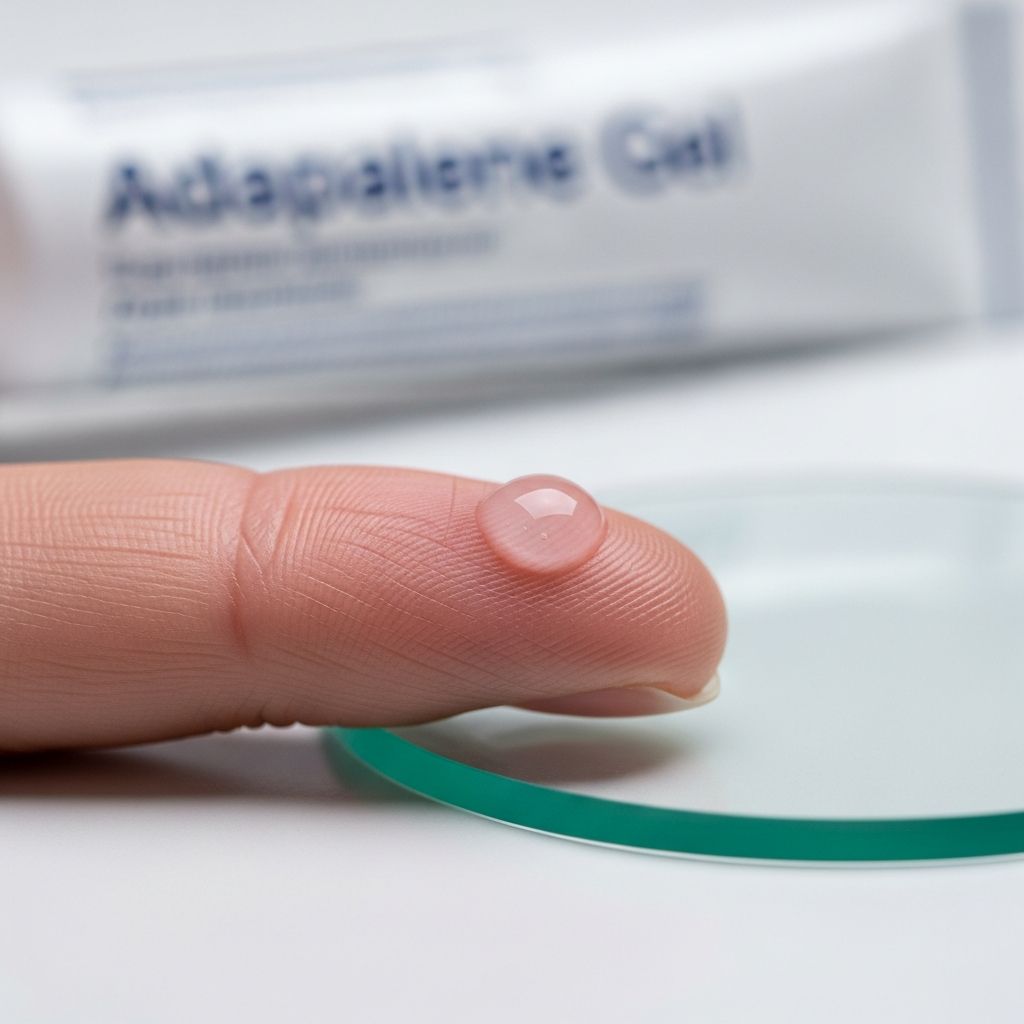
Adapalene stands out as a third-generation topical retinoid designed specifically for acne treatment. Unlike older retinoids, it targets the root causes of acne—clogged pores, excess sebum, inflammation, and abnormal cell turnover—with a favorable safety profile.
What is Adapalene and How Does It Combat Acne?
Adapalene is a synthetic retinoid-like compound that mimics vitamin A to regulate skin cell growth and reduce inflammation. It binds selectively to retinoic acid receptors (RARs), particularly RAR-γ in epithelial cells, influencing gene transcription to normalize keratinization and inhibit inflammatory pathways.
Acne vulgaris arises from pilosebaceous unit dysfunction, including hyperkeratinization, bacterial overgrowth, sebum excess, and immune responses. Adapalene addresses these by:
- Promoting faster shedding of dead skin cells to prevent pore blockages.
- Suppressing lipoxygenase and arachidonic acid metabolism for anti-inflammatory effects.
- Reducing toll-like receptor expression and cytokine release.
- Enhancing penetration of complementary therapies.
Available as 0.1% gel (over-the-counter for ages 12+ since FDA approval in 2016) or higher strengths like 0.3% by prescription, it’s formulated for stability under UV light, unlike some retinoids.
Clinical Evidence Supporting Adapalene’s Efficacy
Numerous studies affirm adapalene’s role in mild to moderate acne. A review of trials showed it reduces both noninflammatory (comedones) and inflammatory lesions effectively, often outperforming comparators in lesion reduction with less irritation.
Key findings include:
- Cunliffe et al. (1997): In 323 patients, 0.1% adapalene gel reduced total and noninflammatory lesions more than 0.025% tretinoin over 3 months.
- Korkut and Piskin (2005): Superior for noninflammatory acne.
- Thiboutot et al. (2005): Adapalene 0.1% plus doxycycline accelerated severe acne improvement versus doxycycline alone.
- Maintenance trials (Thiboutot 2006, Zhang 2004): Continued use post-initial treatment sustained clearance, especially with clindamycin combos.
Combination products like adapalene-benzoyl peroxide (e.g., Epiduo) match or exceed monotherapies in tolerability and results.
Adapalene vs. Other Retinoids: A Comparative Overview
Adapalene offers advantages over first-generation retinoids like tretinoin. Here’s a comparison:
Feature Adapalene (0.1%) Tretinoin (0.025%) Efficacy on Noninflammatory Lesions Superior reduction Comparable Inflammatory Lesions Effective Similar Irritation Risk Lower (less erythema, dryness) Higher UV Stability High Low OTC Availability Yes (gel 0.1%) Prescription only Adapalene’s targeted receptor binding minimizes off-target effects, making it ideal for sensitive skin.
Step-by-Step Application Guide for Best Results
For optimal outcomes, consistency is key. Results appear in 8-12 weeks, with full benefits by 3-6 months.
- Cleanse: Wash face with gentle, non-comedogenic cleanser; pat dry.
- Apply thinly: Pea-sized amount to entire affected area (forehead, cheeks, chin, nose) once daily, preferably evening.
- Moisturize: Use non-comedogenic moisturizer 5-10 minutes after to combat dryness.
- Sunscreen: Broad-spectrum SPF 30+ daily, as retinoids increase photosensitivity.
Tips: Start 2-3 times weekly to build tolerance. Avoid eyes, lips, mucous membranes. Not for use in pregnancy (Category C).
Potential Side Effects and Management Strategies
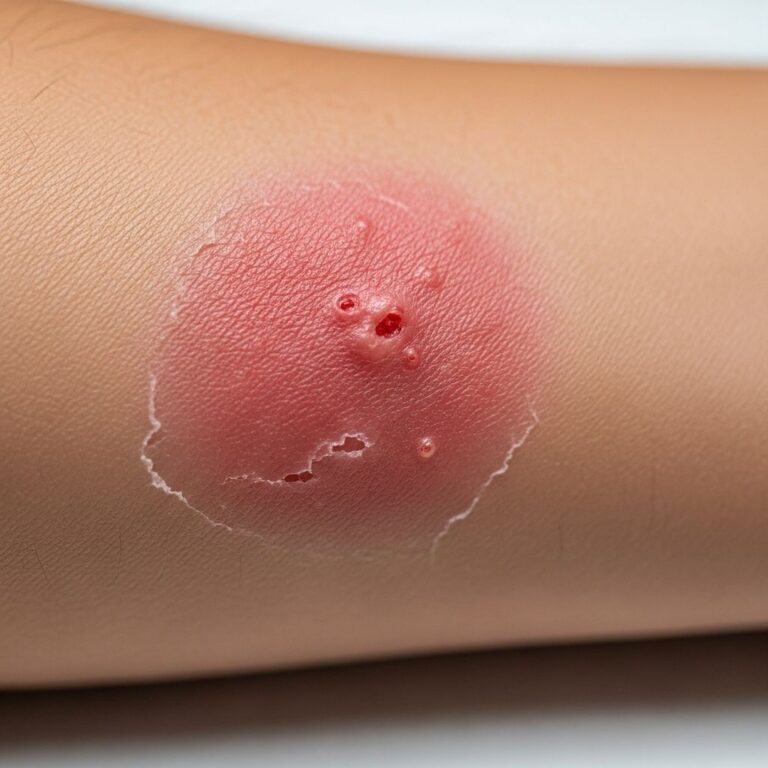
Common initial effects (first 2-4 weeks) include redness, peeling, dryness, and stinging—known as “retinoid dermatitis.” These are transient and milder than with tretinoin.
- Mild cases: Reduce frequency; hydrate liberally.
- Severe irritation: Pause 3-5 days, resume gradually.
- Rare: Allergic reactions, excessive burning—discontinue and consult physician.
Percutaneous absorption is low, concentrating action in epidermis and follicles, enhancing safety.
Beyond Acne: Additional Skin Benefits
Long-term use boosts collagen, smooths texture, fades hyperpigmentation, and may reduce fine lines or acne scars (especially 0.3%). Studies show wrinkle reduction and even tone after 12-24 weeks.
It’s suitable for maintenance to prevent relapse, particularly inflammatory acne.
Who Should Consider Adapalene?
Ideal for:
- Teens/adults with mild-moderate acne (12+ years).
- Sensitive skin patients.
- Those needing OTC options or combo therapies.
Consult a dermatologist for severe acne, pregnancy, or unresponsiveness after 12 weeks.
Frequently Asked Questions (FAQs)
Can I use adapalene during the day?
Best at night due to photosensitivity, but its UV stability allows flexibility if sunscreen is used.
Does adapalene bleach clothes or bedding?
No, unlike benzoyl peroxide; it’s non-staining.
How long until I see results?
Pore unclogging starts in weeks 2-4; significant clearance by 12 weeks.
Is adapalene safe for pregnant women?
Avoid; not recommended during pregnancy or breastfeeding.
Can I combine it with other actives?
Yes, with benzoyl peroxide, antibiotics, or salicylic acid—but introduce slowly to avoid irritation.
Real-World Success: Patient Considerations
Clinical data translates to real benefits: 50-70% lesion reduction in trials. Combine with lifestyle tweaks like oil-free products and diet for amplified results.
For personalized regimens, tele-dermatology platforms offer custom formulas incorporating adapalene.
References
- A review of the use of adapalene for the treatment of acne vulgaris — PMC/NCBI. 2008-03-14. https://pmc.ncbi.nlm.nih.gov/articles/PMC2374937/
- Adapalene for acne treatment: how it works, benefits, side effects — Curology. Recent (post-2016 FDA data). https://curology.com/blog/adapalene-acne-treatment/
- Adapalene: MedlinePlus Drug Information — MedlinePlus/NIH. Updated recently. https://medlineplus.gov/druginfo/meds/a604001.html
- Adapalene (Differin) – Uses, Side Effects, and More — WebMD. Recent. https://www.webmd.com/drugs/adapalene-differin
- Adapalene (Differin) vs. Tretinoin (Retin-A) for Wrinkles — GoodRx. Recent. https://www.goodrx.com/classes/retinoids/adapalene-vs-tretinoin-wrinkles
- Adapalene Acne Treatment: Uses & Side Effects — Cleveland Clinic. Recent. https://my.clevelandclinic.org/health/drugs/18596-adapalene-skin-products
Similar Articles








Read full bio of Sneha Tete