Adderall Withdrawal During ADHD Medication Shortage
Navigating Adderall withdrawal symptoms amid the ongoing ADHD medication shortage: expert advice, alternatives, and coping strategies for patients.
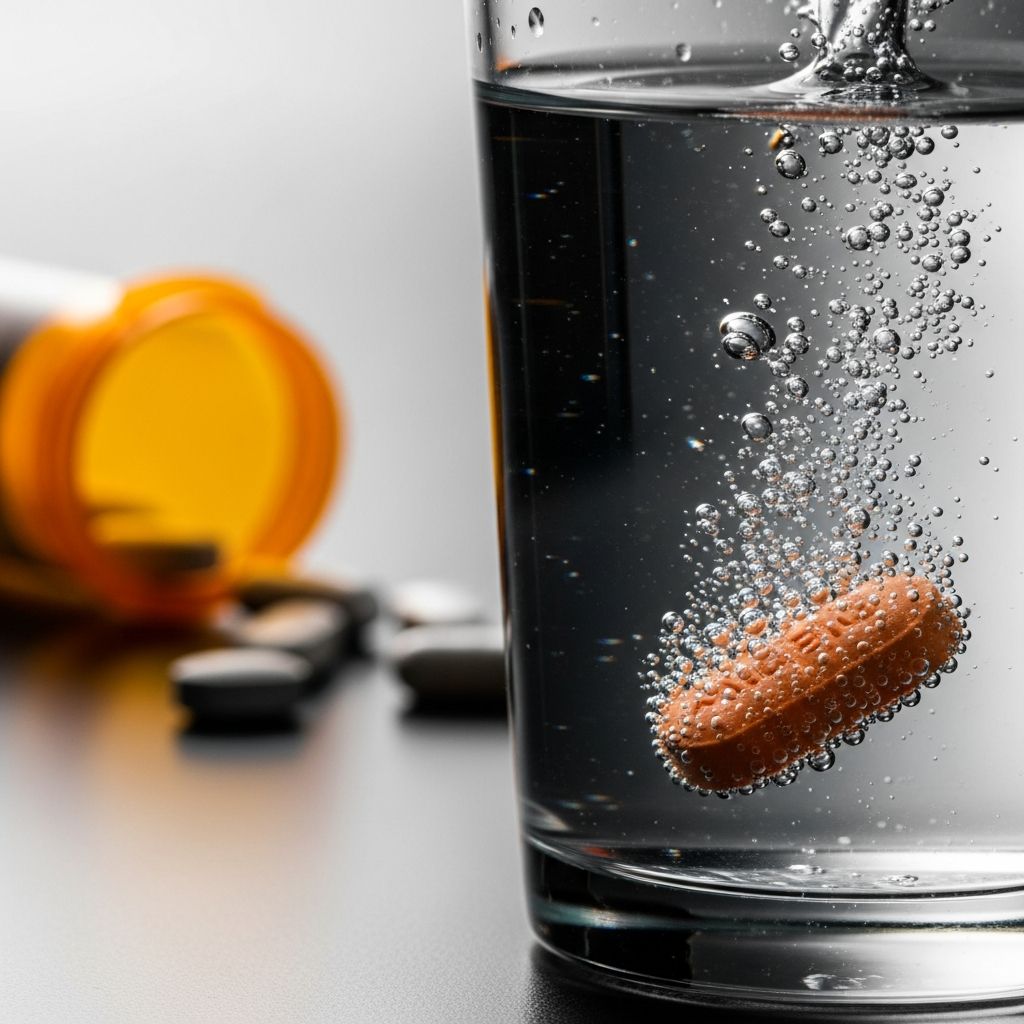
The ongoing nationwide shortage of Adderall, a primary stimulant medication for attention deficit hyperactivity disorder (ADHD), has forced many patients to abruptly stop or reduce their doses, leading to withdrawal symptoms that exacerbate their condition. Federal regulators first announced the shortage in October 2022, citing manufacturing delays, surging demand from increased ADHD diagnoses—particularly among adults—and strict production quotas set by the Drug Enforcement Administration (DEA). This crisis, persisting into 2026 with intermittent supply issues, affects millions, as Adderall prescriptions rose from 37 million in 2020 to 41 million in 2021 amid pandemic-related mental health challenges.
What Is Adderall and Why Is There a Shortage?
Adderall, a combination of amphetamine and dextroamphetamine, is a central nervous system stimulant approved by the FDA for treating ADHD and narcolepsy. It works by increasing dopamine and norepinephrine levels in the brain, improving focus, attention, and impulse control. The medication comes in immediate-release and extended-release formulations, with generics produced by companies like Teva Pharmaceuticals and Alvogen.
The shortage originated from multiple factors. First, a sharp rise in ADHD diagnoses, especially in adults, driven by telehealth accessibility during COVID-19 and heightened awareness of symptoms like inattention exacerbated by remote work and isolation. A Trilliant Health review noted increased use among those over 45, while pediatric dispensing rates also fluctuated. Second, manufacturing issues: Teva faced labor shortages and production delays, with some generic suppliers like Alvogen projecting shortfalls into mid-2024, though updates indicate ongoing challenges. Third, DEA quotas, based on historical data, failed to anticipate the demand surge, limiting raw ingredient production despite rising prescriptions.
By 2023, the FDA reported Adderall on its drug shortage list, with alternatives like Focalin seeing increased dispensing, particularly in children ages 5-17, as parents sought substitutes. Stimulant dispensing to kids dropped 19% at the pandemic’s start but recovered, only to shift during the shortage. Experts warn that adult demand is crowding out pediatric access, potentially harming children’s learning and health.
ADHD Medication Shortage Timeline
| Date | Event | Impact |
|---|---|---|
| October 2022 | FDA announces Adderall shortage | Dispensing rates plummet; switches to alternatives like Focalin rise |
| 2023 | Generic Concerta production ends (Janssen) | Fewer options; higher costs for patients |
| Mid-2024 | Alvogen shortfall projected to end | Intermittent supply resumes but demand persists |
| 2025-2026 | Ongoing issues reported nationally | Withdrawal cases surge; policy calls for quota reforms |
Symptoms of Adderall Withdrawal
Abruptly stopping Adderall can trigger withdrawal because the brain adapts to the drug’s stimulant effects, leading to a rebound when levels drop. Not everyone experiences severe symptoms, but those on higher doses or long-term use are at higher risk. Common symptoms include:
- Fatigue and excessive sleepiness: Users report sleeping 12-16 hours daily, contrasting Adderall’s wakefulness.
- Irritability and mood swings: Heightened emotional reactivity, anxiety, or depression.
- Increased appetite: Rebound hunger after suppressed eating on the drug.
- Worsened ADHD symptoms: Rebound inattention, hyperactivity, impulsivity—often more intense than baseline.
- Physical effects: Headaches, body aches, slowed movements.
- Severe cases: Suicidal thoughts or profound hypersomnia.
Personal accounts highlight the toll: One patient described a week without Adderall as “brain fog so thick I couldn’t function,” with irritability straining relationships. Symptoms typically peak within 1-3 days and last 1-2 weeks, but psychological effects like depression can linger.
Health Risks of Untreated ADHD and Withdrawal
Untreated ADHD is a public health issue, linked to academic failure, job loss, accidents, substance abuse, and mental health disorders. Withdrawal compounds this: Children may face learning disruptions, while adults report productivity crashes. The shortage risks a crisis, as rationing or cold-turkey cessation leads to unsafe behaviors like driving long distances for meds or misuse of alternatives.
Research from the University of Michigan shows Adderall shortages prompted switches in pediatric prescriptions without clear data on ADHD control outcomes, raising concerns for symptom worsening. Policymakers urge raising production limits and adult prescribing guidelines to prioritize vulnerable groups.
Managing Adderall Withdrawal: Expert Tips
Consult a doctor immediately—do not stop cold turkey without guidance. Strategies include:
- Taper doses: Gradually reduce under supervision to minimize symptoms.
- Lifestyle adjustments: Prioritize sleep hygiene, balanced nutrition, exercise, and caffeine in moderation for mild stimulation.
- Therapy support: Cognitive behavioral therapy (CBT) for ADHD coping skills.
- Monitor mood: Track symptoms; seek emergency care for suicidal ideation.
Pharmacists recommend calling multiple locations or using apps to locate stock. Some patients split pills or use every other day, but this risks inconsistent control.
Alternatives to Adderall
Discuss switches with your provider. Options include:
| Medication | Type | Key Notes |
|---|---|---|
| Methylphenidate (Ritalin, Concerta) | Stimulant | Similar efficacy; generics available but some shortages |
| Dexmethylphenidate (Focalin) | Stimulant | Increased use during shortage; fewer side effects for some |
| Lisdexamfetamine (Vyvanse) | Stimulant prodrug | Lower abuse potential; not always in shortage |
| Atomoxetine (Strattera) | Non-stimulant | Slower onset; good for those with anxiety |
| Guanfacine/Clonidine | Non-stimulant | Adjunct for hyperactivity; blood pressure monitoring needed |
Non-medication approaches: Mindfulness, exercise, organizational apps, and coaching.
What Patients Are Doing to Cope
Real stories reveal resilience: One mother drove hours for Focalin for her child; adults rationed doses while leaning on therapy. Communities on forums share pharmacy tips, though experts caution against unverified sources. Long-term, advocacy pushes for DEA quota reforms and telehealth expansions.
Frequently Asked Questions (FAQs)
What causes Adderall withdrawal symptoms?
Withdrawal occurs when the brain, adapted to elevated neurotransmitters from Adderall, experiences a sudden drop, leading to fatigue, mood changes, and rebound ADHD symptoms.
How long does Adderall withdrawal last?
Physical symptoms peak in 1-3 days and fade in 1-2 weeks; psychological effects may persist longer.
Is the Adderall shortage over?
No, as of 2026, intermittent shortages continue due to demand and production limits.
Can I switch to another stimulant easily?
Yes, but consult a doctor; equivalents like Focalin have filled gaps, especially for kids.
What if I can’t get any ADHD meds?
Use behavioral strategies, therapy, and contact your provider for non-stimulant options or bridging plans.
References
- Adderall Shortage: Is It Real and What You Can Do — Healthline. 2022-10-01. https://www.healthline.com/health-news/adhd-medication-shortage-what-to-know-about-availability-of-adderall
- Adderall shortage may be associated with increased use of alternative ADHD medication in kids — Michigan Medicine. 2023-01-15. https://www.michiganmedicine.org/health-lab/adderall-shortage-may-be-associated-increased-use-alternative-adhd-medication-kids
- Adderall Shortage Will Last Until At Least Spring — Psychiatrist.com. 2023-02-06. https://www.psychiatrist.com/news/adderall-shortage-will-last-until-at-least-january/
- How did the U.S. find itself in an Adderall shortage? — The Week. 2023-01-20. https://theweek.com/health-and-wellness/1018504/adhd-med-shortage
- ADHD medication shortage: Important information for parents — Bedfordshire Luton Childrens Health. 2024-01-01. https://bedslutonchildrenshealth.nhs.uk/news/2024/adhd-medication-shortage-important-information-for-parents/
Similar Articles








Read full bio of medha deb