Adderall Withdrawal and ADHD Medication Shortage
Navigate Adderall withdrawal symptoms and ADHD medication shortages with expert guidance and practical solutions.
Understanding Adderall Withdrawal and ADHD Medication Shortages
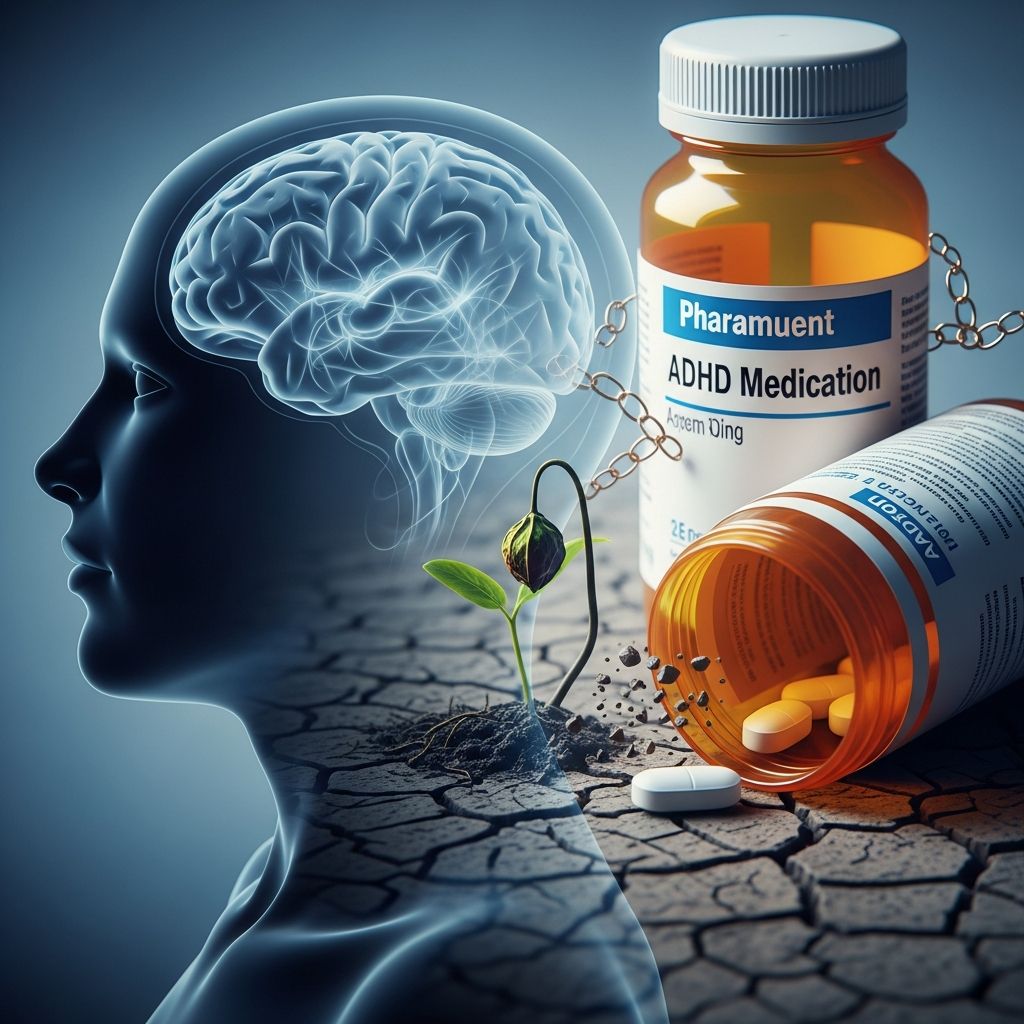
The ongoing shortage of Adderall and other ADHD medications has created significant challenges for the millions of Americans who depend on these medications to manage their symptoms. When faced with unavailable prescriptions or sudden discontinuation, patients may experience withdrawal symptoms that can affect their physical health, mental well-being, and daily functioning. Understanding both the causes of these shortages and the potential effects of medication withdrawal is essential for patients, families, and healthcare providers navigating this complex healthcare issue.
What Is Adderall and How Does It Work?
Adderall is one of the most commonly prescribed medications for attention-deficit hyperactivity disorder (ADHD), a neurodevelopmental condition affecting millions of children and adults. The medication is a combination of amphetamine salts, specifically composed of 75% dextroamphetamine and 25% levoamphetamine. These stimulant compounds work by increasing the availability of neurotransmitters like dopamine and norepinephrine in the brain, helping individuals with ADHD improve focus, attention, and impulse control.
Adderall comes in two primary formulations: immediate-release tablets, which typically provide symptom relief for four to six hours, and extended-release capsules (Adderall XR), which deliver medication over approximately eight hours. The medication’s effectiveness in treating ADHD symptoms has made it a first-line treatment option for many patients, but this widespread use has also contributed to supply chain pressures.
The Root Causes of the ADHD Medication Shortage
The shortage of Adderall and other ADHD medications stems from multiple interconnected factors that have compounded over recent years. Understanding these causes is crucial for recognizing why this shortage has persisted and affected so many patients.
Supply Chain Disruptions and Manufacturing Constraints
One of the primary causes of the ADHD medication shortage involves manufacturing limitations imposed by the Drug Enforcement Administration (DEA). The DEA establishes manufacturing quotas for Schedule II controlled substances, including stimulant medications like Adderall, Ritalin, and Concerta. These quota limits, designed to prevent overproduction and reduce diversion to illicit markets, have not kept pace with the dramatic increase in legitimate demand for ADHD medications. In 2022 and 2023 alone, the DEA estimated a one-billion-dose shortfall in produced stimulants during both years, meaning the United States produced a billion fewer doses of these medications than manufacturers were permitted by regulation.
Additionally, supply chain disruptions related to the COVID-19 pandemic and subsequent labor shortages have hampered the ability of pharmaceutical manufacturers to meet existing demand. These logistical challenges, combined with DEA quota restrictions, created a perfect storm of insufficient supply meeting surging demand.
Increased Demand and Diagnosis Rates
The demand for ADHD medications has surged significantly in recent years, particularly among adults. During the COVID-19 pandemic, several factors contributed to increased diagnoses and prescriptions: individuals experiencing worsening ADHD symptoms during lockdowns sought treatment, and telehealth platforms made it easier to obtain prescriptions online for the first time. This expansion in access, while beneficial for legitimate patients, dramatically increased the demand placed on already-strained supply chains.
Related Stories



Furthermore, greater awareness about ADHD in adults has led to more accurate diagnoses and appropriate treatment. As of 2024, approximately 45 million U.S. patients had active ADHD prescriptions, representing a significant increase from previous decades.
Recreational Use and Drug Diversion
Beyond legitimate medical use, growing recreational use of prescription ADHD stimulants has further stressed the limited supply available for patients with diagnosed ADHD. Individuals misusing these medications for non-medical purposes—seeking cognitive enhancement, weight loss, or recreational stimulation—reduce the available supply for those with genuine medical needs. This diversion problem not only worsens shortages but also contributes to substance abuse issues and legal consequences for those engaging in unauthorized use.
Understanding Adderall Withdrawal Symptoms
When patients abruptly stop taking Adderall or cannot access their medication due to shortages, they may experience withdrawal symptoms. It is important to note that Adderall withdrawal is not typically life-threatening, but the symptoms can be uncomfortable and significantly impact daily functioning.
Common Withdrawal Symptoms
- Fatigue and Low Energy: Since Adderall is a stimulant, discontinuation leads to an extreme drop in energy levels. Patients may experience overwhelming tiredness that makes normal functioning difficult, affecting concentration and motivation.
- Difficulty Concentrating: One of the paradoxical effects of Adderall withdrawal is difficulty focusing on tasks—the very symptom the medication was treating. For individuals with ADHD, this represents a return of pre-medication symptoms and can be particularly challenging.
- Depression and Mood Changes: Withdrawal can trigger depressive symptoms and mood swings as the brain adjusts to altered dopamine levels. These psychological effects can persist for days or weeks.
- Irritability and Anxiety: Patients commonly report increased irritability, anxiety, and general emotional instability during the withdrawal period.
- Insomnia: Despite the fatigue, many patients experience sleep disturbances and insomnia during withdrawal, creating a paradoxical situation where patients feel exhausted but cannot sleep properly.
- Increased Appetite: Adderall suppresses appetite, so discontinuation often leads to a sudden increase in hunger and potential weight gain.
Secondary Mental Health Concerns
Beyond direct withdrawal symptoms, inadequately treated ADHD can lead to significant secondary mental health problems. When ADHD symptoms are undertreated due to medication shortages, patients often develop anxiety and depression as a result of struggling with attention, organization, and impulse control. Children and adolescents are particularly vulnerable to this secondary anxiety, which can interfere with school performance, social relationships, and overall well-being.
Medications Affected by the Current Shortage
While Adderall remains the most severely affected medication, the shortage extends across multiple ADHD treatment options, with generic formulations being disproportionately impacted.
Immediate-Release Medications in Shortage
- Adderall (immediate-release): The 75% dextroamphetamine and 25% levoamphetamine formulation remains heavily impacted, forcing many patients to seek alternatives.
- Ritalin: This methylphenidate medication, comprising 50% D-methylphenidate and 50% L-methylphenidate, is commonly prescribed and frequently affected by shortages due to high demand.
- Concerta: Another widely prescribed methylphenidate option that has experienced supply constraints.
Extended-Release Options Affected
- Adderall XR: The extended-release formulation, providing approximately eight hours of symptom relief, faces significant availability challenges.
- Focalin XR: Containing dexmethylphenidate as its active ingredient, this once-daily medication is frequently affected by shortages.
Medications That May Remain Available
When common ADHD medications are unavailable, certain alternatives often remain in stock. Evekeo and other formulations share similar active ingredients to Adderall but may experience fewer supply constraints. Additionally, Dexedrine, a generic dextroamphetamine product comprising the primary active ingredient in Adderall, is sometimes in shortage but less frequently than Adderall itself and may be worth requesting from pharmacists. For extended-release needs, Dexedrine ER capsules (also called Spansules) provide approximately 16 hours of symptom relief and are often available when Adderall XR is out of stock.
Strategies for Managing ADHD During Medication Shortages
Communication with Healthcare Providers
When facing medication unavailability, the first step is maintaining open communication with your prescribing physician or psychiatrist. Healthcare providers can:
- Recommend generic alternatives or different brand-name medications with equivalent active ingredients
- Adjust dosage strength if certain doses are available while others are not—for example, 20 mg tablets might be in stock when 40 mg tablets are unavailable
- Suggest alternative treatment approaches such as behavioral therapy, cognitive-behavioral therapy (CBT), or lifestyle modifications
- Explore extended-release alternatives that may provide longer symptom relief with different supply availability patterns
Non-Medication Strategies
While medication remains the most effective treatment for ADHD for many individuals, several non-medication approaches can help manage symptoms during shortages:
- Sleep Optimization: Prioritizing consistent sleep schedules and adequate sleep duration significantly improves ADHD symptoms and mood stability.
- Regular Exercise: Physical activity increases dopamine and norepinephrine naturally, helping improve focus and reduce hyperactivity symptoms.
- Healthy Nutrition: Balanced meals with adequate protein and complex carbohydrates support sustained energy and cognitive function.
- Social Support: Maintaining social connections and structured activities provides motivation and accountability.
- Environmental Modifications: Organizing workspaces, using digital reminders, and implementing structured routines can compensate for reduced executive function during medication unavailability.
What NOT to Do During Shortages
It is critical that patients avoid certain dangerous practices when faced with medication shortages. Self-medicating with other stimulants, including caffeine pills, energy drinks in excessive quantities, or illicit stimulants, can heighten the risk of substance use disorder, worsen ADHD symptoms in the long run, and lead to serious legal consequences. Additionally, suddenly stopping ADHD medication should be avoided; instead, any medication changes should be made gradually under medical supervision to minimize withdrawal symptoms.
Generic Medications and Shortage Disparities
One concerning aspect of the current shortage is its disproportionate impact on generic medications. While brand-name methylphenidate (Ritalin) and Concerta remain more readily available in many cases, their generic counterparts face more severe supply constraints. This disparity affects patients who depend on more affordable generic options, potentially forcing them to choose between cost and availability or face medication gaps entirely.
Frequently Asked Questions
Q: Is Adderall withdrawal dangerous?
A: Adderall withdrawal is generally not life-threatening, but withdrawal symptoms such as depression, fatigue, and difficulty concentrating can significantly impact daily functioning and mental health. Most individuals who discontinue medication gradually under medical supervision avoid severe withdrawal symptoms.
Q: How long do Adderall withdrawal symptoms last?
A: Withdrawal symptoms vary in duration depending on the individual, how long they took the medication, and the dosage. Symptoms typically begin within 24-48 hours of the last dose and may persist for several days to weeks.
Q: Can I switch to a different ADHD medication if Adderall is unavailable?
A: Yes. Work with your healthcare provider to find alternative medications with similar active ingredients. Dexedrine, Dexedrine ER, Evekeo, and methylphenidate-based medications like Ritalin or Concerta may be available when Adderall is not.
Q: Should I reduce my ADHD medication dose to make it last longer during shortages?
A: No. Do not self-adjust your medication dosage. Instead, consult your healthcare provider, who may adjust doses appropriately or recommend alternative medications or treatment strategies.
Q: Are there resources available to help me access ADHD medications during shortages?
A: Yes. Contact SAMHSA’s National Helpline at 1-800-662-4357, a free, confidential, 24/7 treatment referral and information service available in English and Spanish. Your healthcare provider and local pharmacies can also suggest patient assistance programs and alternative access options.
When to Seek Professional Help
If you experience severe withdrawal symptoms, significant worsening of ADHD symptoms, or concerning mental health changes during a medication shortage, contact your healthcare provider immediately. Mental health professionals can provide support for depression, anxiety, and other psychological symptoms while you work toward accessing appropriate ADHD medication. For substance use concerns or crisis situations, the SAMHSA National Helpline provides free, confidential support 24/7.
Looking Forward: Managing ADHD Long-Term
The ADHD medication shortage, while challenging, has prompted important conversations about medication access, supply chain resilience, and comprehensive ADHD treatment approaches. As manufacturing quotas are gradually adjusted and supply chains stabilize, patients should continue working with healthcare providers to develop comprehensive treatment plans combining medication, behavioral strategies, and lifestyle modifications. Maintaining regular communication with prescribers, staying informed about medication availability, and proactively exploring alternatives ensures the best possible outcomes during uncertain times.
References
- ADHD Stimulants Shortage Guide – Philadelphia — Rittenhouse PA. 2024. https://rittenhousepa.com/adhd-stimulants-shortage-guide-philadelphia/
- Out of Adderall? Tips and Advice During an ADHD Medication Shortage — University of California, San Francisco. 2023-02-23. https://www.ucsf.edu/news/2023/02/424751/out-adderall-tips-and-advice-during-adhd-medication-shortage
- ADHD Medication Shortage 2025: Causes and What to Do — MEDvidi. 2025. https://medvidi.com/blog/adhd-medication-shortage
- How to Navigate the Adderall Shortage — University of Utah Health. 2024-05-15. https://healthcare.utah.edu/the-scope/health-library/all/2024/05/how-navigate-adderall-shortage
- Coping With Adderall Withdrawal — Never Alone Rehab. 2024. https://neveralonerehab.com/blog/withdrawal/coping-with-adderall-withdrawal/
- National Helpline for Mental Health, Drug, Alcohol Issues — Substance Abuse and Mental Health Services Administration (SAMHSA). 2024. https://www.samhsa.gov/find-help/helplines/national-helpline
Similar Articles








Read full bio of medha deb