Addiction: Understanding Causes, Symptoms, Types & Treatment
Comprehensive guide to understanding addiction, its causes, symptoms, and evidence-based treatment options.
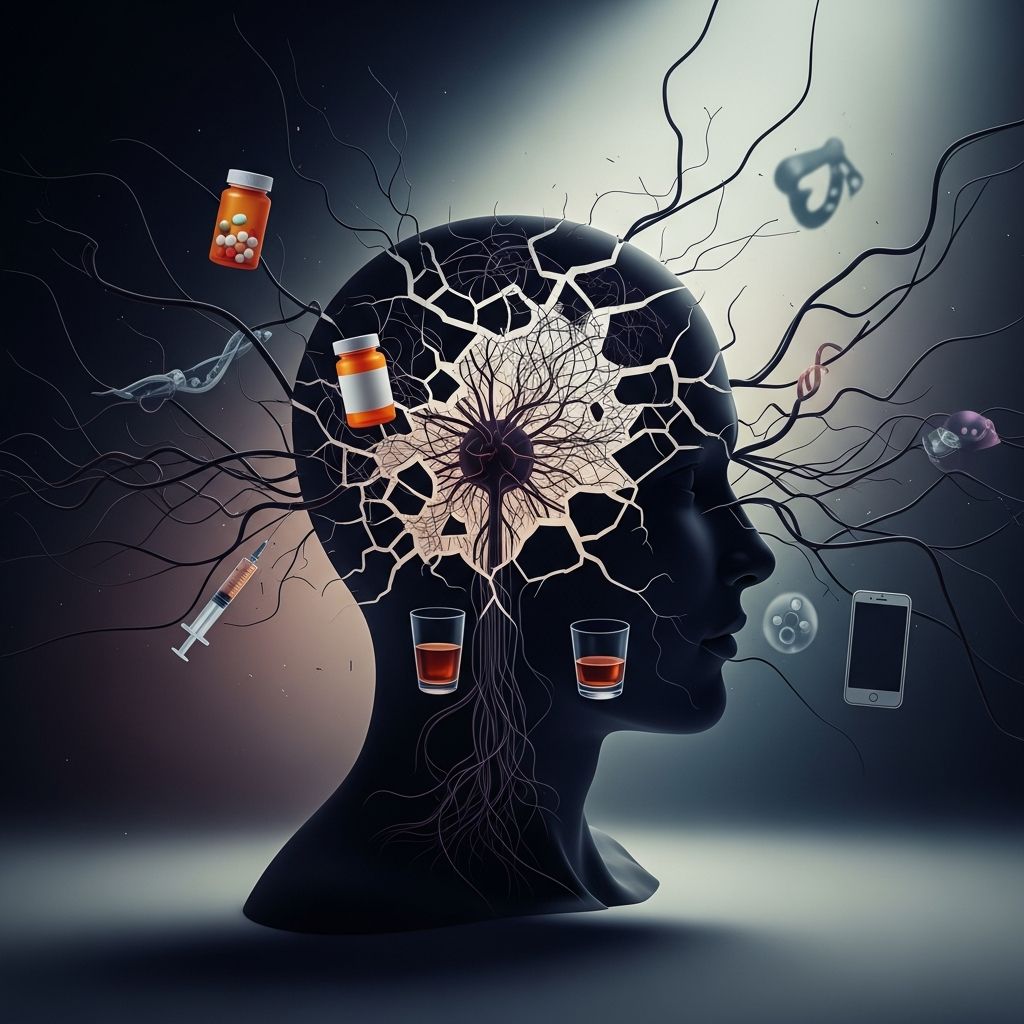
Understanding Addiction: A Comprehensive Overview
Addiction is a complex medical condition characterized by compulsive substance use or behaviors despite negative consequences. It affects millions of people worldwide and touches not only the individual struggling with the condition but also their families, friends, and communities. The medical community now recognizes addiction as a treatable disorder that requires professional intervention, compassionate care, and a multifaceted approach to recovery.
Contrary to common misconceptions, addiction is not a moral failing or a sign of weakness. Rather, it is a chronic condition that impacts the brain’s reward system, decision-making processes, and impulse control. Understanding addiction’s nature, causes, and available treatments is essential for individuals seeking help and their support networks.
What Is Addiction?
Addiction refers to a persistent, compulsive need to engage in a specific behavior or consume a substance despite awareness of its harmful consequences. The key characteristic of addiction is the loss of control over the behavior or substance use, continued engagement despite negative outcomes, and often, physical or psychological dependence.
Healthcare providers and the medical community have evolved their terminology and understanding. Substance addiction is now clinically referred to as substance use disorder (SUD), which represents a spectrum ranging from mild to severe. This shift reflects a more nuanced understanding of the condition and removes stigmatizing language that previously hindered treatment-seeking behavior.
Addiction typically involves:
– Intense cravings for the substance or behavior- Loss of control over use or engagement- Continued use despite knowing about potential or actual harm- Neglect of other important activities in favor of the addictive behavior- Development of tolerance, requiring more of the substance to achieve the same effect- Experiencing withdrawal symptoms when unable to engage in the behavior or use the substance
Types of Addiction
Addiction manifests in two primary categories: substance addictions and behavioral addictions. Understanding the distinction between these types helps healthcare providers tailor treatment approaches to individual needs.
Substance Addictions
Substance addictions involve the compulsive use of chemical substances that alter brain chemistry and produce psychoactive effects. The most common substances associated with addiction include:
– Alcohol: One of the most widely used and addictive substances, alcohol addiction affects millions globally and carries significant health risks- Opioids: Prescription pain medications and illicit drugs like heroin, which create powerful physical dependence- Marijuana: Cannabis use can lead to psychological dependence and interfere with daily functioning- Stimulants: Including cocaine, methamphetamine, and prescription stimulant medications- Hallucinogens: Such as LSD and psilocybin mushrooms- Benzodiazepines: Anti-anxiety medications that carry high addiction potential- Nicotine: Found in tobacco products, one of the most addictive substances known
Behavioral Addictions
Non-substance addictions, or behavioral addictions, involve compulsive engagement in specific behaviors despite negative consequences. Common behavioral addictions include:
Related Stories



– Gambling addiction: Compulsive gambling despite financial and personal losses- Food addiction: Binge eating or compulsive overeating patterns- Internet and gaming addiction: Excessive use of the internet or video games interfering with daily life- Shopping addiction: Compulsive purchasing despite financial hardship- Sexual addiction: Compulsive sexual behaviors or pornography use- Exercise addiction: Excessive exercising that harms physical or mental health
Causes and Risk Factors
Addiction develops through a complex interplay of genetic, environmental, psychological, and social factors. No single cause determines whether someone will develop an addiction, but several risk factors increase vulnerability.
Genetic Factors
Research demonstrates that addiction has a hereditary component. Individuals with a family history of addiction have a significantly higher risk of developing an addictive disorder themselves. Genetic predisposition accounts for approximately 40-60% of addiction risk, though environment plays an equally important role.
Environmental Factors
Life experiences and environmental exposures significantly influence addiction development. These include early childhood experiences, trauma, stress, peer influence, and access to substances. Individuals who experience adverse childhood events, including abuse or neglect, show elevated addiction risk. Social environments that normalize or encourage substance use also increase susceptibility.
Psychological Factors
Mental health conditions frequently co-occur with addiction. Depression, anxiety, post-traumatic stress disorder (PTSD), and attention-deficit/hyperactivity disorder (ADHD) increase addiction risk. Individuals may turn to substances or compulsive behaviors as a coping mechanism for managing uncomfortable emotions or symptoms.
Neurobiological Factors
Addiction fundamentally alters brain chemistry and structure. Repeated substance use or compulsive behaviors change the brain’s reward pathways, making the addictive stimulus increasingly necessary for normal functioning. The brain adapts to the presence of addictive substances, requiring escalating amounts to achieve the same effect—a phenomenon known as tolerance.
Symptoms and Signs of Addiction
Recognizing addiction symptoms is crucial for early intervention and treatment. Symptoms vary depending on the substance or behavior involved but share common patterns.
Physical Symptoms
– Changes in sleep patterns or insomnia- Weight loss or weight gain- Deterioration in physical appearance or personal hygiene- Tremors, shaking, or other withdrawal signs- Changes in appetite- Bloodshot eyes or dilated pupils- Needle marks or skin infections (with intravenous drug use)
Behavioral Symptoms
– Neglecting responsibilities at work, school, or home- Withdrawal from family and friends- Engaging in risky or illegal activities- Continuing use despite knowing about harmful consequences- Unsuccessful attempts to cut back or quit- Spending excessive time obtaining, using, or recovering from the substance or behavior- Abandoning hobbies and activities previously enjoyed
Psychological Symptoms
– Intense cravings that become overwhelming- Anxiety or irritability when unable to engage in the addictive behavior- Mood swings or emotional instability- Depression or hopelessness- Difficulty concentrating or remembering things- Defensiveness about substance use or behavior- Denial about the extent of the problem
The Addiction Cycle
Addiction typically follows a predictable cycle that reinforces compulsive behavior. Understanding this cycle helps individuals recognize their patterns and identify intervention points.
The cycle begins with a trigger—an emotional state, environmental cue, or social situation that prompts the urge to use or engage in the addictive behavior. Following the trigger, the individual experiences an intense craving. Next comes the substance use or behavior engagement, which temporarily relieves negative emotions or produces pleasurable effects. This is followed by a period of relief or euphoria. However, as the effect wears off, the individual experiences negative consequences—guilt, shame, health problems, or relationship damage—which then creates emotional distress that becomes a new trigger, perpetuating the cycle. Breaking this cycle requires professional intervention, coping skills development, and behavioral change strategies.
Health Complications of Addiction
Untreated addiction carries serious health consequences affecting multiple body systems and overall quality of life.
Physical Health Complications
– Cardiovascular disease and stroke- Liver disease and hepatitis- Respiratory problems and lung disease- Infectious diseases including HIV and hepatitis C- Malnutrition and vitamin deficiencies- Increased risk of overdose and accidental death- Weakened immune system- Premature aging and organ damage
Mental Health Complications
– Depression and anxiety disorders- Psychosis and hallucinations- Cognitive impairment and memory loss- Increased suicide risk- Sleep disorders
Social and Occupational Consequences
– Job loss and unemployment- Academic failure- Damaged relationships and family conflict- Social isolation- Legal problems- Financial difficulties- Housing instability
Treatment Options for Addiction
Effective addiction treatment addresses the biological, psychological, and social aspects of the disorder. Treatment should be comprehensive, individualized, and evidence-based.
Assessment and Evaluation
Successful treatment begins with a thorough assessment. Healthcare providers conduct comprehensive interviews covering medical history, substance use patterns, mental health status, family dynamics, and social circumstances. This evaluation determines the appropriate level of care and guides treatment planning.
Detoxification
For substance addictions, detoxification may be the first step, particularly for substances creating physical dependence. Medical detoxification, supervised by experienced healthcare providers, manages withdrawal symptoms safely using medications when appropriate. Withdrawal can be dangerous and uncomfortable; medical supervision ensures safety and increases treatment success rates.
Medication-Assisted Treatment (MAT)
Medications play an important role in addiction treatment, particularly for opioid and alcohol addictions. FDA-approved medications reduce cravings, block euphoric effects, or manage withdrawal symptoms, allowing individuals to stabilize while engaging in behavioral therapy. Common medications include methadone, buprenorphine (Suboxone), naltrexone, and acamprosate.
Behavioral Therapies
Various evidence-based behavioral therapies address the psychological aspects of addiction:
– Cognitive-behavioral therapy (CBT): Helps identify and change thought patterns and behaviors contributing to addiction- Motivational interviewing: Explores ambivalence about change and enhances intrinsic motivation- Contingency management: Uses positive reinforcement to encourage abstinence- Family therapy: Addresses relationship dynamics and improves communication- Group therapy: Provides peer support and reduces isolation
12-Step Programs
Twelve-step programs like Alcoholics Anonymous and Narcotics Anonymous provide structured recovery frameworks emphasizing peer support, spiritual principles, and personal accountability. These programs complement professional treatment and offer lifelong community support.
Inpatient and Outpatient Programs
Treatment settings vary based on severity and individual needs. Intensive inpatient programs provide 24-hour medical supervision and structured treatment for individuals with severe addiction or co-occurring mental health disorders. Outpatient programs allow individuals to live at home while attending scheduled treatment sessions, suitable for those with milder addiction or strong home support. Intensive outpatient programs (IOP) offer a middle ground with multiple weekly sessions providing substantial treatment while allowing continued home and work engagement.
Aftercare and Relapse Prevention
Recovery extends beyond initial treatment. Aftercare programs including ongoing counseling, support groups, and relapse prevention education help maintain sobriety. Relapse prevention teaches individuals to recognize triggers, develop coping strategies, and manage high-risk situations effectively.
Co-Occurring Disorders
Many individuals with addiction also struggle with mental health conditions. These co-occurring disorders require integrated treatment addressing both conditions simultaneously. Treating only the addiction without addressing underlying depression, anxiety, or trauma significantly reduces treatment success. Comprehensive addiction treatment programs screen for mental health disorders and provide appropriate psychiatric care.
Recovery and Lifestyle Changes
Long-term recovery requires substantial lifestyle modifications. Successful recovery involves developing new coping mechanisms, rebuilding relationships, establishing healthy routines, engaging in meaningful activities, and creating a supportive social network. Many individuals benefit from finding purpose through helping others in recovery, pursuing education or career goals, or engaging in volunteer work.
Frequently Asked Questions
Q: Is addiction a disease or a choice?
A: Addiction is a chronic disease of the brain that affects judgment, decision-making, and impulse control. While initial substance use or behavior may involve choice, addiction develops through complex interactions of genetics, brain chemistry, and environment. Once addiction develops, willpower alone is insufficient for recovery; professional treatment is necessary.
Q: Can addiction be cured?
A: Addiction cannot be permanently cured but is highly treatable. Most individuals respond well to comprehensive treatment including behavioral therapy, medications when appropriate, and ongoing support. Recovery is a lifelong process requiring continued commitment to maintaining sobriety and healthy lifestyle changes.
Q: What is the success rate for addiction treatment?
A: Treatment success rates vary based on program type, individual circumstances, and compliance. Research shows that individuals who complete comprehensive treatment and engage in aftercare have significantly higher success rates. Success improves with longer treatment duration and continued support.
Q: Can I recover from addiction without professional help?
A: While some individuals achieve recovery independently, professional treatment substantially improves outcomes. Healthcare providers, therapists, and treatment programs provide evidence-based interventions, medical supervision when needed, and ongoing support that significantly enhance recovery chances.
Q: How do I help a loved one with addiction?
A: Support a loved one by educating yourself about addiction, expressing concern without judgment, encouraging professional treatment, setting healthy boundaries, and taking care of your own mental health. Family therapy can improve communication and support the recovery process.
Q: What should I do if I suspect someone is struggling with addiction?
A: Approach them compassionately and express your concerns specifically about behaviors you’ve observed. Encourage them to seek professional evaluation and treatment. Provide information about treatment resources and offer support without enabling addictive behaviors.
References
- Substance Use Disorder (SUD): Symptoms & Treatment — Cleveland Clinic. 2024. https://my.clevelandclinic.org/health/diseases/16652-drug-addiction-substance-use-disorder-sud
- Addiction: What It Is, Causes, Symptoms, Types & Treatment — Cleveland Clinic. 2024. https://my.clevelandclinic.org/health/diseases/6407-addiction
- Alcohol and Drug Recovery Center — Cleveland Clinic. 2024. https://my.clevelandclinic.org/departments/neurological/depts/psychiatry-psychology/alcohol-drug-recovery-center
- Chapter 5—Specialized Substance Abuse Treatment Programs — National Center for Biotechnology Information (NCBI), U.S. National Library of Medicine. https://www.ncbi.nlm.nih.gov/books/NBK64815/
- Get Substance Use Disorder Treatment — Cleveland Clinic. 2024. https://my.clevelandclinic.org/services/substance-use-disorder-treatment
Similar Articles








Read full bio of Sneha Tete