Protein Powder In Coffee: 7 Benefits And Proffee Recipe
Discover the benefits, best practices, and potential risks of mixing protein powder into your daily coffee for a nutrient boost.
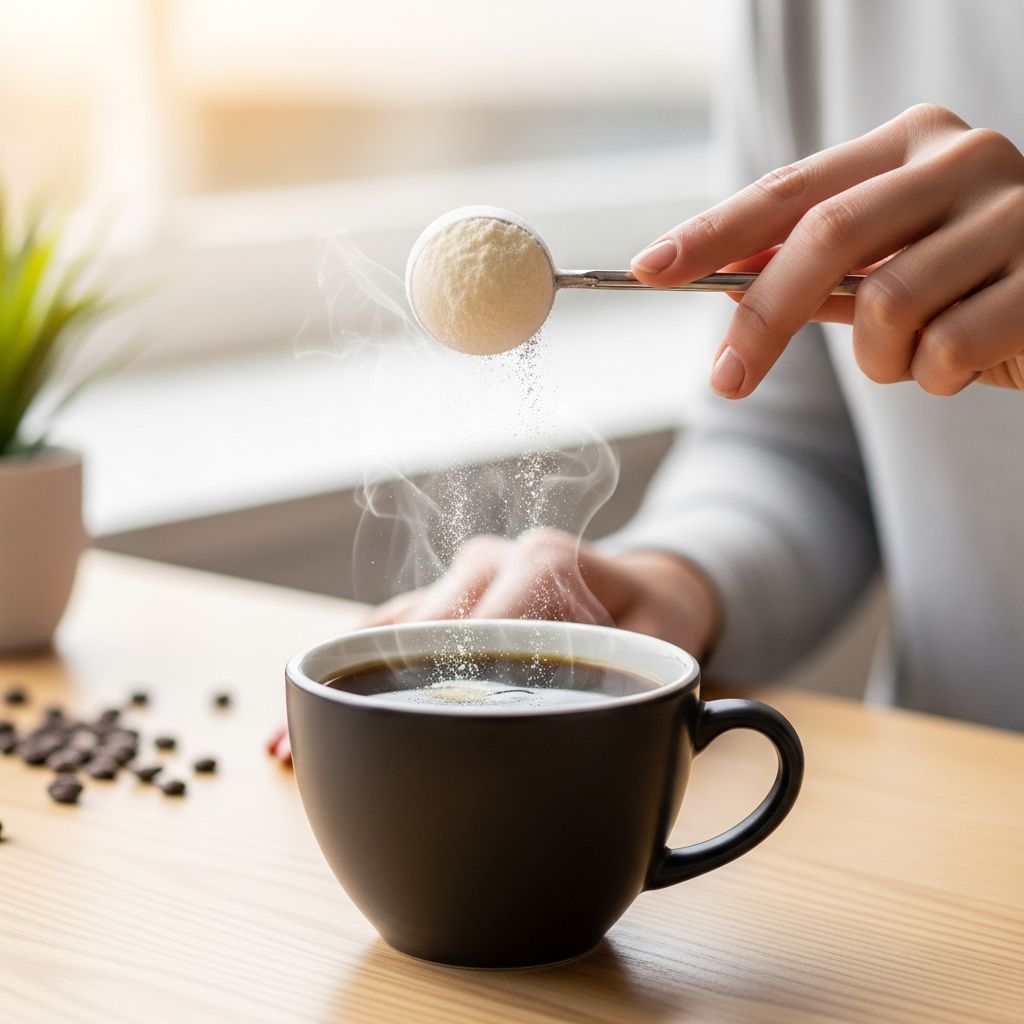
Adding
protein powder
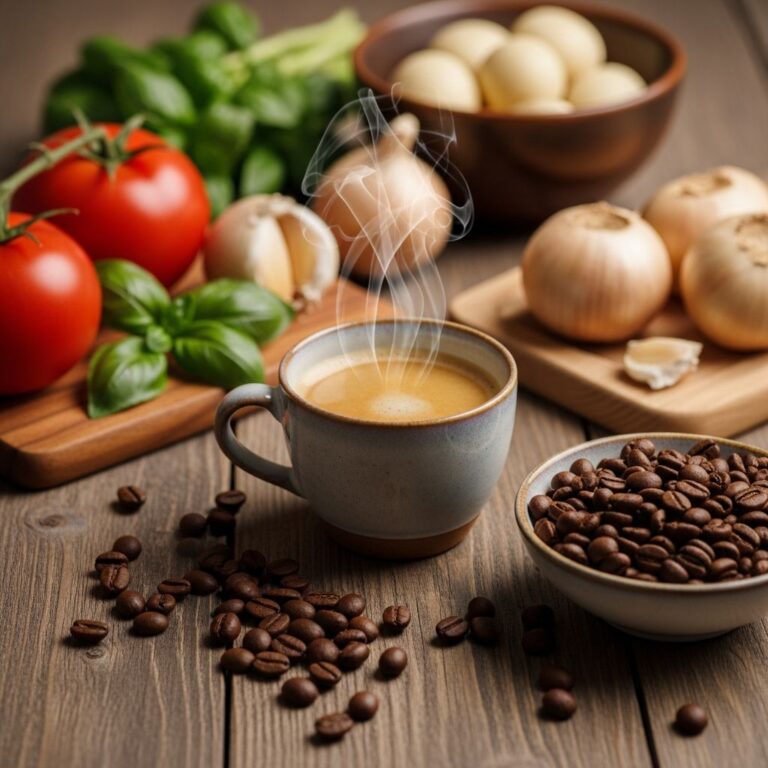
to your morning coffee has become a popular trend, often dubbed ”proffee,” offering a simple way to increase daily protein intake without extra effort. This practice combines the energizing effects of caffeine with the satiating power of protein, potentially supporting muscle health, weight management, and overall wellness.Is It Safe to Put Protein Powder in Coffee?
Yes, it is generally safe to mix
protein powder
into coffee for most healthy adults. Protein powders, whether dairy-based like whey or casein, or plant-based alternatives, blend similarly to milk or cream, creating a creamy texture while significantly boosting protein content—typically adding25g to 30g
per scoop compared to less than 1g from a tablespoon of milk.The key is selecting high-quality, unsweetened varieties to avoid excess sugars or additives. When choosing a powder, consider factors like protein source, ingredient list, and third-party testing for purity. Dairy proteins may froth well in hot coffee, while plant-based options suit vegan diets but might alter flavor or texture slightly.
7 Benefits of Adding Protein Powder to Coffee
Incorporating protein powder into coffee provides multiple health advantages, particularly for those with higher protein needs. While the standard RDA is
0.8g per kg
of body weight, many experts recommend1.2g to 2g per kg
for active individuals, making this hack convenient.1. Increases Your Protein Intake
A scoop of protein powder delivers
25g to 30g
of high-quality protein, helping meet elevated needs without additional meals. This is ideal for busy mornings when whole-food protein sources like eggs or yogurt might be skipped.2. Helps With Muscle Growth and Recovery
Protein is essential for
muscle protein synthesis
, aiding repair after workouts. Combined with coffee’s caffeine, which enhances exercise performance and endurance, proffee supports gym-goers aiming for lean muscle gains.3. Promotes Fullness and Aids Weight Management
Protein increases satiety hormones, reducing hunger and calorie intake throughout the day. A proffee with
0g sugar
and ~150 calories can replace higher-calorie sugary drinks, supporting sustainable weight loss or maintenance.4. Supports Bone Health
Adequate protein intake is linked to better bone density, especially when paired with calcium-rich sources. For older adults or those at risk of osteoporosis, this daily boost contributes to skeletal strength.
5. Convenient for Post-Surgery or Illness Recovery
During recovery periods, appetite may wane, but protein needs rise for tissue repair. Proffee offers an easy, palatable way to consume
25g+
without solid foods.6. Low in Sugar When Chosen Wisely
Unsweetened powders keep sugar at
0g
, avoiding risks like weight gain, diabetes, and inflammation associated with excess intake (>12 tsp/day). Always check labels for hidden sugars.7. Enhances Coffee’s Performance Boost
Caffeine’s ergogenic effects pair with protein for better workout recovery and energy, making proffee a pre- or post-exercise staple.
Related Stories



Potential Downsides of Protein Powder in Coffee
While beneficial, overconsumption can lead to issues. Excess protein (>2g/kg body weight) may cause weight gain from surplus calories or strain kidneys in those with pre-existing conditions. Additives like artificial sweeteners (e.g., sucralose), gums, or flavors in low-quality powders can trigger digestive upset, IBS, or other issues.
Daily use warrants moderation; most needs are met via whole foods like lean meats, eggs, and legumes. Consult a healthcare provider before starting, especially if pregnant, nursing, or managing chronic health concerns.
How to Add Protein Powder to Coffee: 4 Ways
- Hot Brew Method: Stir powder into hot drip, French press, or espresso. Use a frother for smoothness; heat can clump some powders, so blend if needed.
- Cold Brew Blend: Shake or blend powder with cold brew over ice for iced proffee—ideal for summer.
- Frothy Latte Style: Mix with steamed milk alternative, froth, and top with cinnamon for a cafe-like treat.
- Smoothie Proffee: Blend coffee, powder, ice, and a splash of nut milk for a thick, spoonable version.
What Type of Protein Powder Is Best for Coffee?
The ideal powder depends on diet and taste:
| Type | Pros | Cons | Best For |
|---|---|---|---|
| Whey/Casein (Dairy) | High bioavailability, creamy texture, froths well | Not vegan, lactose issues | Muscle builders |
| Pea/Rice (Plant) | Vegan, allergen-free options | Earthier taste, grittier | Plant-based diets |
| Collagen | Skin/joint benefits, dissolves easily | Lower muscle-building amino acids | Beauty-focused |
| Hemp | Omega-3s, whole food | Nutty flavor, lower protein/scoop | Wellness enthusiasts |
Opt for unflavored or vanilla to complement coffee; ensure NSF-certified for safety.
Protein Coffee Recipe
Basic Proffee (1 serving)
- 1 cup hot/cold brewed coffee
- 1 scoop (25-30g) unsweetened protein powder
- Optional: Dash of cinnamon, 1 tsp MCT oil
- Brew coffee.
- Add powder; stir/shake/blend until smooth.
- Froth if desired. Enjoy hot or iced.
Nutrition (approx.): 150 calories, 25-30g protein, 0g sugar.
Alternatives to Protein Powder in Coffee
- Milk-Based Lattes: Cow’s or soy milk adds
8-10g
protein per cup. - Greek Yogurt Smoothie: Blend yogurt, coffee, vanilla for
20g+
protein. - Nut Butter Add-In: 1-2 tbsp almond butter for creaminess and
7g
protein. - Egg White Froth: Pasteurized whites whipped into coffee for subtle protein.
These options prioritize whole foods over supplements.
Frequently Asked Questions (FAQs)
Can you put protein powder in coffee every day?
Yes, for most people, but choose unsweetened varieties and monitor total protein intake to avoid excess. Consult a doctor for personalized advice.
Does protein powder clump in coffee?
It can in hot coffee; use a blender, shaker, or frother to dissolve smoothly.
Is proffee good for weight loss?
It can promote fullness and replace sugary drinks, aiding calorie control when unsweetened.
What protein powder doesn’t taste bad in coffee?
Unflavored whey or vanilla plant-based powders blend best without overpowering coffee’s flavor.
Can protein powder replace a meal?
One scoop provides substantial protein but lacks fiber/vitamins; best as a supplement.
References
- Protein Powder in Coffee: What Are the Benefits? — GoodRx. 2024. https://www.goodrx.com/well-being/diet-nutrition/protein-powder-in-coffee
- Dietary Guidelines for Americans, 2020-2025 — U.S. Department of Health and Human Services and U.S. Department of Agriculture. 2020-12-01. https://www.dietaryguidelines.gov/sites/default/files/2020-12/Dietary_Guidelines_for_Americans_2020-2025.pdf
- Protein and Muscle Health in Older Adults — National Institutes of Health (NIH). 2023-05-15. https://www.ncbi.nlm.nih.gov/pmc/articles/PMC4558477/
- Caffeine and Exercise Performance — American College of Sports Medicine. 2024-01-10. https://journals.lww.com/acsm-msse/fulltext/2024/01000/caffeine_and_exercise_performance.25.aspx
- Added Sugars and Cardiovascular Disease Risk — World Health Organization (WHO). 2023-07-20. https://www.who.int/news/item/20-07-2023-who-updates-guidelines-on-fats-and-carbohydrates
Similar Articles








Read full bio of medha deb