Addison Disease: Causes, Symptoms, Diagnosis & Treatment
Complete guide to Addison disease: understanding primary adrenal insufficiency, its clinical presentation, diagnostic approaches, and comprehensive management strategies.
What Is Addison Disease?
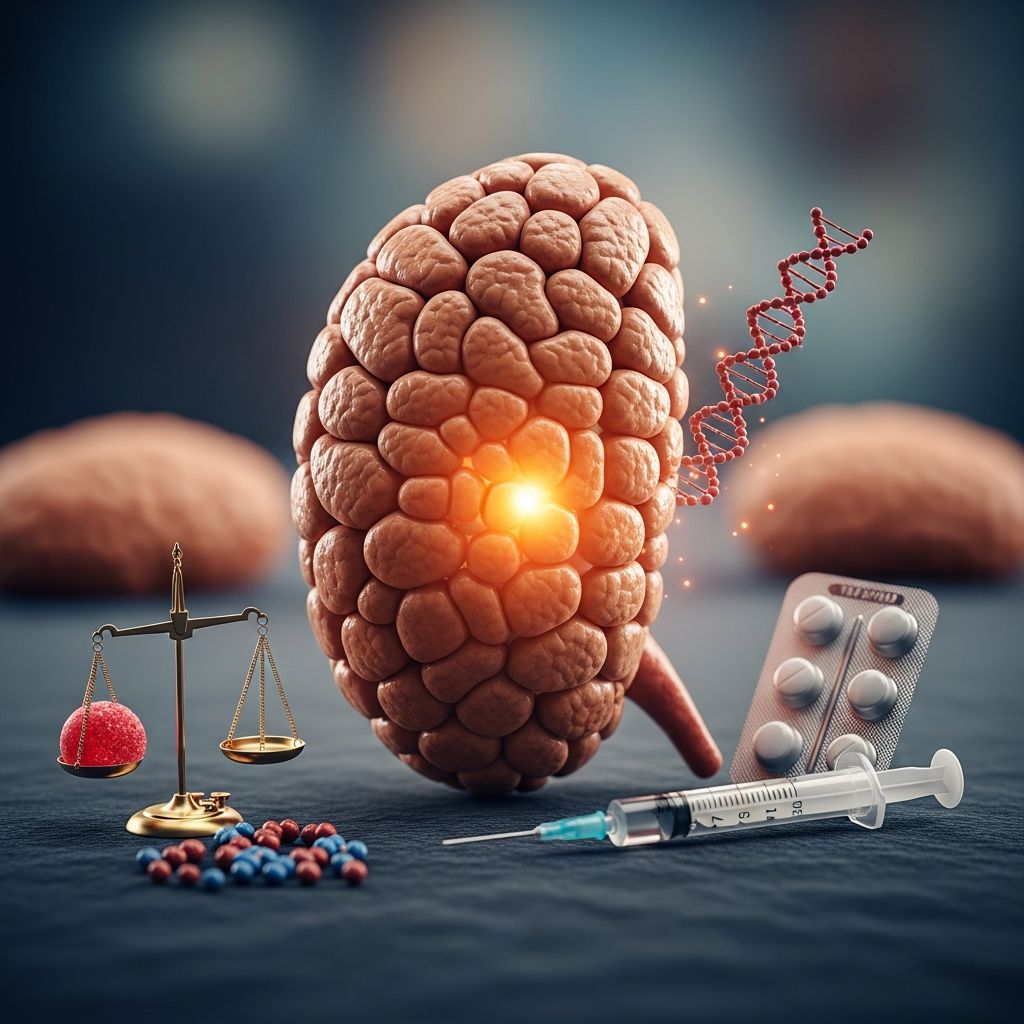
Addison disease, also known as primary adrenal insufficiency or autoimmune adrenalitis, is a rare but potentially life-threatening endocrine disorder characterized by the destruction of the bilateral adrenal cortex. This condition results in decreased production of critical adrenocortical hormones, including cortisol, aldosterone, and androgens. The disease develops when the immune system mistakenly attacks the adrenal glands, leading to progressive loss of hormone production. Symptoms typically do not develop until approximately 90% of the adrenal cortex has been damaged, a process that can take several months to years.
Epidemiology and Demographics
Addison disease is a rare condition that can occur at any age but most commonly presents during the second or third decades of life. The incidence and prevalence vary by geographic region and population, though it remains an uncommon diagnosis globally. Due to its insidious onset and nonspecific presentation, many cases remain undiagnosed for extended periods, with some patients only receiving diagnosis after experiencing an acute adrenal crisis.
Causes and Pathophysiology
Autoimmune Mechanisms
The most common cause of Addison disease is an autoimmune response in which the immune system attacks the outer portion of the adrenal glands (the adrenal cortex) for reasons that remain incompletely understood. This autoimmune process leads to progressive destruction of adrenocortical tissue and loss of hormone production capacity.
Associated Conditions
Addison disease may occur as part of Type 1 autoimmune polyglandular syndrome, manifested by autoimmune polyendocrinopathy, candidiasis, and ectodermal dysplasia. The classic triad of this syndrome consists of hypoparathyroidism, Addison disease, and mucocutaneous candidiasis. Patients with Addison disease should be screened for these associated conditions.
Other Causes
While autoimmune destruction is the primary cause in developed nations, other etiologies include infections, malignancy, and hemorrhage of the adrenal glands. Secondary adrenal insufficiency can result from chronic glucocorticoid administration causing hypothalamic-pituitary dysfunction.
Clinical Presentation and Symptoms
Insidious Onset
Addison disease usually manifests as an insidious and gradual onset of nonspecific symptoms, often resulting in a delayed diagnosis. The symptoms may worsen gradually over weeks or months, making early recognition difficult. A high clinical suspicion should be maintained to avoid misdiagnosis, particularly when evaluating patients with unexplained fatigue, poor appetite, chronic abdominal pain, or weight loss.
Early Symptoms
Initial presenting features of Addison disease include:
- Fatigue and generalized weakness
- Weight loss
- Nausea and vomiting
- Abdominal pain
- Dizziness and lightheadedness
- Tachycardia (elevated heart rate)
- Hypotension (low blood pressure)
- Orthostatic hypotension (blood pressure drop when standing)
Clinicians should also assess for wasting of subcutaneous tissue and other signs of progressive metabolic derangement. These early symptoms are often nonspecific and may be attributed to other common conditions, contributing to delayed diagnosis.
Hyperpigmentation
A distinctive clinical sign of Addison disease is hyperpigmentation, characterized by diffuse darkening of exposed and, to a lesser extent, unexposed portions of the body. This pigmentation change is especially prominent on pressure points such as bony prominences, skin folds, scars, and extensor surfaces. Black freckles commonly appear on the forehead, face, neck, and shoulders. Bluish-black discolorations may also occur on the areolae and mucous membranes of the lips, mouth, rectum, and vagina. This distinctive pigmentation pattern results from elevated plasma adrenocorticotropic hormone (ACTH) levels stimulating melanocyte activity.
Related Stories



Adrenal Crisis (Addisonian Crisis)
Definition and Emergency Nature
Adrenal crisis, also called Addisonian crisis, is a severe endocrine emergency requiring immediate recognition and treatment. This acute deterioration can occur spontaneously or be precipitated by physiologic stress such as surgery, infection, burns, or critical illness. Many patients with partial loss of adrenal function appear well until experiencing an adrenal crisis during periods of stress.
Clinical Features of Adrenal Crisis
An acute adrenal crisis is manifested by the following characteristics:
- Severe dehydration
- Confusion and altered mental status
- Refractory hypotension unresponsive to standard interventions
- Shock and peripheral vascular collapse
- Severe pain in the abdomen, lower back, or legs
- Profound asthenia (weakness)
- Renal shutdown with azotemia
- Hypoglycemia (low blood sugar)
- Hyponatremia (low sodium levels)
- Hyperkalemia (elevated potassium levels)
Body temperature may be low, although severe fever often occurs, particularly when crisis is precipitated by acute infection. Shock and fever may be the only presenting signs in some cases. Immediate recognition and aggressive treatment are required to prevent cardiovascular collapse and death.
Diagnosis and Diagnostic Tests
Clinical Evaluation
Diagnosis of Addison disease requires a combination of clinical suspicion and confirmatory laboratory testing. Healthcare providers should maintain a high index of suspicion when evaluating patients presenting with nonspecific symptoms, particularly when accompanied by the distinctive hyperpigmentation or characteristic laboratory abnormalities.
Laboratory Tests
Diagnostic confirmation involves several key laboratory assessments:
Blood Tests
Blood tests measure multiple parameters to establish the diagnosis:
- Low serum cortisol levels
- Low aldosterone levels
- High plasma adrenocorticotropic hormone (ACTH) levels
- Low serum sodium (hyponatremia)
- High serum potassium (hyperkalemia)
- Elevated blood urea nitrogen (BUN)
- Antibodies related to Addison disease caused by autoimmune processes
The combination of elevated ACTH with low cortisol is characteristic of primary adrenal insufficiency.
ACTH Stimulation Test
The ACTH stimulation test is a crucial diagnostic tool that measures cortisol response to injected synthetic ACTH. In Addison disease, a blunt or absent cortisol response to ACTH stimulation confirms primary adrenal insufficiency. This test helps differentiate primary adrenal insufficiency from secondary causes resulting from hypothalamic-pituitary dysfunction.
Treatment Approaches
Acute Phase Therapy (Adrenal Crisis Management)
Treatment of an acute adrenal crisis is a medical emergency requiring immediate intervention. The approach consists of the following critical components:
- Fluid resuscitation: Restoration of intravascular volume with intravenous normal saline to correct severe dehydration
- Dextrose administration: Correction of hypoglycemia through intravenous dextrose infusion
- Corticosteroid replacement: High-dose glucocorticoid administration to correct hormone deficiency
- Mineralocorticoid replacement: Restoration of aldosterone function to correct electrolyte abnormalities
Additional supportive measures and treatment of precipitating factors such as infection are essential components of crisis management.
Maintenance Phase Therapy
For patients with stabilized Addison disease, life-long treatment with hormonal replacement is required. Maintenance therapy aims to provide replacement hormones to maintain physiologic glucocorticoid and mineralocorticoid levels. The goal is to restore normal endocrine function while avoiding excessive hormone replacement that could produce iatrogenic Cushing syndrome.
Glucocorticoid Replacement
Standard glucocorticoid replacement regimens include:
- Hydrocortisone: 5 to 25 mg/day divided into 2 or 3 doses
- Prednisone: 3 to 5 mg/day as an alternative option
Hydrocortisone is often preferred due to its shorter half-life and more physiologic replacement pattern. Dosing should be individualized based on patient response and clinical parameters.
Mineralocorticoid Replacement
Mineralocorticoid replacement with fludrocortisone is typically required to maintain sodium balance and normal blood pressure. This component of therapy is crucial for managing the aldosterone deficiency characteristic of Addison disease.
Management and Patient Education
Medication Management
Patients with Addison disease must understand the critical importance of medication compliance and proper dosing. Key educational points include:
- Strict adherence to prescribed medication doses and schedules
- Importance of not missing even a single day of medication
- Requirement to increase steroid replacement doses during periods of physiologic stress, such as fever, surgery, or emotional stress
- Maintaining written action plans for dose adjustments during illness or stress
Emergency Preparedness
Patients should be equipped with emergency identification and preparedness tools:
- Wearing an emergency medical alert bracelet at all times
- Carrying a steroid emergency card with treatment information
- Keeping extra medicine readily accessible at work and during travel
- Having written action plans for adrenal crisis management
- Educating family members and close contacts about crisis recognition and response
Lifestyle and Self-Care
Comprehensive management includes lifestyle modifications to support overall health:
- Adequate sodium intake in the diet to maintain electrolyte balance
- Regular weight monitoring to detect changes in hydration status
- Blood pressure monitoring to ensure adequate glucocorticoid and mineralocorticoid replacement
- Stress management techniques to minimize physiologic stress triggers
- Regular follow-up appointments with endocrinologists
Long-Term Follow-Up and Monitoring
Patients with Addison disease require ongoing medical supervision throughout their lifetime. Healthcare recommendations include:
- Yearly checkups with a healthcare professional experienced in managing endocrine disorders
- Annual screening tests for associated autoimmune diseases
- Regular laboratory assessments to ensure adequate hormone replacement
- Adjustment of medication doses based on clinical response and life circumstances
- Monitoring for complications and associated conditions
Frequently Asked Questions
Q: Is Addison disease curable?
A: Addison disease is not curable, but it is manageable with life-long hormone replacement therapy. With appropriate treatment and patient education, most individuals with Addison disease can live normal, productive lives.
Q: Can Addison disease be fatal?
A: Yes, Addison disease can be fatal if left untreated or if an adrenal crisis occurs without prompt treatment. However, with proper medical management and patient awareness, mortality risk is significantly reduced.
Q: What triggers an adrenal crisis?
A: Adrenal crises can be triggered by physiologic stress including infections, surgery, trauma, burns, or critical illness. Even mild stressors such as fever or emotional stress can precipitate a crisis in susceptible individuals.
Q: How often should cortisol levels be checked?
A: Cortisol levels should be monitored regularly, typically during annual checkups. More frequent testing may be necessary when adjusting medication doses or if symptoms suggest inadequate replacement.
Q: Can pregnancy occur safely with Addison disease?
A: Yes, pregnancy is possible with Addison disease, but careful medical management is essential. Increased steroid replacement may be necessary during pregnancy, and close coordination between obstetric and endocrine care is recommended.
References
- Addison Disease – StatPearls — National Center for Biotechnology Information (NCBI), National Institutes of Health. 2024. https://www.ncbi.nlm.nih.gov/books/NBK441994/
- Addison Disease – Endocrine and Metabolic Disorders — Merck Manuals Professional Version. 2024. https://www.merckmanuals.com/professional/endocrine-and-metabolic-disorders/adrenal-disorders/addison-disease
- Addison’s Disease: Diagnosis and Treatment — Mayo Clinic. 2024. https://www.mayoclinic.org/diseases-conditions/addisons-disease/diagnosis-treatment/drc-20350296
- Addison’s Disease: What It Is, Causes, Symptoms & Treatment — Cleveland Clinic. 2024. https://my.clevelandclinic.org/health/diseases/15095-addisons-disease
- Consultation Reference Guide for Adult Patients with Addison’s Disease — American Association of Clinical Endocrinologists. April 2023. https://www.endocrinology.org/
Similar Articles








Read full bio of Sneha Tete