Adenocarcinoma Cancers: Types, Symptoms & Treatment
Comprehensive guide to adenocarcinoma: understanding types, symptoms, diagnosis, and treatment options.
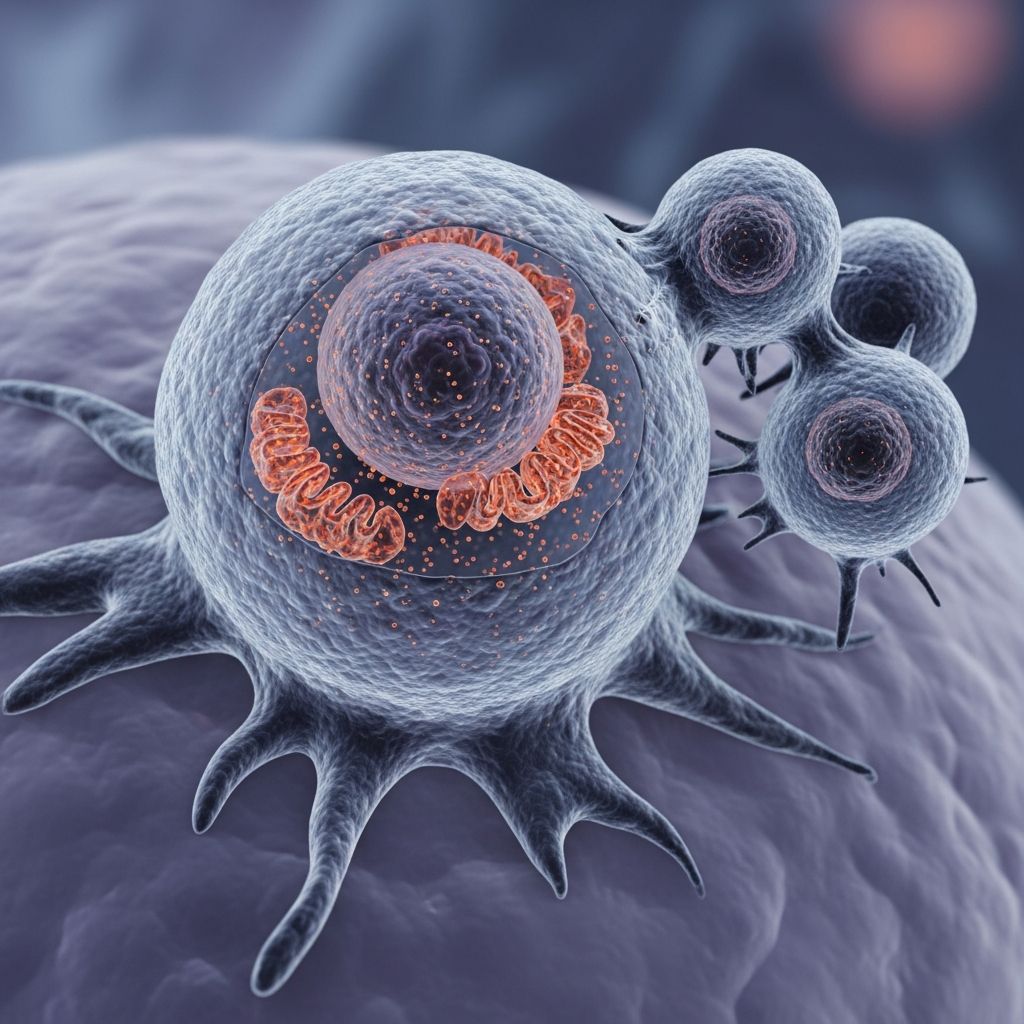
Understanding Adenocarcinoma: A Comprehensive Overview
Adenocarcinoma is a type of cancer that develops in glandular tissues throughout the body. These cancers originate in cells that produce mucus, sweat, or other secretions, making them among the most common forms of cancer diagnosed today. Adenocarcinomas can develop in virtually any organ system, including the lungs, colon, breast, pancreas, and stomach. Understanding this disease is crucial for early detection and effective treatment planning.
The term “adenocarcinoma” refers to the cancer’s cellular origin rather than its location. Unlike other cancer classifications that focus on where the cancer appears, adenocarcinomas are grouped together because they all arise from similar glandular cells. This distinction helps medical professionals understand the cancer’s behavior and potential treatment responses.
Types of Adenocarcinoma
Adenocarcinomas vary significantly depending on their location in the body. Each type has distinct characteristics, progression patterns, and treatment considerations:
Lung Adenocarcinoma
Lung adenocarcinoma represents the most common type of lung cancer, accounting for approximately 40% of all lung cancer cases. This cancer develops in the mucus-secreting glands of the lungs and tends to grow more slowly than other lung cancer types. It typically occurs in the outer regions of the lungs, making it potentially more detectable through imaging studies. Patients with lung adenocarcinoma may be non-smokers, as this type has shown less association with smoking history compared to other lung cancers.
Colorectal Adenocarcinoma
Colorectal adenocarcinoma is the most common type of colorectal cancer. It develops in the glandular cells that line the colon or rectum. This cancer typically progresses through precancerous polyps before becoming malignant, which makes screening particularly important. Regular colonoscopies can identify and remove these polyps before they transform into cancer.
Gastric Adenocarcinoma
Gastric (stomach) adenocarcinoma develops in the mucous lining of the stomach. This type of cancer has varying prevalence across different geographic regions and is often associated with Helicobacter pylori infection. Early-stage gastric adenocarcinoma may not produce obvious symptoms, making diagnosis challenging in many cases.
Pancreatic Adenocarcinoma
Pancreatic adenocarcinoma is an aggressive form of cancer that develops in the cells lining the pancreatic ducts. This type is particularly challenging because the pancreas is located deep within the abdomen, making early detection difficult. Symptoms often appear only after the cancer has advanced significantly.
Breast Adenocarcinoma
Most breast cancers are adenocarcinomas that develop in the milk-producing glands or ducts. These cancers are classified further as either ductal carcinoma (arising in milk ducts) or lobular carcinoma (arising in milk-producing glands). Breast adenocarcinoma is one of the most treatable cancers when detected early.
Prostate Adenocarcinoma
Prostate adenocarcinoma develops in the glandular cells of the prostate and is the most common type of prostate cancer. It often grows slowly and may not cause symptoms in early stages. Screening through PSA testing and digital rectal examinations can help identify this cancer early.
Related Stories



Risk Factors and Causes
Multiple factors can increase the likelihood of developing adenocarcinoma, though having risk factors does not guarantee cancer development. Understanding these factors can help individuals make informed lifestyle choices:
Lifestyle-Related Risk Factors
Smoking significantly increases the risk of lung adenocarcinoma. For colorectal adenocarcinoma, excessive alcohol consumption, high red meat intake, and obesity are established risk factors. Sedentary lifestyles and poor dietary choices contribute to increased adenocarcinoma risk across multiple organ systems.
Age and Family History
Adenocarcinoma risk generally increases with age, as most cancers develop after decades of cellular damage accumulation. A strong family history of adenocarcinoma may indicate genetic predisposition, particularly for breast, colon, and pancreatic cancers. Individuals with hereditary cancer syndromes face substantially elevated risks.
Chronic Inflammation and Infection
Chronic inflammatory conditions increase adenocarcinoma risk. Helicobacter pylori infection raises gastric cancer risk, while inflammatory bowel disease increases colorectal cancer likelihood. Chronic pancreatitis and cirrhosis elevate pancreatic and liver adenocarcinoma risks respectively.
Hormonal Factors
Hormone replacement therapy and prolonged estrogen exposure increase breast adenocarcinoma risk. Obesity-related hormonal changes contribute to endometrial and breast adenocarcinoma development. Understanding these connections helps guide preventive strategies.
Symptoms and Warning Signs
Adenocarcinoma symptoms vary considerably depending on cancer location and stage. Early-stage adenocarcinomas often produce no noticeable symptoms, which underscores the importance of screening programs:
General Symptoms
Unexplained weight loss, persistent fatigue, and abdominal discomfort can indicate adenocarcinoma in various locations. These nonspecific symptoms may be attributed to other conditions, potentially delaying diagnosis. Persistent symptoms lasting more than a few weeks warrant medical evaluation.
Location-Specific Symptoms
Lung adenocarcinoma: Persistent cough, chest pain, shortness of breath, and hemoptysis (coughing blood) are common symptoms. Colorectal adenocarcinoma: Changes in bowel habits, blood in stool, persistent constipation or diarrhea, and abdominal cramping may occur. Gastric adenocarcinoma: Difficulty swallowing, early satiety (feeling full quickly), and persistent indigestion are typical symptoms. Pancreatic adenocarcinoma: Jaundice, abdominal pain, and back pain are often present. Breast adenocarcinoma: Lumps, nipple discharge, skin changes, and dimpling require immediate evaluation. Prostate adenocarcinoma: Urinary problems, erectile dysfunction, and bone pain may develop.
Diagnosis and Staging
Accurate diagnosis involves multiple complementary approaches. Healthcare providers typically begin with a thorough medical history and physical examination, followed by specialized diagnostic tests.
Diagnostic Imaging
Computed tomography (CT) scans provide detailed cross-sectional images revealing tumor location and size. Magnetic resonance imaging (MRI) offers excellent soft tissue visualization. Positron emission tomography (PET) scans detect metabolic activity associated with cancer. Ultrasound serves as an initial screening tool for certain adenocarcinomas.
Tissue Biopsy
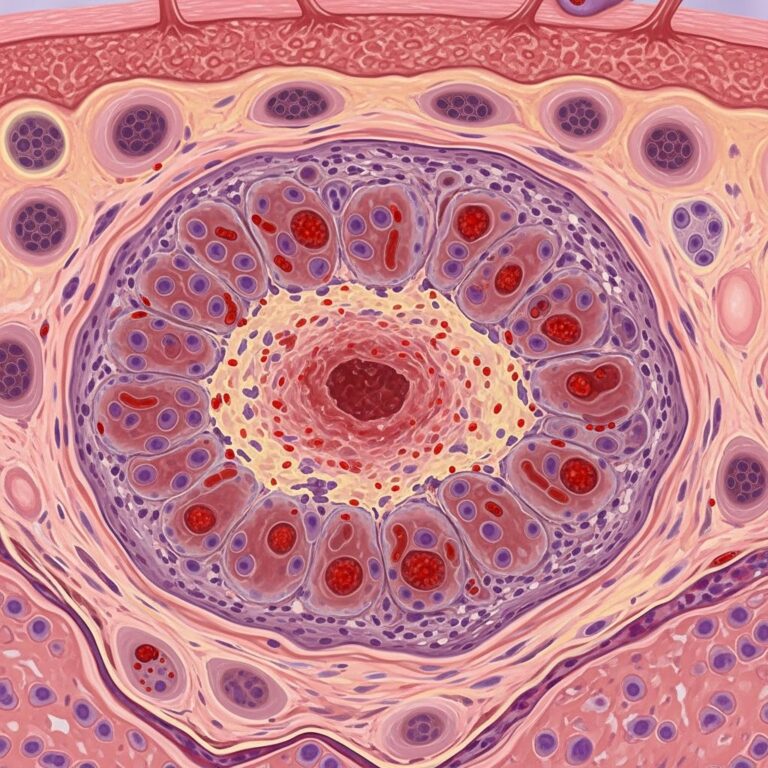
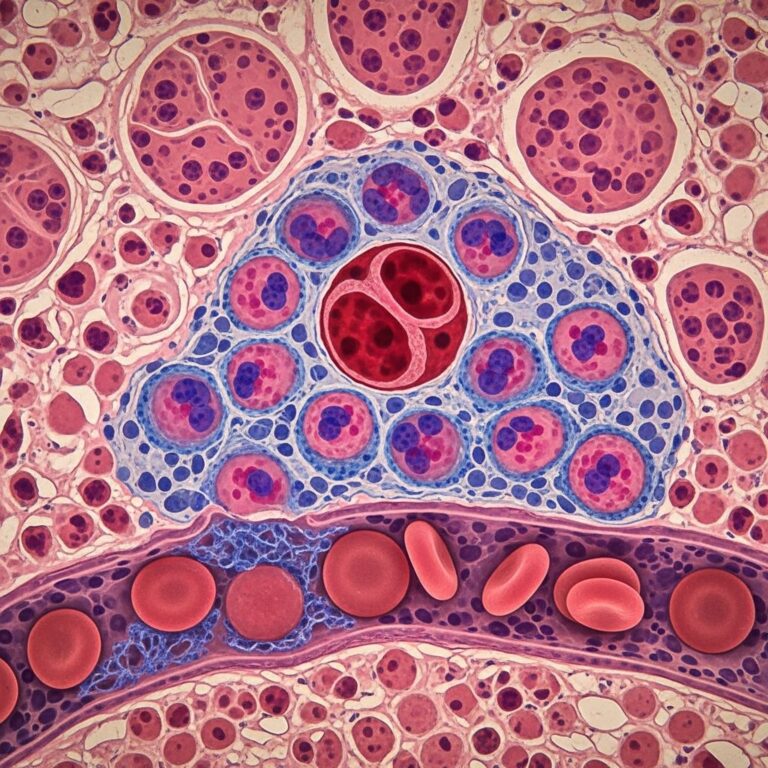
Definitive adenocarcinoma diagnosis requires tissue examination. Endoscopic biopsies, needle biopsies, or surgical biopsies obtain tissue samples for microscopic analysis. Pathologists examine cells to confirm adenocarcinoma presence and determine specific subtype characteristics.
Biomarker and Genetic Testing
Molecular testing identifies specific mutations and biomarkers that guide treatment selection. Testing for markers like microsatellite instability, mismatch repair deficiency, and specific gene mutations helps predict treatment response and prognosis. Genetic testing may identify hereditary cancer syndromes in appropriate cases.
Staging System
Cancer staging describes disease extent using standardized systems. Stage I cancers are localized without lymph node involvement. Stage II cancers involve lymph nodes or show deeper tissue penetration. Stage III cancers demonstrate extensive lymph node involvement or local invasion. Stage IV (metastatic) cancers have spread to distant organs. Accurate staging is essential for treatment planning and prognosis estimation.
Treatment Options
Adenocarcinoma treatment plans are individualized based on cancer type, stage, patient age, and overall health status. Multiple treatment modalities are often combined for optimal outcomes.
Surgical Intervention
Surgery remains the primary treatment for localized adenocarcinoma. Surgical approaches range from minimally invasive techniques to extensive resections. Surgeons may remove the tumor along with surrounding tissue and affected lymph nodes. Complete tumor removal offers the best chance for cure in early-stage disease.
Chemotherapy
Chemotherapy drugs target rapidly dividing cancer cells throughout the body. These medications are particularly effective for advanced adenocarcinomas that have metastasized. Chemotherapy may be administered before surgery (neoadjuvant), after surgery (adjuvant), or as the primary treatment for metastatic disease. Side effects vary depending on the specific drugs used.
Radiation Therapy
High-energy radiation beams precisely target tumor sites while minimizing damage to surrounding healthy tissue. Radiation therapy may be used alone, combined with chemotherapy, or as palliative treatment to manage symptoms. Modern techniques like intensity-modulated radiation therapy (IMRT) and stereotactic body radiation therapy (SBRT) improve targeting precision.
Targeted Therapy
Targeted therapies attack specific molecular abnormalities present in cancer cells. These drugs work by blocking growth signals or inhibiting specific proteins driving cancer growth. Targeted therapy offers potential benefits with fewer side effects compared to traditional chemotherapy, though not all adenocarcinomas respond to available targeted options.
Immunotherapy
Immunotherapy medications enhance the body’s natural immune response against cancer cells. Checkpoint inhibitors remove barriers preventing immune system activation. These therapies have demonstrated significant benefits for certain adenocarcinoma subtypes, particularly those with high tumor mutational burden or specific immune signatures.
Prognosis and Survival Rates
Adenocarcinoma prognosis depends on multiple factors including cancer stage at diagnosis, specific type and location, histological grade, patient age, and overall health status. Early-stage adenocarcinomas generally have more favorable outcomes, with five-year survival rates ranging from 60-90% depending on cancer type. Advanced-stage adenocarcinomas show substantially lower survival rates, though modern treatments continue improving outcomes. Individual prognosis varies considerably, and survival statistics represent population averages rather than individual predictions.
Prevention and Screening
While complete adenocarcinoma prevention is not always possible, several strategies reduce risk and enable early detection:
Lifestyle Modifications
Smoking cessation dramatically reduces lung adenocarcinoma risk. Maintaining healthy body weight, limiting alcohol consumption, and consuming a diet rich in fruits and vegetables reduce colorectal and other adenocarcinoma risks. Regular physical activity provides protective benefits across multiple cancer types.
Screening Programs
Colonoscopy screening effectively detects colorectal adenocarcinoma and precancerous polyps. Mammography remains the standard for breast cancer screening. Lung cancer screening with low-dose CT scans benefits high-risk individuals. PSA testing and digital rectal examination aid prostate cancer detection. Endoscopic screening may benefit individuals at elevated gastric cancer risk.
Preventive Measures
Helicobacter pylori testing and treatment reduce gastric adenocarcinoma risk. Maintaining healthy inflammatory markers and managing chronic inflammatory conditions provides protective benefits. HPV vaccination reduces adenocarcinoma risk in certain organ systems.
Living with Adenocarcinoma
Adenocarcinoma diagnosis profoundly impacts patients and their families. Comprehensive support addressing physical, emotional, and practical needs improves quality of life throughout treatment and recovery. Support groups connect patients with others sharing similar experiences. Mental health services help manage anxiety, depression, and adjustment challenges. Nutritional counseling addresses treatment-related side effects. Rehabilitation programs restore physical functioning and independence.
Frequently Asked Questions
Q: What is the difference between adenocarcinoma and other cancer types?
A: Adenocarcinoma develops specifically in glandular tissues that produce secretions like mucus or sweat. Other cancers may arise from different tissue types, such as squamous cells or connective tissues. The cellular origin influences cancer behavior, progression patterns, and treatment response.
Q: Is adenocarcinoma hereditary?
A: While most adenocarcinomas are not directly inherited, certain genetic mutations increase susceptibility. Hereditary cancer syndromes like Lynch syndrome and familial adenomatous polyposis significantly elevate adenocarcinoma risk. Genetic counseling helps identify at-risk individuals who may benefit from enhanced screening.
Q: Can adenocarcinoma be cured?
A: Many adenocarcinomas diagnosed at early stages can be cured through surgery alone or combined with chemotherapy or radiation. Advanced adenocarcinomas may not be curable but can often be controlled with appropriate treatment, extending survival and maintaining quality of life.
Q: What are the most common side effects of adenocarcinoma treatment?
A: Side effects depend on treatment type. Chemotherapy commonly causes nausea, fatigue, and hair loss. Radiation may cause skin irritation and fatigue. Surgery involves pain and recovery time. Targeted therapy and immunotherapy produce different side effect profiles. Healthcare providers can recommend strategies to manage most side effects.
Q: How often should screening occur for adenocarcinoma prevention?
A: Screening intervals vary by cancer type and risk factors. Colonoscopy is recommended every 10 years for average-risk adults starting at age 45-50. Mammography recommendations depend on age and risk level. Individuals with family history or elevated risk factors may need more frequent screening or earlier initiation.
Q: What role does diet play in adenocarcinoma risk?
A: Diet significantly influences adenocarcinoma risk. High consumption of processed meats increases colorectal cancer risk. Diets rich in vegetables, fruits, and whole grains provide protective benefits. Maintaining healthy body weight through balanced nutrition reduces multiple adenocarcinoma types’ risk.
References
- What Is Cancer? Symptoms, Causes & Types — Cleveland Clinic. 2024-08-19. https://my.clevelandclinic.org/health/diseases/12194-cancer
- Comprehensive Cancer Information – National Cancer Institute — National Cancer Institute (NCI). 2025. https://www.cancer.gov
- Get Carcinoma Treatment | Cleveland Clinic — Cleveland Clinic. 2025. https://my.clevelandclinic.org/services/carcinoma-treatment
- Soft Tissue Sarcomas: A Complete Guide — Cleveland Clinic Abu Dhabi. 2025. https://www.clevelandclinicabudhabi.ae/en/health-byte/health/soft-tissue-sarcomas-a-complete-guide
Similar Articles








Read full bio of Sneha Tete