Adenoidectomy: Surgery and Recovery Guide
Complete guide to adenoid removal surgery: indications, procedure, recovery, and FAQs.
What Is an Adenoidectomy?
An adenoidectomy is a surgical procedure to remove the adenoid glands, which are small lumps of tissue located behind your nose in the upper airway. Adenoids are part of the lymphatic system and help fight infections, but they can become enlarged due to repeated infections or allergies. When adenoids become swollen and enlarged, they can partially block the airway and cause various health problems. This common procedure can provide significant relief from breathing difficulties, ear infections, and sleeping problems. Adenoidectomy is one of the most common surgeries children receive, and it’s typically performed by an ear, nose, and throat (ENT) specialist.
Understanding Adenoids
Adenoids are considered a vestigial organ in adults, meaning they are remnants with little to no functional purpose. In children, however, they play a role in the immune system. Children’s adenoids naturally begin shrinking around age 7 and are almost completely gone by the teenage years. This is why adenoidectomy is mostly recommended for children between 1 and 7 years old, though adults may occasionally need the procedure in select cases.
When Is an Adenoidectomy Needed?
An adenoidectomy treats enlarged adenoids that can cause problems by partially blocking your child’s airway. A narrowed airway can cause a range of issues that require treatment. Your healthcare provider may recommend adenoid removal if your child experiences any of the following conditions:
- Difficulty breathing, especially through the nose
- Frequent ear infections
- Chronic sinus infections
- Sleep apnea or disrupted sleep patterns
- Loud snoring during sleep
- Speech problems caused by enlarged adenoids
- Difficulty swallowing
- Recurrent upper respiratory infections that do not improve with other treatments
After taking a health history, a healthcare provider will examine your child’s adenoids, either with an X-ray or with a small camera placed in your child’s nose. Based on your child’s symptoms and the appearance of their adenoids, your provider may recommend removing them.
Before Surgery: Preparation Steps
Medical Evaluation
Before surgery, your doctor will perform a comprehensive medical evaluation that includes reviewing your child’s medical history, past illnesses, allergies, and current medications. A physical exam helps the doctor assess the size of the adenoids and determine if they are causing issues. Your healthcare provider may also recommend postponing surgery if your child gets sick beforehand, such as with a cold, flu, or other respiratory infection.
Pre-Operative Tests
Sometimes, additional tests like blood tests or X-rays may be needed to gather more information about your child’s condition. These tests help the doctor understand the situation better and plan the surgery more effectively. Additionally, imaging and nasal endoscopy may be used for accurate diagnosis in certain cases.
Pre-Surgery Instructions
Your healthcare provider will give you specific instructions to follow before the surgery. These typically include fasting requirements and guidelines about medications your child should or should not take before the procedure. It’s important to follow these instructions carefully to ensure the surgery goes smoothly and safely.
The Adenoidectomy Procedure
Related Stories



General Overview
An adenoidectomy is a straightforward, relatively short procedure performed by an ear, nose, and throat (ENT) surgeon. Most children go home the same day of their surgery, as it’s typically performed in an outpatient setting. The surgery only takes about 20 to 30 minutes, though you will spend several hours at the hospital to account for preparation before the surgery and recovery time afterward.
During the Surgery
On the day of the adenoidectomy surgery, your child will be in the care of a skilled medical team. An anesthesiologist will administer general anesthesia to ensure your child sleeps deeply and experiences no discomfort throughout the procedure. The anesthesiologist will also monitor your child’s vital signs throughout the surgery to ensure everything goes smoothly.
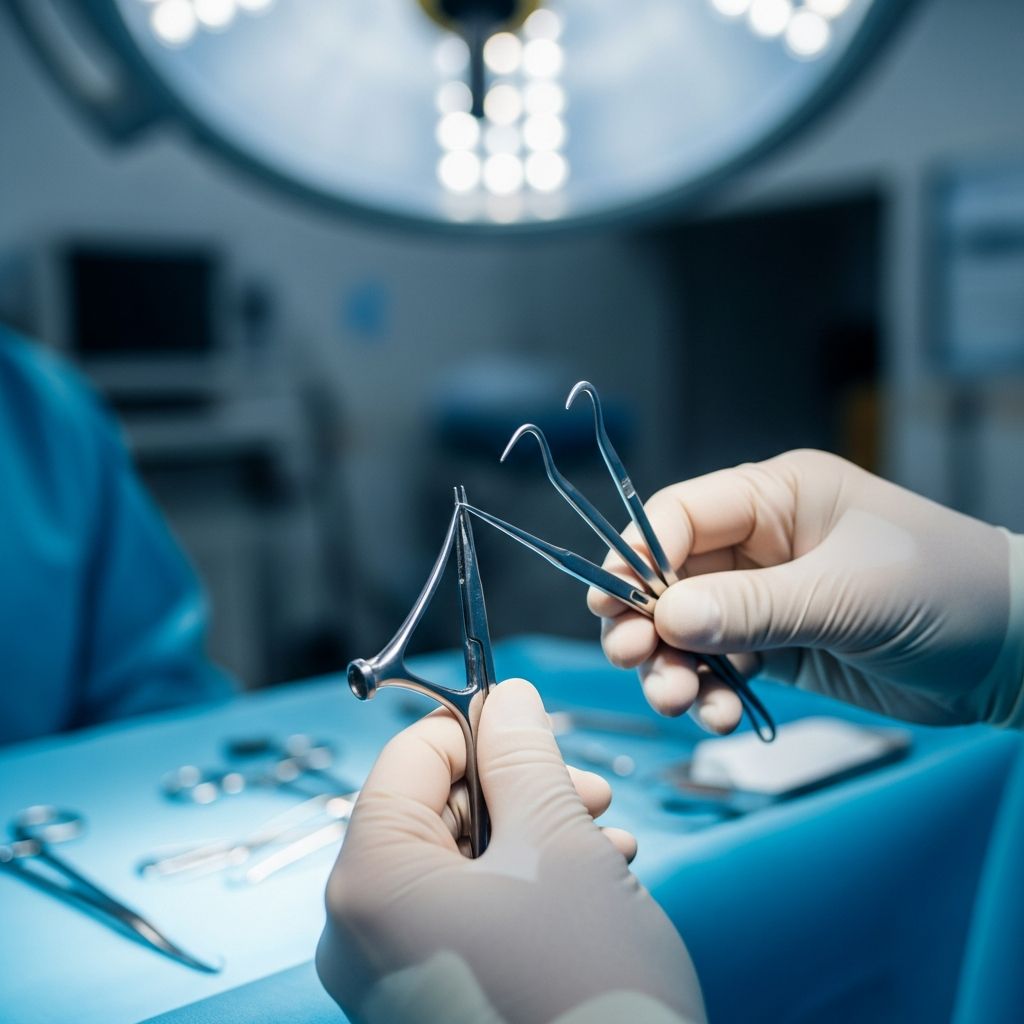
The surgeon will remove the adenoids through your child’s mouth, which means there will not be any external cuts or scars. This method helps make the recovery process easier and faster. The surgeon will insert a small instrument into your child’s mouth to prop it open. They’ll then remove the adenoids by making a small incision or by cauterizing, which involves sealing the area with a heated device, also known as electrocautery. This technique helps stop any bleeding and reduces complications.
Surgical Techniques
While traditional instruments are commonly used, some ENT specialists may employ endoscopic adenoidectomy, which involves using a thin, camera-equipped scope to enhance visibility during surgery. This technique allows surgeons to remove adenoids more precisely, especially in complex cases or when tissue extends into hard-to-reach areas. Endoscopy may also be used during preoperative assessment to confirm the extent of tissue enlargement.
Combined Procedures
The surgeon may also remove your child’s tonsils (tonsillectomy) at the same time if they’re also swollen and causing symptoms. These surgeries are commonly performed together. In some cases, grommet insertion (small tubes placed in the ears) may also be performed during the same procedure if there are overlapping conditions requiring treatment.
After Surgery: Recovery and Care
Immediate Recovery
Members of your child’s care team will take them to the recovery room, where your child will wake from the anesthesia. Once your child wakes, a provider will make sure they can breathe, cough, and swallow properly. Most children recover from adenoidectomy within two to three days.
Pain Management
Earache and sore throat are expected following surgery. Your healthcare provider will give you pain medication to take as prescribed. If you have no prescription pain medication, you may take Tylenol as recommended by your provider. It’s important to manage pain effectively to help your child feel more comfortable during recovery.
Activity and Diet
Your child should rest and avoid strenuous activities for several days after surgery. Soft foods and cold beverages can help soothe the throat and reduce discomfort. Your provider will give you specific dietary guidelines to follow during the recovery period.
Post-Operative Monitoring
You should monitor your child for symptoms of a cold, flu, or other respiratory infection during the recovery period. Watch for any signs of complications and contact your healthcare provider if you notice anything concerning. Most children can return to normal activities within one to two weeks after surgery.
Is Adenoidectomy Safe?
Adenoid removal is extremely common and is considered a safe procedure with a low risk of complications. Research studies have shown that adenoid removal doesn’t increase the frequency of colds or infections after surgery. The immune system compensates through other organs like lymph nodes and tonsils. Adenoids rarely regrow, especially if surgery is done at the right age and tissue is fully removed.
Benefits and Outcomes
An adenoidectomy can provide significant relief from various symptoms caused by enlarged adenoids. Children often experience improved breathing, better sleep quality, fewer ear infections, and reduced sinus infections following the procedure. The surgery can dramatically improve quality of life for children who have been struggling with the complications of enlarged adenoids. Many parents report that their children sleep better, are more alert during the day, and have fewer infections after adenoidectomy.
Frequently Asked Questions
Q: At what age is adenoidectomy typically performed?
A: Adenoidectomy is mostly performed in children between 1 and 7 years old. Children’s adenoids naturally begin shrinking around age 7 and are almost completely gone by the teenage years, making surgery less necessary as children grow older.
Q: How long does the adenoidectomy procedure take?
A: The surgery typically takes about 20 to 30 minutes. However, you should plan to spend several hours at the hospital for pre-operative preparation and post-operative recovery.
Q: Will my child need to stay overnight in the hospital?
A: No. Most adenoidectomies are performed in an outpatient setting, which means your child can go home on the day of the surgery.
Q: Will there be external scars from the surgery?
A: No. The surgeon removes the adenoids through the mouth, so there are no external cuts or scars, which helps make the recovery process easier and faster.
Q: What is general anesthesia and is it safe for my child?
A: General anesthesia is a drug-induced deep sleep that ensures your child is completely comfortable during the procedure. An anesthesiologist will monitor your child’s vital signs throughout the surgery to ensure safety.
Q: How long is the recovery period?
A: Most children recover from adenoidectomy within two to three days. Your child can usually return to normal activities within one to two weeks after surgery.
Q: Will my child’s adenoids grow back?
A: Adenoids rarely regrow, especially if surgery is done at the right age and tissue is fully removed.
Q: Will removing adenoids affect my child’s immune system?
A: No. The immune system compensates through other organs like lymph nodes and tonsils. Research shows that adenoid removal doesn’t increase the frequency of colds or infections.
Q: What complications can occur after adenoidectomy?
A: Adenoidectomy is a safe procedure with low risk of complications. Some minor discomfort like earache and sore throat is expected. Contact your healthcare provider if you notice anything concerning during recovery.
Q: Can adenoidectomy be performed with other surgeries?
A: Yes. The surgeon may also remove your child’s tonsils (tonsillectomy) at the same time if they’re also swollen and causing symptoms, or insert grommets if needed.
References
- Adenoidectomy (Adenoid Removal): Surgery & Recovery — Cleveland Clinic. 2023-01-23. https://my.clevelandclinic.org/health/treatments/15447-adenoidectomy-adenoid-removal
- Adenoid Removal: Preparation, Risks, and More to Know — Healthline. https://www.healthline.com/health/adenoid-removal
- Adenoidectomy (Adenoid Removal): When Is It Needed and What to Expect — Magrabi Health. https://www.magrabihealth.com/blog/adenoidectomy-(adenoid-removal)
- The Adenoidectomy Procedure: What to Expect Before, During, and After Surgery — Georgetown ENT. 2024-09-06. https://www.georgetown-ent.com/2024/09/06/the-adenoidectomy-procedure-what-to-expect-before-during-and-after-surgery
- Adenoids: Location, Definition & Function — Cleveland Clinic. https://my.clevelandclinic.org/health/body/23181-adenoids
- Power-assisted Adenoidectomy: Total and Partial Resection — PubMed/National Center for Biotechnology Information. https://pubmed.ncbi.nlm.nih.gov/12172236/
Similar Articles








Read full bio of Sneha Tete