Adenoids: Function, Problems & When Removal Is Needed
Understand adenoids: their role in immunity, why they enlarge, and when surgical removal becomes necessary for children.
What Are Adenoids?
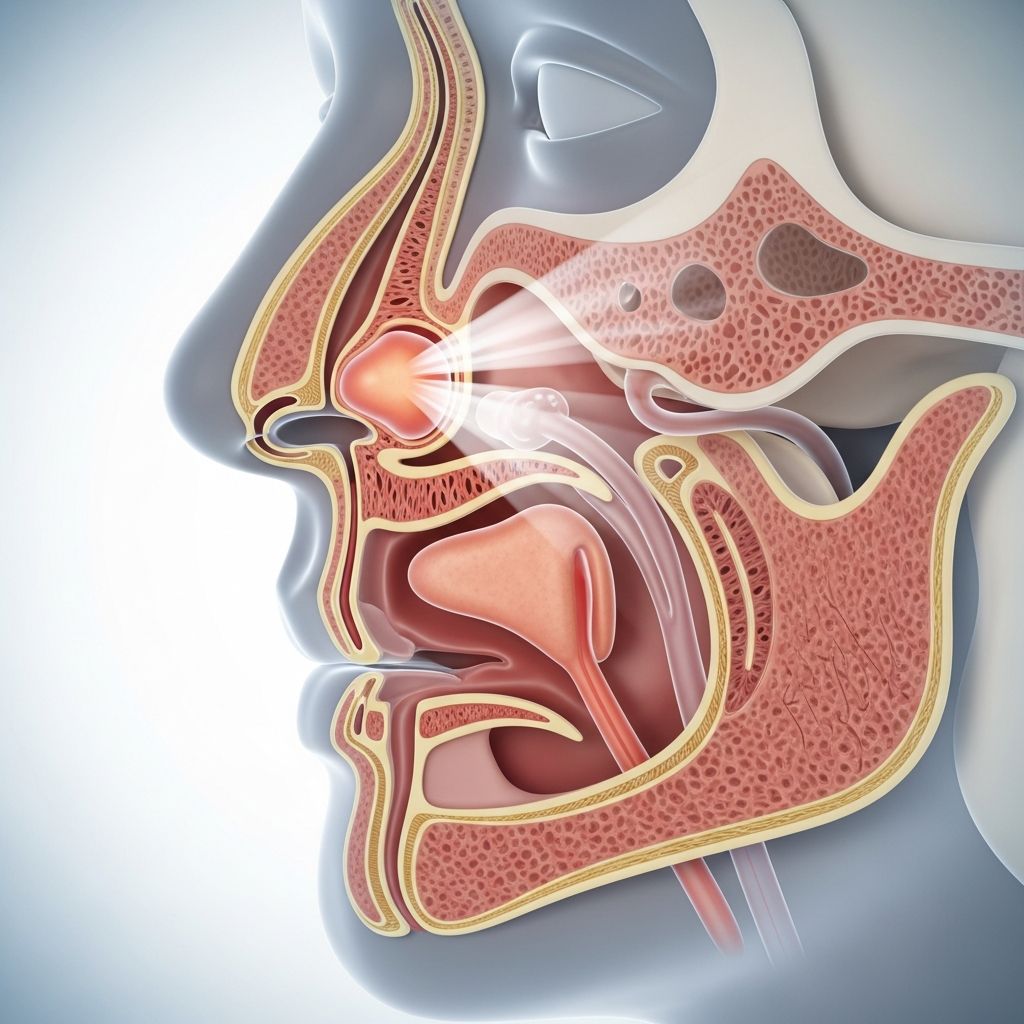
Adenoids are small lumps of tissue located behind your nose in the upper airway, specifically in the nasopharynx region. They are part of your child’s lymphatic system and play an important role in immune function during early childhood. Adenoids work alongside tonsils to help filter out harmful bacteria and viruses that are breathed in, protecting your child’s body from infection and disease.
These lymphatic tissues are similar in structure and function to the palatine tonsils, which are located in the back of the throat. While adenoids serve a protective purpose during childhood, they are considered vestigial organs in adults, meaning they are remnants with little to no functional purpose. Most children’s adenoids naturally begin shrinking around age 7 and are almost completely gone by the teenage years.
The Role of Adenoids in Your Child’s Immune System
During early childhood, adenoids are an active part of your child’s immune defense system. They work to identify and fight off germs such as viruses and bacteria that enter through the respiratory tract. The adenoids contain immune cells that help your body recognize and respond to potential threats.
However, because adenoids are constantly fighting infections, they can become enlarged or swollen. This enlargement is a normal response to infection or allergies, but when it becomes excessive, it can cause various health problems. Research has shown that adenoids serve as a reservoir for potential pathogens, particularly bacteria like Streptococcus pneumoniae, Haemophilus influenzae, and Moraxella catarrhalis, which are common causes of ear infections and sinus infections in children.
When Do Adenoids Become Problematic?
While adenoids are beneficial for immune function, they sometimes become swollen and enlarged to the point where they interfere with normal breathing and other functions. This swelling can be caused by:
- Recurrent infections
- Allergic reactions
- Genetic factors (some children are born with abnormally large adenoids)
- Environmental irritants
When adenoids become enlarged, they can partially obstruct your child’s airway and interfere with sinus drainage, leading to various complications. Enlarged adenoids typically become noticeable in early childhood and may persist until age 7 or later if left untreated.
Common Symptoms of Enlarged Adenoids
Children with enlarged adenoids may experience several noticeable symptoms that affect their daily quality of life. A narrowed airway caused by enlarged adenoids can produce a range of issues requiring medical attention:
- Nasal congestion and stuffiness: Persistent blocked nasal passages
- Mouth breathing: Chronic breathing through the mouth, especially during sleep
- Snoring: Noisy breathing during sleep due to airway obstruction
- Sleep apnea: Short periods when breathing stops during sleep, a serious condition requiring evaluation
- Sleep disturbances: Difficulty falling asleep or staying asleep
- Daytime fatigue: Tiredness and lethargy due to poor sleep quality
- Recurrent ear infections: Blockage of eustachian tubes leads to middle-ear problems
- Recurrent sinus infections: Impaired sinus drainage allows bacteria to accumulate
- Difficulty swallowing: Obstruction of the throat passage
- Speech changes: Nasal quality to voice, often described as a “talking through the nose” quality
- Characteristic facial appearance: Chronic mouth breathing can produce a vacant facial expression
Related Stories



Complications of Untreated Enlarged Adenoids
When enlarged adenoids are left untreated, they can lead to several serious complications. Sleep apnea is particularly concerning, as it involves repeated interruptions in breathing during sleep. In severe cases, this condition can affect your child’s oxygen levels and overall health.
The blockage of eustachian tubes by enlarged adenoids frequently leads to middle-ear infections and fluid buildup, which can potentially affect hearing development and speech development in young children. Chronic obstruction of nasal passages can also interfere with normal facial growth and development, contributing to changes in facial structure over time.
Additionally, enlarged adenoids that obstruct sinus drainage predispose children to recurrent sinusitis, creating a cycle of infection and inflammation that can significantly impact quality of life.
How Are Enlarged Adenoids Diagnosed?
If you suspect your child has enlarged adenoids, your healthcare provider will conduct a thorough evaluation. The diagnostic process typically includes:
- Medical history: Discussion of your child’s symptoms and infection history
- Physical examination: Visual and palpation assessment of the throat area
- Imaging studies: X-rays of the nasopharynx to visualize adenoid size
- Endoscopy: A small camera may be placed in your child’s nose to directly visualize the adenoids and assess airway obstruction
- Sleep study: If sleep apnea is suspected, an overnight sleep study may be recommended to monitor breathing patterns
Based on your child’s symptoms and the appearance of their adenoids on examination, your healthcare provider will recommend appropriate treatment options.
Treatment Options for Enlarged Adenoids
Treatment for enlarged adenoids depends on the severity of symptoms and the underlying cause. Options include both conservative and surgical approaches.
Conservative Management
For mild cases caused by infection, your physician may prescribe antibiotics, particularly penicillin-derived medications, to treat the underlying bacterial infection. Many children improve with antibiotic therapy alone when the enlargement is infection-related rather than structural.
Allergy management through antihistamines or nasal corticosteroids may help reduce inflammation if allergies are contributing to adenoid enlargement. Environmental modifications, such as reducing exposure to irritants or allergens, may also provide relief.
Surgical Treatment: Adenoidectomy
When conservative treatments fail or symptoms are severe, surgical removal of the adenoids (adenoidectomy) may be recommended. While adenoidectomies were once routinely performed, they are now generally reserved for cases where significant symptoms or serious complications are present.
An adenoidectomy is most commonly recommended for children between 1 and 7 years old, as this is when adenoids are typically most problematic and before they naturally begin to shrink. The procedure may be performed alongside tonsillectomy if the tonsils are also enlarged and causing symptoms.
Understanding Adenoidectomy Surgery
What to Expect During Surgery
An adenoidectomy is a quick and straightforward surgical procedure. The surgery typically takes only about 30 minutes to complete. Your child will receive general anesthesia to ensure comfort and safety throughout the procedure.
The surgeon will access the adenoids through your child’s mouth and remove the adenoid tissue from the nasopharynx. In some cases, if a thorough airway evaluation is needed, the surgeon may perform an endoscopy prior to the procedure to assess the child’s airway while sleeping, particularly in cases of suspected sleep apnea.
Recovery Process
After the surgery, members of your child’s care team will take them to the recovery room, where they will wake from anesthesia under close monitoring. Once your child wakes, a provider will ensure they can breathe, cough, and swallow properly.
Most children can go home the same day as their surgery. However, if your healthcare provider wishes to monitor your child more closely, an overnight hospital stay may be recommended.
Your child should recover within one to two weeks following surgery. During this recovery period, they may experience some temporary symptoms, including:
- Sore throat
- Mild discomfort
- Changes in appetite
- Fatigue
- Temporary voice changes
Safety and Risks of Adenoidectomy
An adenoidectomy is considered a safe surgical procedure. Although adenoids are part of your child’s immune system, removing them will not weaken their immune system. Your child’s immune system is highly adaptable and has many other ways to fight off germs and infections.
Research has demonstrated that children without adenoids have immune systems that are just as strong as children with adenoids. In fact, children are often healthier after adenoidectomy because they no longer suffer from the complications of enlarged adenoids, such as recurrent infections and breathing problems.
As with any surgical procedure, there are potential but rare risks associated with adenoidectomy, including infection, bleeding, and anesthesia-related complications. Your surgeon will discuss all possible risks and benefits with you before the procedure.
Recurrence of Adenoids
It is possible for adenoid tissue to grow back after removal, though this is extremely rare. Because adenoids are located deep in the nasal passage, it is impossible to remove all traces of the tissue during surgery. If regrowth occurs and continues to cause problems, your child may need surgery a second time, but this situation happens very infrequently.
Benefits of Adenoidectomy
Children who undergo adenoidectomy often experience significant improvements in their quality of life. After surgery, most children experience:
- Resolution of sleep apnea episodes
- Improved breathing through the nose
- Reduction in snoring
- Better sleep quality and increased energy levels
- Decreased frequency of ear infections
- Reduced sinus infections
- Improved hearing if fluid in ears was present
- Better school performance due to improved sleep and reduced illness
- Enhanced overall quality of life and family functioning
Almost all children have a full recovery after adenoidectomy and go on to live healthier lives with far fewer breathing and ear problems.
Adenoidectomy: One of the Most Common Pediatric Surgeries
Adenoid removal is extremely common and ranks among the most frequently performed surgeries in children. Many families discover that adenoidectomy provides tremendous relief for their children who have been struggling with the effects of enlarged adenoids.
The procedure’s combination of safety, effectiveness, quick recovery time, and same-day discharge make it an accessible option for families seeking relief from their child’s symptoms.
Frequently Asked Questions
Q: At what age are adenoids most problematic?
A: Adenoids typically become most problematic between ages 1 and 7 years old. They naturally begin shrinking around age 7 and are almost completely gone by the teenage years.
Q: Will removing adenoids weaken my child’s immune system?
A: No. Although adenoids are part of the immune system, their removal does not weaken immune function. Your child’s immune system is highly adaptable and will function just as well without adenoids.
Q: Can enlarged adenoids be treated without surgery?
A: Yes, mild cases caused by infection may respond to antibiotics or allergy management. Surgery is typically reserved for cases with severe symptoms or complications that haven’t improved with conservative treatment.
Q: How long does the adenoidectomy surgery take?
A: The surgery typically takes about 30 minutes to complete. Most children can go home the same day.
Q: What is the recovery time after adenoidectomy?
A: Most children recover within one to two weeks following surgery. Full healing typically occurs within this timeframe, though some mild symptoms like throat soreness may persist for about a week.
Q: Can adenoids grow back after removal?
A: Yes, it is possible for adenoid tissue to regrow, but this is extremely rare. If regrowth occurs and causes problems, a second surgery may occasionally be needed.
References
- Adenoidectomy (Adenoid Removal): Surgery & Recovery — Cleveland Clinic. 2023-01-23. https://my.clevelandclinic.org/health/treatments/15447-adenoidectomy-adenoid-removal
- The Adenoids but Not the Palatine Tonsils Serve as a Reservoir for Potential Pathogens — National Center for Biotechnology Information (NCBI). 2019. https://pmc.ncbi.nlm.nih.gov/articles/PMC6372837/
- Adenoids — Britannica. https://www.britannica.com/science/adenoids
- Removing Tonsils and Adenoids: Right for Your Child? — Cleveland Clinic Health. https://health.clevelandclinic.org/removing-tonsils-and-adenoids-right-for-your-child
- Adenoids — EBSCO Research Starters Consumer Health. https://www.ebsco.com/research-starters/consumer-health/adenoids
Similar Articles








Read full bio of medha deb