Adenomas: Types, Symptoms, And Treatment Guide
Understanding adenomas: benign growths, diagnosis methods, and effective treatment options.
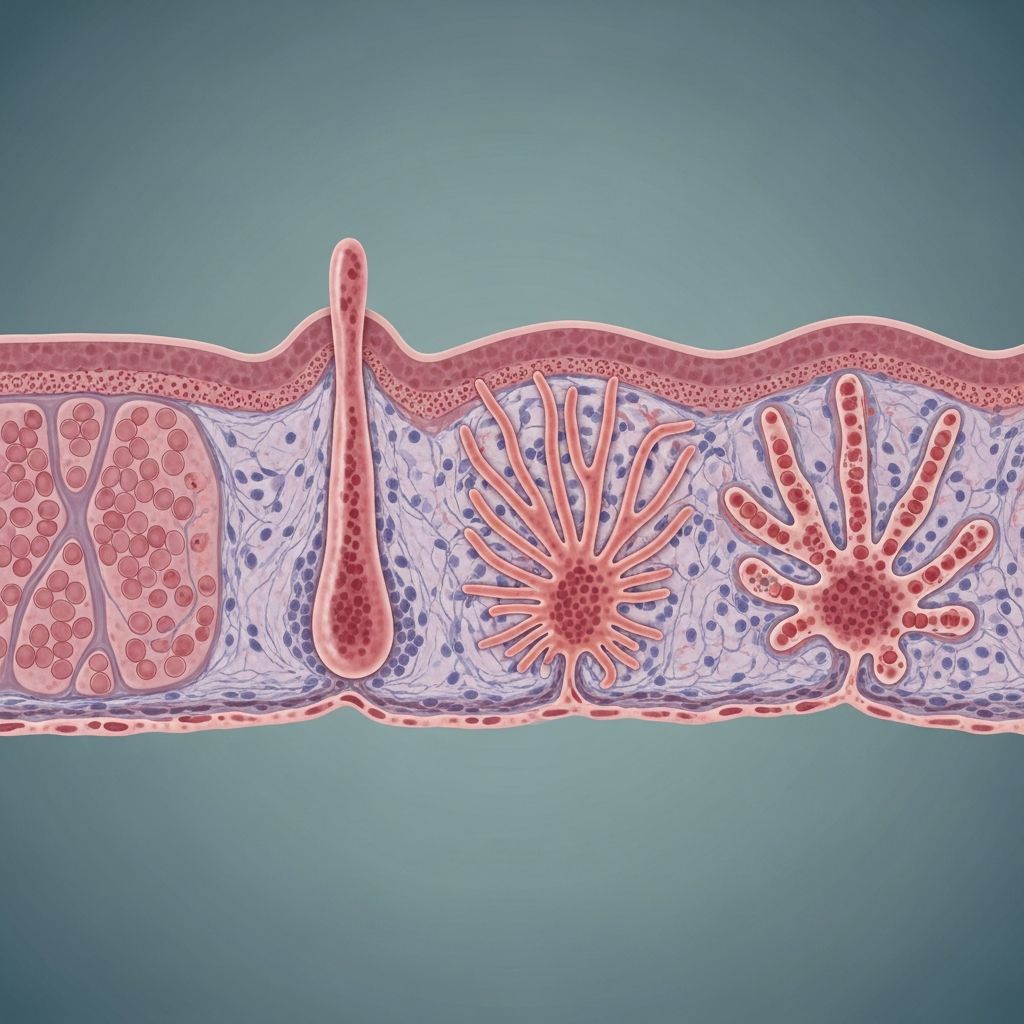
Adenomas are noncancerous tumors that develop in the tissue lining your glands and organs. These benign growths are among the most commonly diagnosed tumors in medical practice. While adenomas are not cancerous, they require proper evaluation and monitoring to ensure they don’t cause complications or develop into cancer. Understanding what adenomas are, how they form, and what treatment options are available can help you make informed decisions about your health.
What Are Adenomas?
Adenomas are benign (noncancerous) tumors that originate in the epithelial tissue of glands and organs throughout the body. These growths can develop in various locations, including the colon, thyroid, pituitary gland, adrenal glands, liver, and parathyroid glands. Unlike malignant tumors, adenomas grow slowly and do not spread to other parts of the body.
The key characteristic of adenomas is that they arise from glandular tissue, which is responsible for producing and releasing substances such as hormones, enzymes, and mucus. The majority of adenomas remain small and asymptomatic throughout a person’s lifetime, though some may grow larger and require intervention.
Common Types of Adenomas
Adenomas can occur in numerous locations throughout the body. Here are the most common types:
Colorectal Adenomas
Colorectal adenomas, also known as colon polyps, are among the most frequently detected adenomas. These growths develop in the lining of the colon and rectum. While most colorectal adenomas remain benign, some can potentially develop into colorectal cancer if left untreated. Regular colonoscopy screening is highly effective for detecting and removing these adenomas before complications arise.
Thyroid Adenomas
Thyroid adenomas are benign tumors that form in the thyroid gland. These growths are quite common and are often discovered incidentally during imaging procedures performed for other reasons. Most thyroid adenomas do not cause symptoms and do not affect thyroid function.
Pituitary Adenomas
Pituitary adenomas are benign tumors that develop in the pituitary gland, a small gland located at the base of the brain. These adenomas account for approximately 10-15% of all brain tumors. Depending on their size and hormone production, pituitary adenomas may cause hormonal imbalances and various symptoms.
Adrenal Adenomas
Adrenal adenomas are benign tumors that form in the adrenal glands, small glands situated on top of the kidneys. These are the most common type of adrenal gland tumors. Adrenal adenomas may be either nonfunctioning (not producing excess hormones) or functioning (producing excess hormones).
Parathyroid Adenomas
Parathyroid adenomas develop in one or more of the four parathyroid glands located in the neck. These adenomas often lead to hyperparathyroidism, a condition characterized by elevated calcium levels in the blood.
Liver Adenomas
Liver adenomas are benign tumors that develop in liver tissue. These growths are often discovered incidentally during imaging procedures and typically do not cause symptoms unless they become very large.
Symptoms of Adenomas
Most adenomas are asymptomatic and do not cause noticeable symptoms. However, the presentation of symptoms depends on the location, size, and type of adenoma. Some adenomas become symptomatic only when they grow large enough to press on nearby tissues or organs.
Related Stories



Symptoms vary significantly based on adenoma location:
– Colorectal adenomas: Blood in stool, changes in bowel habits, abdominal discomfort- Pituitary adenomas: Vision problems, headaches, hormonal imbalances, fatigue, muscle weakness- Thyroid adenomas: Neck lumps, difficulty swallowing, voice changes, weight changes- Adrenal adenomas: High blood pressure, excessive sweating, rapid heartbeat, muscle weakness- Liver adenomas: Abdominal pain, bloating, feeling of fullness
Diagnosis and Evaluation
Accurate diagnosis is essential for determining the appropriate treatment plan for adenomas. Your healthcare provider will perform a comprehensive evaluation that includes a physical examination, review of your medical history, and specialized tests.
Imaging Tests
Imaging studies play a crucial role in detecting and characterizing adenomas:
– CT Scans: Provide detailed cross-sectional images of organs and tissues, particularly useful for adenomas in the liver, adrenal glands, and pituitary gland- MRI: Offers detailed soft tissue imaging, especially valuable for pituitary and neurological adenomas- Ultrasound: Commonly used to detect growths in the thyroid and liver- Colonoscopy: The gold standard for detecting and evaluating colorectal adenomas
Biopsy
A biopsy may be performed to definitively confirm the presence of an adenoma and rule out malignancy. During this procedure, your healthcare provider takes a small tissue sample and sends it to a laboratory for microscopic examination. The laboratory analyzes the sample and determines whether the growth is benign or has potential to become cancerous.
Laboratory Tests
For certain adenomas, blood and hormone level tests may be ordered to assess whether the adenoma is secreting excess hormones. These tests help determine if the adenoma is functioning or nonfunctioning.
Specialized Imaging
Additional specialized tests such as adrenal vein sampling or metaiodobenzylguanidine (MIBG) scans may be used for specific adenoma types. For parathyroid adenomas, presurgical imaging tests including sestamibi scans help locate overactive glands.
Treatment Options
Treatment for adenomas depends on several factors, including size, growth rate, location, symptoms, and whether the adenoma is producing excess hormones. Your healthcare provider will develop a personalized treatment plan based on your specific situation.
Watch-and-Wait Approach
If your adenoma is small, asymptomatic, and not secreting excess hormones, your healthcare provider may recommend a “watch-and-wait” approach. This conservative strategy involves regular monitoring through periodic imaging tests, such as CT scans or ultrasounds, to ensure the adenoma does not increase in size or become functional. Most adenomas that remain stable require no immediate intervention.
Medication
For functioning adenomas that produce excess hormones, medication may be prescribed to manage symptoms and normalize hormone levels. For example, medications can help control hormone-related symptoms while you decide on other treatment options.
Surgical Removal
Surgery is recommended for adenomas that are large, growing rapidly, causing symptoms, or have risk factors for malignancy. Surgical options include:
– Endoscopic Resection: Used for colorectal adenomas, where a flexible tube with a camera removes polyps during colonoscopy- Minimally Invasive Surgery: Involves smaller incisions, shorter operative time, and fewer complications compared to traditional open surgery. This approach is effective for adenomas in the parathyroid, pituitary, thyroid, and adrenal glands- Open Surgical Excision: Used for larger adenomas or when minimally invasive approaches are not suitable, particularly for liver, pituitary, or thyroid adenomas
For parathyroid adenomas specifically, minimally invasive parathyroidectomy has become widely accepted and offers excellent cure rates. Surgeons use intraoperative parathyroid hormone monitoring to confirm successful removal.
Surgical Considerations and Recovery
The surgical approach for adenoma removal depends on the adenoma’s location, size, and characteristics. Presurgical imaging tests are ordered several weeks before surgery to precisely locate the adenoma and plan the surgical approach.
During parathyroid adenoma surgery, for example, intraoperative monitoring of parathyroid hormone levels guides the surgeon. Successful removal results in dramatic drops in parathyroid hormone levels within 10 to 20 minutes. If hormone levels do not drop appropriately, the surgeon may switch to open-neck surgery to identify additional adenomas.
All surgeries carry potential risks, including infection, bleeding, nerve damage, and anesthesia complications. However, cure rates for both minimally invasive and open-neck surgical approaches are similar.
Prevention and Screening
Regular screening is instrumental in detecting adenomas early, allowing for timely intervention before complications develop. Screening recommendations vary based on adenoma type and individual risk factors:
– Colorectal Adenomas: Colonoscopy screening is highly effective and recommended for adults beginning at age 45-50, with surveillance intervals extended to every 5 years if small adenomas are found- Thyroid Adenomas: Regular physical exams and ultrasound monitoring help track growth- Other Adenomas: Periodic imaging with MRI, CT scans, or ultrasounds helps monitor adenomas in organs such as the liver, thyroid, pituitary, and adrenal glands
Prognosis and Outlook
The outlook for adenomas is generally very good. Many types of adenomas respond well to treatment and do not turn into cancer. The prognosis depends on several factors:
– Size and growth rate of the adenoma- Location and accessibility for treatment- Whether the adenoma is functioning or nonfunctioning- Individual patient factors and overall health- Compliance with follow-up monitoring and treatment
With appropriate treatment and regular follow-up care, most patients experience excellent long-term outcomes. Nonfunctioning adenomas that remain stable typically do not affect life expectancy or quality of life.
Living with an Adenoma
If you have been diagnosed with an adenoma, several strategies can help you manage your condition effectively:
– Attend all scheduled follow-up appointments and imaging studies- Keep detailed records of any symptoms that develop- Maintain open communication with your healthcare provider about concerns- Follow medication regimens prescribed for hormonal management- Adopt healthy lifestyle habits including proper diet and exercise- Participate in recommended screening programs
Frequently Asked Questions
Q: Can adenomas turn into cancer?
A: Most adenomas remain benign throughout a person’s lifetime and do not develop into cancer. However, some adenomas, particularly colorectal adenomas, have the potential to become malignant if left untreated. Regular screening and appropriate treatment significantly reduce this risk.
Q: How often should I have imaging if I have an asymptomatic adenoma?
A: The frequency of imaging depends on the adenoma’s characteristics, including size, location, and growth rate. Your healthcare provider will determine an appropriate monitoring schedule. Many stable, small adenomas require monitoring only once every 1-2 years.
Q: Are there lifestyle changes that can help prevent adenomas?
A: While adenomas cannot always be prevented, maintaining a healthy lifestyle may reduce risk. For colorectal adenomas specifically, a diet high in fiber, regular exercise, maintaining a healthy weight, limiting alcohol consumption, and avoiding tobacco products may be beneficial.
Q: What is the difference between a functioning and nonfunctioning adenoma?
A: A nonfunctioning adenoma does not produce excess hormones and typically does not cause hormonal symptoms. A functioning adenoma secretes excessive hormones, which can cause various symptoms and hormonal imbalances requiring treatment.
Q: Is surgery always necessary for adenomas?
A: No, surgery is not always necessary. Small, asymptomatic adenomas are often managed with a watch-and-wait approach involving regular monitoring. Surgery is typically recommended for large adenomas, rapidly growing tumors, or those causing symptoms.
Q: What are the risks associated with adenoma surgery?
A: Surgical risks vary depending on the procedure and adenoma location but may include infection, bleeding, nerve damage, anesthesia complications, and hormonal imbalances. Minimally invasive approaches generally carry fewer risks than open surgery.
References
- Adenomas: Types, Symptoms & Treatment — Cleveland Clinic. 2024. https://my.clevelandclinic.org/health/diseases/21477-adenomas
- Adrenal Adenoma: What It Is, Symptoms & Treatment — Cleveland Clinic. 2024. https://my.clevelandclinic.org/health/diseases/17769-adrenal-adenoma
- Pituitary Adenomas: Definition, Symptoms & Treatment — Cleveland Clinic. 2024. https://my.clevelandclinic.org/health/diseases/15328-pituitary-adenomas
- Adenoma: Causes, Symptoms and Best Treatment Options — Rupa Health. 2024. https://www.rupahealth.com/post/adenoma-causes-symptoms-and-best-treatment-options
- Parathyroid Adenoma: Diagnosis and Treatment — Cleveland Clinic Abu Dhabi. 2024. https://www.clevelandclinicabudhabi.ae/en/health-hub/health-resource/diseases-and-conditions/parathyroid-adenoma
- Colorectal cancer screening: Making sense of the different guidelines — Cleveland Clinic Journal of Medicine. 2001. https://www.ccjm.org/content/ccjom/66/5/303.full.pdf
- Pituitary adenomas: Symptoms, therapy & specialists — Primo Medico. 2024. https://www.primomedico.com/en/treatment/pituitary-adenomas/
Similar Articles








Read full bio of medha deb