Adenomyosis: Causes, Symptoms, Diagnosis and Treatment
Understanding adenomyosis: comprehensive guide to symptoms, diagnosis, and effective treatment options.
Understanding Adenomyosis: A Complete Guide
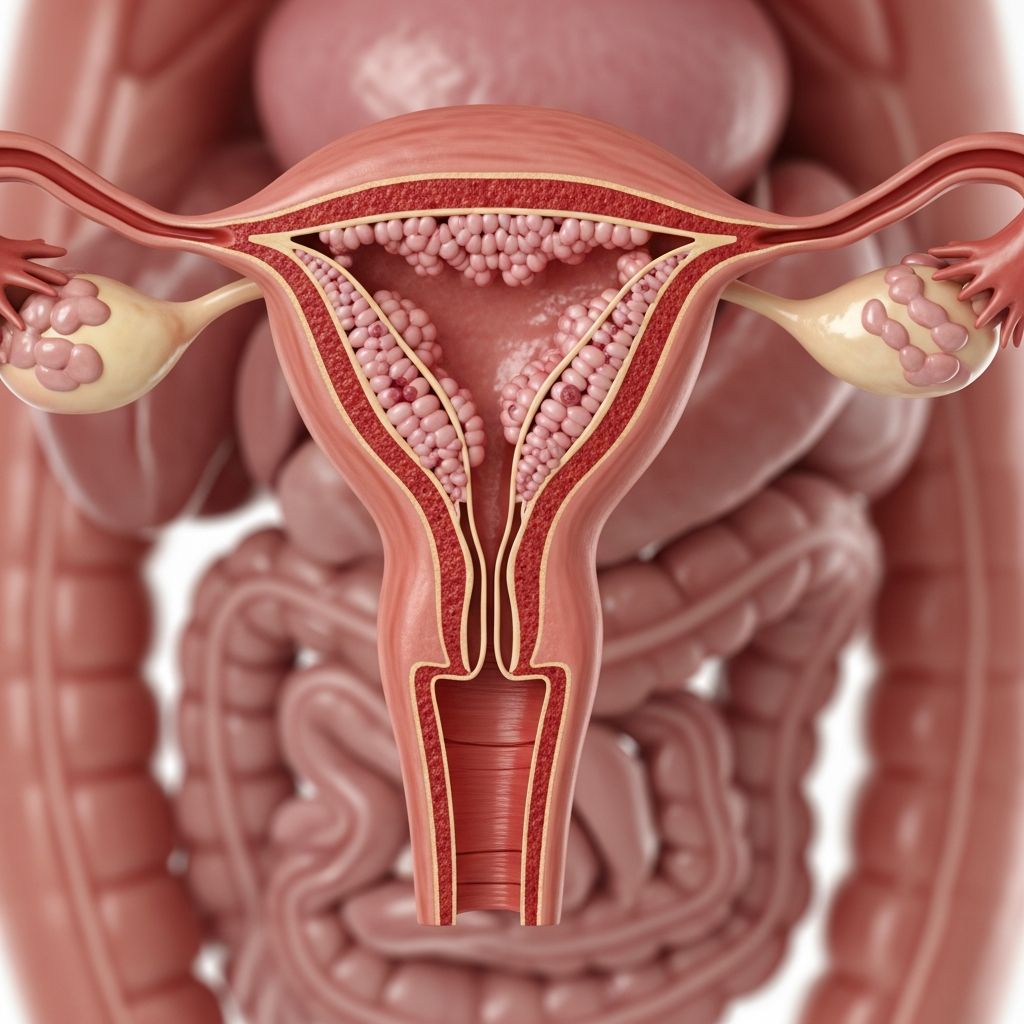
Adenomyosis is a benign uterine condition that affects countless women, causing significant disruption to their daily lives and future plans. This condition occurs when the endometrial tissue—the inner lining of the uterus—breaks through the myometrium, which is the muscular wall of the uterus. The result is tissue where it shouldn’t be, leading to a range of uncomfortable symptoms that can impact everything from work performance to family planning.
For many women, adenomyosis manifests as debilitating menstrual cramps, heavy periods, and pelvic pain that can make even simple daily activities feel impossible. Beyond the physical symptoms, the condition can create emotional stress, particularly for women hoping to become pregnant. Understanding this condition is the first step toward finding relief and reclaiming your quality of life.
What Is Adenomyosis?
Adenomyosis is characterized by the presence of ectopic endometrial glands and stroma within the underlying myometrium. In simpler terms, the tissue lining the inside of your uterus (endometrium) grows into the muscle wall of the uterus (myometrium). This abnormal tissue growth creates adenomyomas—growths of abnormal tissue or nodules—throughout the uterine wall.
The condition is considered benign, meaning it is not cancerous. However, its effects on quality of life can be severe. Adenomyosis can occur throughout the uterus in a diffuse pattern, or it may be localized to specific areas in a focal pattern. Understanding the extent and location of adenomyosis is crucial for determining the most appropriate treatment approach.
Recognizing the Symptoms
The symptoms of adenomyosis vary widely among women, ranging from mild to severe. Some women may experience minimal symptoms, while others face debilitating pain and heavy bleeding that significantly interferes with their daily activities.
Common symptoms include:
- Heavy menstrual bleeding or menorrhagia
- Severe menstrual cramps or dysmenorrhea
- Chronic pelvic pain, especially during menstruation
- Bloating and abdominal discomfort
- Feelings of heaviness or fullness in the abdomen
- Pain during sexual intercourse (dyspareunia)
- Prolonged menstrual periods
- Fatigue due to blood loss
Many women describe the experience as clutching their middle in pain or finding themselves unable to perform routine tasks during their menstrual cycle. Some women also report concerns about their ability to become pregnant, as adenomyosis may affect fertility outcomes.
Causes and Risk Factors
While the exact cause of adenomyosis remains not completely understood, several theories and risk factors have been identified by medical researchers. The condition appears to result from a combination of factors rather than a single cause.
Potential contributing factors include tissue injury from medical procedures such as dilation and curettage (D&C), uterine artery embolization, or cesarean delivery. Hormonal abnormalities, particularly involving estrogen and progesterone receptors, may also play a role. Additionally, inflammation of the endometrium and abnormal uterine contractions may contribute to the development of adenomyosis.
Women who have had children, undergone uterine procedures, or experienced endometriosis appear to have a higher risk of developing adenomyosis. The condition typically affects women in their 40s and 50s, though it can occur at any reproductive age.
Related Stories



Diagnostic Techniques and Imaging
Accurate diagnosis of adenomyosis is essential for developing an effective treatment plan. Modern diagnostic techniques have made it possible to detect adenomyosis non-invasively, allowing for earlier clinical detection of the disease.
Transvaginal Ultrasound (TVUS)
Transvaginal ultrasound is one of the primary diagnostic tools for adenomyosis. During this procedure, a slender probe covered with a plastic sleeve and lubricating gel is gently inserted into the vagina. The probe sends sound waves throughout your pelvis, and the ultrasound machine uses these sound waves to create detailed images of your uterus. This three-dimensional imaging allows specialists to identify adenomyomas and assess the extent of adenomyosis. Transvaginal ultrasound has demonstrated similar sensitivities and specificities to MRI in detecting adenomyosis.
Magnetic Resonance Imaging (MRI)
Pelvic MRI is an advanced imaging test that uses magnets and radio waves to create detailed images of your pelvis and uterus. MRI is particularly valuable for identifying adenomyosis and can provide a comprehensive view of the condition’s extent. One of the most important MRI findings for adenomyosis diagnosis is the presence of junctional zone (JZ) thickening greater than 12 millimeters. Additionally, high-intensity myometrial foci on T2 or T1 weighted images can indicate adenomyosis. MRI and transvaginal ultrasound are increasingly being used to identify adenomyotic lesions and to plan subsequent treatment strategies.
Hysteroscopy
Hysteroscopy is an in-office procedure that allows your healthcare provider to see inside your uterus directly. During this examination, a hysteroscope—a thin tube with a camera and light at its tip—is inserted into the vagina and advanced through the cervix into the uterine cavity. The camera sends real-time images to a monitor, allowing your provider to inspect the lining of your uterus carefully. This in-depth visualization helps determine not only whether you have adenomyosis but also how advanced the condition is and what type of treatment would be most appropriate for your situation.
Classification Systems
Several classification systems have been proposed to categorize adenomyosis based on different features such as the depth of invasion, the extent of involvement, and the location of lesions. These systems consider factors such as the affected area (internal or external myometrium), the pattern of involvement (diffuse or focal), the size of affected tissue, localization within the uterus, and concomitant pathologies such as endometriosis or uterine fibroids. While these classification systems help guide treatment decisions, there is currently no single universally adopted standard, though ongoing research continues to refine diagnostic and classification approaches.
Treatment Options for Adenomyosis
Treatment for adenomyosis should be individualized based on your symptoms, severity of the condition, and your goals for the future, particularly regarding fertility. Your healthcare provider will work with you to develop a treatment plan that fits your life and addresses your specific concerns.
Medication and Medical Management
For many women, medication offers an effective first-line approach to managing adenomyosis symptoms. Several medication options can help relieve pain and reduce heavy bleeding.
Common medications include:
- Nonsteroidal anti-inflammatory drugs (NSAIDs) such as ibuprofen or naproxen to reduce pain and inflammation
- Hormonal contraceptives including birth control pills, patches, or rings to regulate menstrual bleeding
- Progestin-only methods such as the intrauterine device (IUD) or injection to suppress endometrial growth
- Gonadotropin-releasing hormone (GnRH) agonists to temporarily suppress estrogen production
- Other medications specifically designed to address adenomyosis symptoms
Your healthcare provider will recommend medications based on your medical history, other health conditions, and your response to initial treatment.
Endometrial Ablation
When adenomyosis is confined to one area or isn’t too deep in the uterine wall, endometrial ablation may be recommended. This minimally invasive procedure uses thermal or other energy sources to destroy the uterine lining. During the procedure, surgeons insert a probe that delivers energy to ablate the endometrial tissue, which can significantly reduce or eliminate menstrual bleeding. However, it’s important to note that endometrial ablation reduces menstrual bleeding but doesn’t address the underlying adenomyosis. If you plan to have children in the future, discuss how this procedure might affect your fertility with your healthcare provider before proceeding.
Hysterectomy
If your adenomyosis symptoms are severe and you do not wish to become pregnant, a hysterectomy may be recommended. A hysterectomy is the surgical removal of the uterus and is the only definitive cure for adenomyosis, as it removes the affected tissue completely. Your surgeon may remove only the uterus, or the uterus and cervix (the canal connecting your uterus and vagina). There is typically no need to remove your ovaries and fallopian tubes.
Modern hysterectomy techniques are minimally invasive, which means less pain, shorter recovery times, and reduced risk of complications compared to traditional open surgery. Options include:
- Laparoscopic hysterectomy, performed with several small incisions and guided by a camera
- Robotic-assisted hysterectomy for enhanced precision and control
- Vaginal hysterectomy, where the uterus is removed through the vagina without abdominal incisions
- Traditional abdominal hysterectomy with a larger incision on the lower abdomen (used when necessary)
Fertility-Preserving Treatments
If you hope to become pregnant in the future, your healthcare team will prioritize uterine-sparing treatments that preserve your ability to conceive. In most cases, uterine-sparing treatment options can help manage adenomyosis while maintaining fertility potential. If you plan to become pregnant, you may meet with fertility specialists to determine the best adenomyosis treatment strategy for your individual situation. These specialists can discuss options such as advanced medical management, minimally invasive surgical techniques, and assisted reproductive technologies if needed.
Managing Adenomyosis at Home
In addition to medical treatments prescribed by your doctor, several self-care strategies can help you manage adenomyosis symptoms and improve your quality of life:
- Apply heating pads or warm compresses to your lower abdomen during menstruation to relieve cramping pain
- Soak in warm baths to relax your muscles and reduce discomfort
- Maintain regular exercise and physical activity to reduce pain and improve overall well-being
- Practice stress-reduction techniques such as meditation, yoga, or deep breathing
- Maintain a healthy diet rich in anti-inflammatory foods
- Stay hydrated and limit caffeine and alcohol consumption
- Track your symptoms and menstrual cycle to identify patterns and triggers
When to Seek Medical Care
You should schedule an appointment with your healthcare provider if you experience:
- Extremely heavy menstrual periods that require changing protection frequently
- Severely painful menstrual cramps that interfere with daily activities
- Chronic pelvic pain between periods
- Pain during or after sexual intercourse
- Feelings of heaviness or fullness in your abdomen
- Difficulty becoming pregnant after one year of trying (or six months if over age 35)
- Any other menstrual or gynecological symptoms that concern you
Frequently Asked Questions About Adenomyosis
Q: Can adenomyosis affect my ability to get pregnant?
A: Yes, adenomyosis may affect fertility outcomes. Studies indicate that the condition can impact pregnancy rates. However, many women with adenomyosis do become pregnant successfully, especially when receiving appropriate treatment. If you’re concerned about fertility, discuss this with your healthcare provider or a fertility specialist.
Q: Is adenomyosis the same as endometriosis?
A: No, adenomyosis and endometriosis are different conditions. While both involve endometrial tissue in abnormal locations, adenomyosis occurs within the uterine muscle, while endometriosis involves tissue outside the uterus. However, some women have both conditions simultaneously.
Q: Can adenomyosis be prevented?
A: There is no proven way to prevent adenomyosis. However, minimizing uterine trauma during medical procedures and managing other gynecological conditions may reduce risk.
Q: How long does it take to recover from adenomyosis surgery?
A: Recovery time depends on the type of procedure performed. Minimally invasive procedures typically involve recovery times of one to two weeks, while traditional surgery may require four to six weeks for full recovery.
Q: Will my adenomyosis come back after treatment?
A: This depends on the type of treatment. Hysterectomy is the only definitive cure, as it removes the affected tissue completely. Other treatments may provide symptom relief, but adenomyosis can potentially recur or worsen over time without the uterus being removed.
Q: What should I expect during a diagnostic ultrasound for adenomyosis?
A: During a transvaginal ultrasound, a thin probe is gently inserted into the vagina to obtain detailed images of your uterus. The procedure is typically painless or causes minimal discomfort and usually takes 15-30 minutes to complete.
References
- Uterine Adenomyosis – Gynecology and Obstetrics — Merck Manuals. 2024. https://www.merckmanuals.com/professional/gynecology-and-obstetrics/miscellaneous-gynecologic-disorders/uterine-adenomyosis
- Adenomyosis: An Updated Review on Diagnosis and Classification — National Center for Biotechnology Information (NCBI). 2023. https://pmc.ncbi.nlm.nih.gov/articles/PMC10381628/
- Adenomyosis Treatment and Expertise — Cleveland Clinic. 2024. https://my.clevelandclinic.org/services/adenomyosis-treatment
- Adenomyosis: Symptoms, Causes, and Treatments — WebMD. 2024. https://www.webmd.com/women/adenomyosis-symptoms-causes-treatments
- How Adenomyosis Causes Painful Periods — Cleveland Clinic Health. 2024. https://health.clevelandclinic.org/this-little-known-gynecological-condition-can-cause-heavy-painful-periods
Similar Articles








Read full bio of medha deb