Adenomyosis: Causes, Symptoms, and Treatment Options
Understanding adenomyosis: A comprehensive guide to symptoms, diagnosis, and effective treatment strategies.
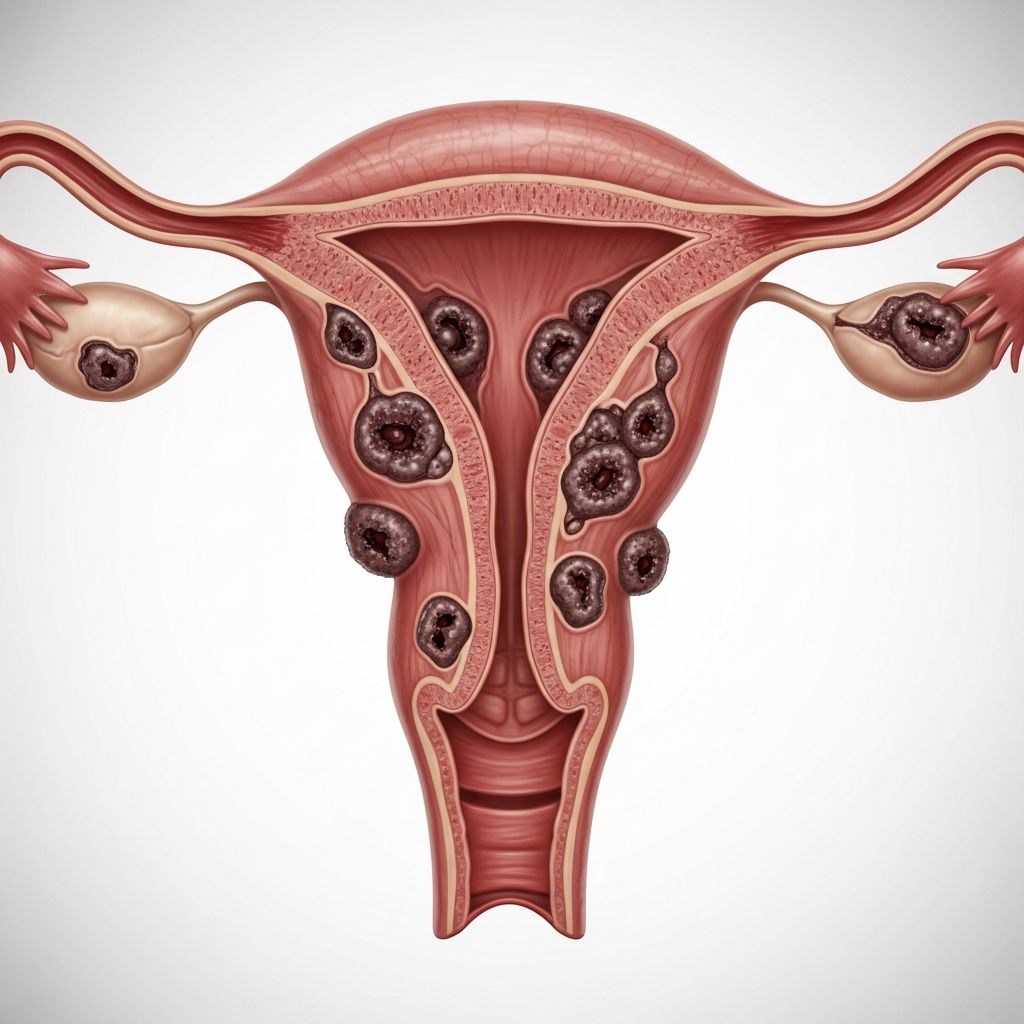
Understanding Adenomyosis
Adenomyosis is a benign uterine condition in which the tissue lining the uterus, called the endometrium, grows into the muscular wall of the uterus, known as the myometrium. This abnormal tissue growth causes the uterus to become enlarged and thickened, leading to a variety of symptoms that can significantly impact a woman’s quality of life. While adenomyosis is not life-threatening, it can cause considerable discomfort and may affect fertility in some cases. The condition is distinct from endometriosis, though the two conditions can sometimes occur together.
During a normal menstrual cycle, the endometrium thickens in preparation for pregnancy, and if fertilization does not occur, it breaks down and bleeds, resulting in menstruation. In adenomyosis, the endometrial tissue that has invaded the myometrium also thickens and bleeds, but because it is trapped within the uterine muscle, the blood cannot escape easily. This creates inflammation, pain, and can contribute to the heavy menstrual bleeding characteristic of the condition.
Symptoms of Adenomyosis
The symptoms of adenomyosis vary widely among affected individuals. Approximately one-third of women with adenomyosis experience no symptoms at all and may not even realize they have the condition. For those who do experience symptoms, they typically begin to appear between the ages of 40 and 50, though adenomyosis can occur at any age during a woman’s reproductive years.
The most common symptoms of adenomyosis include:
- Heavy or prolonged menstrual bleeding
- Severe menstrual cramps and sharp pelvic pain during periods
- Persistent pelvic pain that may extend beyond menstruation
- Painful intercourse, known as dyspareunia
- Abdominal pressure, bloating, and tenderness in the lower abdomen
- A feeling of fullness or heaviness in the pelvic region
The severity of symptoms often correlates with the number of adenomyotic lesions and the depth of invasion into the uterine muscle. For some women, adenomyosis symptoms can be mild and manageable, while for others, the pain and bleeding significantly interfere with daily activities, work, and relationships.
Causes and Risk Factors
The exact cause of adenomyosis remains unclear, though researchers have proposed several theories to explain how the condition develops. One prominent theory suggests that adenomyosis results from the disruption of the normal boundary between the endometrium and myometrium, allowing endometrial cells to invade deeper into the uterine muscle. This invasion is thought to be triggered by chronic inflammation and increased uterine contractions during menstruation.
Another theory proposes that adenomyosis develops from stem cells or bone marrow-derived cells that migrate to the uterine muscle. Additionally, some research suggests that abnormal expression of estrogen and progesterone receptors in the endometrium may contribute to the condition’s development. Estrogen plays a particularly important role in adenomyosis, as it promotes endometrial tissue growth and proliferation.
While specific risk factors for adenomyosis are not definitively established, certain conditions and circumstances may increase the likelihood of developing the disease. These include advancing age, multiparity, uterine procedures such as dilation and curettage (D&C), uterine artery embolization, and the presence of other uterine conditions such as endometriosis or uterine fibroids. Women who have experienced repeated miscarriages or have undergone endometrial ablation may also have a higher risk.
Related Stories



Diagnosis and Evaluation
Historically, adenomyosis could only be definitively diagnosed through histologic examination of uterine tissue obtained during hysterectomy. However, modern imaging techniques have made non-invasive diagnosis possible, allowing physicians to identify adenomyosis without requiring surgery.
Transvaginal Ultrasound
Transvaginal ultrasound is often the first imaging modality used to evaluate suspected adenomyosis. This technique involves inserting a small ultrasound probe into the vagina to obtain detailed images of the uterus. Characteristic findings on ultrasound that suggest adenomyosis include globular uterine enlargement, heterogeneous myometrial echotexture, and the presence of small cystic spaces within the myometrium.
Magnetic Resonance Imaging (MRI)
Magnetic resonance imaging is considered highly sensitive and specific for diagnosing adenomyosis. MRI can provide detailed images of the uterine structure and clearly demonstrate the invasion of endometrial tissue into the myometrium. T2-weighted MRI images are particularly useful for identifying junctional zone abnormalities and myometrial adenomyosis. MRI is especially helpful in complex cases and when adenomyosis coexists with other uterine pathology such as fibroids.
Clinical Evaluation
Diagnosis of adenomyosis also involves a thorough medical history and physical examination. Physicians will inquire about the patient’s menstrual history, the severity and duration of symptoms, and any previous uterine procedures or pregnancy complications. During the pelvic examination, the uterus may feel enlarged, boggy, or tender. However, these physical findings alone are not sufficient for diagnosis and must be correlated with imaging findings.
Complications of Untreated Adenomyosis
When adenomyosis is left untreated, it can lead to several significant complications that negatively impact a woman’s health and well-being. Understanding these potential complications underscores the importance of seeking appropriate medical care and treatment.
- Chronic Iron-Deficiency Anemia: The prolonged heavy menstrual bleeding associated with adenomyosis can lead to chronic blood loss, resulting in iron-deficiency anemia. Symptoms of anemia include fatigue, weakness, shortness of breath, dizziness, and pale skin.
- Chronic Pelvic and Abdominal Pain: Untreated adenomyosis can result in persistent pelvic pain that extends beyond the menstrual period, significantly affecting quality of life and daily functioning.
- Infertility: Adenomyosis can impair fertility by affecting the uterine environment and making it more difficult for an embryo to implant into the uterine lining. Women with adenomyosis may have lower rates of successful pregnancy.
- Miscarriage: The inflammatory microenvironment created by adenomyosis may increase the risk of miscarriage once pregnancy is achieved.
- Psychological and Emotional Impact: The chronic pain, heavy bleeding, and fertility challenges associated with adenomyosis can lead to depression, anxiety, and reduced quality of life.
Treatment Options for Adenomyosis
Treatment of adenomyosis should be individualized based on the patient’s symptoms, age, desire for future fertility, and response to previous treatments. A stepwise approach beginning with conservative medical therapy and progressing to more invasive interventions is generally recommended.
Symptomatic Management
For women with mild symptoms, simple measures can provide relief. These include soaking in warm baths, applying heating pads to the lower abdomen, and using over-the-counter pain relievers. These self-care strategies can help manage pain and discomfort associated with menstrual cramping.
Nonsteroidal Anti-Inflammatory Drugs (NSAIDs)
NSAIDs such as ibuprofen and naproxen are among the first-line medical treatments for adenomyosis. These medications work by inhibiting cyclooxygenase enzymes, which reduces the production of prostaglandins—hormones that trigger uterine muscle contractions and cause pain. NSAIDs are most effective when started one to two days before menstruation begins and continued through the first few days of bleeding. They help reduce both menstrual pain and heavy bleeding.
Hormonal Therapies
Hormonal treatments are central to medical management of adenomyosis and work by reducing estrogen levels or altering the endometrial response to hormones. Treatment options include:
- Hormonal Birth Control: Combined estrogen-progestin birth control pills, patches, and vaginal rings can help reduce heavy bleeding and menstrual pain. Some formulations designed for continuous use can eliminate periods entirely, providing significant symptom relief.
- Progestin-Only Contraception: Intrauterine devices (IUDs) that release levonorgestrel are particularly effective for adenomyosis, as they deliver high local concentrations of progestin directly to the uterus while minimizing systemic side effects. These devices often result in amenorrhea, which provides substantial symptom relief.
- Injections and Implants: Depot medroxyprogesterone acetate (Depo-Provera) injections can suppress menstruation and reduce symptoms in some women with adenomyosis.
Nonhormonal Medications
Tranexamic acid is a nonhormonal medication that helps reduce menstrual bleeding by enhancing fibrin clot stability. It is particularly useful for women who cannot tolerate or have not responded to hormonal therapies.
Minimally Invasive Procedures
Endometrial Ablation: This procedure uses heat to destroy the endometrial lining of the uterus, significantly reducing menstrual bleeding. While effective for bleeding control, it does not address the underlying adenomyosis and is not recommended for women desiring future pregnancies.
Uterine Artery Embolization: This interventional radiology procedure involves blocking the blood vessels that supply the uterus, thereby reducing blood flow to adenomyotic lesions. It represents an option for women with focal adenomyosis who wish to preserve fertility.
Hysterectomy
Hysterectomy, or surgical removal of the uterus, is the definitive cure for adenomyosis. It provides complete symptom relief and is the most effective treatment for women who have completed childbearing or whose symptoms are severely debilitating despite other treatments. During hysterectomy for adenomyosis, only the uterus needs to be removed; the ovaries and fallopian tubes can be preserved to maintain ovarian function. The procedure can be performed through multiple approaches, including abdominal hysterectomy with a larger incision, laparoscopic hysterectomy with smaller incisions allowing for faster recovery, or vaginal hysterectomy with removal of the uterus through the vaginal canal.
Adenomyosis and Fertility
Adenomyosis can negatively impact fertility through several mechanisms. The inflammatory environment created by adenomyosis, altered uterine contractions, and impaired endometrial function can make it more difficult for embryos to implant successfully. Additionally, the presence of adenomyosis may increase the risk of miscarriage. For women with adenomyosis who desire pregnancy, medical therapies aimed at symptom relief, combined with minimally invasive procedures that preserve the uterus, are preferred over hysterectomy.
Living With Adenomyosis
Managing life with adenomyosis requires a multifaceted approach combining medical treatment, self-care strategies, and emotional support. Regular follow-up with healthcare providers ensures that symptoms remain well-controlled and that treatments remain effective. Women should not hesitate to advocate for themselves and discuss with their physicians any new or worsening symptoms, treatment side effects, or changes in their desire for future childbearing, as treatment plans may need adjustment.
It is important to recognize that adenomyosis symptoms typically improve significantly after menopause, as estrogen levels decline and no longer drive endometrial proliferation. Many women find this knowledge encouraging as they navigate their treatment options during their reproductive years.
Frequently Asked Questions
Q: Is adenomyosis the same as endometriosis?
A: No, adenomyosis and endometriosis are distinct conditions. Adenomyosis involves the growth of endometrial tissue into the uterine muscle, while endometriosis involves endometrial tissue growing outside the uterus. However, a woman can have both conditions simultaneously.
Q: Can adenomyosis be cured?
A: Hysterectomy (surgical removal of the uterus) is the only definitive cure for adenomyosis. Other treatments focus on managing symptoms. Symptoms typically resolve after menopause as estrogen levels decrease.
Q: How does adenomyosis affect pregnancy?
A: Adenomyosis can impair fertility and increase miscarriage risk by creating an inflammatory uterine environment that interferes with embryo implantation. However, women with adenomyosis can still become pregnant with appropriate treatment and support.
Q: What is the best treatment for adenomyosis?
A: Treatment depends on individual circumstances. For symptom management in women desiring fertility, medical therapies and minimally invasive procedures are preferred. For women who have completed childbearing or have severe debilitating symptoms, hysterectomy may be recommended.
Q: Will adenomyosis go away after menopause?
A: Yes, adenomyosis symptoms typically improve or resolve after menopause because the condition is estrogen-dependent. As estrogen levels decline during menopause, endometrial tissue growth decreases significantly.
References
- Adenomyosis — Mayo Clinic. 2024. https://www.mayoclinic.org/diseases-conditions/adenomyosis
- Adenomyosis – StatPearls — National Center for Biotechnology Information (NCBI). 2024. https://www.ncbi.nlm.nih.gov/books/NBK539868/
- Adenomyosis: Symptoms, Causes, and Treatments — WebMD. 2024. https://www.webmd.com/women/adenomyosis-symptoms-causes-treatments
- Adenomyosis: Causes, Symptoms & Treatment — Cleveland Clinic. 2024. https://my.clevelandclinic.org/health/diseases/14167-adenomyosis
- Adenomyosis: Diagnosis and Management — American Academy of Family Physicians (AAFP). 2022. https://www.aafp.org/pubs/afp/issues/2022/0100/p33.html
- Uterine Adenomyosis — Yale Medicine. 2024. https://www.yalemedicine.org/conditions/uterine-adenomyosis
Similar Articles








Read full bio of medha deb