Adenovirus: Symptoms, Causes & Treatment
Understand adenovirus infections: Learn about symptoms, transmission, diagnosis, and effective treatment options.
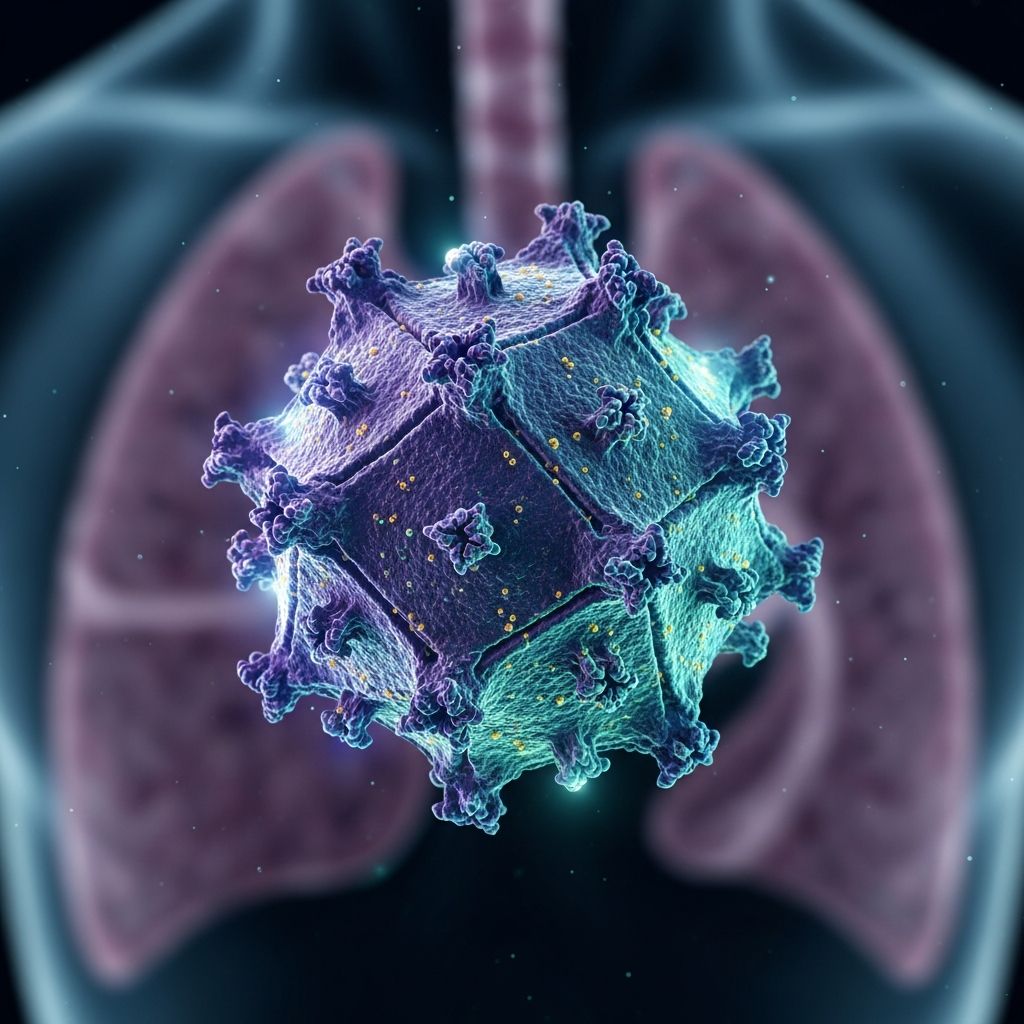
Understanding Adenovirus: A Comprehensive Guide
Adenoviruses are a group of common viruses that infect the lining of your eyes, airways, lungs, intestines, urinary tract, and nervous system. An adenovirus is a type of virus that can cause mild to severe infection, with these viruses most commonly causing respiratory symptoms. While most adenovirus infections are mild and resolve on their own, understanding the basics of this virus can help you recognize symptoms early and seek appropriate care when needed.
What Causes Adenovirus Infections?
Adenoviruses are naturally occurring viruses that circulate in the population and can affect people of all ages. These viruses are particularly common in children but can infect adults as well. The virus targets specific tissues in the body, with respiratory infections being the most prevalent presentation. Unlike some viral infections that are seasonal, adenovirus can occur year-round, though certain types may show seasonal patterns.
How Adenovirus Spreads
Understanding transmission is crucial for prevention. You can get infected with an adenovirus in several different ways:
- Close exposure to another person who has the virus
- Contact with a person’s hands that have touched infected eyes (conjunctiva) or nose or cough mucus
- Touching a surface or object that is contaminated with the virus
One important consideration is that adenoviruses can survive up to 30 days on surfaces, making environmental transmission a significant concern. Additionally, these types of viruses can release from your body (shed) for days or even weeks after you’ve recovered from an infection. So the virus can continue to spread even if you no longer have symptoms. This prolonged shedding period means that individuals recovering from adenovirus infections should take precautions to avoid spreading the infection to others.
Recognizing Adenovirus Symptoms
Adenovirus symptoms vary depending on which parts of the body are affected. The incubation period typically ranges from 2 days to 2 weeks, with most people developing symptoms within 5-6 days after exposure. Symptoms can range from mild to severe depending on the type of adenovirus, the person’s age, and their immune status.
Common Respiratory Symptoms
The most frequently reported symptoms resemble the common cold:
- Fever
- Sore throat
- Cough
- Congestion
- Runny nose
- Sneezing
Other Manifestations by System
Eye Infections (Pink Eye/Conjunctivitis): Red eyes, discharge from your eyes, tearing, feeling like there’s something in your eye
Ear Infections: Ear pain and irritability
Pneumonia: Fever, cough, and trouble breathing
Gastrointestinal Infections: Diarrhea, vomiting, headache, fever, and stomach cramps
Urinary Tract Infections: Burning and pain while urinating, frequent need to urinate, and blood in urine
Central Nervous System Infections (Rare): Swelling of the brain and spinal cord (meningitis and encephalitis) can present with headache, fever, stiff neck, nausea, and vomiting, though this is rare.
Who Is at Higher Risk for Severe Adenovirus?
Most people who contract adenovirus experience mild symptoms and recover without complications. However, certain individuals are more likely to get seriously sick from an adenovirus:
- Those with a weakened immune system due to a condition like HIV or cancer
- People taking immune-suppressing drugs
- Individuals with heart or lung disease
- Those who have had an organ transplant
- Older adults
Related Stories



If you fall into any of these categories and develop symptoms of adenovirus infection, it is important to seek medical attention promptly.
Diagnosis of Adenovirus Infection
If you have mild infection symptoms, you probably don’t need to go to your healthcare provider. However, if you have severe symptoms, see your healthcare provider. They may order laboratory tests to confirm an adenovirus diagnosis.
Diagnostic Methods
Diagnosis typically involves laboratory tests, particularly during outbreaks. Healthcare providers may use several approaches:
Nasal or Throat Swabs: Your healthcare provider may swab your nose or throat to collect a sample of your mucus for testing. These samples are then analyzed using molecular-based PCR and antigen detection methods to identify viral DNA or protein.
Stool Test: You may be asked to collect a sample of stool at home and bring it to the doctor’s office for analysis.
Chest X-ray: For suspected pneumonia or respiratory complications, a chest X-ray may be performed to get a closer look at the heart and lungs.
PCR Testing: For severe disease, polymerase chain reaction (PCR) testing of respiratory secretions and blood can detect adenovirus DNA and is useful when patients have severe disease and a diagnosis is needed.
It’s important to note that laboratory diagnosis of adenovirus infection rarely affects management in mild cases, and routine testing for adenoviruses is not standard practice outside of outbreak situations.
How Long Does Adenovirus Last?
The duration of adenovirus illness varies depending on severity and individual factors. Most of the time, adenovirus symptoms clear up within 3-5 days. However, a serious infection could last weeks. The timeline for recovery depends on the specific type of adenovirus and the strength of your immune system.
Treatment Options for Adenovirus
Most adenovirus infections are mild and may be managed with rest and over-the-counter pain medicines or fever reducers to help relieve symptoms. Many people with adenovirus infection do not require specific medical treatment due to the mild nature of symptoms.
Home Care Management
For mild infections, supportive care is the primary approach:
- Rest to allow your body to fight the infection
- Over-the-counter pain relievers (acetaminophen or ibuprofen) for fever and body aches
- Staying hydrated by drinking plenty of fluids
- Using saline nasal drops or spray for congestion relief
- Isolating yourself to prevent spreading the virus to others
Medical Treatment for Severe Cases
If you have severe symptoms and/or a weakened immune system, make sure to see your healthcare provider. You may need treatment in the hospital to help you recover from a serious infection. In rare cases, you may need treatment with an antiviral medication such as cidofovir or ribavirin.
It’s important to note that antibiotics do not work against adenovirus since it is a viral infection, not a bacterial infection. Antiviral medications are reserved for rare cases requiring specific treatment and may be prescribed to alleviate symptoms and expedite recovery, although their efficacy remains a subject of ongoing research.
Prevention of Adenovirus Infections
Vaccination
Vaccines containing live adenovirus types 4 and 7, given orally in an enteric-coated capsule, can prevent most illness caused by these two types. The vaccine was unavailable for a number of years but was reintroduced in 2011. However, in the United States, it is available only for military personnel. It may be given to patients aged 17 through 50 years and should not be given to women who are pregnant or breastfeeding.
Prevention Strategies
Since vaccines have limited availability for the general population, prevention focuses on reducing transmission:
- Wash your hands frequently and thoroughly with soap and water, especially after coughing or sneezing
- Avoid touching your face, particularly your eyes and nose
- Maintain distance from people who are sick
- Cover your mouth and nose when coughing or sneezing
- Clean and disinfect frequently touched surfaces regularly
- Avoid sharing personal items such as cups, utensils, or towels
Prognosis and Recovery
If you’re otherwise healthy, an adenovirus infection has a good prognosis. With rest and other supportive measures, the virus will pass and you’ll be on your way back to good health. Most individuals recover completely without long-term complications.
However, it’s worth noting that some people may experience a lingering cough that persists for weeks after the acute infection has resolved. This postinfectious cough gradually improves over time but can be bothersome during recovery.
Frequently Asked Questions About Adenovirus
Q: Is adenovirus contagious?
A: Yes, adenovirus is highly contagious and can spread through close contact, respiratory droplets, and contaminated surfaces. It remains contagious for days or even weeks after symptoms resolve, even if you feel better.
Q: Can I get adenovirus more than once?
A: Yes, you can get adenovirus more than once because there are many different types of adenoviruses. Infection with one type does not provide immunity against other types. Additionally, a person can become ill from the virus already being in the body (latent infection) becoming active again (reactivating).
Q: When should I see a doctor for adenovirus?
A: If you have mild symptoms resembling a cold, home care is usually sufficient. However, you should see a healthcare provider if you have severe symptoms, difficulty breathing, persistent high fever, symptoms that last longer than a week, or if you have a weakened immune system.
Q: Can adenovirus lead to pneumonia?
A: Yes, adenovirus can cause pneumonia, particularly in severe cases. If you develop symptoms such as fever, cough, and trouble breathing, seek medical attention promptly as this may indicate lower respiratory tract involvement.
Q: Are there any complications from adenovirus?
A: While most adenovirus infections are mild and self-limiting, complications can include pneumonia, meningitis (rare), and severe respiratory distress in immunocompromised individuals. People with underlying heart or lung disease are also at higher risk for complications.
Q: How can I prevent spreading adenovirus to others?
A: Wash your hands frequently, cover your mouth when coughing or sneezing, avoid close contact with others, disinfect surfaces, and stay home while symptomatic. Continue taking precautions for several days after symptoms resolve since the virus can still be shed.
When to Seek Urgent Care
If you’re experiencing symptoms that concern you and need care quickly, many healthcare facilities offer express care and urgent care options that treat everything from respiratory infections to other acute conditions without requiring an appointment. These facilities can provide quick assessment and appropriate treatment recommendations.
Conclusion
Adenovirus is a common viral infection that typically causes mild respiratory symptoms in otherwise healthy individuals. Understanding how the virus spreads, recognizing its symptoms, and knowing when to seek medical care are essential for managing infection and preventing transmission to others. While most cases resolve with rest and supportive care, individuals with weakened immune systems or underlying medical conditions should consult with healthcare providers promptly if symptoms develop. By following prevention strategies and practicing good hygiene, you can reduce your risk of contracting and spreading adenovirus infection.
References
- About Adenovirus — Centers for Disease Control and Prevention (CDC). 2024. https://www.cdc.gov/adenovirus/about/index.html
- Adenovirus Infections — Merck Manuals Professional Edition. 2024. https://www.merckmanuals.com/professional/infectious-diseases/respiratory-viruses/adenovirus-infections
- Adenovirus Infection and Outbreaks: What You Need to Know — American Thoracic Society. 2020. https://www.thoracic.org/patients/patient-resources/resources/adenovirus.pdf
- Adenovirus Infection: Symptoms and Treatment — WebMD. 2024. https://www.webmd.com/children/adenovirus-infections
- Adenovirus: Symptoms, Causes & Treatment — Cleveland Clinic. 2022. https://my.clevelandclinic.org/health/diseases/23022-adenovirus
- Adenovirus-associated Acute Respiratory Distress Syndrome — National Institutes of Health (NIH). 2020. https://pmc.ncbi.nlm.nih.gov/articles/PMC7358869/
- Department of Infectious Disease — Cleveland Clinic. 2024. https://my.clevelandclinic.org/departments/respiratory/depts/infectious-disease
Similar Articles








Read full bio of Sneha Tete