ADHD Causes: 5 Science-Backed Risk Factors Explained
Unraveling the complex origins of ADHD: Genetics, brain differences, environmental risks, and debunking common myths.
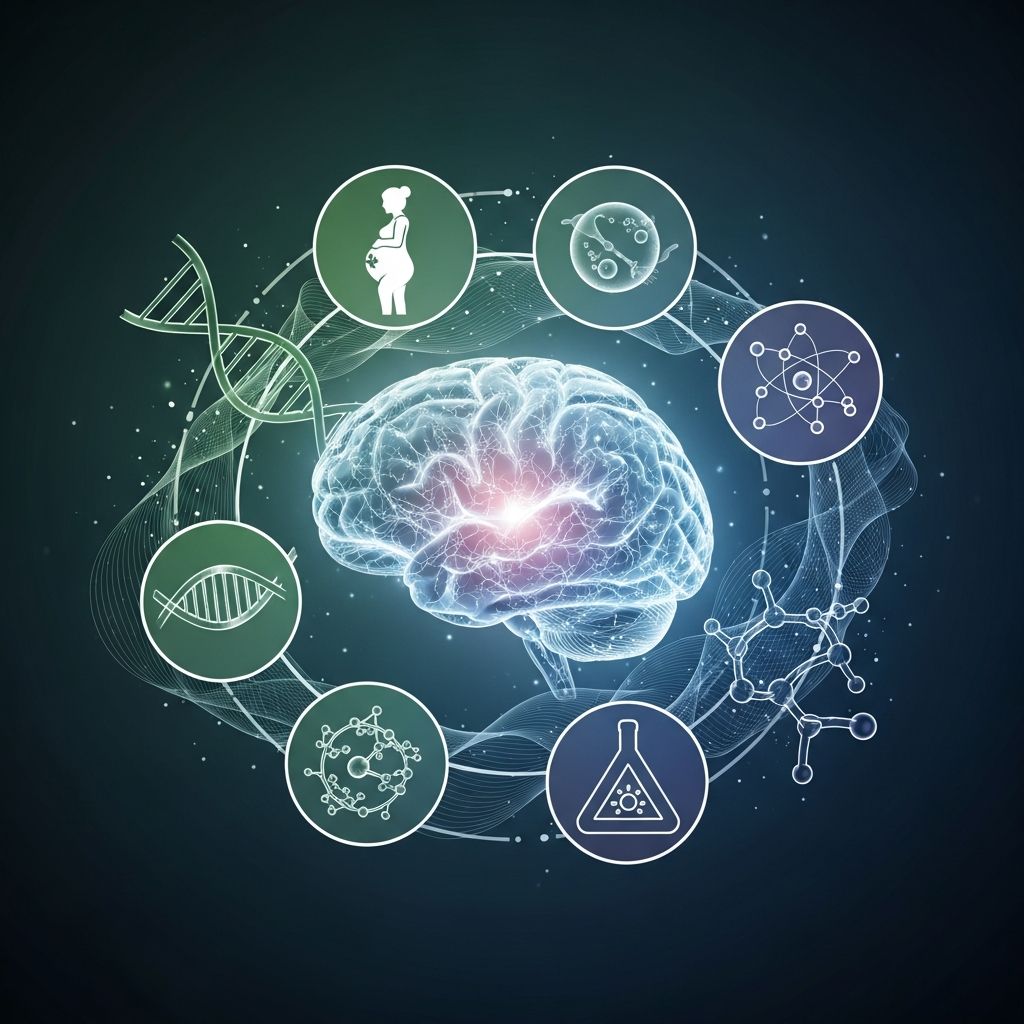
Attention-deficit/hyperactivity disorder (**ADHD**) is a neurodevelopmental condition affecting millions worldwide, characterized by persistent patterns of inattention, hyperactivity, and impulsivity that interfere with daily functioning. While the exact causes remain elusive, research from authoritative sources like the
CDC
,NIMH
, and peer-reviewed studies points to a interplay ofgenetic
,neurological
, andenvironmental factors
. This article delves into the science-backed contributors to ADHD, debunking myths and highlighting ongoing research.What Are the Main Causes of ADHD?
The precise etiology of ADHD is multifactorial and not fully understood, but evidence strongly supports a combination of hereditary influences and environmental triggers that alter brain development. According to the
National Institute of Mental Health (NIMH)
, scientists are investigating genes, brain structure, prenatal exposures, and early life factors as key contributors. TheCDC
emphasizes that while causes are unknown, identifiable risk factors include genetics, toxin exposure, maternal substance use during pregnancy, head injuries, and family environment.ADHD is not caused by a single factor but emerges from interactions between biology and environment. For instance, genetic predispositions may heighten vulnerability, with environmental insults tipping the balance toward symptom manifestation. Studies show ADHD symptoms often appear before age 12, suggesting early developmental origins.
Genetics and Heredity
**Genetics** play the most significant role in ADHD, with heritability estimates ranging from 70-80%. ADHD frequently runs in families; children with a parent or sibling diagnosed are at substantially higher risk. Identical twins exhibit concordance rates up to 90%, far higher than fraternal twins, underscoring genetic influence.
Research identifies multiple common gene variants rather than a single ‘ADHD gene.’ These variants affect dopamine and norepinephrine signaling, neurotransmitters crucial for attention and impulse control. The cumulative effect of numerous genetic polymorphisms, combined with environmental factors, increases ADHD likelihood. The
Cleveland Clinic
notes that children are born with gene changes causing neurodivergence, often inherited from biological relatives. A 2022 meta-analysis linked parental mental health issues, like depression, to elevated child ADHD risk, potentially via shared genetics.- Family patterns: If one parent has ADHD, the child has a 40-50% chance of inheriting it.
- Twin studies: Identical twins share ADHD diagnosis ~80% of the time vs. 30-50% for fraternal.
- Gene categories: Primarily those regulating dopamine transport (e.g., DAT1 gene variations).
Brain Structure and Function Differences
Individuals with ADHD exhibit measurable
brain differences
, including smaller frontal lobes, altered activity in attention networks, and imbalances in neurotransmitter systems. The frontal lobe, responsible for executive functions like planning and inhibition, is often underdeveloped or less active in ADHD brains. Functional MRI studies reveal reduced connectivity in the default mode network, leading to mind-wandering and poor focus.**Neurochemistry** is key: Lower dopamine and norepinephrine levels impair reward processing and sustained attention. Medications like stimulants work by boosting these chemicals, confirming their role. NIMH-funded research explores how these structural variances arise from genetic and early environmental influences. Traumatic brain injuries (TBIs) can also induce ‘secondary ADHD,’ with 62% of children experiencing severe TBI developing symptoms later.
Related Stories



| Brain Region | ADHD Difference | Impact |
|---|---|---|
| Frontal Lobe | Smaller volume, reduced activity | Impaired executive function, planning |
| Basal Ganglia | Altered dopamine signaling | Hyperactivity, impulsivity |
| Cerebellum | Reduced size | Motor control issues, timing deficits |
Prenatal and Perinatal Risk Factors
**Prenatal exposures** significantly elevate ADHD risk. Maternal smoking doubles the odds (2.64 times higher per a 2015 study), likely due to nicotine’s impact on fetal brain development. Alcohol exposure increases risk 1.55-fold, while toxin exposure (e.g., lead) disrupts neural growth.
**Birth complications** like premature delivery (before 39 weeks), oxygen deprivation, and C-sections correlate with higher ADHD rates, though causation is not proven. The
Mayo Clinic
lists premature birth and maternal drug/alcohol/tobacco use as prime risks. A 2022 study confirmed preterm infants (37-41 weeks) face elevated symptoms. These factors may cause hypoxic damage or inflammation affecting brain maturation.- Smoking: Nicotine alters dopamine pathways in utero.
- Alcohol: Fetal alcohol spectrum disorders overlap with ADHD traits.
- Lead exposure: Common in older homes, impairs cognition.
- Prematurity: 13% higher ADHD risk per week early.
Environmental Toxins and Early Life Exposures
Beyond prenatal,
postnatal toxins
like lead (from paint/pipes) heighten risk by interfering with neural signaling. The CDC highlights young-age environmental risks alongside genetics. Head injuries in childhood can mimic or trigger ADHD via frontal lobe damage. Family environment, including parental stress or mental health, compounds genetic risks per a 2022 review.Psychological Trauma and Adverse Childhood Experiences
**Trauma**, or adverse childhood experiences (**ACEs**)—such as abuse, neglect, violence exposure, or instability—increases ADHD likelihood. Children with ACEs are more prone to ADHD, possibly via a ‘cycle of adversity’ where symptoms provoke further trauma. However, trauma does not solely cause ADHD; it interacts with genetic vulnerabilities. Studies show bidirectional links: ADHD may draw traumatic experiences due to behavioral challenges.
ADHD Myths: What Doesn’t Cause It
Common misconceptions persist despite evidence.
Sugar
does not cause ADHD; a 2019 study of 6-year-olds found no link between consumption and later symptoms—impulsivity may drive sugar intake instead.Excessive screen time
(TV/video games) lacks causal proof.Poor parenting
or lack of discipline is debunked; harsh parenting correlates with ADHD but likely stems from genetic family patterns or reactivity, not causation. TheMayo Clinic
confirms sugar hyperactivity is a myth.- Sugar: No impact on non-ADHD kids developing it.
- Screens: Association, not causation.
- Parenting: Strains may exacerbate, not originate, symptoms.
Conditions Linked with ADHD
ADHD often co-occurs with other disorders, complicating diagnosis. Per
Mayo Clinic
, links include learning disabilities, anxiety, OCD, mood disorders, autism, tic disorders, and substance use. These comorbidities affect 50-70% of cases, sharing genetic or neurodevelopmental roots.| Co-Occurring Condition | Prevalence in ADHD | Shared Features |
|---|---|---|
| Learning Disabilities | 20-60% | Executive dysfunction |
| Anxiety Disorders | 25-40% | Restlessness, worry |
| Autism Spectrum | 50-70% overlap | Social, attention issues |
| Mood Disorders | 20-30% | Emotional dysregulation |
Frequently Asked Questions (FAQs)
Is ADHD caused by genetics alone?
No, genetics account for 70-80% but interact with environment. Heritability is high, but prenatal toxins can trigger it.
Does sugar or diet cause ADHD?
No scientific evidence supports this. Studies show no causal link; impulsivity may lead to higher sugar intake.
Can brain injuries cause ADHD?
Yes, severe TBIs can lead to secondary ADHD in ~62% of child cases.
Is ADHD more common due to modern lifestyles?
No, it’s neurodevelopmental from early life. Screens/parenting myths debunked.
How do prenatal factors contribute?
Maternal smoking, alcohol, prematurity raise risk via fetal brain disruption.
References
- What are the causes of ADHD? Biology vs. environment — Medical News Today. 2024-10-24. https://www.medicalnewstoday.com/articles/causes-of-adhd
- About ADHD | Attention-Deficit / Hyperactivity Disorder (ADHD) — Centers for Disease Control and Prevention (CDC). 2024-10-24. https://www.cdc.gov/adhd/about/index.html
- Attention-Deficit/Hyperactivity Disorder (ADHD) — Cleveland Clinic. Accessed 2026. https://my.clevelandclinic.org/health/diseases/4784-attention-deficithyperactivity-disorder-adhd
- Attention-deficit/hyperactivity disorder (ADHD) in children — Mayo Clinic. Accessed 2026. https://www.mayoclinic.org/diseases-conditions/adhd/symptoms-causes/syc-20350889
- Attention-Deficit/Hyperactivity Disorder (ADHD) — National Institute of Mental Health (NIMH). Accessed 2026. https://www.nimh.nih.gov/health/topics/attention-deficit-hyperactivity-disorder-adhd
Similar Articles








Read full bio of medha deb