ADHD In Adults: 5 Key Signs And Management Strategies
Discover symptoms, diagnosis methods, and effective treatments for managing ADHD as an adult to improve daily life and productivity.
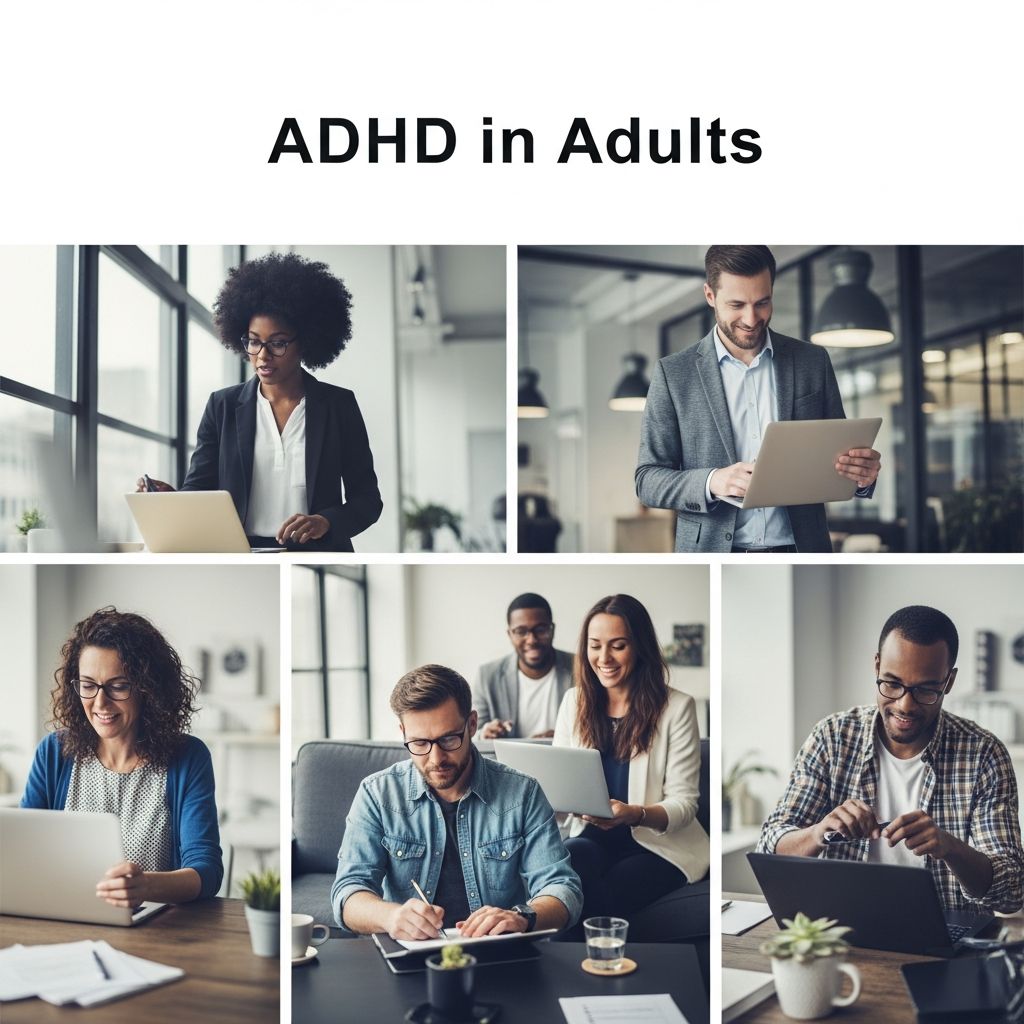
Attention Deficit Hyperactivity Disorder (ADHD) does not end with childhood; it often persists into adulthood, affecting millions worldwide with challenges in focus, organization, and impulse control. Adults with ADHD may experience ongoing difficulties that impact work, relationships, and personal goals, but with proper recognition and intervention, many lead fulfilling lives.
Understanding the Evolution of ADHD from Childhood to Adulthood
ADHD symptoms typically begin before age 12 and evolve as individuals age. While children might display overt hyperactivity, adults often internalize these traits as restlessness or mental fidgeting. Core issues like inattention remain prominent, compounded by adult life’s demands such as career pressures and family responsibilities.
The condition falls into three main presentations: predominantly inattentive, predominantly hyperactive-impulsive, or combined. In adults, the inattentive type is common, leading to forgotten tasks, chronic lateness, and difficulty sustaining effort on projects.
Common Signs of ADHD in Daily Adult Life
Recognizing ADHD in adults requires attention to subtle, persistent patterns. Key indicators include:
- Chronic disorganization: Piles of unfinished paperwork, missed deadlines, or losing important items frequently disrupt routines.
- Time management struggles: Procrastination, underestimating task duration, and perpetual lateness affect professional and personal commitments.
- Impulsivity: Interrupting conversations, impulsive spending, or risky decisions without forethought can strain relationships.
- Emotional dysregulation: Quick frustration, mood swings, or low frustration tolerance often accompany core symptoms.
- Restlessness: Inner turmoil or inability to relax, even in quiet settings, replaces childhood hyperactivity.
These signs must occur in multiple settings and cause significant impairment to suggest ADHD.
The Diagnostic Journey: Steps to Confirm Adult ADHD
No single test diagnoses ADHD; instead, professionals use a multi-faceted approach aligned with DSM-5 criteria. Adults need at least five symptoms of inattention and/or hyperactivity-impulsivity persisting for six months, starting in childhood, and impairing major life areas.
Diagnosis typically involves:
- Clinical interview: Detailed discussion of current and historical symptoms, developmental history, and life impacts.
- Rating scales: Standardized tools like adult ADHD self-report scales assess symptom severity.
- Collateral information: Input from family, partners, or old records verifies childhood onset.
- Physical and psychological exams: Rule out mimics like thyroid issues, sleep disorders, or co-occurring anxiety/depression.
Psychologists, psychiatrists, or primary care providers conduct evaluations, often taking 1-3 sessions. Early symptoms before age 12 are crucial, even if undiagnosed then.[10]
| ADHD Presentation | Key Adult Symptoms | Common Impacts |
|---|---|---|
| Inattentive | Forgetfulness, distractibility, poor follow-through | Work errors, relationship strain |
| Hyperactive-Impulsive | Fidgeting, interrupting, risk-taking | Job instability, conflicts |
| Combined | Mix of above | Broad life disruptions |
This table summarizes DSM-5 presentations and their adult manifestations.
Co-Occurring Conditions: Untangling Complex ADHD Presentations
Up to 80% of adults with ADHD have comorbidities like anxiety, depression, substance use, or learning disabilities, complicating diagnosis. For instance, restlessness might stem from anxiety, or poor focus from depression. Thorough screening ensures targeted treatment.
Related Stories



Treatment Options: Building a Personalized ADHD Management Plan
Effective ADHD management combines medication, therapy, and lifestyle strategies. No cure exists, but symptoms improve significantly for most.
Medication Approaches
Stimulants are first-line, boosting dopamine and norepinephrine for better focus. About 70-80% respond positively.
- Methylphenidate-based: Ritalin, Concerta for steady release.
- Amphetamine-based: Adderall, Vyvanse for longer action.
- Non-stimulants: Atomoxetine or guanfacine for those intolerant to stimulants.
Dosing starts low, with monitoring for side effects like insomnia or appetite loss.
Psychotherapy and Behavioral Interventions
Cognitive Behavioral Therapy (CBT) teaches skills for organization, time management, and emotional control. Mindfulness-based approaches reduce impulsivity.
Other supports:
- Coaching for executive function skills.
- Support groups via organizations like CHADD.
- Educational resources to build self-awareness.
Lifestyle and Self-Help Strategies
Daily habits amplify treatment:
- Structured routines: Planners, apps, and alarms combat forgetfulness.
- Exercise: 30 minutes daily boosts dopamine naturally.[10]
- Sleep hygiene: Consistent schedules prevent symptom worsening.
- Diet tweaks: Protein-rich meals stabilize energy; limit caffeine/sugar.
Workplace accommodations like flexible hours or quiet spaces help sustain employment.[10]
Navigating Relationships and Career with Adult ADHD
ADHD strains partnerships through forgetfulness or emotional volatility, but open communication and couples therapy foster understanding. In careers, strengths like creativity shine when paired with tools for organization.
Long-Term Outlook: ADHD as a Manageable Condition
With consistent treatment, adults reduce impairments and enhance quality of life. Regular follow-ups adjust plans as needs evolve. Emerging guidelines from groups like APSARD promise refined U.S. standards.
Frequently Asked Questions (FAQs)
Can adults develop ADHD later in life?
No, symptoms must trace to childhood, though they may intensify with adult stresses.
How long does ADHD treatment take to work?
Medications often improve symptoms within days; therapy builds skills over weeks to months.
Is ADHD overdiagnosed in adults?
Rigorous DSM-5 evaluation prevents this; comorbidities require careful differentiation.
Can diet alone manage adult ADHD?
Not sufficiently; it’s supportive alongside evidence-based treatments.[10]
Does ADHD affect women differently?
Yes, women often present inattentive symptoms, leading to later diagnosis.
References
- ADHD in Adults – Psychiatry.org — American Psychiatric Association. 2023. https://www.psychiatry.org/patients-families/adhd/adhd-in-adults
- Adult attention-deficit/hyperactivity disorder (ADHD) – Mayo Clinic — Mayo Clinic. 2024-02-23. https://www.mayoclinic.org/diseases-conditions/adhd/diagnosis-treatment/drc-20350883
- Adult ADHD: Symptoms, Diagnosis & Treatment – Cleveland Clinic — Cleveland Clinic. 2024. https://my.clevelandclinic.org/health/diseases/5197-attention-deficit-hyperactivity-disorder-adhd-in-adults
- ADHD in Adults: A Psychiatrist Explains | News – Yale Medicine — Yale Medicine. 2023. https://www.yalemedicine.org/news/adhd-in-adults
- ADHD in Adults: 4 Things to Know – National Institute of Mental Health — NIMH. 2024. https://www.nimh.nih.gov/health/publications/adhd-what-you-need-to-know
- Diagnosis of ADHD in Adults – CHADD — CHADD. 2024. https://chadd.org/for-adults/diagnosis-of-adhd-in-adults/
Similar Articles








Read full bio of Sneha Tete