ADHD Overview: Expert Guide To Symptoms, Diagnosis, Treatment
Comprehensive guide to ADHD symptoms, diagnosis, treatment, and living strategies for children and adults.
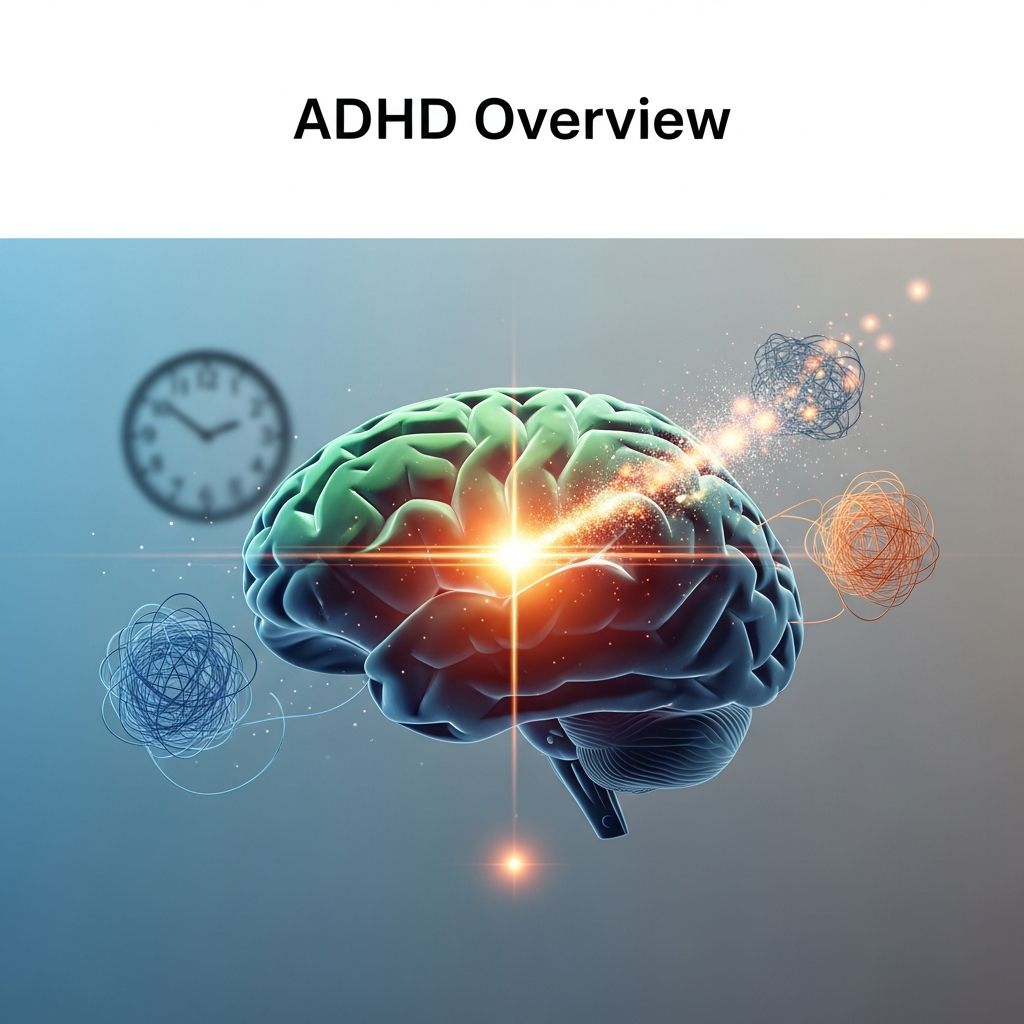
Attention-Deficit/Hyperactivity Disorder (ADHD) is a common neurodevelopmental disorder that affects millions worldwide, starting in childhood and often persisting into adulthood. Characterized by patterns of inattention, hyperactivity, and impulsivity, ADHD impacts daily functioning at school, work, and home. This comprehensive overview draws from authoritative sources to explain what ADHD is, its types, diagnosis process, treatment options, and strategies for living with the condition.
What Is ADHD?
ADHD is a developmental disorder marked by ongoing patterns of inattention, hyperactivity, and/or impulsivity that interfere with functioning or development. These behaviors are frequent, occur across multiple settings like home, school, or work, and are more severe than typical for a person’s age. Unlike occasional distractibility everyone experiences, ADHD symptoms are persistent and debilitating.
Symptoms typically begin in childhood, often before age 12, and can continue through adolescence and adulthood, though they may evolve. Children with ADHD face risks like injuries, poor academic performance, and social challenges, while adults struggle with organization, relationships, and risky behaviors such as substance use.
Symptoms of ADHD
ADHD symptoms fall into three main categories: inattention, hyperactivity, and impulsivity. Individuals may exhibit predominantly one type or a combination, leading to three presentations: predominantly inattentive, predominantly hyperactive-impulsive, or combined.
Inattention Symptoms
- Difficulty sustaining attention on tasks or play activities
- Frequent careless mistakes in schoolwork or work duties
- Trouble organizing tasks and activities, managing time poorly
- Avoiding or disliking tasks requiring sustained mental effort
- Losing items necessary for tasks (keys, books, tools)
- Easily distracted by unrelated thoughts or stimuli
- Forgetful in daily activities like paying bills or appointments
In adults, inattention often manifests as chronic lateness, unfinished projects, or difficulty prioritizing.
Hyperactivity and Impulsivity Symptoms
- Fidgeting, squirming, or tapping hands/feet
- Leaving seat in situations where remaining seated is expected
- Running or climbing in inappropriate situations (restlessness in adults)
- Unable to play quietly or engage in leisure activities calmly
- “On the go” as if “driven by a motor”
- Talking excessively
- Blurting out answers before questions are completed
- Difficulty waiting turn
- Interrupting or intruding on others
Hyperactivity may lessen in adulthood, shifting to inner restlessness or fidgetiness, especially under stress.
Types of ADHD
ADHD is classified into three types based on dominant symptoms:
| Type | Description |
|---|---|
| Predominantly Inattentive Presentation | Meets inattention criteria for at least 6 months; fewer hyperactivity/impulsivity symptoms. |
| Predominantly Hyperactive-Impulsive Presentation | Meets hyperactivity/impulsivity criteria; fewer inattention symptoms. |
| Combined Presentation | Meets criteria for both inattention and hyperactivity/impulsivity. |
Types can change over time as symptoms evolve.
Causes and Risk Factors
The exact cause of ADHD is unknown, but research points to a combination of genetic, environmental, and neurological factors. Genetics play a significant role, with heritability estimates around 70-80%. Brain imaging shows differences in structure and activity in areas controlling attention and executive function. Prenatal exposures like tobacco, alcohol, or toxins, low birth weight, and early childhood trauma increase risk.
Related Stories



ADHD often co-occurs with conditions like anxiety, depression, learning disorders, sleep issues, or conduct problems, complicating diagnosis.
ADHD in Children vs. Adults
While ADHD starts in childhood, presentation changes with age. Children show more overt hyperactivity, like excessive running or interrupting, leading to school and social issues. Adults experience subtler symptoms: inner restlessness, poor time management, impulsivity in decisions (e.g., job changes, spending), and struggles with daily tasks, relationships, and health behaviors like exercise or sleep.
Many adults are undiagnosed until later life, especially women whose inattentive symptoms are overlooked. Increased demands of adulthood can exacerbate symptoms.
Diagnosis of ADHD
Diagnosing ADHD involves a comprehensive evaluation by a healthcare provider, psychologist, or psychiatrist. No single test exists; diagnosis relies on:
- Symptom checklists rating frequency/severity
- Behavioral history from childhood (symptoms before age 12)
- Input from parents, partners, teachers, or colleagues
- Medical/psychological exams to rule out mimics like sleep disorders, thyroid issues, or anxiety
For adults, providers assess current impairments at work/home. Self-reporting tools help, but collateral information is key.
Treatment for ADHD
Treatment is multimodal, combining medication, therapy, and lifestyle changes. Effective plans are tailored, monitored, and adjusted.
Medications
Stimulants (e.g., methylphenidate, amphetamines) are first-line, increasing dopamine/norepinephrine for 70-80% efficacy. Non-stimulants like atomoxetine or guanfacine suit those intolerant to stimulants. Recent data shows rising stimulant prescriptions, especially post-COVID.
Therapy and Behavioral Interventions
- Cognitive Behavioral Therapy (CBT): Builds coping skills for organization, time management
- Parent training: Teaches behavior management for kids
- School interventions: Accommodations like extra time on tests
- Neurofeedback, mindfulness, cognitive training: Emerging options under study
Combinations work best; e.g., medication plus CBT improves outcomes.
Lifestyle Strategies
- Structured routines, planners, apps for organization
- Regular exercise, healthy diet, sufficient sleep
- Mindfulness or meditation to reduce impulsivity
- Workplace accommodations: Quiet spaces, breaks (via ADA)
Living with ADHD
ADHD is manageable with support. Children benefit from school IEPs/504 plans. Adults can thrive by leveraging strengths like creativity while using tools for weaknesses. Support groups like CHADD provide community. Ongoing research explores apps, VR, and personalized medicine.
Frequently Asked Questions (FAQs)
What is the difference between ADHD and ADD?
ADD is an outdated term for the inattentive presentation of ADHD; all are now under ADHD.
Can adults develop ADHD?
No, ADHD starts in childhood but may be undiagnosed until adulthood.
Is ADHD overdiagnosed?
Diagnosis requires strict criteria; underdiagnosis in adults, especially females, is more common.
Do ADHD medications cure it?
No, they manage symptoms; lifelong strategies are needed.
Can diet or exercise treat ADHD?
They support treatment but aren’t standalone cures.
References
- Attention-Deficit/Hyperactivity Disorder (ADHD) — National Institute of Mental Health (NIMH). 2024-12. https://www.nimh.nih.gov/health/topics/attention-deficit-hyperactivity-disorder-adhd
- ADHD in Adults: An Overview — Centers for Disease Control and Prevention (CDC). Accessed 2026. https://www.cdc.gov/adhd/articles/adhd-across-the-lifetime.html
Similar Articles








Read full bio of Sneha Tete