Adie Syndrome: Symptoms, Diagnosis, Treatment Guide
Explore Adie syndrome, its pupil changes, diagnostic methods, and effective management strategies for better eye health.
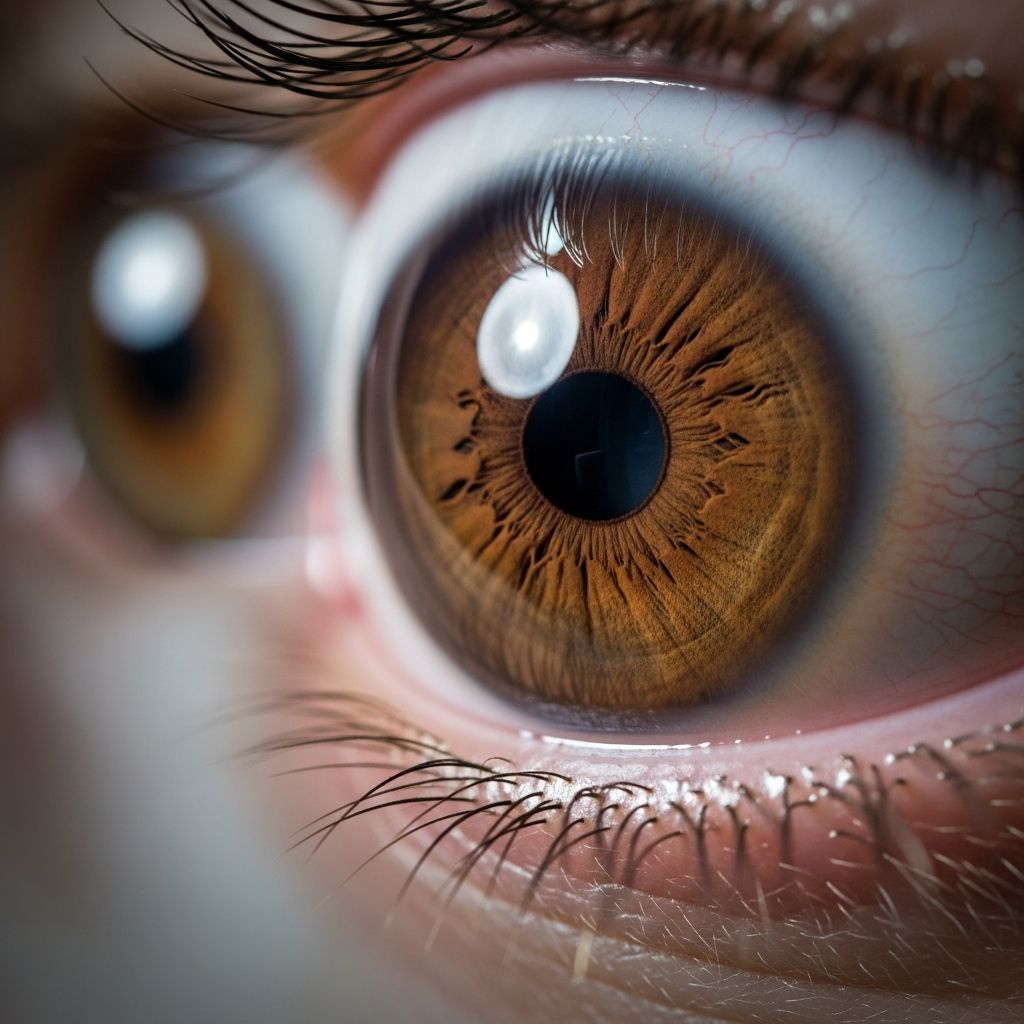
Adie syndrome, also known as tonic pupil syndrome, represents a neurological condition primarily affecting the eye’s pupil and sometimes deep tendon reflexes. It typically manifests as unilateral pupil enlargement with sluggish responses, often noticed incidentally during routine exams.
Understanding the Core Features of Adie Syndrome
This disorder disrupts normal parasympathetic innervation to the iris sphincter muscle, leading to characteristic pupil behavior. The affected pupil remains dilated, shows minimal constriction to light, but responds better to near focus with a slow return to dilation—a phenomenon termed tonic constriction. Over time, the pupil may shrink, earning the descriptor “little old Adie pupil”. Women, particularly young adults, experience it more frequently, with about 20% of cases bilateral.
Associated autonomic issues can include reduced sweating or cardiovascular irregularities, though eye symptoms dominate clinical presentations. Vision disturbances arise from accommodative dysfunction, exacerbating near tasks.
Common Symptoms and Their Impact
Patients often report blurred vision, especially for close work, due to impaired focusing ability. Photophobia—sensitivity to light—stems from the dilated pupil’s inability to constrict promptly, causing glare discomfort.
- Anisocoria: Unequal pupil sizes, more pronounced in bright light.
- Slow pupil reactions: Poor direct and consensual light response, but better near response.
- Reflex loss: Absent or diminished deep tendon reflexes in limbs, part of Holmes-Adie syndrome.
- Vermiform movements: Wavelike iris motions visible under slit-lamp, indicating segmental palsy.
These symptoms can mimic serious conditions, prompting urgent evaluation, yet most cases prove benign and idiopathic.
Potential Causes and Risk Factors
The precise etiology remains elusive in most instances, classified as idiopathic. Proposed mechanisms involve postganglionic parasympathetic denervation with aberrant regeneration, heightening sensitivity to cholinergic agents.
Secondary causes include:
- Infectious triggers like syphilis or Lyme disease.
- Autoimmune processes or paraneoplastic syndromes.
- Trauma or viral insults to ciliary ganglion.
Risk escalates in females aged 20-40, with rare pediatric occurrences potentially leading to amblyopia if untreated. Genetic testing may uncover associations, though not routine.
Diagnostic Approaches for Confirmation
Diagnosis hinges on clinical exam and pharmacologic testing, avoiding unnecessary imaging unless systemic signs suggest otherwise.
Clinical Examination Steps
Ophthalmologists assess pupil size in light and dark, noting greater anisocoria under illumination, signaling parasympathetic dysfunction. Slit-lamp reveals sectoral iris paralysis and iris movements. Near response testing shows tonic constriction with prolonged redilation.
Pharmacologic Confirmation
The gold-standard pilocarpine test uses 0.125% diluted drops. The tonic pupil constricts markedly due to denervation supersensitivity, unlike the normal pupil. Bright light testing further differentiates.
| Test | Adie Pupil Response | Normal Pupil Response |
|---|---|---|
| Light (direct/indirect) | Slow/poor | Brisk constriction |
| Near focus | Tonic, slow redilation | Quick constriction/redilation |
| Dilute pilocarpine (0.125%) | Strong constriction | Minimal/no change |
Sweat function or reflex tests confirm full Holmes-Adie if needed.
Differential Diagnosis: Ruling Out Mimics
Adie pupil requires distinction from urgent pathologies.
- Oculomotor palsy: Involves ptosis, eye movement limits; pilocarpine negative; MRI indicated.
- Argyll Robertson pupil: Bilateral miosis, syphilis-linked, accommodates but no light response; atropine dilates.
- Pharmacologic mydriasis: History of drops/meds; no tonic features.
- Third nerve issues or trauma: Acute onset, pain.
Related Stories



Idiopathic Adie follows exclusion of these.
Treatment Strategies and Management
Many require no intervention, as symptoms often stabilize. Symptomatic relief targets vision and comfort.
Pharmacologic Options
Dilute pilocarpine (0.125-1%) or physostigmine drops constrict the pupil, easing photophobia and blur, but may induce brow ache or myopia.
Optical Corrections
Prescribe reading glasses or bifocals with frosted segments for accommodative paresis. Tinted lenses mitigate glare.
Addressing Complications
Rare angle-closure glaucoma demands IOP-lowering meds and iridotomy. Pediatric cases need refractive correction to avert amblyopia. Systemic causes warrant targeted therapy.
| Symptom | Treatment | Potential Side Effects |
|---|---|---|
| Photophobia/Blur | Pilocarpine drops | Brow ache, induced myopia |
| Accommodative issues | Reading glasses/bifocals | None |
| Glaucoma risk | Laser iridotomy | Minimal |
Living with Adie Syndrome: Long-Term Outlook
Prognosis excels; pupils may normalize or stabilize small. Annual monitoring suffices for unilateral cases, watching for bilaterality (4% yearly risk). Patient education on triggers like medications aids management.
Holistic care includes reflex assessments and autonomic checks. Most resume normal activities post-symptom control.
Frequently Asked Questions (FAQs)
What triggers Adie syndrome?
Mostly idiopathic; possible viral, autoimmune, or infectious links.
Is Adie syndrome dangerous?
Benign generally; rare glaucoma or amblyopia risks.
How accurate is the pilocarpine test?
Highly specific (80% sensitivity) for tonic pupil confirmation.
Can Adie syndrome affect both eyes?
Yes, 20% bilateral, progressing over time.
Does it resolve spontaneously?
Often stabilizes; pupil may shrink permanently.
Consult ophthalmologists for personalized plans. Early diagnosis prevents complications.
References
- Adie Syndrome (Tonic Pupil): Causes, Symptoms & Treatment — Cleveland Clinic. 2023-10-15. https://my.clevelandclinic.org/health/diseases/adie-syndrome-tonic-pupil
- Adie Syndrome – Symptoms, Causes, Treatment — NORD (National Organization for Rare Disorders). 2024-05-20. https://rarediseases.org/rare-diseases/adie-syndrome/
- Adie syndrome: Treatment, symptoms, and causes — Medical News Today. 2023-08-12. https://www.medicalnewstoday.com/articles/adie-syndrome
- Adie Pupil — EyeWiki (American Academy of Ophthalmology). 2025-01-10. https://eyewiki.org/Adie_Pupil
- Adie’s Pupil: A Diagnostic Challenge for the Physician — PMC (PubMed Central). 2022-03-01. https://pmc.ncbi.nlm.nih.gov/articles/PMC8917782/
- Adie Syndrome | Treatment & Management — StatPearls (NCBI Bookshelf). 2024-11-05. https://www.ncbi.nlm.nih.gov/books/NBK557819/
Similar Articles








Read full bio of medha deb