Adjuvant Therapy: 5 Essential Post-Surgery Cancer Treatments
Learn what adjuvant therapy is, its benefits, risks, and how it helps prevent cancer recurrence after primary treatment.
Adjuvant Therapy
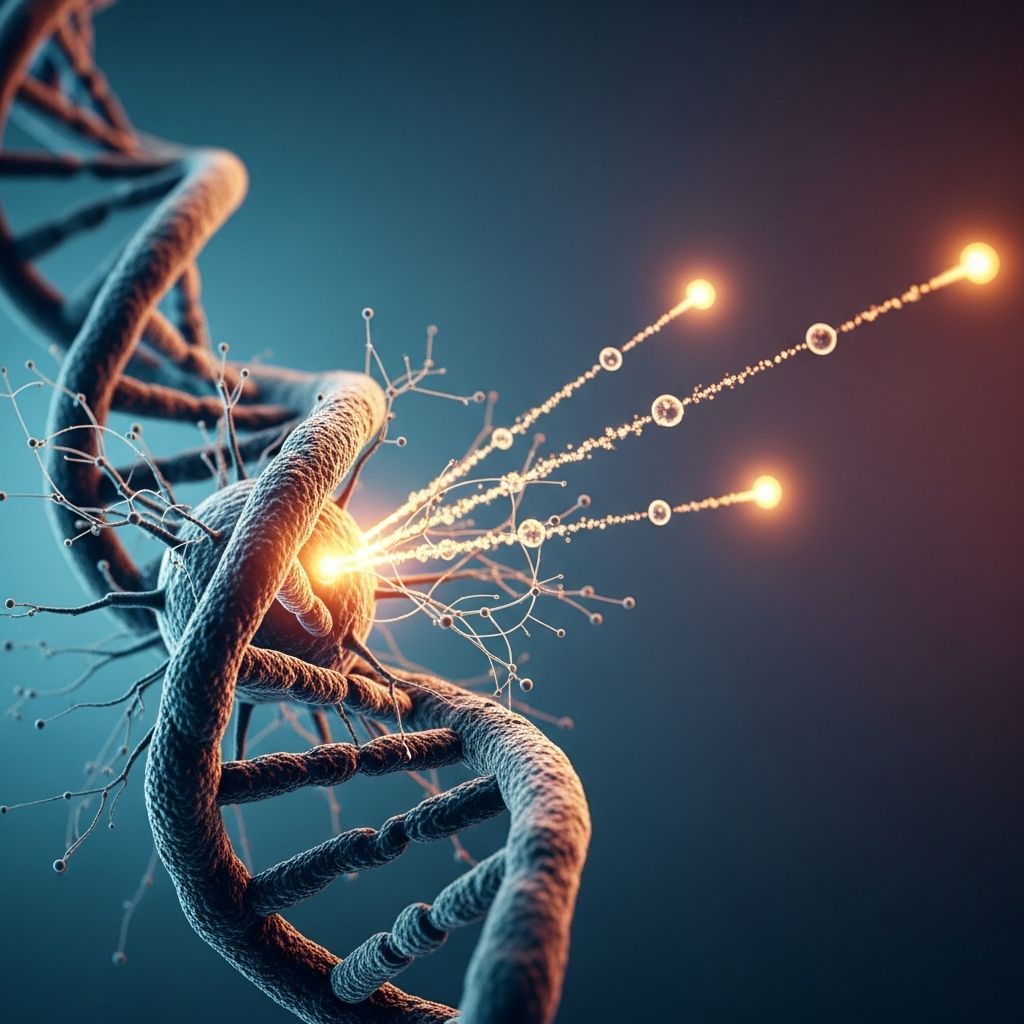
Adjuvant therapy is cancer treatment administered after primary treatments like surgery to eliminate any remaining microscopic cancer cells and reduce the risk of recurrence.
What Is Adjuvant Therapy?
Adjuvant therapy refers to any medical intervention given after the primary or definitive cancer treatment, such as surgery, to enhance its effectiveness and increase the likelihood of a cure. Unlike neoadjuvant therapy, which is provided before the main treatment to shrink tumors, adjuvant therapy acts as a “helper” post-primary intervention.
The primary goal is to target minimal residual disease—tiny clusters of cancer cells that may remain undetectable after surgery. These cells can lead to recurrence or metastasis if untreated. Common scenarios include patients with early-stage cancers undergoing surgery followed by systemic therapies.
Adjuvant treatments are tailored based on pathology results from surgery, including tumor stage, lymph node involvement, hormone receptor status, and genetic markers. This personalization optimizes outcomes while minimizing unnecessary exposure.
Types of Adjuvant Therapy
Several modalities are used in adjuvant settings, selected based on cancer type, stage, and patient factors. These include:
- Chemotherapy: Systemic drugs that kill rapidly dividing cells, often administered for several months via IV or pills. Effective for breast, colon, and lung cancers.
- Hormone (Endocrine) Therapy: Blocks hormones fueling cancers like breast or prostate. Given for years (e.g., tamoxifen for 5-10 years).
- Molecularly Targeted Therapy: Attacks specific mutations (e.g., HER2 inhibitors for breast cancer). Long-term use for mutation-driven tumors.
- Radiation Therapy: High-energy rays targeting local recurrence risk sites, typically over several weeks.
- Immunotherapy: Boosts the immune system to recognize and destroy cancer cells, increasingly used in adjuvant settings for melanoma and lung cancer.
Combinations, such as carboplatin-paclitaxel for triple-negative breast cancer, show superior pathological complete response rates in both adjuvant and neoadjuvant contexts.
Why Is Adjuvant Therapy Used?
Even after successful surgery removing visible tumors, microscopic disease persists in many cases, posing recurrence risk. Adjuvant therapy addresses this by eradicating residual cells, improving cure rates for cancers like breast, colorectal, and gastric.
Benefits include:
- Higher overall survival: Stage II/III colorectal patients benefit significantly from postoperative chemotherapy.
- Improved disease-specific survival: pT2N0M0 gastric cancer patients show better 5-year outcomes with adjuvant chemo.
- Reduced metastasis risk: Lowers chance of distant spread by targeting circulating tumor cells.
Starting with surgery allows rapid definitive treatment, followed by pathology-informed adjuvant choices. This contrasts with neoadjuvant approaches, offering precise tailoring.
Who Might Benefit From Adjuvant Therapy?
Not all patients require adjuvant therapy; decisions hinge on multiple factors. Key considerations include:
| Factor | Impact on Recommendation |
|---|---|
| Cancer Type | Highly beneficial for breast, colon, prostate; less so for some early low-risk cases. |
| Stage | Early stages (low spread risk) may skip; later stages or node-positive strongly recommended. |
| Lymph Nodes | Involvement increases recurrence risk, favoring adjuvant use. |
| Hormone Status | Receptor-positive cancers benefit from endocrine therapy. |
| Genetic Markers | High-risk mutations (e.g., Oncotype DX score) support therapy. |
| Overall Health | Good health maximizes benefits, minimizes side effects; comorbidities may contraindicate. |
Tools like genomic profiling predict recurrence risk, guiding decisions. For instance, low-risk profiles may avoid chemotherapy.
How Effective Is Adjuvant Therapy?
Clinical trials demonstrate substantial efficacy. Adjuvant systemic therapies reduce recurrence and boost survival across cancers.
- Colorectal cancer: Stage II/III patients gain major benefits from chemo post-resection.
- Gastric cancer: pT2N0M0 cases show higher 5-year survival with adjuvant chemo.
- Breast cancer: Carboplatin-paclitaxel regimens enhance complete response rates.
- Overall: Improves cure chances despite extended treatment duration.
Effectiveness varies; healthcare teams estimate benefits using similar-patient studies.
What Are the Risks and Side Effects of Adjuvant Therapy?
While beneficial, adjuvant therapy carries risks balanced against gains. Common side effects:
- Chemotherapy: Nausea, hair loss, fatigue, neuropathy, infection risk.
- Hormone Therapy: Hot flashes, bone loss, thrombosis.
- Radiation: Skin irritation, fatigue, long-term organ damage.
- Immunotherapy/Targeted: Immune reactions, rash, diarrhea.
Quality of life impacts exist, but many resume activities during treatment. Strategies like magnesium pre-cisplatin prevent kidney injury. Duration varies: weeks to 10 years.
Neoadjuvant vs. Adjuvant Therapy
| Aspect | Neoadjuvant | Adjuvant |
|---|---|---|
| Timing | Before primary treatment (e.g., surgery) | After primary treatment |
| Purpose | Shrink tumor, improve operability | Eliminate residual disease, prevent recurrence |
| Advantages | Tests treatment response in vivo | Pathology-guided, rapid surgery |
| Common Use | Large tumors, downstaging | Early-stage post-resection |
Making the Decision About Adjuvant Therapy
Discuss with your oncologist: therapy type, side effects, duration, recurrence risk reduction, and health impacts. Weigh personal priorities—work, activity levels—against benefits. Second opinions aid complex cases.
Patients in good health tolerate better; those with heart/lung issues may forgo if risks outweigh slim gains.
Frequently Asked Questions (FAQs)
What is the main goal of adjuvant therapy?
To destroy remaining cancer cells after surgery, lowering recurrence risk.
Is adjuvant therapy the same as chemotherapy?
No, it’s an umbrella term including chemo, radiation, hormone therapy, etc.
How long does adjuvant therapy last?
From weeks (radiation) to years (hormone therapy).
Does adjuvant therapy guarantee no recurrence?
No, it reduces risk but doesn’t eliminate it entirely.
Who decides if I need adjuvant therapy?
Your oncology team, based on pathology, stage, and health.
Can adjuvant therapy affect quality of life?
Yes, via side effects, but many manage with support; it improves long-term survival.
References
- Adjuvant Therapy | Oncology – JAMA Network — JAMA Oncology. 2016-04-14. https://jamanetwork.com/journals/jamaoncology/fullarticle/2383147
- Editorial: Risks and Benefits of Adjuvants to Cancer Therapies – PMC — PMC (NCBI). 2022-05-25. https://pmc.ncbi.nlm.nih.gov/articles/PMC9149592/
- Adjuvant therapy: Treatment to keep cancer from returning — Mayo Clinic. Accessed 2026. https://www.mayoclinic.org/diseases-conditions/cancer/in-depth/adjuvant-therapy/art-20046687
- Impact of adjuvant cancer therapies on quality of life — Journal of Clinical Oncology (ASCO). 2025. https://ascopubs.org/doi/10.1200/JCO.2025.43.16_suppl.e23200
Similar Articles





Read full bio of Sneha Tete