Adnexal Mass Tumors: Types, Diagnosis & Treatment
Understanding adnexal masses: Comprehensive guide to diagnosis, types, and treatment options.
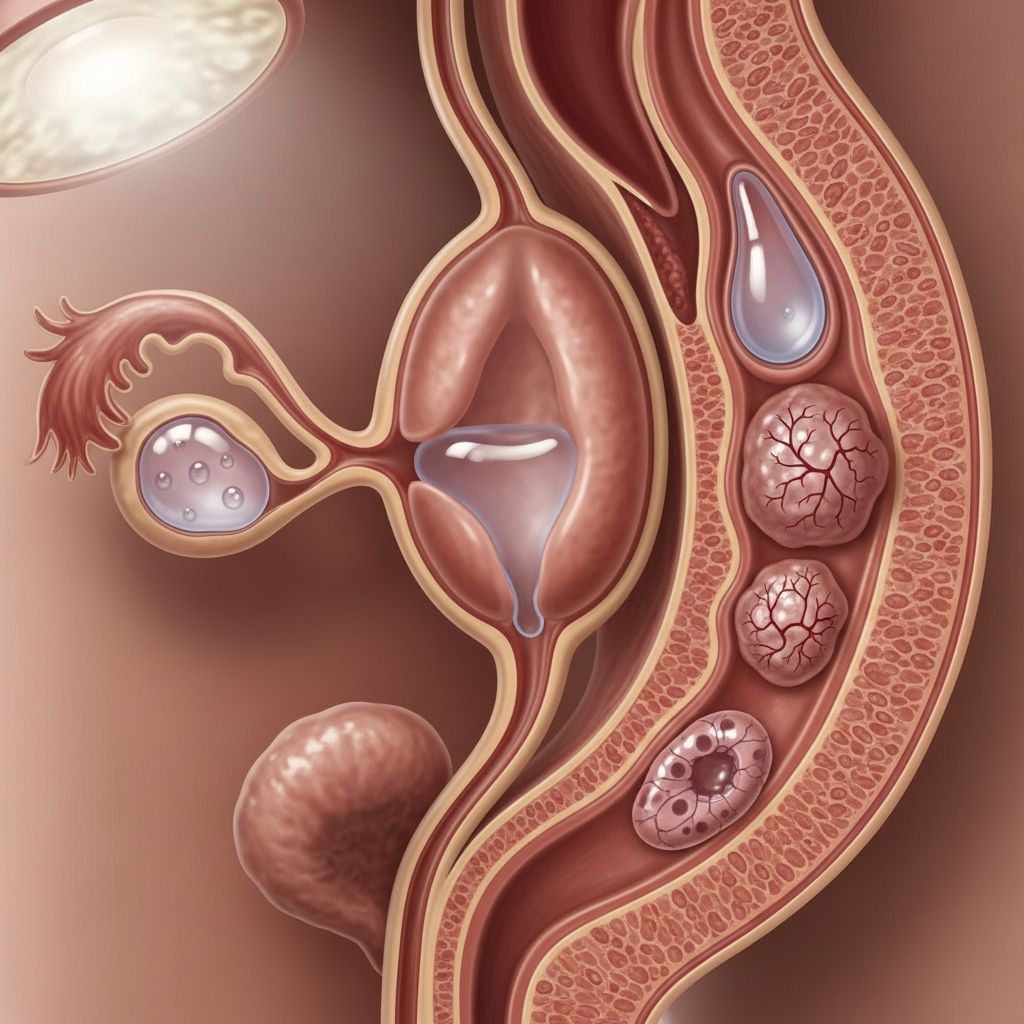
Understanding Adnexal Mass Tumors
An adnexal mass is an abnormal growth or tumor found in the adnexa of the uterus, which includes the ovaries, fallopian tubes, and the ligaments that support the female reproductive organs. These masses can range from small, benign cysts to larger, potentially cancerous tumors. While the majority of adnexal masses are benign and cause no symptoms, their discovery often raises concerns about malignancy. Understanding the types, diagnostic approaches, and treatment options is essential for making informed medical decisions and ensuring appropriate care.
Adnexal masses are relatively common findings, particularly in women of reproductive age. Many are discovered incidentally during routine pelvic examinations or imaging studies performed for other reasons. The primary goal of medical evaluation is to distinguish between benign and malignant masses, as this distinction significantly impacts treatment decisions and long-term health outcomes.
Types of Adnexal Masses
Adnexal masses can be categorized into two main groups: functional cysts and neoplasms. Understanding the differences between these categories helps guide treatment decisions and monitoring strategies.
Functional Cysts
Functional cysts develop as a normal part of the menstrual cycle and include follicular cysts and corpus luteum cysts. Follicular cysts form when a follicle fails to rupture during ovulation, allowing fluid to accumulate. Corpus luteum cysts develop after ovulation when the corpus luteum fills with fluid or blood. Most functional cysts are small, typically less than 5 centimeters in diameter, and resolve spontaneously within a few menstrual cycles without requiring treatment.
Benign Neoplasms
Benign neoplasms are non-cancerous tumors that arise from ovarian or fallopian tube tissue. Common types include mature teratomas (dermoid cysts), which contain hair, fat, and other tissue types; cystadenomas, which are smooth-walled cysts filled with fluid; and fibromas, which are solid benign tumors. Endometriomas, also called chocolate cysts, develop when endometrial tissue grows within the ovary, typically in women with endometriosis.
Malignant Masses
Malignant adnexal masses include ovarian cancer and other cancers originating in the fallopian tubes or peritoneum. These tumors require prompt diagnosis and treatment. Malignant masses often display specific imaging characteristics that distinguish them from benign lesions, including irregular borders, solid components, thick septations, and evidence of ascites or metastatic disease.
Causes and Risk Factors
The causes of adnexal masses vary depending on the type. Functional cysts result from normal ovarian physiology and are influenced by hormonal fluctuations during the menstrual cycle. Risk factors for developing functional cysts include younger age and regular menstrual cycles.
Benign neoplasms typically develop due to genetic and cellular factors unrelated to lifestyle or preventable causes. Fibromas and cystadenomas arise from normal tissue growth that becomes abnormal over time. Endometriomas develop in response to endometriosis, a condition where endometrial tissue grows outside the uterus.
Risk factors for malignant adnexal masses include advancing age, family history of ovarian or breast cancer, genetic mutations such as BRCA1 or BRCA2, prior history of cancer, and increased estrogen exposure. Nulliparity (never having been pregnant) and obesity also increase the risk of ovarian cancer.
Related Stories



Symptoms and Presentation
Most adnexal masses are asymptomatic and discovered incidentally during imaging performed for other reasons. However, some masses can cause symptoms, particularly if they become large or rupture. Common symptoms associated with adnexal masses include:
- Pelvic pain or discomfort, which may be chronic or intermittent
- Abnormal uterine bleeding or changes in menstrual patterns
- Abdominal bloating or feeling of fullness
- Nausea or vomiting
- Pressure on the bladder, leading to urinary symptoms
- Severe acute pain if rupture or ovarian torsion occurs
The presence of symptoms does not necessarily indicate malignancy, as benign masses can also cause discomfort. However, acute severe pain suggests complications such as rupture, hemorrhage, or torsion, which require emergency medical evaluation.
Diagnostic Evaluation
Accurate diagnosis of adnexal masses requires a systematic approach combining clinical evaluation, imaging studies, and sometimes laboratory tests.
Physical Examination
A comprehensive pelvic examination is the first step in evaluating a suspected adnexal mass. The healthcare provider assesses for palpable masses, tenderness, and other abnormalities. A pregnancy test is performed in women of reproductive age with pelvic pain or abnormal uterine bleeding to exclude ectopic pregnancy.
Transvaginal Ultrasound
Transvaginal ultrasound is the primary imaging modality for evaluating adnexal masses. This technique provides superior resolution of pelvic structures compared to transabdominal ultrasound. The ultrasound examination characterizes the mass based on specific features that help determine whether it is likely benign or potentially malignant.
Simple ovarian cysts with thin, smooth walls, no solid components, no septations, and no internal blood flow on Doppler imaging are almost always benign, regardless of size or the patient’s menopausal status. These cysts often require only observation rather than intervention.
Imaging Characteristics of Malignancy
Certain imaging features suggest a mass may be malignant and warrant further investigation or specialist consultation:
- Size greater than 10 centimeters
- Papillary or solid components, particularly those with internal blood supply
- Irregular or jagged borders
- Thick septations dividing the mass
- Surface excrescences or nodularity
- Ascites (fluid in the abdominal cavity)
- Evidence of metastatic disease
MRI Imaging
When ultrasound findings are indeterminate or inconclusive, magnetic resonance imaging (MRI) provides additional characterization of the mass. MRI offers superior soft tissue contrast and can better differentiate between cystic and solid components, helping determine the likelihood of malignancy.
The IOTA Simple Rules
The International Ovarian Tumor Analysis (IOTA) group developed the Simple Rules classification system to preoperatively assess the risk of cancer in women with ovarian and other adnexal neoplasms thought to require surgery. This classification uses the presence or absence of 10 ultrasound features and demonstrates higher sensitivity and specificity than other scoring systems. The IOTA Simple Rules also include an SRrisk calculation tool available on mobile devices for quick risk assessment.
Tumor Markers
Blood tests measuring tumor markers such as CA-125 may be ordered to assess malignancy risk, particularly in postmenopausal women or those with concerning imaging features. However, tumor markers alone are not sufficient for diagnosis and must be interpreted in conjunction with imaging findings and clinical presentation.
Management and Treatment Options
Treatment of adnexal masses depends on several factors, including the type of mass, imaging characteristics, patient age, symptoms, and concern for malignancy.
Expectant Management
Many asymptomatic functional cysts, particularly those less than 5 centimeters in diameter, resolve without treatment. Serial transvaginal ultrasound examinations performed every 6 to 8 weeks document resolution and provide reassurance. For asymptomatic women of reproductive age with simple, thin-walled cystic masses measuring 5 to 8 centimeters without imaging characteristics of cancer, expectant management with repeated ultrasound is appropriate.
Surgical Treatment
Surgical intervention is recommended for symptomatic masses, those with imaging characteristics concerning for malignancy, or benign neoplasms requiring treatment. The specific surgical approach depends on the mass type and patient factors.
Cystectomy: This procedure removes the cyst while preserving ovarian tissue. Surgeons prefer ovarian-sparing approaches when technically feasible, particularly in women of reproductive age. Laparoscopy, a minimally invasive approach, is often used for cystectomy.
Oophorectomy: This procedure removes the entire ovary and is performed when the mass cannot be removed by cystectomy or when malignancy is suspected. Fibromas that cannot be separated from ovarian tissue and masses with concerning features may require oophorectomy.
Salpingectomy: Removal of the fallopian tube may be necessary if the mass originates from tubal tissue.
Exploratory Surgery: When imaging suggests malignancy, exploratory laparoscopy or laparotomy allows direct visualization, tissue sampling, and tumor staging. This approach enables appropriate surgical management and staging information essential for treatment planning.
Special Considerations
Adnexal Masses in Pregnant Women
Adnexal masses discovered during pregnancy require careful evaluation to minimize fetal risk. Most masses are functional cysts that resolve after delivery. Surgery is typically delayed until the second trimester unless the mass ruptures or undergoes torsion, creating a surgical emergency.
Adnexal Masses in Adolescents
In adolescents, adnexal masses are frequently functional cysts related to normal ovarian function. Malignancy is rare in this population. Imaging and expectant management guidelines differ slightly from those in older women, emphasizing ovarian preservation whenever possible.
Complications
Although rare, adnexal masses can cause serious complications. Ovarian torsion occurs when a mass or enlarged ovary twists on its ligamentous support, compromising blood supply. This creates acute severe pain and requires emergency surgical intervention. Cyst rupture causes sudden pain and internal bleeding. Hemorrhage into a cyst can occur, causing pain and potentially requiring intervention. These complications present with acute symptoms requiring urgent medical evaluation.
Frequently Asked Questions
Q: What does adnexal mass mean?
A: An adnexal mass is an abnormal growth found in the adnexa of the uterus, including the ovaries, fallopian tubes, and supporting ligaments. Most are benign and require only monitoring.
Q: Are all adnexal masses cancerous?
A: No. The majority of adnexal masses are benign. Only a small percentage are malignant. Imaging characteristics and clinical evaluation help distinguish benign from potentially cancerous masses.
Q: How often should I have imaging follow-up for a benign adnexal mass?
A: Follow-up intervals depend on the mass characteristics. Simple cysts often require ultrasound every 6 to 8 weeks. Your healthcare provider will recommend an appropriate schedule based on the specific findings.
Q: When is surgery necessary for an adnexal mass?
A: Surgery is typically recommended if the mass causes symptoms, imaging suggests malignancy, it is a benign neoplasm requiring treatment, or if the diagnosis remains uncertain after imaging evaluation.
Q: Can adnexal masses affect fertility?
A: Some adnexal masses, particularly endometriomas, can affect fertility. However, many benign masses do not impact fertility. Your healthcare provider can discuss how a specific mass might affect your reproductive potential.
Q: What should I do if I have sudden severe pelvic pain?
A: Sudden severe pelvic pain may indicate a complication such as cyst rupture or ovarian torsion, which are medical emergencies. Seek immediate medical attention at an emergency department.
References
- Benign Adnexal Masses — Merck Manuals Professional. 2024. https://www.merckmanuals.com/professional/gynecology-and-obstetrics/miscellaneous-gynecologic-disorders/benign-adnexal-masses
- Evaluation and Management of Adnexal Masses — American College of Obstetricians and Gynecologists (ACOG). 2016. https://www.acog.org/clinical/clinical-guidance/practice-bulletin/articles/2016/11/evaluation-and-management-of-adnexal-masses
- Benign Adnexal Masses — MSD Manuals Professional. 2024. https://www.msdmanuals.com/professional/gynecology-and-obstetrics/miscellaneous-gynecologic-disorders/benign-adnexal-masses
- Clinically Suspected Adnexal Mass, No Acute Symptoms — American College of Radiology (ACR). 2021. https://acsearch.acr.org/docs/69466/narrative/
- Incidental Ovarian Cysts — Cleveland Clinic Journal of Medicine. 2013. https://www.ccjm.org/content/ccjom/80/8/503.full.pdf
- Ovarian Torsion: Causes, Symptoms, Diagnosis & Treatment — Cleveland Clinic. 2024. https://my.clevelandclinic.org/health/diseases/ovarian-torsion
- Ovarian Cystectomy: Purpose, Procedure, Risks & Recovery — Cleveland Clinic. 2024. https://my.clevelandclinic.org/health/treatments/24427-ovarian-cystectomy
Similar Articles








Read full bio of Sneha Tete