Adrenal Cortex: Function, Hormones & Health
Understanding the adrenal cortex: structure, hormones, and essential body functions.
Understanding the Adrenal Cortex: Structure and Overview
The adrenal cortex is the outer layer of your adrenal glands, which are small, triangular-shaped endocrine organs located on top of each of your two kidneys. These glands are fundamental to your body’s ability to function and maintain homeostasis. The adrenal cortex comprises the majority of adrenal tissue and is responsible for producing critical hormones that regulate numerous bodily functions. Unlike the adrenal medulla, which is the inner portion of the gland, the adrenal cortex operates as part of your endocrine system to produce steroid hormones through a complex regulatory pathway involving your brain and pituitary gland.
Your adrenal glands sit just above your kidneys, which lie beneath your ribcage. Each adrenal gland weighs approximately 4 to 6 grams and receives a rich blood supply that allows for efficient hormone distribution throughout your body. The cortex itself is divided into three distinct zones, each with specialized functions and hormone-producing capabilities. Understanding the structure and function of the adrenal cortex is essential for recognizing how your body maintains balance and responds to various physiological demands.
Zones of the Adrenal Cortex
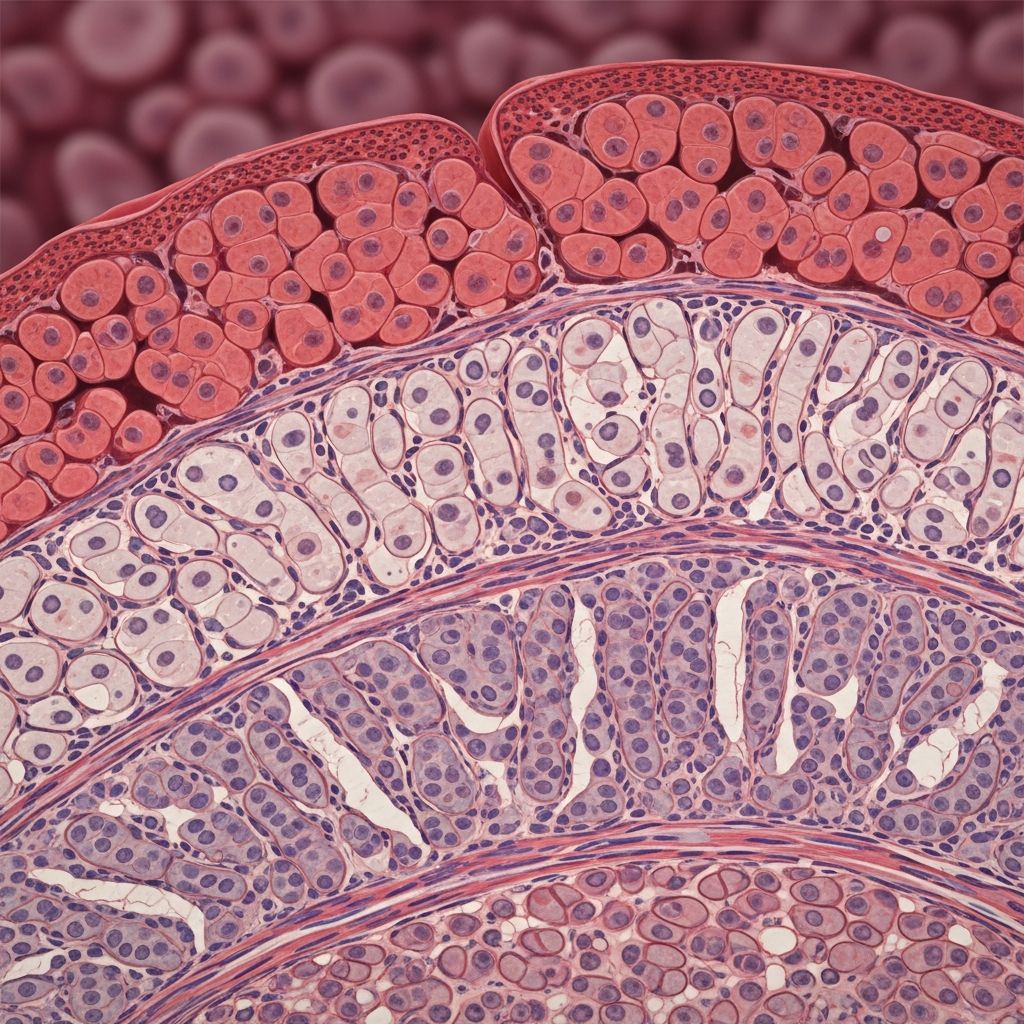
The adrenal cortex is organized into three functional layers, each producing different hormones with specific roles in your body:
Zona Glomerulosa
The outermost layer of the adrenal cortex is the zona glomerulosa, which produces mineralocorticoids, primarily aldosterone. This zone is responsible for regulating sodium and potassium balance in your body, which directly affects blood pressure and fluid retention. Aldosterone acts on your kidneys to increase sodium reabsorption, which in turn increases water retention and helps maintain proper blood pressure and electrolyte balance.
Zona Fasciculata
The middle and largest zone of the adrenal cortex is the zona fasciculata, which produces glucocorticoids, with cortisol being the primary hormone. This zone is responsible for producing approximately 75% of the cortisol your body needs. The zona fasciculata is highly sensitive to adrenocorticotropic hormone (ACTH) stimulation and plays a crucial role in stress response, metabolism regulation, and immune function modulation.
Zona Reticularis
The innermost layer of the adrenal cortex is the zona reticularis, which produces adrenal androgens (weak sex hormones). These hormones contribute to secondary sexual characteristics and work alongside other hormones to maintain overall endocrine balance. The zona reticularis produces dehydroepiandrosterone (DHEA) and androstenedione, which have varying effects throughout your body.
Major Hormones Produced by the Adrenal Cortex
The adrenal cortex produces several essential hormones that regulate critical bodily functions. These hormones are steroid-based and have far-reaching effects on your metabolism, cardiovascular system, immune response, and stress management.
Cortisol
Cortisol is the primary glucocorticoid produced by the adrenal cortex and is often referred to as the “stress hormone.” However, this hormone has numerous functions beyond stress response. Cortisol regulates blood glucose levels, helps maintain blood pressure, supports immune function, and influences your body’s inflammatory response. Your cortisol levels naturally fluctuate throughout the day, typically being highest in the morning and lowest at night, following a circadian rhythm. During times of stress, your body increases cortisol production to provide energy and enhance alertness for handling challenges.
Related Stories



Aldosterone
Aldosterone is a mineralocorticoid produced by the zona glomerulosa that plays a vital role in maintaining electrolyte and fluid balance. This hormone acts on your kidneys to promote sodium retention and potassium excretion, which helps regulate blood pressure and ensures proper nerve and muscle function. Your kidneys and the renin-angiotensin-aldosterone system (RAAS) regulate aldosterone production in response to changes in blood pressure and electrolyte levels.
Adrenal Androgens
The adrenal cortex produces weak androgens, including DHEA and androstenedione, which can be converted to testosterone and estrogen in peripheral tissues. These hormones contribute to the development of secondary sexual characteristics, particularly in females, and play supportive roles in bone health, mood regulation, and overall metabolic function.
Regulation of the Adrenal Cortex: The HPA Axis
The adrenal cortex operates as part of a sophisticated feedback system known as the hypothalamic-pituitary-adrenal (HPA) axis. This neuroendocrine system is your body’s primary mechanism for responding to stress and maintaining hormonal balance. The HPA axis consists of three key organs: your hypothalamus (located in your brain), your pituitary gland, and your adrenal glands.
How the HPA Axis Works
When you face a stressor or challenge, your hypothalamus responds by releasing corticotropin-releasing hormone (CRH). CRH travels to your pituitary gland, where it stimulates the release of adrenocorticotropic hormone (ACTH). ACTH enters your bloodstream and travels to your adrenal cortex, stimulating the production and release of cortisol and other glucocorticoids. This cascade of hormonal signals allows your body to mount an appropriate stress response.
Negative Feedback Loop
The HPA axis maintains balance through a negative feedback mechanism. As cortisol levels rise in your blood, they signal your hypothalamus and pituitary gland to reduce the production of CRH and ACTH. This reduces further cortisol production, preventing excessive hormone levels. This elegant feedback system ensures that your stress response is proportional to the stressor and that your body returns to baseline once the threat has passed.
Functions of Adrenal Cortex Hormones
The hormones produced by the adrenal cortex have wide-ranging effects throughout your body, influencing virtually every system and organ.
Metabolism and Energy Regulation
Cortisol plays a central role in regulating your metabolism and energy availability. During times of stress, cortisol increases blood glucose levels by stimulating gluconeogenesis (the production of glucose from non-carbohydrate sources) and reducing glucose uptake by muscle and fat tissues. This ensures that your brain and vital organs have sufficient energy to respond to threats.
Blood Pressure Control
Both cortisol and aldosterone work together to maintain appropriate blood pressure. Aldosterone increases sodium and water retention by your kidneys, which increases blood volume and pressure. Cortisol enhances the effects of catecholamines (adrenaline and noradrenaline) on blood vessels, promoting vasoconstriction and further elevating blood pressure during stress responses.
Immune Function
Cortisol has complex effects on the immune system. In appropriate levels, cortisol helps regulate immune responses and reduces excessive inflammation. However, chronic elevation of cortisol can suppress immune function, increasing susceptibility to infections. This is why prolonged stress can make you more vulnerable to illness.
Anti-inflammatory Effects
Cortisol acts as a natural anti-inflammatory agent in your body. It suppresses the production of inflammatory molecules and helps resolve inflammatory responses. This is why glucocorticoid medications derived from cortisol are used therapeutically to treat inflammatory and autoimmune conditions.
Emotional and Cognitive Function
The adrenal cortex hormones significantly influence your mood, motivation, and cognitive function. Cortisol affects neurotransmitter systems in your brain and influences emotion regulation, memory formation, and attention. Proper cortisol levels are essential for optimal mental health and cognitive performance.
Adrenal Cortex Disorders and Conditions
Various conditions can affect the adrenal cortex, resulting in too much or too little hormone production, which can significantly impact your health.
Cushing Syndrome
Cushing syndrome occurs when the adrenal cortex produces excessive cortisol. This can result from a tumor in the adrenal cortex itself (primary Cushing syndrome) or from a pituitary tumor producing too much ACTH (secondary Cushing syndrome). Symptoms include central obesity, purple stretch marks, easy bruising, mood disturbances, and osteoporosis.
Adrenal Insufficiency
Adrenal insufficiency, also known as Addison disease, occurs when the adrenal cortex cannot produce adequate cortisol and often aldosterone. Primary adrenal insufficiency results from direct damage to the adrenal cortex from autoimmune disease, infection, or genetic conditions. Secondary adrenal insufficiency results from insufficient ACTH production by the pituitary gland or insufficient CRH production by the hypothalamus.
Adrenal Tumors and Adenomas
Benign tumors called adenomas can develop in the adrenal cortex. Some adenomas remain hormonally silent and cause no symptoms, while others produce excessive hormones, leading to various endocrine disorders. Malignant adrenocortical carcinoma, though rare, is a serious condition requiring specialized treatment.
Congenital Adrenal Hyperplasia
Congenital adrenal hyperplasia (CAH) is a group of inherited disorders affecting enzymes necessary for adrenal cortex hormone production. These conditions typically result in insufficient cortisol and aldosterone production, along with excess androgen production, requiring lifelong hormone replacement therapy.
The Relationship Between Stress and Adrenal Cortex Function
Your adrenal cortex plays a critical role in your body’s stress response system. Chronic stress can lead to dysfunction in the HPA axis, potentially causing elevated cortisol levels or impaired cortisol response. Understanding this relationship is important for managing stress and protecting long-term health. Persistent psychological or physical stress can desensitize your adrenal cortex to ACTH stimulation or cause your hypothalamus and pituitary to dysregulate, leading to either excessive or insufficient cortisol production.
Testing and Monitoring Adrenal Cortex Function
Healthcare providers can assess adrenal cortex function through various tests. These may include blood tests measuring cortisol, ACTH, and aldosterone levels; urine tests measuring cortisol excretion; and imaging studies such as CT scans or MRI to visualize the adrenal glands. The dexamethasone suppression test is commonly used to evaluate cortisol regulation and diagnose Cushing syndrome. These diagnostic tools help identify adrenal cortex disorders and guide appropriate treatment.
Frequently Asked Questions
What is the primary role of the adrenal cortex?
The adrenal cortex’s primary roles are producing hormones that regulate stress response, metabolism, blood pressure, electrolyte balance, and immune function. These hormones are essential for maintaining your body’s internal balance and responding to environmental demands.
How does the adrenal cortex differ from the adrenal medulla?
The adrenal cortex is the outer layer that produces steroid hormones like cortisol and aldosterone in response to ACTH stimulation from the pituitary gland. The adrenal medulla is the inner portion that produces catecholamines (adrenaline and noradrenaline) in response to sympathetic nervous system stimulation, triggering the immediate “fight-or-flight” response.
Can the adrenal cortex be surgically removed?
Although rare, both adrenal glands can be surgically removed (adrenalectomy) to treat certain severe adrenal conditions. However, individuals who undergo this surgery must take hormone replacement medications for life to replace the essential hormones normally produced by the adrenal cortex.
What are the signs of adrenal cortex dysfunction?
Signs of adrenal dysfunction vary depending on whether the gland produces too much or too little hormone. Excessive production may cause weight gain, high blood pressure, and mood disturbances, while insufficient production causes fatigue, low blood pressure, salt cravings, and depression.
How does chronic stress affect the adrenal cortex?
Chronic stress can lead to HPA axis dysfunction, potentially causing persistently elevated cortisol levels or impaired cortisol response. This can increase your risk for various health conditions including high blood pressure, obesity, depression, immune suppression, and cognitive decline.
What lifestyle factors support healthy adrenal cortex function?
Managing stress through relaxation techniques, regular exercise, adequate sleep, proper nutrition, and maintaining social connections can help support healthy HPA axis function and adrenal cortex health. Limiting caffeine, alcohol, and processed foods may also be beneficial.
References
- Adrenal Gland: What It Is, Function, Symptoms & Disorders — Cleveland Clinic. 2024. https://my.clevelandclinic.org/health/body/23005-adrenal-gland
- Hypothalamic-Pituitary-Adrenal (HPA) Axis: What It Is — Cleveland Clinic. 2024. https://my.clevelandclinic.org/health/body/hypothalamic-pituitary-adrenal-hpa-axis
- Adrenocorticotropic Hormone (ACTH): What It Is & Function — Cleveland Clinic. 2024. https://my.clevelandclinic.org/health/articles/23151-adrenocorticotropic-hormone-acth
- Glucocorticoid-induced adrenal insufficiency and glucocorticoid withdrawal — Cleveland Clinic Journal of Medicine, Vol. 91, No. 4. 2024. https://www.ccjm.org/content/91/4/245
- Adrenal Medulla: What It Is, Function & Diseases — Cleveland Clinic. 2024. https://my.clevelandclinic.org/health/body/23034-adrenal-medulla
- Adrenal Gland Disorders: Symptoms & Treatment — Cleveland Clinic. 2024. https://my.clevelandclinic.org/health/diseases/16717-adrenal-disorders
Similar Articles








Read full bio of Sneha Tete