Understanding Adrenal Insufficiency: Causes, Symptoms & Treatment
A comprehensive guide to recognizing and managing adrenal gland dysfunction
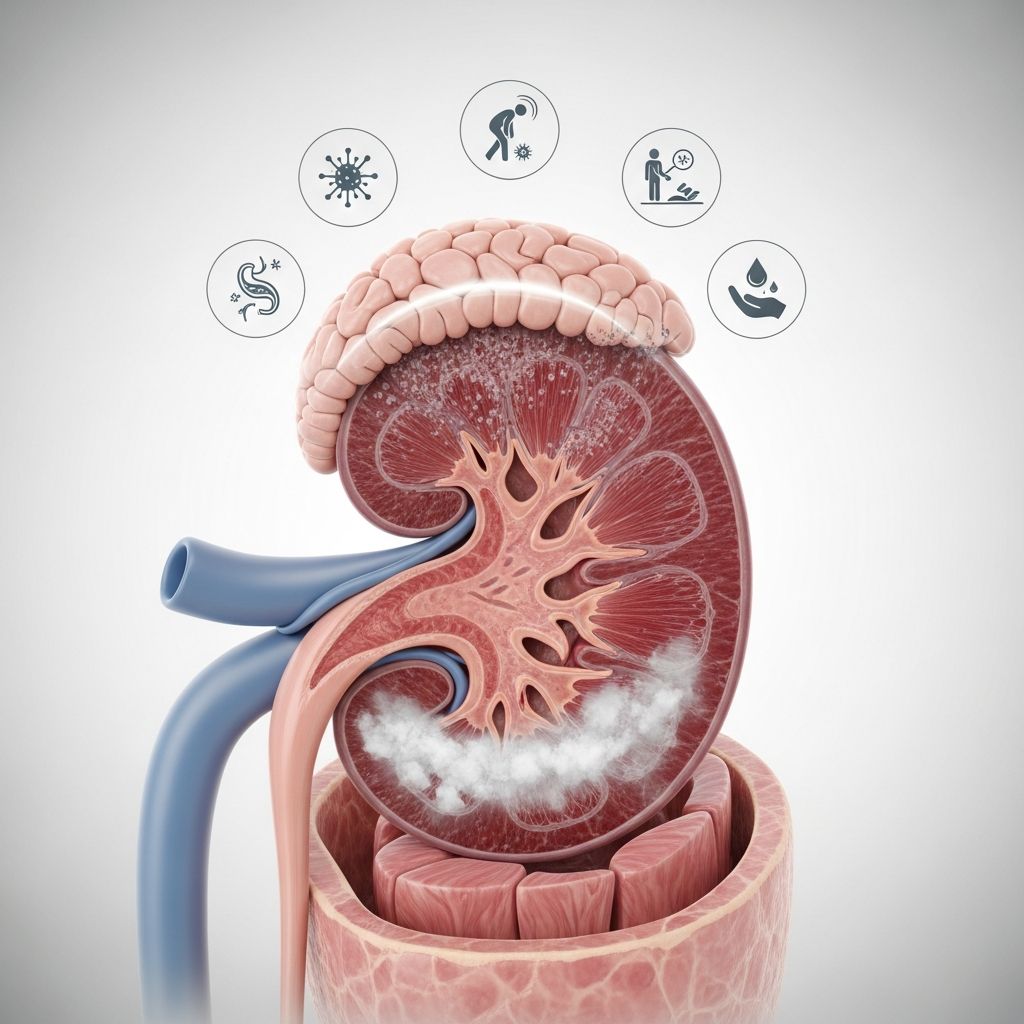
Adrenal insufficiency represents a significant endocrine condition affecting how your body produces essential hormones. When the adrenal glands fail to generate adequate amounts of cortisol and aldosterone, the consequences ripple through multiple body systems, impacting energy levels, blood pressure regulation, and stress response capabilities. This condition requires proper medical attention and ongoing management to prevent serious complications.
What Defines Adrenal Insufficiency?
Adrenal insufficiency occurs when the adrenal glands—small endocrine organs sitting atop the kidneys—cannot produce sufficient quantities of critical steroid hormones. The primary hormones involved are cortisol, which regulates stress response and metabolism, and aldosterone, which controls sodium and potassium balance. Without adequate production of these hormones, the body struggles to maintain normal blood pressure, energy metabolism, and the ability to respond effectively to physical and emotional stressors.
The condition develops through several potential pathways. Some individuals experience gradual onset over months or years, while others face acute deterioration triggered by illness or injury. Understanding the underlying mechanism helps explain why symptoms vary significantly between patients and why treatment approaches must be individualized.
The Three Distinct Types of Adrenal Insufficiency
Medical professionals classify adrenal insufficiency into three categories based on where the dysfunction originates within the hormone production system:
Primary Adrenal Insufficiency (Addison’s Disease)
Primary adrenal insufficiency involves direct damage or destruction of the adrenal gland tissue itself. The adrenal cortex—the outer layer responsible for hormone production—becomes impaired through various mechanisms including autoimmune attack, infection, bleeding, or surgical removal. When the adrenal gland itself fails to function, it cannot produce either cortisol or aldosterone, regardless of signals from higher regulatory centers. Addison’s disease represents the most common form of primary insufficiency and frequently results from the immune system mistakenly attacking adrenal tissue. This autoimmune process may be detected through antibodies present in the blood, often years before symptoms become apparent.
Secondary Adrenal Insufficiency
Secondary insufficiency develops when the problem exists not within the adrenal glands themselves, but in the pituitary gland, which sits at the base of the brain. The pituitary produces adrenocorticotropic hormone (ACTH), a chemical messenger that stimulates the adrenal glands to produce cortisol. When the pituitary fails to generate sufficient ACTH, the adrenal glands receive inadequate signals to function properly, resulting in low cortisol production. Importantly, secondary insufficiency typically preserves aldosterone production because aldosterone regulation operates through a separate system independent of pituitary control.
Tertiary Adrenal Insufficiency
Tertiary insufficiency originates even higher in the hormone hierarchy, within the hypothalamus—the brain region that controls the pituitary gland. The hypothalamus produces corticotropin-releasing hormone (CRH), which triggers pituitary ACTH release. When hypothalamic function deteriorates, the entire cascade of hormone production becomes compromised. Like secondary insufficiency, tertiary insufficiency typically does not affect aldosterone levels due to the independence of that regulatory pathway.
Recognizing the Symptoms
Adrenal insufficiency produces a wide range of symptoms that often develop insidiously, making early recognition challenging. Symptoms generally correlate with the degree of hormone deficiency and the progression of the condition.
Chronic Presentation Symptoms
Related Stories



- Fatigue and weakness: Persistent exhaustion that fails to improve with adequate rest, often described as profound tiredness despite normal sleep patterns
- Unintended weight loss: Gradual reduction in body weight accompanied by decreased appetite and reduced food intake
- Cardiovascular symptoms: Dizziness upon standing (orthostatic hypotension), low resting blood pressure, and reduced exercise tolerance
- Gastrointestinal disturbances: Nausea, abdominal discomfort, vomiting, and diarrhea occurring without apparent cause
- Muscle and joint complaints: Generalized muscle pain and aching joints
- Mood changes: Depression and emotional instability
- Skin alterations: Darkening of the skin in primary insufficiency, or loss of pigmentation (vitiligo)
- Salt cravings: Unusual desire for salty foods, reflecting mineralocorticoid deficiency
Acute Crisis Symptoms
An adrenal crisis represents a medical emergency where symptoms escalate rapidly and dangerously:
- Severe weakness and inability to function
- Confusion and altered mental status
- Severe abdominal pain accompanied by vomiting and diarrhea
- Dangerously low blood pressure causing fainting or collapse
- Blood sugar levels dropping to dangerous levels
- Fever and elevated heart rate
- Dehydration from fluid losses
Adrenal crisis typically occurs when underlying insufficiency remains undiagnosed or when a person with diagnosed insufficiency experiences severe stress, acute illness, or injury without appropriate hormone supplementation. Immediate emergency medical treatment is essential during a crisis.
What Causes Adrenal Insufficiency?
The underlying causes differ depending on the type of insufficiency. Primary insufficiency most commonly results from autoimmune adrenalitis, where the body’s immune system attacks the adrenal glands. Other causes include tuberculosis and fungal infections, particularly in immunocompromised individuals, hemorrhage into the adrenal glands, malignancy involving the adrenal tissue, and surgical removal of the adrenal glands.
Secondary insufficiency arises from pituitary disorders such as tumors, pituitary surgery, radiation therapy to the head or brain, or pituitary infarction. Tertiary insufficiency develops from hypothalamic dysfunction caused by tumors, head trauma, radiation, or surgical intervention.
Certain medications can also trigger adrenal insufficiency, particularly long-term corticosteroid therapy, which suppresses the body’s natural hormone production. When steroid medications are discontinued abruptly, insufficiency may develop.
The Diagnostic Process
Diagnosing adrenal insufficiency requires a systematic three-stage approach. The first stage demonstrates inappropriately low cortisol levels in the bloodstream. The second stage determines whether the low cortisol level depends on ACTH (indicating secondary or tertiary insufficiency) or occurs independently (indicating primary insufficiency). The third stage identifies the specific underlying cause.
Initial Blood Tests
Diagnosis begins with measurements of baseline cortisol and ACTH levels, typically drawn in the early morning when cortisol naturally peaks. Elevated ACTH with low cortisol suggests primary insufficiency, while low ACTH with low cortisol indicates secondary or tertiary insufficiency.
Cosyntropin Stimulation Test
The cosyntropin stimulation test (also called the short synacthen test) serves as the standard diagnostic procedure. Healthcare providers inject synthetic ACTH (cosyntropin) intravenously or intramuscularly and measure cortisol response 30 and 60 minutes afterward. Normal cortisol response indicates healthy adrenal function, while inadequate response confirms insufficiency.
Additional Testing
Depending on the initial findings, physicians may order measurements of aldosterone and plasma renin levels to assess mineralocorticoid function. Imaging studies such as CT or MRI may be performed to evaluate the pituitary gland or hypothalamus if secondary or tertiary insufficiency is suspected. Antibody testing helps identify autoimmune causes in primary insufficiency.
Managing Adrenal Insufficiency Long-Term
Treatment focuses on replacing deficient hormones through daily medication. Most patients require glucocorticoid replacement therapy, typically using hydrocortisone, prednisone, or dexamethasone. The medication dosage must be carefully calibrated to the individual patient, providing enough hormone to prevent symptoms while avoiding excess that could cause side effects.
Patients with primary insufficiency additionally require mineralocorticoid replacement, usually with fludrocortisone acetate. This medication helps regulate sodium and potassium balance and maintain adequate blood pressure.
Stress Dosing Principles
A critical aspect of management involves understanding stress dosing—the need to increase hormone replacement during periods of physical or emotional stress. During illness, surgery, injury, or major stressors, the body normally produces more cortisol naturally. Since people with adrenal insufficiency cannot make this adjustment, they must increase their medication dosage temporarily to prevent crisis.
Emergency Preparedness
All patients should maintain injectable medication (typically glucocorticoid injections) for emergency use when oral medication cannot be taken due to vomiting or unconsciousness. Family members and caregivers should receive education about recognizing crisis symptoms and administering emergency injections. Medical alert identification should be worn at all times.
Prevention and Lifestyle Considerations
While adrenal insufficiency cannot be prevented in most cases, managing the condition effectively prevents serious complications. Patients should maintain consistent medication schedules, never discontinuing or adjusting doses without medical guidance. Regular medical monitoring ensures dosing remains appropriate as life circumstances change.
Stress management techniques become particularly important, as emotional and physical stress increase cortisol requirements. Regular exercise, adequate sleep, nutritional support, and stress-reduction practices help maintain overall health and resilience.
Patients should inform all healthcare providers about their adrenal insufficiency, as various treatments and procedures may affect cortisol needs. Dental work, minor surgery, and significant illnesses all warrant adjustment in hormone replacement.
Living Well with Adrenal Insufficiency
With proper diagnosis and treatment, individuals with adrenal insufficiency can live normal, productive lives. The key involves consistent medication adherence, understanding personal responses to stress, maintaining good communication with healthcare providers, and developing systems to remember medication schedules.
Many patients find support valuable—connecting with others who have adrenal insufficiency provides practical tips, emotional support, and validation of experiences. Educational resources help patients become informed advocates for their own health.
Regular follow-up appointments allow physicians to monitor treatment effectiveness and make adjustments as needed. Some patients may require dose modifications over time as circumstances change, making ongoing professional guidance essential.
Frequently Asked Questions
Can adrenal insufficiency be cured?
Most forms of adrenal insufficiency cannot be cured but can be effectively managed with lifelong hormone replacement therapy. In rare cases where insufficiency results from a reversible cause, such as discontinuation of long-term steroid medications, symptoms may resolve. Treatment focuses on symptom control and preventing complications rather than curing the underlying condition.
Is adrenal insufficiency life-threatening?
Undiagnosed and untreated adrenal insufficiency can be life-threatening, particularly during acute crisis. However, with appropriate diagnosis and consistent treatment, the condition is manageable and compatible with normal life expectancy and quality of life.
How often should hormone levels be monitored?
Monitoring frequency varies based on individual circumstances. After initial diagnosis and treatment adjustment, annual monitoring is typically recommended. More frequent monitoring may be needed when adjusting doses, during major life changes, or if symptoms change.
Can pregnancy occur with adrenal insufficiency?
Pregnancy is possible with adrenal insufficiency. Women may require higher hormone doses during pregnancy to accommodate increased cortisol needs. Careful medical supervision ensures both mother and baby receive appropriate care throughout pregnancy and delivery.
References
- Adrenal Insufficiency — Barrow Neurological Institute. Accessed 2026. https://www.barrowneuro.org/condition/adrenal-insufficiency/
- Adrenal Insufficiency – StatPearls — National Institutes of Health, National Center for Biotechnology Information. https://www.ncbi.nlm.nih.gov/books/NBK441832/
- Addison Disease: Early Detection and Treatment Principles — American Academy of Family Physicians, American Family Physician. 2014. https://www.aafp.org/pubs/afp/issues/2014/0401/p563.html
- Adrenal Insufficiency – Hospitalist Handbook — University of California, San Francisco. https://hospitalhandbook.ucsf.edu/03-adrenal-insufficiency/03-adrenal-insufficiency
- Adrenal Insufficiency — Pituitary Foundation. Accessed 2026. https://www.pituitary.org.uk/information/adrenal-insufficiency/
- Primary Adrenal Insufficiency Guideline Resources — Endocrine Society. https://www.endocrine.org/clinical-practice-guidelines/primary-adrenal-insufficiency
Similar Articles








Read full bio of medha deb