Adrenaline (Epinephrine) for Anaphylaxis
Essential guide to using adrenaline auto-injectors like Emerade, EpiPen, and Jext for life-saving anaphylaxis treatment.
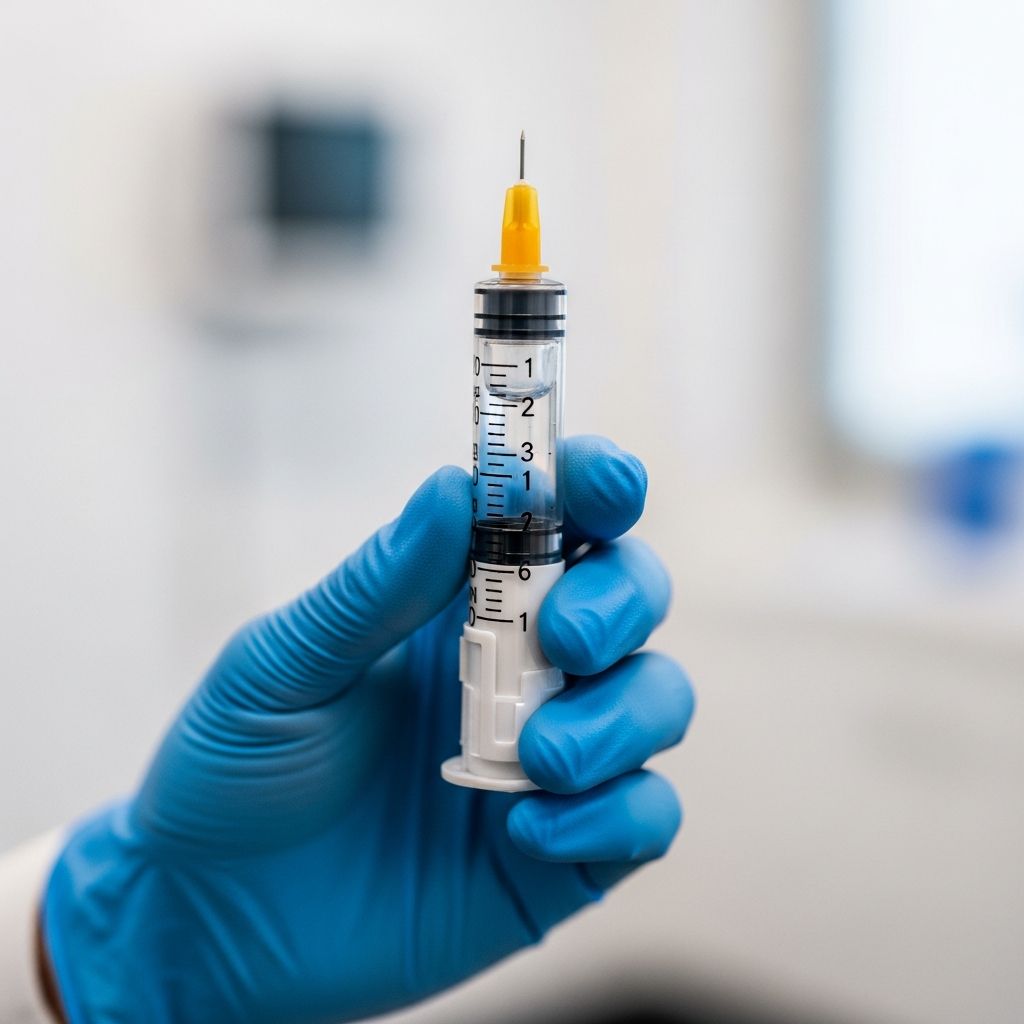
Adrenaline (epinephrine) auto-injectors are critical first-line treatments for anaphylaxis, a severe and potentially life-threatening allergic reaction. These devices, such as Emerade, EpiPen, and Jext, deliver a precise dose of adrenaline intramuscularly into the outer thigh to rapidly reverse symptoms like airway swelling, low blood pressure, and breathing difficulties.
About anaphylaxis
Anaphylaxis is a rapid, severe allergic reaction that can occur within minutes of exposure to triggers such as foods (e.g., peanuts, shellfish), insect stings, medications, or latex. It involves the sudden release of chemicals like histamine from mast cells, leading to widespread effects including hives, swelling (angioedema), throat tightening, wheezing, rapid heartbeat, dizziness, nausea, and shock.
Symptoms often affect the skin (itching, flushing, urticaria), respiratory system (stridor, bronchospasm), gastrointestinal tract (vomiting, diarrhea), and cardiovascular system (hypotension, tachycardia). Without prompt treatment, it can progress to cardiac arrest or death.
- Skin symptoms: Red rash, hives, itching, swelling of lips/tongue.
- Breathing symptoms: Wheezing, shortness of breath, throat swelling.
- Circulatory symptoms: Drop in blood pressure, fainting, weak pulse.
- Other: Abdominal pain, vomiting, anxiety.
Biphasic reactions, where symptoms recur hours later, occur in up to 20% of cases, emphasizing the need for observation after initial treatment.
Why adrenaline?
Adrenaline (epinephrine) is the only first-line medication for anaphylaxis. It acts on alpha and beta-adrenergic receptors to counteract key mechanisms: vasoconstriction reduces vascular permeability and edema, bronchodilation opens airways, and positive inotropy strengthens heart contractions.
Administered intramuscularly (IM) into the outer thigh, it has rapid onset (within minutes), unlike antihistamines or steroids, which do not reverse life-threatening symptoms like hypotension or airway obstruction.
About adrenaline auto-injectors
Auto-injectors like EpiPen, Jext, and Emerade are pre-filled, user-friendly devices containing adrenaline 1:1000 solution. They are prescribed for at-risk individuals to self-administer during an emergency.
| Device | Doses Available | Key Features |
|---|---|---|
| EpiPen / EpiPen Jr | 0.3 mg (adult), 0.15 mg (child) | Yellow casing, voice instructions on some models, needle retracts. |
| Jext | 0.3 mg (adult), 0.15 mg (child) | Automatic needle retraction, red/orange label for adult/child. |
| Emerade | 0.15 mg, 0.3 mg, 0.5 mg | Low-angle needle for less clothing penetration issues, 0.5 mg for larger adults. |
Carry two devices always, as a second dose may be needed if symptoms persist after 5-15 minutes.
Who needs an auto-injector?
Prescribed for those with confirmed anaphylaxis history or high-risk allergies. Indications include:
- Previous anaphylaxis to food, stings, drugs, or idiopathic causes.
- Biphasic reaction history.
- High-risk occupations (e.g., beekeepers).
- Children with severe food allergies.
Not for mild allergies; consult an allergist for assessment.
How to use an auto-injector
Use immediately upon suspecting anaphylaxis. Steps (common to all devices):
- Remove safety cap. Hold device firmly.
- Inject into outer mid-thigh through clothing if needed. Press hard until click (auto-activates).
- Hold for 3-10 seconds (device-specific: EpiPen 3s, Jext 3s, Emerade 10s).
- Remove and massage site. Seek emergency help immediately.
Related Stories



If no improvement in 5-15 minutes, give second dose. Call 999/911.
Dosage table
| Age/Weight | Dose | Devices |
|---|---|---|
| 6 months – 6 years (<25kg) | 0.15 mg | EpiPen Jr, Jext 0.15mg, Emerade 0.15mg |
| 6-12 years (25-30kg) | 0.15-0.3 mg | As above or adult dose |
| >12 years (>30kg) | 0.3 mg (or 0.5 mg if >65kg) | EpiPen, Jext 0.3mg, Emerade 0.3/0.5mg |
Dosage: 0.01 mg/kg IM, max 0.5 mg, repeat every 5-10 min.
Training and action plans
All users must be trained using a trainer device. Obtain an ASCIA or equivalent action plan detailing recognition, use, and follow-up.
- Demonstrate competence before prescription.
- School/work policies for storage/access.
Storage
Store at room temperature (15-25°C), away from heat, light, freezing. Check expiry monthly; replace if discolored or damaged. Shelf-life ~12-18 months.
After use
Effects last 10-20 minutes; symptoms may recur. Always go to A&E for observation (4-6 hours min), even if recovered. May need IV fluids, oxygen, steroids, antihistamines.
Do not drive; call ambulance.
Side effects
Temporary: Increased heart rate, tremor, anxiety, headache, pallor, nausea. Rare serious: Arrhythmia (monitor in cardiac patients).
No absolute contraindications in life-threatening anaphylaxis.
Further treatment
In hospital: IV adrenaline if unstable, fluids, nebulized salbutamol, corticosteroids (e.g., hydrocortisone 5mg/kg), antihistamines (chlorphenamine). For cardiac arrest: IV bolus per protocol.
Prescription and supply
Prescription-only. NHS may cover; private purchase ~£30-100/device. Renew every 12 months with GP review.
Allergy identification
Refer to allergist for testing. Avoid triggers via plans.
Alternatives
In clinical settings: Ampoule/syringe (1:1000, 0.01mg/kg). Nasal sprays emerging but IM preferred.
Frequently Asked Questions (FAQs)
Can I inject through clothing?
Yes, all devices work through thin clothing; remove thick layers if possible.
What if I have two doses?
Always carry two; use second if no response after 5-15 min.
Is adrenaline safe for children?
Yes, with age/weight-appropriate doses; train caregivers.
What if symptoms return later?
Biphasic anaphylaxis; seek immediate medical care.
Can I use expired auto-injectors?
No; potency decreases; replace promptly.
References
- Guideline for acute therapy and management of anaphylaxis — PMC. 2015-06-29. https://pmc.ncbi.nlm.nih.gov/articles/PMC4479483/
- Epinephrine for Anaphylaxis: What Treatments are Available? — Allergy Asthma Network. 2023-01-01. https://allergyasthmanetwork.org/news/ways-to-take-epinephrine/
- Epinephrine in the Management of Anaphylaxis — PubMed. 2020-04-01. https://pubmed.ncbi.nlm.nih.gov/32276687/
- ASCIA Guidelines – Acute Management of Anaphylaxis — Australasian Society of Clinical Immunology and Allergy. 2024-01-01. https://www.allergy.org.au/hp/papers/acute-management-of-anaphylaxis-guidelines
- Epinephrine Auto Injector — ACAAI. 2024-01-01. https://acaai.org/allergies/management-treatment/epinephrine-auto-injector/
- Epinephrine (injection route) — Mayo Clinic. 2024-06-01. https://www.mayoclinic.org/drugs-supplements/epinephrine-injection-route/description/drg-20072429
- Anaphylaxis: Causes, Symptoms, Diagnosis & Treatment — Cleveland Clinic. 2024-01-01. https://my.clevelandclinic.org/health/diseases/8619-anaphylaxis
Similar Articles








Read full bio of medha deb