Adrenaline: How Your Body’s Fight-or-Flight Hormone Works
Understanding adrenaline: the hormone that prepares your body for stress and danger.
What Is Adrenaline?
Adrenaline, also known by its scientific name epinephrine, is a hormone your adrenal glands produce to help you prepare for stressful or dangerous situations. When you face a threat—whether real or perceived—your body rapidly releases adrenaline into your bloodstream in what’s commonly called an adrenaline rush. This immediate surge happens so quickly that you can feel its effects almost instantaneously, making your heart race, your muscles tense, and your mind sharpen in response to the challenge ahead.
This hormone is fundamental to your body’s survival mechanism. It works as part of your nervous system’s alarm system, helping you react quickly when danger presents itself. Understanding what adrenaline is and how it functions can help you recognize when your body is in stress mode and learn to manage these responses effectively.
Where Is Adrenaline Produced?
Adrenaline is produced in your adrenal glands, two small endocrine glands located directly above your kidneys. Each gland is roughly the size of a walnut and plays a crucial role in hormone production. Specifically, adrenaline is synthesized in the adrenal medulla, which is the inner portion of the adrenal gland. The adrenal medulla is responsible for secreting hormones that help your body respond to stress, including adrenaline and noradrenaline.
When you encounter a stressful situation, your hypothalamus—a tiny region at the base of your brain—sets off an alarm system through nerve and hormonal signals. These signals prompt your adrenal glands to release adrenaline directly into your bloodstream, initiating the fight-or-flight response throughout your body.
The Fight-or-Flight Response: How Adrenaline Works
Adrenaline’s primary function is to prepare your body for immediate action when facing a threat. When adrenaline enters your bloodstream, it triggers a cascade of physical changes designed to maximize your ability to either confront danger or escape it. This is why the response is called “fight or flight”—your body becomes prepared for either response.
Physical Changes During an Adrenaline Rush
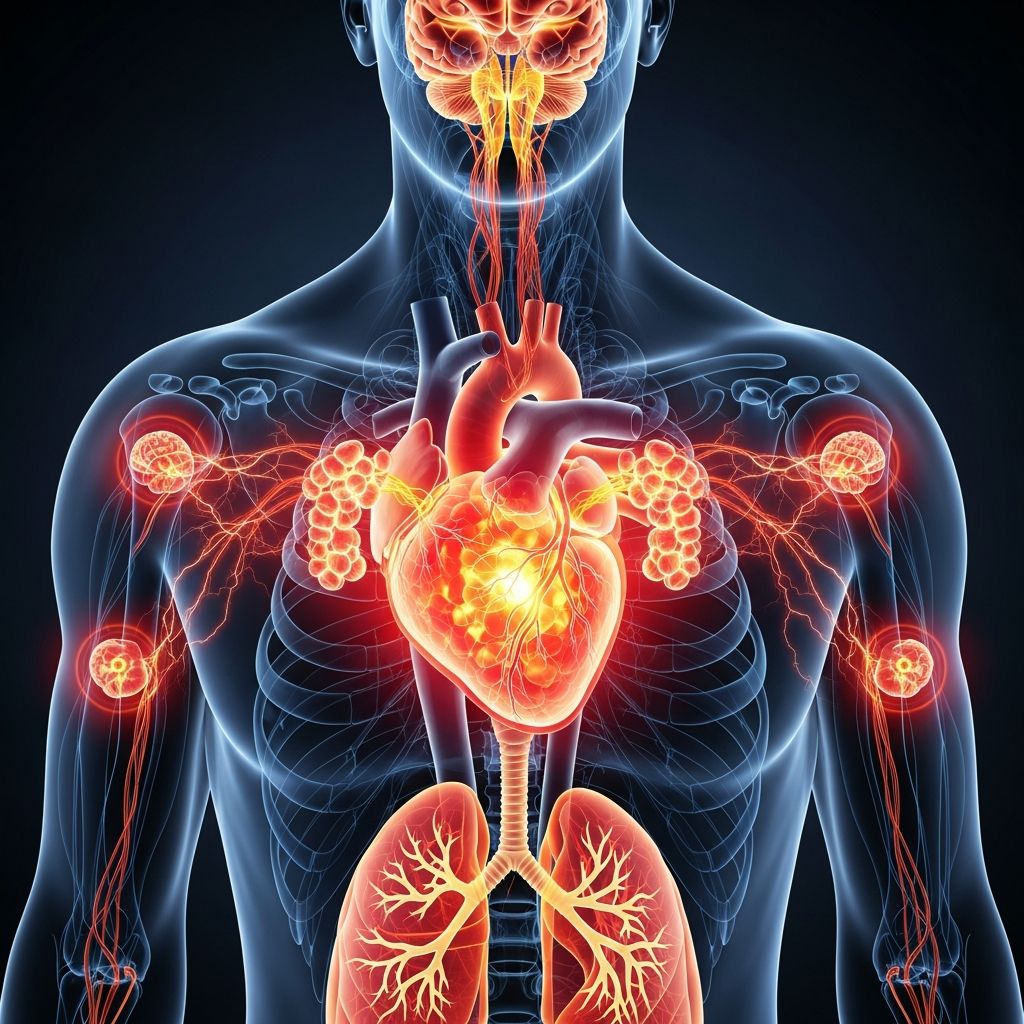
When adrenaline is released into your bloodstream, several immediate physiological changes occur:
- Your heart rate increases significantly, causing faster heartbeats
- Blood pressure rises to ensure adequate blood flow to muscles
- Your breathing becomes faster and more shallow
- Blood vessels constrict, redirecting blood to major muscles and away from the digestive system
- Your pupils dilate, improving vision
- Energy levels surge, providing strength for rapid action
- Mental alertness sharpens, helping you assess the situation quickly
These changes happen within moments of perceiving a threat. Your body essentially shifts into high-performance mode, suppressing functions that aren’t immediately necessary for survival, such as digestion and reproduction.
When Adrenaline Is Helpful
Adrenaline serves an important protective purpose in genuine dangerous situations. When you encounter real threats—such as a large dog barking at you, a car swerving into your lane, or another emergency—adrenaline helps you react appropriately and potentially save your life. Athletes and people engaged in high-intensity activities also experience beneficial adrenaline rushes that enhance performance and focus.
Adventure seekers and extreme sports enthusiasts intentionally pursue adrenaline rushes through activities like skydiving, rock climbing, and bungee jumping. In these controlled scenarios, people can experience the chemical rush—including dopamine and endorphins—without genuine danger, providing both excitement and a sense of accomplishment.
Related Stories



When Adrenaline Becomes Problematic
While adrenaline is beneficial in true emergencies, problems arise when your body releases it frequently without genuine danger present. Several situations can trigger inappropriate adrenaline release:
Anxiety and Panic Attacks
When anxiety causes panic attacks, your body releases adrenaline because it incorrectly perceives you’re in danger. These attacks put your body under significant stress each time, making your heart work harder than necessary. Chronic panic attacks can lead to health complications and diminished quality of life.
Nicotine and Stimulants
Nicotine makes your body release adrenaline, which causes your heart to beat faster and your blood pressure to rise. High blood pressure is concerning because it forces your heart to work harder, increasing your risk of cardiovascular disease over time.
Chronic Stress
When stressors are always present and you constantly feel under attack, your fight-or-flight reaction stays turned on. This chronic activation of the stress response system prevents your body from returning to normal functioning, leading to exhaustion, weakened immune function, and increased risk of serious health conditions.
Managing Excessive Adrenaline Release
If fear, anxiety, or panic attacks are making your body release adrenaline unnecessarily, there are evidence-based strategies to help manage these responses:
- Practice deep breathing exercises to calm your nervous system
- Engage in regular physical exercise to process stress hormones
- Use mindfulness meditation or progressive muscle relaxation
- Limit caffeine and nicotine consumption, which can trigger adrenaline release
- Establish a consistent sleep schedule to support nervous system regulation
- Spend time in nature or calming environments
- Practice yoga or tai chi for both physical and mental benefits
- Maintain social connections and seek emotional support
If these self-help methods don’t provide sufficient relief, scheduling a visit with your healthcare provider is important. They can identify underlying anxiety disorders, teach evidence-based coping techniques, and explore treatment options if necessary.
Adrenaline Disorders and Medical Conditions
In rare cases, your adrenal glands may produce too much adrenaline and noradrenaline, causing high blood pressure and other concerning symptoms. This can result from a condition called pheochromocytoma, a tumor of the adrenal gland that causes excessive hormone release. While such tumors are rare, healthcare providers can perform blood tests and imaging studies to check for this condition if you have unexplained high blood pressure or related symptoms.
Symptoms of pheochromocytoma include severe headaches, excessive sweating, rapid heart rate, and significant blood pressure spikes. If your healthcare provider suspects this condition, they may recommend surgical removal of the tumor to restore normal hormone levels.
The Body’s Natural Reset Mechanism
Fortunately, your body has built-in mechanisms to regulate adrenaline levels. The stress response system is self-limiting in normal circumstances. Once a perceived threat has passed, hormones return to typical levels as adrenaline and cortisol decline, your heart rate and blood pressure return to normal, and other body systems resume their regular activities.
This natural reset is why you feel calm after escaping a scary situation or completing an exciting adventure. Your autonomic nervous system automatically shifts from sympathetic activation (fight-or-flight) back to parasympathetic activation (rest-and-digest), allowing your body to recover and repair itself.
Adrenaline and Overall Health
Understanding your adrenaline response is crucial for maintaining long-term health. Frequent, unnecessary adrenaline rushes can contribute to various health problems including cardiovascular disease, weakened immune function, digestive issues, and mental health disorders. Conversely, completely avoiding the adrenaline response would prevent you from reacting appropriately to genuine dangers.
The key is finding balance—allowing your body to activate appropriately during real emergencies while minimizing unnecessary stress responses during everyday life. This balance is essential for optimal physical and mental well-being.
Frequently Asked Questions
Q: What exactly happens when you get an adrenaline rush?
A: When you get an adrenaline rush, your heart rate increases, blood pressure rises, breathing becomes faster, your pupils dilate, and energy levels surge. These changes prepare your body for immediate action in response to perceived danger.
Q: Is adrenaline the same as stress?
A: No, adrenaline is a hormone released in response to stress. While stress is a broader concept involving emotional and physical responses, adrenaline is a specific chemical your body produces as part of the stress response.
Q: Can you control your adrenaline response?
A: Yes, through techniques like deep breathing, meditation, exercise, and stress management strategies, you can learn to regulate your adrenaline response. However, in genuine emergencies, your body’s automatic adrenaline release is beneficial and difficult to suppress.
Q: Why do some people seek out adrenaline rushes?
A: People seek adrenaline rushes because the hormone triggers the release of dopamine and endorphins, which create feelings of pleasure, excitement, and accomplishment. Controlled adrenaline experiences can provide mental health benefits.
Q: When should I see a doctor about adrenaline issues?
A: You should consult a healthcare provider if you experience frequent adrenaline rushes unrelated to dangerous situations, chronic anxiety or panic attacks, unexplained high blood pressure, or if adrenaline-related symptoms are affecting your quality of life.
Q: How long does an adrenaline rush typically last?
A: A typical adrenaline rush lasts from a few minutes to approximately one hour, depending on the intensity of the trigger and your individual physiology. Once the threat passes, your body begins to normalize.
Q: What’s the difference between adrenaline and cortisol?
A: Adrenaline provides immediate, short-term physical preparation for fight-or-flight, while cortisol is your primary stress hormone that sustains the stress response longer-term by increasing blood glucose and enhancing alertness.
References
- Chronic stress puts your health at risk — Mayo Clinic. 2023-12-14. https://www.mayoclinic.org/healthy-lifestyle/stress-management/in-depth/stress/art-20046037
- Adrenaline: Where the hormone is located and what it does — Cleveland Clinic. 2022-05-19. https://my.clevelandclinic.org/health/body/23038-adrenaline
- Why Do We Like To Get Scared? — Cleveland Clinic Health. 2024. https://health.clevelandclinic.org/why-do-we-like-to-get-scared
- Adrenal Medulla: What It Is, Function and Diseases — Cleveland Clinic. 2024. https://my.clevelandclinic.org/health/body/23034-adrenal-medulla
- Adrenal Gland: What It Is, Function, Symptoms and Disorders — Cleveland Clinic. 2024. https://my.clevelandclinic.org/health/body/23005-adrenal-gland
Similar Articles








Read full bio of medha deb