ACTH Hormone: Function, Regulation & Health
Understanding ACTH: How your pituitary gland controls stress response and cortisol production.
Adrenocorticotropic Hormone (ACTH): What It Is & Function
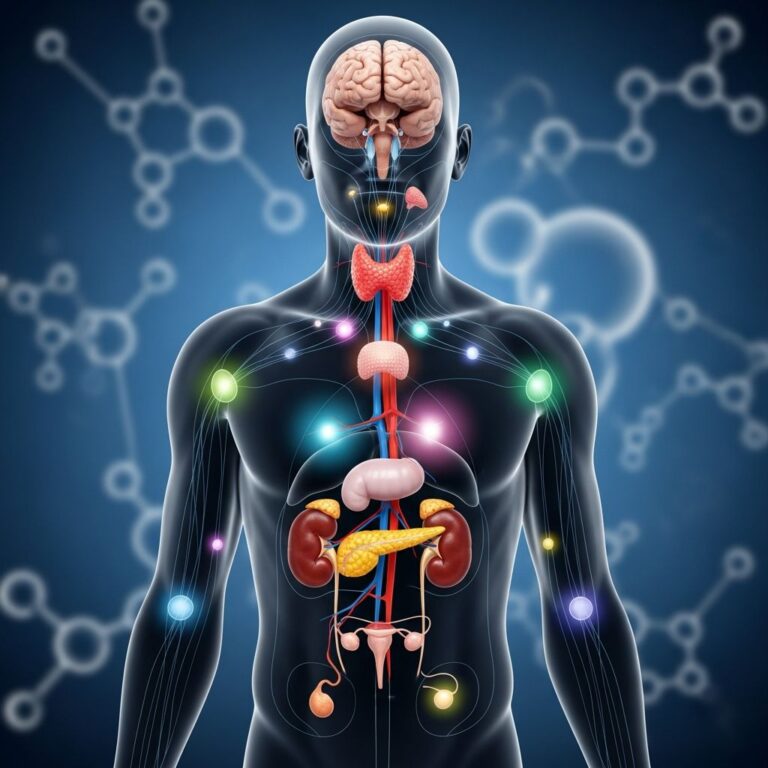
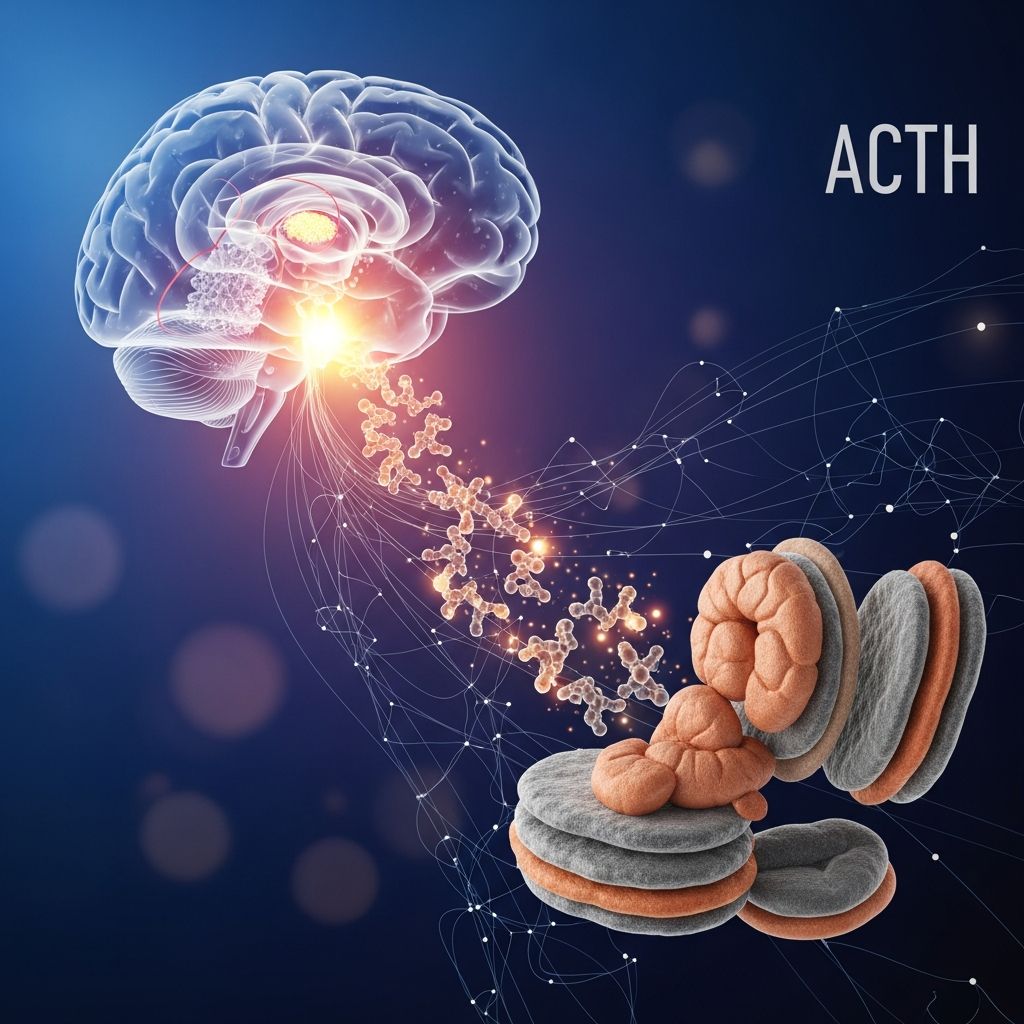
Adrenocorticotropic hormone (ACTH) is a hormone your pituitary gland releases that plays a crucial role in how your body responds to stress. The release of ACTH triggers your adrenal glands to produce cortisol, commonly known as the “stress hormone,” along with androgens (a group of sex hormones). Understanding ACTH and its functions is essential for maintaining overall health and recognizing when something might be wrong with your endocrine system.
What is ACTH?
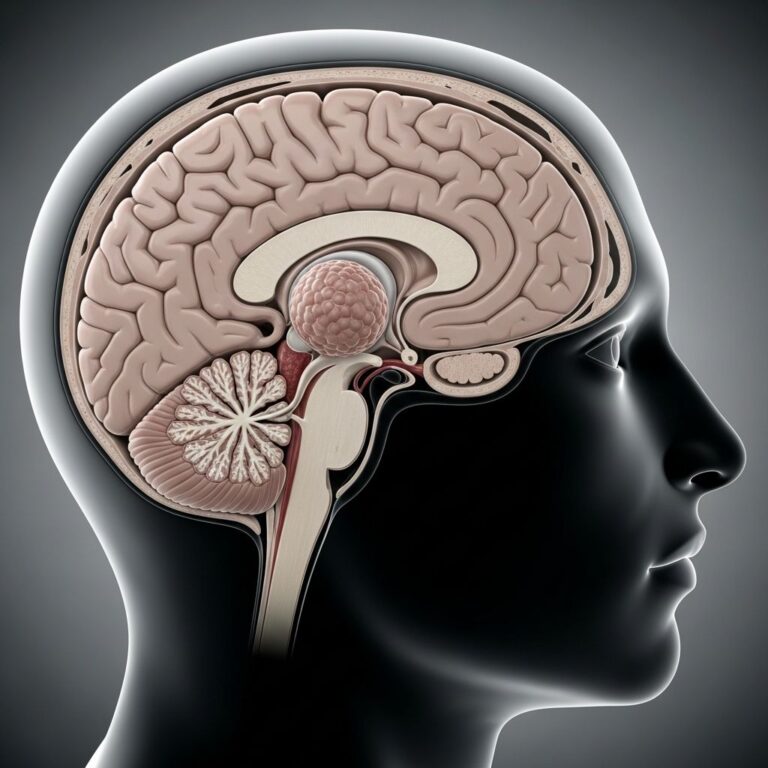
Adrenocorticotropic hormone is a peptide hormone produced by the corticotroph cells of the anterior pituitary gland. This small but mighty hormone serves as a critical messenger in your body’s stress response system. ACTH is part of a complex hormonal network that coordinates multiple physiological processes, from metabolism to immune function.
The pituitary gland, often called the “master gland,” sits at the base of your brain and controls many hormone-producing glands throughout your body. ACTH’s primary responsibility is signaling your adrenal glands—small endocrine organs located above each kidney—to produce and release cortisol and other hormones.
How Does ACTH Work?
The ACTH system operates as part of the hypothalamic-pituitary-adrenal (HPA) axis, a sophisticated communication network that orchestrates your body’s stress response. When your hypothalamus perceives a threat or stressor, it releases corticotropin-releasing hormone (CRH), which signals the anterior pituitary gland to release ACTH. This hormone then travels through the bloodstream to the adrenal glands, where it acts as a chemical messenger commanding these glands to produce and release cortisol and other hormones.
The HPA axis operates on a feedback loop system. When cortisol levels are adequate, they send feedback signals that reduce ACTH production. Conversely, when cortisol levels are low, the hypothalamus and pituitary increase ACTH production to stimulate more cortisol release. This elegant system maintains hormonal balance and ensures your body can appropriately respond to various stressors.
Functions of ACTH
Beyond its primary role in cortisol regulation, ACTH performs several important functions in your body:
- Stress Response Coordination: ACTH plays a central role in coordinating the adaptive responses your body enacts to cope with stress. Under stress conditions, increased ACTH levels trigger a cascade of physiological changes designed to help you respond effectively.
- Cortisol Production: ACTH stimulates your adrenal glands to release cortisol, which affects metabolism, blood pressure, immune function, and your ability to handle stress.
- Androgen Release: ACTH also plays a role in stimulating your adrenal glands to release androgens (sex hormones) and other chemical substances that influence adrenaline and noradrenaline production.
- Skin Pigmentation: ACTH can cause an increase in skin pigmentation through melanocyte-stimulating hormones derived from the same precursor molecule.
ACTH and Cortisol: Understanding the Connection
Cortisol, the hormone triggered by ACTH, has numerous essential functions in your body. These include regulating blood sugar levels, managing inflammation, supporting immune function, and helping your body respond to stress. Without adequate ACTH signaling, your adrenal glands cannot produce sufficient cortisol, leading to various health problems.
The relationship between ACTH and cortisol is reciprocal. When cortisol levels are high, your body naturally decreases ACTH production as a regulatory mechanism. When cortisol levels fall too low, ACTH levels rise to stimulate more cortisol production. This feedback mechanism ensures your body maintains cortisol within an optimal range.
Related Stories



ACTH Regulation and the HPA Axis
Your body controls adrenocorticotropic hormone levels through a sophisticated feedback system involving your hypothalamus, pituitary gland, adrenal glands, and various hormones. This interconnected system is called the hypothalamic-pituitary-adrenal (HPA) axis, and it’s one of the most important regulatory systems in your body.
The HPA axis operates continuously, adjusting hormone levels based on your body’s needs and environmental stressors. When you experience physical or emotional stress, this axis activates, increasing ACTH and cortisol production to mobilize energy and prepare your body for action. Once the stressor passes, the system returns to baseline, gradually reducing hormone production.
Normal ACTH Levels
Like cortisol, the level of ACTH in your blood normally peaks in the early morning and gradually declines throughout the day, reaching its lowest level around midnight. This circadian rhythm pattern is crucial for maintaining healthy sleep-wake cycles and overall hormonal balance.
Because of this daily fluctuation, ACTH tests usually require a morning blood draw for accurate results. In general, the normal range for ACTH levels is 7.2 to 63.3 picograms per milliliter (pg/mL) from 7:00 a.m. to 10:00 a.m. However, this normal range can change if you work night shifts and sleep at different times of the day, as your circadian rhythm adjusts accordingly.
High and Low ACTH Levels
High ACTH Levels
If you have high levels of adrenocorticotropic hormone, you’ll likely also have high cortisol levels. Since cortisol affects your body in numerous ways, you’ll typically experience symptoms related to high cortisol rather than high ACTH specifically. These may include weight gain, mood changes, high blood pressure, and weakened immune function.
High ACTH can result from various conditions, including Cushing’s syndrome, ectopic ACTH production from tumors, or certain pituitary disorders. Additionally, long-term use of high doses of steroid medications can elevate cortisol levels, which may influence ACTH production.
Low ACTH Levels
In cases where your adrenal glands don’t produce enough cortisol, you may have increased ACTH levels as your body attempts to compensate. However, low ACTH with low cortisol levels indicates hypopituitarism—a condition where a pituitary tumor or damage to your pituitary gland may prevent it from making enough ACTH. Without sufficient ACTH stimulation, your adrenal glands aren’t stimulated to produce adequate cortisol, and over time, they may shrink.
Another cause of elevated ACTH is primary adrenal insufficiency, such as Addison’s disease, which occurs when the adrenals are damaged or malfunctioning and cannot produce enough cortisol. This can result from autoimmune conditions or infections like tuberculosis. In Addison’s disease, lower-than-expected cortisol levels send feedback signals that cause the pituitary to produce excess ACTH in attempts to stimulate the failing adrenal glands.
ACTH and Stress Response
ACTH plays a fundamental role in coordinating your body’s adaptive responses to stress. Under stressful conditions, the HPA axis activates with a release of corticotropin-releasing hormone (CRH) from the hypothalamus, leading to an increase in ACTH release from the anterior pituitary gland. ACTH then travels through the bloodstream to the adrenal glands, where it stimulates an increase in cortisol release.
This stress response system has evolved over thousands of years to help humans survive threats. When you encounter a stressor—whether physical danger, emotional challenge, or even just thinking about a difficult situation—your HPA axis activates, flooding your body with cortisol and other stress hormones. This “fight or flight” response increases heart rate, redirects blood flow to muscles, and enhances mental alertness.
However, chronic stress can lead to prolonged elevation of ACTH and cortisol, which may contribute to health problems including weakened immunity, weight gain, high blood pressure, and mood disorders. Learning to manage stress through exercise, meditation, and other relaxation techniques can help maintain healthy ACTH and cortisol levels.
ACTH Testing and Diagnosis
Healthcare providers use ACTH testing to help diagnose conditions affecting cortisol levels and the endocrine system. Because ACTH controls how much cortisol you produce, ACTH testing is usually done alongside blood tests to measure cortisol levels. ACTH stimulation tests are commonly used to help determine whether a problem with your adrenal glands is causing low cortisol levels, measuring cortisol levels before and after an injection of synthetic ACTH.
The ACTH level is also the most reliable way to differentiate primary adrenal insufficiency from secondary adrenal insufficiency. In primary insufficiency, ACTH levels are high because the adrenal glands cannot respond appropriately. In secondary insufficiency, both ACTH and cortisol levels are low because the pituitary gland isn’t producing enough ACTH.
When to Contact Your Healthcare Provider
Adrenocorticotropic hormone is essential for regulating your cortisol levels. If you’re experiencing symptoms of high or low cortisol levels, such as weight gain or loss, high or low blood pressure, mood changes, or unusual fatigue, it’s important to contact your healthcare provider. They may order cortisol and ACTH blood tests to determine whether your adrenal glands or pituitary gland are responsible for your symptoms.
Treatment depends on the underlying cause. In Addison’s disease or primary adrenal insufficiency, synthetic versions of cortisol are used to replete deficient hormones. Medications like hydrocortisone are used chronically to replenish cortisol to normal levels and regulate the feedback signals that normalize ACTH levels.
Frequently Asked Questions (FAQs)
Q: What does ACTH stand for?
A: ACTH stands for Adrenocorticotropic Hormone. It is a peptide hormone produced by the anterior pituitary gland that stimulates the adrenal glands to produce cortisol.
Q: What are normal ACTH levels?
A: The normal range for ACTH levels is typically 7.2 to 63.3 picograms per milliliter (pg/mL) when measured between 7:00 a.m. and 10:00 a.m., accounting for the hormone’s circadian rhythm pattern.
Q: How does the HPA axis work?
A: The hypothalamic-pituitary-adrenal (HPA) axis is a feedback system where the hypothalamus releases CRH, signaling the pituitary to release ACTH, which then triggers the adrenal glands to produce cortisol. Cortisol levels then feedback to regulate further hormone production.
Q: What causes high ACTH levels?
A: High ACTH levels can result from Cushing’s syndrome, ectopic ACTH-producing tumors, primary pituitary disorders, or be compensatory in response to low cortisol production by the adrenal glands.
Q: What conditions are associated with low ACTH levels?
A: Low ACTH levels are associated with secondary adrenal insufficiency, pituitary damage or tumors, and hypopituitarism. When ACTH is low, cortisol production also decreases, leading to symptoms of cortisol deficiency.
Q: Why is ACTH testing usually done in the morning?
A: ACTH follows a circadian rhythm, peaking in the early morning and declining throughout the day. Morning blood draws ensure standardized, accurate test results for proper diagnosis.
Q: How is primary adrenal insufficiency treated?
A: Primary adrenal insufficiency, such as Addison’s disease, is treated with synthetic cortisol medications like hydrocortisone, taken chronically to replenish cortisol levels and normalize ACTH production.
Q: What is the relationship between ACTH and cortisol?
A: ACTH stimulates the adrenal glands to produce and release cortisol. The relationship is reciprocal—high cortisol provides negative feedback to decrease ACTH, while low cortisol triggers increased ACTH production.
References
- ACTH Hormone: Roles, Regulation, and Health Implications — Rupa Health. Retrieved from https://www.rupahealth.com/post/acth-hormone-roles-regulation-and-health-implications
- ACTH (Cosyntropin) Stimulation Test: What It Is & Results — Cleveland Clinic. Retrieved from https://my.clevelandclinic.org/health/diagnostics/24143-acth-stimulation-test
- Adrenocorticotropic Hormone (ACTH): MedlinePlus Medical Test — National Library of Medicine. Retrieved from https://medlineplus.gov/lab-tests/adrenocorticotropic-hormone-acth/
- Adrenocorticotropic Hormone (ACTH): What It Is & Function — Cleveland Clinic. Retrieved from https://my.clevelandclinic.org/health/articles/23151-adrenocorticotropic-hormone-acth
- Adrenocorticotropic Hormone (ACTH) — Britannica. Retrieved from https://www.britannica.com/science/adrenocorticotropic-hormone
- Primary Adrenal Insufficiency in Adults: When to Suspect, How to Confirm the Diagnosis, and How to Manage the Patient — Cleveland Clinic Journal of Medicine. Retrieved from https://www.ccjm.org/content/91/9/553
Similar Articles








Read full bio of medha deb