Adrenoleukodystrophy: Understanding ALD Symptoms and Treatment
Comprehensive guide to adrenoleukodystrophy, its causes, symptoms, diagnosis, and modern treatment options.
Understanding Adrenoleukodystrophy (ALD)
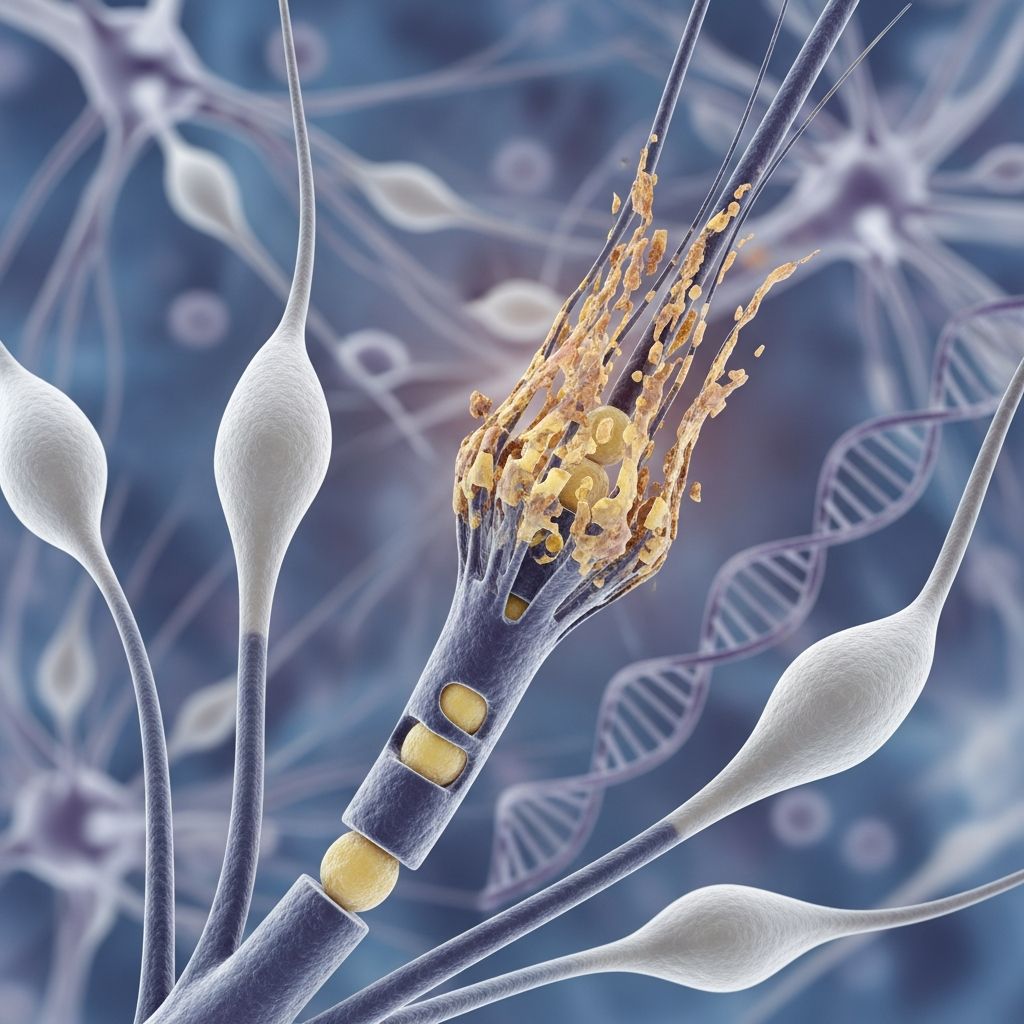
Adrenoleukodystrophy, commonly known as ALD, is a rare inherited metabolic disorder that affects the nervous system and adrenal glands. This condition represents one of a group of peroxisomal disorders characterized by the buildup of very long-chain fatty acids (VLCFAs) in various tissues throughout the body. The disease can manifest in different forms with varying severity and age of onset, making it a complex condition requiring specialized medical understanding and management.
ALD is caused by mutations in the ABCD1 gene, which encodes the adrenoleukodystrophy protein (ALDP). This protein is responsible for transporting very long-chain fatty acids into peroxisomes for breakdown and metabolism. When this transport mechanism fails, these fatty molecules accumulate in the brain, spinal cord, and adrenal glands, leading to progressive damage to the myelin sheath and adrenal tissue.
Forms of Adrenoleukodystrophy
ALD presents in several distinct forms, each with different clinical characteristics and progression patterns:
Childhood Cerebral ALD (cALD)
The childhood cerebral form is the most severe manifestation of ALD, typically appearing between ages four and eight, though symptoms can develop in adulthood. This form involves progressive damage to the white matter of the brain and can lead to significant neurological deterioration if left untreated. Early recognition and intervention are critical for this type.
Adrenomyeloneuropathy (AMN)
Adrenomyeloneuropathy is an adult-onset form that develops more slowly than the cerebral type. This milder variant typically begins between ages 21 and 35 and primarily affects the spinal cord and peripheral nerves. Symptoms generally progress gradually, allowing patients more time for adaptation and management strategies.
Addison’s Disease Form
Some individuals with ALD experience primarily adrenal gland dysfunction, manifesting as a condition known as Addison’s disease or adrenal insufficiency. In this form, the adrenal glands fail to produce adequate amounts of critical hormones, leading to metabolic complications and requiring hormone replacement therapy.
Symptoms and Clinical Presentation
The symptoms of ALD vary significantly depending on the form of the disease and the individual affected:
Childhood Cerebral ALD Symptoms
Individuals with the childhood cerebral form may experience:
– Behavioral changes and cognitive decline- Difficulty walking or swallowing- Muscle cramps and spasticity- Hearing loss- Seizures- Vision problems- Gradual loss of previous abilities
Adrenomyeloneuropathy Symptoms
Patients with AMN typically experience:
– Progressive stiffness and weakness in the legs- Gradual loss of mobility and coordination- Bladder and bowel dysfunction- Erectile dysfunction in men- Progressive neurological decline
Adrenal Insufficiency Symptoms
When ALD affects primarily the adrenal glands, symptoms may include:
– Fatigue and general weakness- Unintended weight loss- Nausea and vomiting- Gastrointestinal disturbances- Morning headaches- Low blood pressure (hypotension)- Low blood sugar levels (hypoglycemia)- Darkening of skin (hyperpigmentation), including areas not exposed to sunlight
Related Stories



Many individuals with ALD remain asymptomatic for years or throughout their lives. However, adrenal insufficiency is nearly universal among patients with X-ALD, making regular screening essential even in asymptomatic individuals.
Diagnosis of Adrenoleukodystrophy
Accurate diagnosis of ALD requires a combination of clinical evaluation, laboratory testing, and genetic analysis:
Clinical Assessment
Physicians begin with a thorough medical history and physical examination, looking for characteristic neurological signs and symptoms. Family history is particularly important since ALD is inherited as an X-linked recessive disorder.
Very Long-Chain Fatty Acid (VLCFA) Testing
Blood tests measuring VLCFA levels provide important diagnostic information. Elevated levels of C26:0 and other very long-chain fatty acids are characteristic of ALD and help confirm the diagnosis.
Adrenal Function Testing
The ACTH stimulation test is used to evaluate adrenal gland function. This test measures cortisol response following administration of adrenocorticotropic hormone. Abnormal results indicate adrenal insufficiency, which is present in nearly all ALD patients.
Genetic Testing
Molecular genetic testing can identify mutations in the ABCD1 gene, confirming the diagnosis of ALD. This testing is available through specialized laboratories and provides definitive confirmation of the disease.
Neuroimaging Studies
MRI of the brain can reveal white matter abnormalities characteristic of ALD and help determine the extent of neurological involvement. These imaging studies are crucial for monitoring disease progression and evaluating treatment response.
Treatment Options for ALD
While ALD currently has no cure, several evidence-based treatment approaches can slow progression, prevent deterioration, or manage symptoms:
Stem Cell Transplantation
Stem cell transplantation, also called bone marrow transplant (BMT) or hematopoietic stem cell transplant (HSCT), represents a significant advancement in ALD treatment. When performed early in the disease course, particularly at the onset of neurological symptoms in childhood cerebral ALD, stem cell transplants can halt disease progression and prevent further neurological damage.
The transplant process involves several steps. First, chemotherapy and sometimes radiation therapy are administered to eliminate unhealthy cells in the bone marrow and create space for donor cells. Subsequently, healthy donor stem cells are infused intravenously into the patient’s bloodstream. These cells migrate to the bone marrow, where they begin producing healthy blood-forming cells and preventing the accumulation of damaged cells.
Gene Therapy
Gene therapy represents an exciting emerging treatment option with promising early results. In a recent clinical trial, boys with early-stage cerebral ALD treated with gene therapy showed remarkable outcomes, with disease progression stabilizing in 88 percent of participants. Gene therapy works by replacing the defective ABCD1 gene with a functional copy, enabling the production of active enzyme and theoretically preventing disease development and progression.
Unlike stem cell transplants, gene therapy offers the potential advantage of a permanent correction since the normal gene can produce working protein at all sites of disease. However, additional research is ongoing to fully assess long-term safety and effectiveness of this approach.
Adrenal Insufficiency Management
Since nearly all ALD patients develop adrenal insufficiency, regular monitoring of adrenal function is essential. Corticosteroid replacement therapy can effectively treat adrenal insufficiency and may be lifesaving. This treatment restores adequate hormone levels and prevents the metabolic complications associated with adrenal gland failure.
Lorenzo’s Oil
Lorenzo’s Oil, a mixture of oleic acid and erucic acid, has shown promise in preventing or delaying the childhood cerebral form when administered to boys with X-ALD prior to symptom onset. However, its effectiveness in other ALD forms remains uncertain.
Symptomatic and Supportive Treatments
Beyond disease-modifying therapies, several supportive approaches help manage symptoms and improve quality of life:
– Physical therapy to reduce muscle spasticity, improve mobility, and prevent contractures- Medications to control seizures and muscle stiffness- Mobility aids including wheelchairs and other assistive devices as needed- Psychological support for patients and families- Special education programs for affected children- Occupational therapy for activities of daily living- Speech therapy for swallowing difficulties
Living with Adrenoleukodystrophy
Managing ALD requires ongoing medical surveillance and multidisciplinary care. Regular monitoring of adrenal function and neurological status allows physicians to intervene promptly when changes occur. Patients and families should maintain close relationships with their medical team and seek care at specialized centers experienced in managing peroxisomal disorders.
Genetic counseling is important for affected families, particularly regarding reproductive decisions and screening of at-risk relatives. Women who are carriers for ALD may develop a mild form of adrenomyeloneuropathy, and genetic counseling can help them understand their risks and options.
Research and Future Directions
The landscape of ALD treatment continues to evolve with promising research developments. Novel therapies including advanced gene therapy approaches and gene editing technologies have demonstrated potential in animal models and early clinical studies. The American Academy of Neurologists has recently released consensus guidelines on the diagnosis, surveillance, and management of ALD, providing evidence-based recommendations for clinicians.
Frequently Asked Questions
Q: Is adrenoleukodystrophy curable?
A: Currently, there is no cure for ALD. However, stem cell transplantation and gene therapy can halt or slow disease progression when performed early, particularly in the childhood cerebral form.
Q: How is ALD inherited?
A: ALD is inherited as an X-linked recessive disorder caused by mutations in the ABCD1 gene. Males are more severely affected than females, though female carriers can develop mild symptoms.
Q: What is the life expectancy for someone with ALD?
A: Life expectancy varies depending on the form of ALD and the individual. With appropriate treatment and management, many people with ALD can live many years, though the childhood cerebral form can progress more rapidly without intervention.
Q: Can ALD be detected before symptoms appear?
A: Yes, ALD can be identified through newborn screening programs that measure VLCFA levels, and through genetic testing in at-risk family members. Early detection enables timely intervention before symptom onset.
Q: What should I do if I suspect I or my child has ALD?
A: Consult with a neurologist or physician specializing in metabolic disorders. They can perform appropriate testing and refer you to specialized ALD centers if diagnosis is confirmed.
References
- Adrenoleukodystrophy – Symptoms and causes — Mayo Clinic. 2020-02-07. https://www.mayoclinic.org/diseases-conditions/adrenoleukodystrophy/symptoms-causes/syc-20369157
- Adrenoleukodystrophy — BrainFacts, National Institute of Neurological Disorders and Stroke (NINDS). https://www.brainfacts.org/diseases-and-disorders/neurological-disorders-az/diseases-a-to-z-from-ninds/adrenoleukodystrophy
- Adrenoleukodystrophy – Diagnosis and treatment — Mayo Clinic. 2020-02-07. https://www.mayoclinic.org/diseases-conditions/adrenoleukodystrophy/diagnosis-treatment/drc-20369160
- Adrenoleukodystrophy (ALD) — Great Ormond Street Hospital, NHS. https://www.gosh.nhs.uk/conditions-and-treatments/conditions-we-treat/adrenoleukodystrophy/
- Adrenoleukodystrophy (ALD) Treatment — National Marrow Donor Program (NMDP). https://www.nmdp.org/patients/understanding-transplant/diseases-treated-by-transplant/adrenoleukodystrophy
- X-Linked Adrenoleukodystrophy – Symptoms, Causes, Treatment — National Organization for Rare Disorders (NORD). https://rarediseases.org/rare-diseases/adrenoleukodystrophy/
- An update on the diagnosis and treatment of adrenoleukodystrophy — PubMed Central, National Center for Biotechnology Information (NCBI). 2022. https://pubmed.ncbi.nlm.nih.gov/36373727/
Similar Articles








Read full bio of Sneha Tete