Adult Acne: Expert Answers and Prevention Tips
Discover why adult acne occurs and learn expert strategies to prevent and treat breakouts effectively.
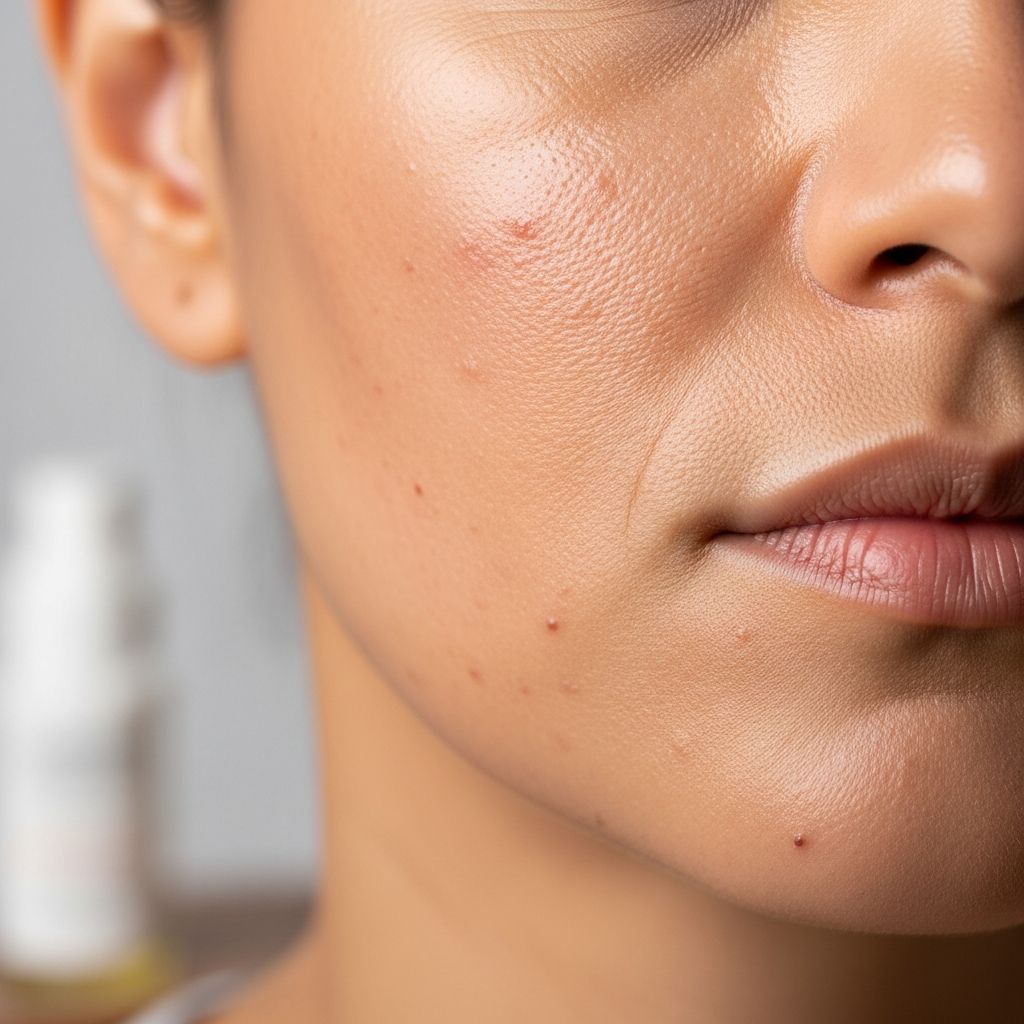
Adult Acne: Understanding Why It Happens and How to Prevent It
Many people believe acne is exclusively a teenage problem, something that naturally disappears after adolescence. However, adult acne remains surprisingly common, affecting millions of people well into their 20s, 30s, 40s, and beyond. While acne most often affects adolescents, it is not uncommon in adults and can even appear in those who never struggled with breakouts during their teenage years. Understanding the underlying causes of adult acne and implementing preventative strategies can help you maintain clearer skin and avoid the frustration of unexpected breakouts.
What Is Acne and How Does It Develop?
Acne vulgaris is one of the most common skin disorders treated by dermatologists. Despite its prevalence, many people don’t fully understand the biological mechanisms that create acne. Acne develops through a complex process involving multiple factors that work together to create the inflammatory lesions we recognize as pimples, blackheads, and whiteheads.
The pathogenesis of acne involves four primary components: abnormal follicular keratinization and occlusion, excessive oil or sebum production, bacterial superinfection with Cutibacterium acnes (formerly known as Propionibacterium acnes), and the release of inflammatory mediators. When your skin produces excess sebum, hair follicles can become clogged with dead skin cells and oil. This creates an ideal environment for bacteria to thrive, leading to inflammation and the formation of acne lesions.
Why Adult Acne Occurs
Adult acne develops for different reasons than teenage acne, though the underlying biological mechanisms remain similar. Several factors specifically contribute to acne breakouts in adults:
- Hormonal Fluctuations: In women, hormonal changes associated with menstrual cycles, pregnancy, and menopause can trigger or worsen acne. Even in adults, hormonal imbalances can overstimulate sebaceous glands to produce excess oil.
- Stress: Adult life often involves significant stress from work, relationships, and financial responsibilities. Stress triggers the release of hormones that can increase sebum production and inflammation, exacerbating acne.
- Dietary Factors: Research suggests that certain foods, particularly those high in refined carbohydrates and dairy products, may contribute to acne development in some individuals.
- Skincare Products: Heavy moisturizers, comedogenic makeup, and harsh cleansers can clog pores and irritate skin, leading to breakouts.
- Medications: Certain medications, including corticosteroids and lithium, can trigger or worsen acne as a side effect.
- Environmental Factors: Humidity, pollution, and friction from tight clothing or equipment can contribute to acne development.
- Inadequate Skincare Routine: Not properly cleansing and caring for your skin can allow bacteria and dead skin cells to accumulate on the surface.
Understanding Acne Grading and Classification
Dermatologists use standardized classification systems to assess acne severity and determine appropriate treatment approaches. This evidence-based approach helps ensure that patients receive the most effective therapy for their specific condition. Acne can range from mild cases with occasional comedones to severe inflammatory acne involving numerous cystic lesions. Understanding where your acne falls on the severity spectrum helps guide treatment decisions.
Expert Tips for Preventing Adult Acne
Prevention is always preferable to treatment when possible. Johns Hopkins dermatologists recommend three primary strategies for preventing blackheads and pimples:
1. Maintain a Consistent Cleansing Routine
The foundation of acne prevention begins with proper cleansing. Wash your face twice daily with a gentle, non-comedogenic cleanser and lukewarm water. Avoid harsh scrubbing, which can irritate skin and worsen inflammation. After cleansing, pat your skin dry gently rather than rubbing vigorously. This simple habit removes excess oil, bacteria, and dead skin cells that accumulate throughout the day.
Related Stories



2. Choose Non-Comedogenic Products
All skincare and cosmetic products applied to your face should be labeled as “non-comedogenic,” meaning they won’t clog pores. This includes moisturizers, sunscreen, foundation, and other makeup. Comedogenic products can trap bacteria and oil within follicles, creating ideal conditions for acne development. Additionally, avoid products containing heavy oils or silicones that can accumulate on skin and contribute to breakouts.
3. Practice Hands-Off Skincare
Touching your face throughout the day transfers bacteria and dirt from your hands to your skin, increasing breakout risk. Avoid resting your chin in your hands, rubbing your face, or picking at existing blemishes. These habits can introduce bacteria into follicles and cause inflammation to spread. Additionally, keep hair off your face if possible, as hair can trap oil and bacteria against skin.
Topical Treatment Options
For mild to moderate acne, topical treatments applied directly to the skin often provide effective results. Evidence-based guidelines recommend several proven topical therapies:
| Treatment Type | How It Works | Best For |
|---|---|---|
| Benzoyl Peroxide | Kills acne-causing bacteria and reduces inflammation | Mild to moderate inflammatory acne |
| Salicylic Acid | Exfoliates dead skin cells and unclogs pores | Comedonal acne (blackheads and whiteheads) |
| Retinoids | Normalizes follicular keratinization and reduces oil production | All types of acne; prevents future breakouts |
| Topical Antibiotics | Reduces bacterial growth and inflammation | Inflammatory acne; often combined with benzoyl peroxide |
Systemic Treatment Approaches
When acne is moderate to severe or doesn’t respond to topical treatments, systemic medications taken orally may be necessary. Dermatologists may recommend oral antibiotics, hormonal therapies, or in severe cases, isotretinoin (Accutane). These treatments address acne at a systemic level, reducing the factors that contribute to breakout development throughout the body.
Oral Antibiotics
Tetracyclines, including doxycycline and minocycline, represent first-line oral antibiotic choices for moderate acne. These medications reduce bacterial populations and possess anti-inflammatory properties that help calm inflamed skin. Treatment typically continues for several months, with gradual improvement in acne severity.
Hormonal Therapy
For women experiencing hormonally-driven acne, oral contraceptives or anti-androgen medications like spironolactone can effectively reduce breakouts. These medications regulate hormonal fluctuations that trigger excess sebum production, making them particularly useful for cyclical acne patterns.
Isotretinoin
Reserved for severe, treatment-resistant acne, isotretinoin represents the only cure for acne. This powerful medication, taken orally for several months, can permanently clear acne in most patients. However, due to potential side effects and teratogenicity, isotretinoin requires careful monitoring and strict adherence to safety protocols.
Specialized Treatment Modalities
Beyond traditional topical and systemic therapies, dermatologists may recommend light-based therapies or other specialized treatments. These approaches can help reduce bacteria, decrease inflammation, and improve overall skin appearance. Blue light therapy, in particular, has shown promise in targeting acne-causing bacteria, though evidence suggests combining light therapy with conventional treatments yields optimal results.
Lifestyle Modifications for Clearer Skin
Supporting your acne treatment plan with healthy lifestyle choices enhances results and reduces breakout frequency. Consider implementing these modifications:
- Manage Stress: Practice stress-reduction techniques such as meditation, yoga, exercise, or adequate sleep. Reducing stress hormones decreases sebum production and inflammation.
- Review Your Diet: While the relationship between diet and acne remains debated, some evidence suggests reducing refined carbohydrates and high-glycemic foods may help certain individuals.
- Stay Hydrated: Drinking adequate water supports overall skin health and helps flush toxins from your system.
- Exercise Regularly: Physical activity improves circulation, reduces stress, and supports overall health, which can positively impact skin.
- Change Pillowcases Frequently: Bacteria and oil accumulate on pillowcases, transferring to facial skin during sleep. Changing pillowcases every few days or sleeping on clean fabric can reduce breakouts.
- Avoid Smoking: Smoking damages skin’s barrier function and delays healing of acne lesions.
When to Consult a Dermatologist
If your acne doesn’t improve after six to eight weeks of consistent home treatment, or if you experience severe, painful cystic acne, schedule an appointment with a dermatologist. Dermatologists possess specialized expertise in diagnosing acne severity and prescribing appropriate treatments based on evidence-based guidelines. They can also identify potential underlying conditions or medication side effects contributing to your acne.
Frequently Asked Questions About Adult Acne
Q: Is adult acne different from teenage acne?
A: While the biological mechanisms are similar, adult acne typically develops from different triggers. Adults often experience acne related to hormonal fluctuations, stress, and skincare product choices rather than the puberty-driven hormonal changes that cause teenage acne. Adult acne frequently appears along the jawline and chin area.
Q: Can diet really cause acne?
A: While not every person’s acne is diet-related, emerging research suggests that high-glycemic foods and dairy consumption may worsen acne in susceptible individuals. Keeping a food diary to identify personal dietary triggers can help determine if dietary modifications might benefit your specific situation.
Q: How long does acne treatment typically take to show results?
A: Most acne treatments require six to eight weeks of consistent use before significant improvement becomes visible. Patience and adherence to your treatment plan are essential, as skin cell turnover and inflammation reduction occur gradually.
Q: Can stress cause acne breakouts?
A: Yes, stress triggers the release of hormones that stimulate sebaceous glands to produce excess oil and increase skin inflammation. Managing stress through exercise, meditation, adequate sleep, and relaxation techniques can help reduce stress-related breakouts.
Q: Are over-the-counter acne products effective for adults?
A: Over-the-counter products containing benzoyl peroxide or salicylic acid can effectively treat mild acne. However, moderate to severe acne typically requires prescription-strength treatments prescribed by a dermatologist.
Q: Will washing my face more frequently help clear acne?
A: Contrary to common belief, excessive face washing can irritate skin and worsen acne. Gentle cleansing twice daily is ideal. Washing more frequently strips away natural oils, prompting your skin to overproduce sebum to compensate.
Q: Can hormonal birth control help adult acne?
A: Yes, for women, certain oral contraceptives can significantly reduce hormonally-driven acne. Discussing hormonal treatment options with your dermatologist or gynecologist can determine whether this approach suits your specific situation.
Conclusion
Adult acne doesn’t have to be a permanent frustration. By understanding the factors that contribute to breakouts and implementing expert-recommended prevention strategies, you can achieve and maintain clearer skin. Consistent cleansing with non-comedogenic products, avoiding touching your face, and choosing appropriate skincare products form the foundation of acne prevention. When breakouts occur despite preventative efforts, evidence-based treatments ranging from topical therapies to systemic medications can effectively clear acne and restore your confidence. If over-the-counter approaches prove insufficient, consulting a dermatologist ensures you receive personalized treatment based on your specific acne type and severity. With the right approach and professional guidance, adult acne is highly manageable.
References
- Guidelines of care for the management of acne vulgaris — Zaenglein, A. L., et al. Journal of the American Academy of Dermatology. 2016-05. https://doi.org/10.1016/j.jaad.2015.12.037
- Acne Vulgaris — Hoffmann, C. J. Johns Hopkins ABX Guide, The Johns Hopkins University. 2023-10-08. https://www.hopkinsguides.com/hopkins/view/Johns_Hopkins_ABX_Guide/540004/all/Acne_Vulgaris
Similar Articles








Read full bio of medha deb