Adult Acne: Understanding Causes and Banishing Breakouts
Discover why adult acne occurs and effective strategies to treat breakouts and achieve clear skin.
Understanding Adult Acne: Why Breakouts Persist Beyond Your Teens
Many adults believe that acne is purely a teenage problem—a rite of passage that ends once you enter your twenties. Unfortunately, this assumption couldn’t be further from the truth. Adult acne is remarkably common and affects millions of people well into their thirties, forties, and beyond. In fact, dermatologists define adult acne as any acne that occurs after age 25, and some individuals experience their first acne breakout for the very first time as adults, a phenomenon known as adult-onset acne. This can be particularly frustrating because many adults have moved past their teenage skincare routines, only to find themselves battling unexpected blemishes and breakouts in midlife.
The prevalence of adult acne is more widespread than many realize. According to dermatological research, adult acne is more common among women than men, especially those experiencing menopause or significant hormonal changes. The American Academy of Dermatology notes that some adults continue to experience acne well into their 30s, 40s, and even 50s. Understanding why this occurs and how to effectively treat it is essential for anyone struggling with these persistent skin concerns.
The Root Causes of Adult Acne
Adult acne is fundamentally the same condition that affects teenagers, stemming from the same basic biological processes. However, the triggers and contributing factors often differ significantly in adults. Understanding these underlying causes is the first step toward effective treatment and prevention.
Direct Factors Contributing to Acne Formation
Acne develops through a combination of four primary biological factors that work together to create the conditions for breakouts:
- Clogged pores: Dead skin cells accumulate within hair follicles and mix with sebum, creating blockages that trap bacteria and promote inflammation.
- Excess oil production: The sebaceous glands produce too much sebum, which can combine with dead skin cells to clog pores and create an ideal environment for bacterial growth.
- Bacterial growth: The bacterium Cutibacterium acnes (formerly known as Propionibacterium acnes) thrives in the oxygen-depleted environment of clogged pores, multiplying and triggering immune responses.
- Inflammation: The immune system responds to bacterial presence and other irritants by triggering an inflammatory response, leading to redness, swelling, and the characteristic appearance of acne lesions.
Hormonal Fluctuations and Menstrual Cycles
One of the most significant contributors to adult acne in women is hormonal imbalance. Fluctuating hormone levels can trigger oil gland stimulation and lead to breakouts, particularly around the menstrual cycle. Women often experience hormonal fluctuations during their periods, pregnancy, perimenopause, and menopause. Additionally, starting or discontinuing birth control pills can cause hormonal shifts that result in acne flare-ups. This hormonal connection explains why many women notice their acne worsens at specific times during their monthly cycle and why treatment approaches may need to address hormonal factors.
Stress and Its Impact on Skin
Chronic stress is a powerful acne trigger that many adults overlook. Researchers have established a clear relationship between stress levels and acne flare-ups. When the body experiences stress, it produces increased levels of androgens—a class of hormones that stimulate both oil glands and hair follicles in the skin. This hormonal response can trigger or significantly worsen acne, explaining why breakouts often coincide with particularly stressful periods at work or in personal life. For individuals under constant stress, acne can become an ongoing problem that seems resistant to typical skincare interventions.
Genetic Predisposition
Family history plays a noteworthy role in adult acne susceptibility. Research suggests that some people inherit a genetic predisposition toward acne development. If close blood relatives—such as parents, siblings, or other immediate family members—have experienced acne, you may be more likely to develop adult-onset acne or experience prolonged acne into adulthood. This genetic component means that even if you escaped acne during your teenage years, you might still develop it as an adult if family members struggled with the condition.
Environmental and Lifestyle Factors
Beyond internal biological factors, several external contributors can trigger or worsen adult acne. Hair care products, makeup, and skincare formulations that contain pore-clogging ingredients are common culprits. Products labeled as comedogenic, acnegenic, or oil-based can trap bacteria and dead skin cells, exacerbating breakouts. Additionally, diet can influence acne development, as certain foods may trigger inflammation throughout the body. Some medications—including lithium, corticosteroids, and anabolic steroids—list acne as a potential side effect.
Related Stories



Hormonal Acne: A Special Consideration for Adults
Hormonal acne presents differently in adults compared to the acne that typically appears during adolescence. Understanding these differences is crucial for identifying and treating this specific acne type effectively.
Location and Appearance Patterns
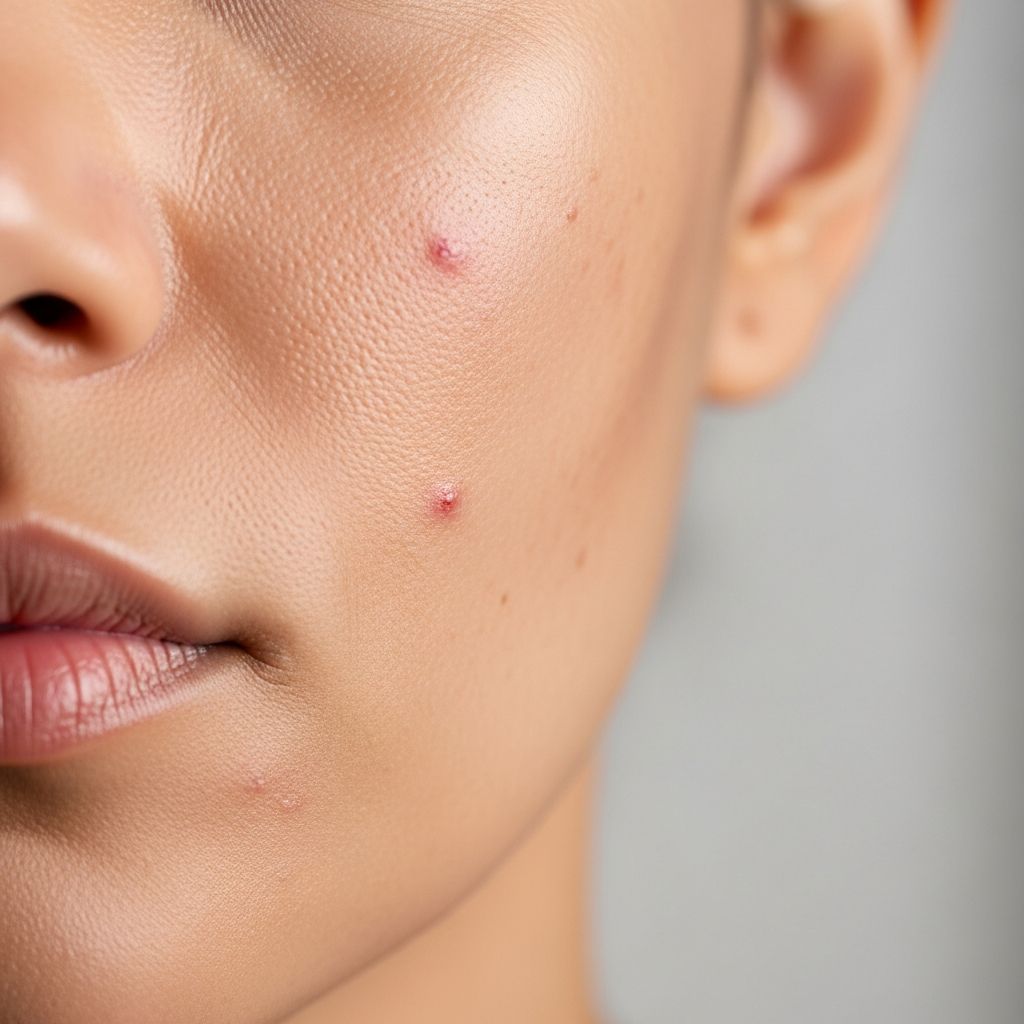
While teenage hormonal acne typically appears across the T-zone (forehead, nose, and chin), adult hormonal acne usually manifests on the lower portion of the face. Breakouts commonly appear on the bottom of the cheeks and around the jawline, creating a characteristic distribution pattern. This location difference reflects the hormonal receptors in adult facial skin and helps dermatologists identify hormonal acne versus other acne types. Hormonal acne can present as whiteheads, blackheads, or small pimples, and sometimes develops into painful cysts that form deep beneath the skin surface. These deep cystic lesions are particularly problematic because they’re often resistant to topical treatments and may leave scarring if not properly managed.
When Acne Signals a Larger Health Issue
While acne itself is typically a skin condition, sudden or severe adult acne can sometimes indicate underlying medical problems requiring professional attention. Adults experiencing a sudden onslaught of breakouts should be aware of warning signs that suggest a more serious condition. If adult acne appears alongside other symptoms—including unexplained hair loss or excessive hair growth, significant weight gain or loss, or irregular menstrual cycles—these may be red flags indicating an underlying endocrine disorder or other medical condition. Conditions such as polycystic ovary syndrome (PCOS) or thyroid disorders can manifest with acne as one symptom among many. If you experience these additional symptoms, consulting with your primary care physician is essential to rule out systemic health issues before pursuing purely dermatological treatments.
Effective Treatment Strategies for Adult Acne
Treating adult acne requires a personalized approach, as individual skin types and acne severity vary considerably. What worked effectively during your teenage years may prove ineffective or even counterproductive as an adult. Professional dermatological guidance is often valuable, but several evidence-based strategies can help manage breakouts.
Daily Skincare Practices
Establishing a consistent skincare routine forms the foundation of acne management. Key practices include:
- Nighttime cleansing: Always wash your face thoroughly before bed and never sleep with makeup on, as this allows oil and bacteria to accumulate overnight.
- Product selection: Carefully examine the ingredient labels of all makeup, moisturizers, cleansers, and sunscreen products. Select only products explicitly labeled as non-comedogenic, non-acnegenic, oil-free, or those that won’t clog pores.
- Hair and scalp care: Use oil-free hair care products, as these can transfer to facial skin and trigger breakouts.
- Sun protection: Wear sunscreen daily with at least SPF 30+ protection. Acne spots and healing blemishes can darken significantly with sun exposure, and sunscreen prevents this hyperpigmentation.
Topical Treatment Options
Several topical medications and active ingredients have proven effective for adult acne management:
- Salicylic acid: This beta-hydroxy acid exfoliates within pores to remove dead skin cells and unclog blocked follicles.
- Benzoyl peroxide: A powerful antibacterial agent that kills acne-causing bacteria and reduces inflammation.
- Hydroxy acids: Both alpha-hydroxy acids (AHAs) and beta-hydroxy acids (BHAs) improve skin texture and promote cell turnover.
- Retinol and retinoids: Vitamin A derivatives that normalize skin cell turnover and reduce clogging.
- Sulfur: An antimicrobial agent with centuries of dermatological use for acne treatment.
Oral and Professional Treatments
For moderate to severe adult acne, dermatologists may recommend systemic or professional interventions:
- Oral antibiotics: These reduce bacterial populations and inflammation when topical treatments prove insufficient.
- Oral birth control pills: For women, certain formulations can regulate hormonal fluctuations and reduce acne severity.
- Clascoterone (Winlevi): A newer topical androgen receptor inhibitor specifically designed for hormonal acne.
- Oral isotretinoin: Reserved for severe, treatment-resistant acne, this powerful medication can provide long-term or permanent clearance.
- Blue light therapy: This non-invasive treatment targets acne-causing bacteria using specific light wavelengths.
Nutritional Considerations
Research has identified correlations between certain nutritional deficiencies and acne severity. A 2013 study found that people with acne had lower levels of vitamin E, vitamin A, and zinc compared to those with clear skin. Consequently, supplementing with zinc and vitamin A may help improve adult acne. Consulting with a dermatologist or nutritionist can help determine whether dietary modifications or supplementation would benefit your specific situation.
Seeking Professional Help
If home care routines and over-the-counter treatments fail to clear your acne within several weeks, scheduling an appointment with a dermatologist is advisable. Professional evaluation can identify the specific type of acne you’re experiencing and rule out underlying medical conditions. Dermatologists often employ combination therapies—using two or more treatments simultaneously—to address acne from multiple angles. With proper professional guidance and patience, virtually every case of adult acne can be effectively controlled or cleared.
Frequently Asked Questions About Adult Acne
Q: At what age is acne considered adult acne?
A: Acne occurring after age 25 is classified as adult acne. However, some individuals experience adult-onset acne for the first time much later in life.
Q: Why is adult acne more common in women?
A: Women experience hormonal fluctuations throughout their menstrual cycles, during pregnancy, perimenopause, and menopause. These hormonal changes can trigger or worsen breakouts. The American Academy of Dermatology notes that adult acne is particularly common among women going through menopause.
Q: Can adult acne be completely cured?
A: While complete permanent cure isn’t always possible, adult acne can be effectively controlled and managed with appropriate treatment strategies. Some treatments, particularly oral isotretinoin, can provide long-term or permanent clearance in severe cases.
Q: How long does it take to see results from acne treatment?
A: Most acne treatments require 4 to 12 weeks of consistent use before significant improvement becomes visible. Patience and adherence to prescribed routines are essential for achieving results.
Q: Should I see a dermatologist for adult acne?
A: Yes, professional evaluation is recommended, especially if over-the-counter treatments haven’t worked after several weeks. A dermatologist can identify your specific acne type, rule out underlying conditions, and recommend personalized treatment strategies.
References
- Adult Acne — American Academy of Dermatology. 2024. https://www.aad.org/public/diseases/acne/really-acne/adult-acne
- Adult Acne: Why You Get It and What You Can Do About It — Deseret News. 2024-05-04. https://www.deseret.com/lifestyle/2024/05/04/adult-acne-causes-treatment/
- Harvard Health Publishing — Harvard Medical School. 2024. https://www.health.harvard.edu/
- The Relationship Between Stress and Acne — National Institute of Mental Health. https://www.nimh.nih.gov/
- Micronutrient Status in Acne Vulgaris Patients and Healthy Controls — Journal of Dermatological Treatment. 2013. https://www.tandfonline.com/
Similar Articles








Read full bio of medha deb