Adult Female Acne: Causes, Treatments, and Emotional Impact
Understanding adult female acne: its causes, effective treatments, and the emotional toll it takes.
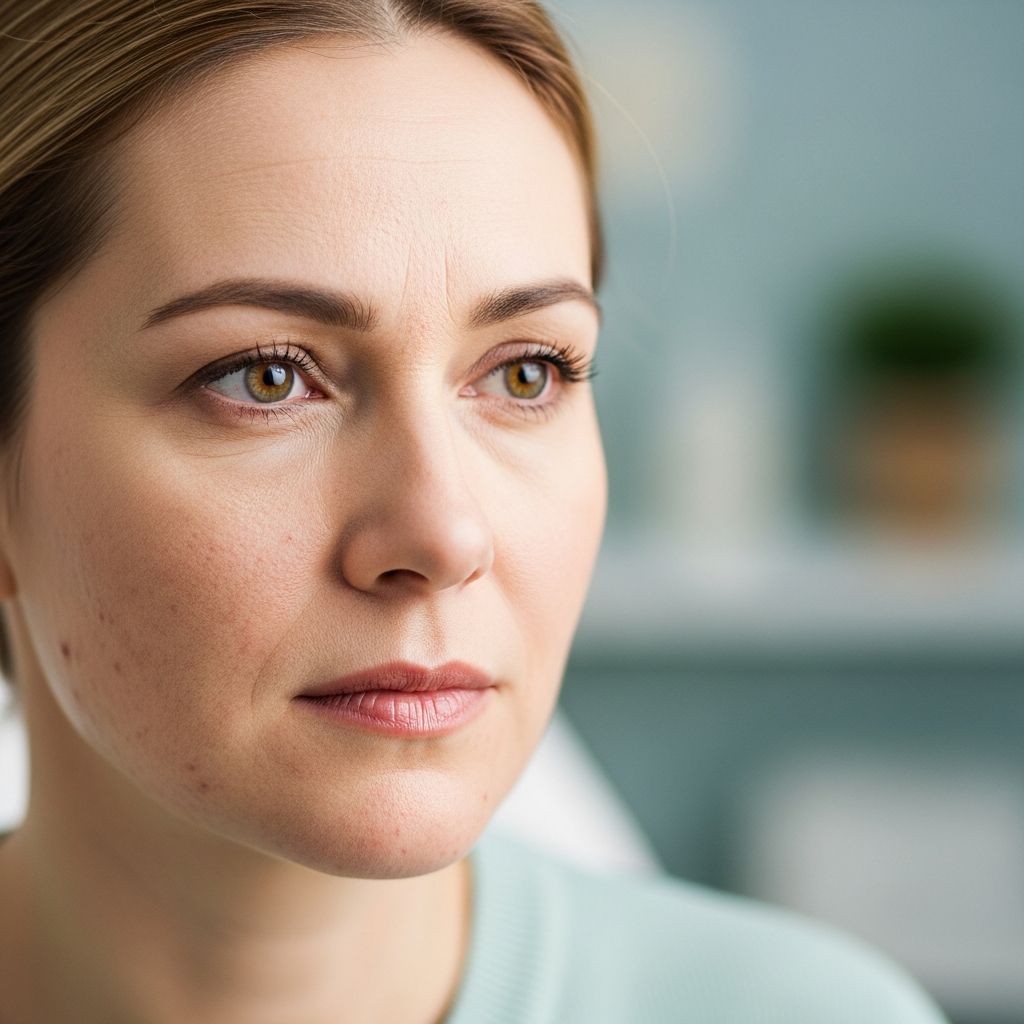
Adult female acne is a common yet often misunderstood skin condition that affects women well beyond adolescence. Unlike teenage acne, adult female acne can persist for years, significantly impacting quality of life and emotional well-being. This article explores the causes, treatments, and emotional toll of adult female acne, providing a comprehensive guide for women seeking clearer skin and improved mental health.
What Is Adult Female Acne?
Adult female acne, also known as adult-onset acne, refers to acne that affects women over the age of 25. It can either persist from adolescence or appear for the first time in adulthood. Adult female acne is characterized by chronic evolution, often requiring long-term maintenance treatment. The condition is more prevalent in women than in men and can continue even after the age of 50.
Causes of Adult Female Acne
The etiopathogenesis of adult female acne is complex and multifactorial. Several factors contribute to its development:
- Genetic Predisposition: A family history of acne increases the likelihood of developing adult female acne.
- Hormonal Factors: Fluctuations in hormone levels, particularly androgens, play a significant role. Androgens stimulate sebaceous glands to produce more sebum, leading to clogged pores and acne breakouts.
- Hyperandrogenism: Conditions such as polycystic ovary syndrome (PCOS) can cause an increase in androgen levels, contributing to acne.
- Environmental and Lifestyle Factors: Exposure to ultraviolet radiation, stress, obesity, diet, smoking, sleep disorders, cosmetics, medications, and excessive skin washing can trigger or exacerbate acne.
- Endocrine Deficiency Diseases: Certain endocrine disorders can also contribute to the development of adult female acne.
Hormonal Acne: A Closer Look
Hormonal acne is a specific type of adult female acne that is closely linked to hormonal changes. It is more common in women aged 20 to 50 and often appears along the jawline, suggesting a hormonal imbalance. The hormonal imbalance that results in jawline acne is thought to be caused by a relative increase in androgen levels. Androgens are male hormones that can result in increased oil gland production and clogging of pores.
Some women with jawline breakouts may have an underlying condition called Polycystic Ovary Syndrome (PCOS), characterized by irregular periods, ovarian cysts, weight gain, facial hair, and/or thinning of the hair on their heads. Other women might have imbalances from going on or off of hormonal therapies such as birth control pills or other hormonal shifts such as pregnancy or menopause.
Treatment Options for Adult Female Acne
Treating adult female acne can be challenging due to its tendency to relapse, even after cycles of oral antibiotics or isotretinoin. Maintenance treatment is essential, and a combination of topical and systemic therapies is often recommended.
Topical Treatments
- Benzoyl Peroxide: Helps reduce bacteria and inflammation.
- Retinoids: Derivatives of Vitamin A that decrease oil gland production, regulate skin shedding, and unclog pores.
- Azelaic Acid: Effective in reducing post-inflammatory pigmentation and improving the Dermatology Quality of Life Index (DLQI).
Systemic Treatments
- Antibiotics: Adult women with facial acne have a good response to antibiotics, but relapses are common after discontinuation. Tetracycline and its derivatives are the first choice.
- Isotretinoin: Used for severe cases, but should not be used in women who are trying to become pregnant due to the risk of severe birth defects.
- Hormonal Therapies: Oral contraceptives containing less acne-causing progesterone components such as norgestimate, norethindrone acetate, or drospirenone can be effective for hormonal acne.
Related Stories



Skincare Routine for Adult Female Acne
A proper skincare routine is crucial for managing adult female acne. Here are some tips:
- Wash affected areas no more than twice a day with a mild soap or cleanser and lukewarm water.
- Use oil-free, non-comedogenic, or water-based skincare products to avoid clogging pores.
- Avoid excessive skin washing, which can irritate the skin and worsen acne.
- Consider chemical peels and light-based treatments, though these are not typically covered by insurance.
Emotional Impact of Adult Female Acne
Adult female acne can have a significant emotional impact, leading to anxiety, depression, and a reduced quality of life. The chronic nature of the condition and its visibility can affect self-esteem and social interactions. Women with adult female acne may experience feelings of embarrassment, frustration, and isolation.
It is important to address the emotional toll of adult female acne alongside physical treatment. Seeking support from healthcare providers, mental health professionals, and support groups can help women cope with the psychological effects of the condition.
Frequently Asked Questions (FAQs)
Q: What is the main cause of adult female acne?
A: The main causes of adult female acne include genetic predisposition, hormonal factors, hyperandrogenism, environmental and lifestyle factors, and endocrine deficiency diseases.
Q: How is hormonal acne different from other types of acne?
A: Hormonal acne is closely linked to hormonal changes and often appears along the jawline. It is more common in women aged 20 to 50 and can be associated with conditions like PCOS.
Q: What are the best treatments for adult female acne?
A: Effective treatments include topical therapies (benzoyl peroxide, retinoids, azelaic acid), systemic therapies (antibiotics, isotretinoin, hormonal therapies), and a proper skincare routine.
Q: Can adult female acne be prevented?
A: While it may not be entirely preventable, managing hormonal imbalances, maintaining a proper skincare routine, and avoiding triggers can help reduce the risk and severity of adult female acne.
Q: What is the emotional impact of adult female acne?
A: Adult female acne can lead to anxiety, depression, and a reduced quality of life. Addressing the emotional toll is as important as physical treatment.
References
- Adult female acne: a guide to clinical practice — PMC – PubMed Central. 2019. https://pmc.ncbi.nlm.nih.gov/articles/PMC6360964/
- Acne Symptoms & Treatment — Aurora Health Care. https://www.aurorahealthcare.org/services/dermatology/acne
- Adult Acne at Age 30 — Tufts Medicine. https://www.tuftsmedicine.org/about-us/news/adult-acne-age-30
- Acne — NHS. https://www.nhs.uk/conditions/acne/
- Acne (Acne Vulgaris) — Yale Medicine. https://www.yalemedicine.org/conditions/acne
- Acne – Symptoms and causes — Mayo Clinic. https://www.mayoclinic.org/diseases-conditions/acne/symptoms-causes/syc-20368047
- Hormonal Acne: What Is It, Treatment, Causes & Prevention — Cleveland Clinic. https://my.clevelandclinic.org/health/diseases/21792-hormonal-acne
- Adult Acne: Causes & How to Regain Clear Skin — Altitude Dermatology. https://www.altitudedermatology.com/blog-post/causes-of-adult-acne
Similar Articles








Read full bio of Sneha Tete