Adult Jaundice: Causes, Symptoms & Treatment
Understanding jaundice in adults: Learn about causes, symptoms, diagnosis, and effective treatment options.
Adult Jaundice: Understanding Yellowing of Skin and Eyes
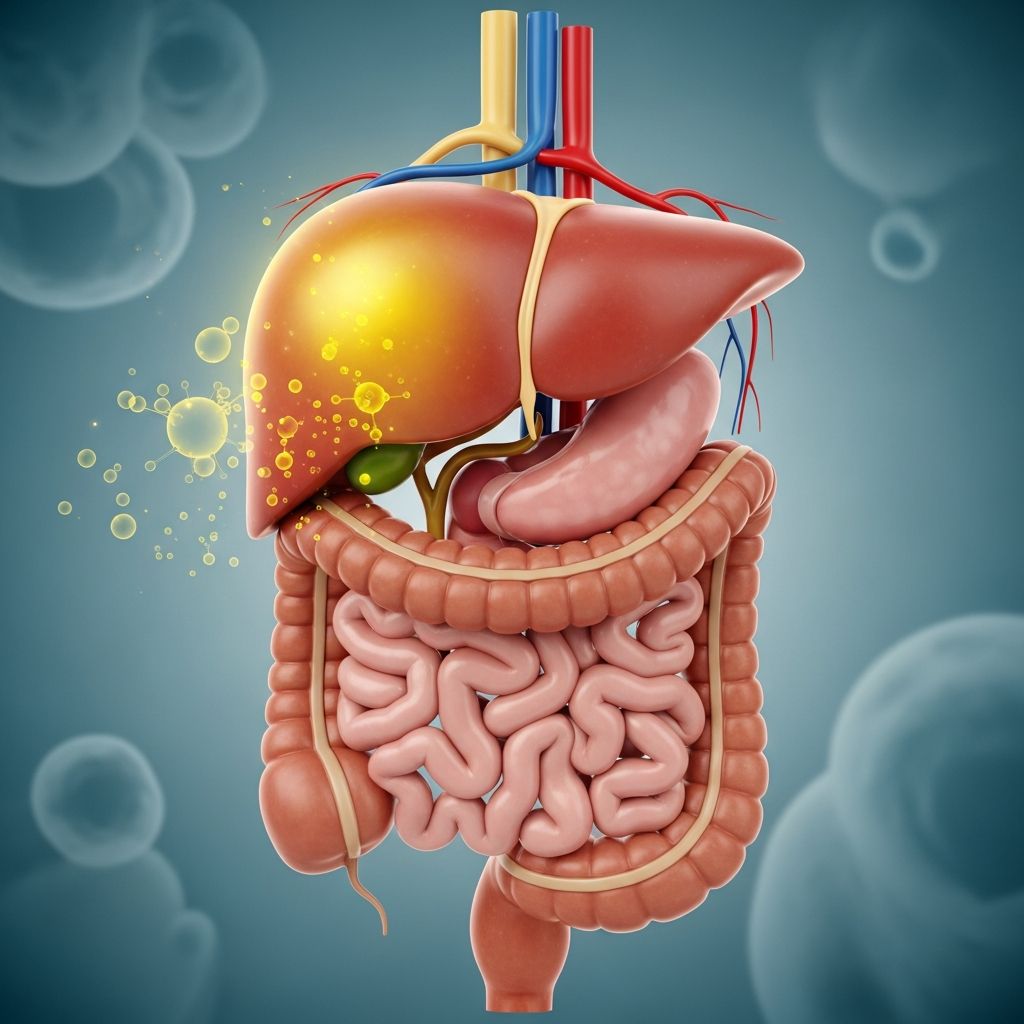
Jaundice is a medical condition characterized by a yellowish discoloration of the skin, eyes, and mucous membranes. This distinctive yellowing occurs when bilirubin, a yellowish pigment produced during the breakdown of hemoglobin from old red blood cells, accumulates in the bloodstream and tissues. Unlike newborn jaundice, which is relatively common, jaundice in adults is less frequently observed and typically indicates an underlying health condition that requires medical attention and investigation.
The visible yellowing of jaundice becomes noticeable when bilirubin levels reach two to three times the normal range. This sign serves as an important indicator that something may be wrong with liver function, bile flow, or red blood cell breakdown. Understanding the causes, recognizing symptoms early, and seeking appropriate treatment are essential for managing this condition effectively.
What Causes Adult Jaundice?
Adult jaundice results from various underlying medical conditions that disrupt the normal processing and elimination of bilirubin. These causes are typically categorized into three main types based on where the problem occurs in the bilirubin processing pathway.
Pre-Hepatic Causes
Pre-hepatic jaundice occurs when there is excessive breakdown of red blood cells before they reach the liver. The liver itself functions normally, but it becomes overwhelmed by the unusually high amount of bilirubin it receives. Common pre-hepatic causes include hemolytic anemia, where the body destroys red blood cells faster than it produces them, and other blood disorders that accelerate red blood cell destruction.
Hepatic Causes
Hepatic jaundice develops when the liver itself is damaged or diseased and cannot properly process bilirubin. Major hepatic causes include viral hepatitis (hepatitis A, B, and C), alcoholic liver disease, cirrhosis, autoimmune hepatitis, and other inflammatory liver conditions. Genetic conditions such as Gilbert’s syndrome and Dubin-Johnson syndrome also fall into this category, causing the liver to have difficulty processing and excreting bilirubin.
Post-Hepatic Causes
Post-hepatic jaundice, also called obstructive jaundice, occurs when the bile ducts become blocked after bilirubin leaves the liver. Gallstones are a common cause, as they can obstruct the common bile duct and prevent bile from flowing normally. Other post-hepatic causes include tumors of the pancreas or bile ducts, strictures (narrowing) of the bile ducts, and pancreatitis that compresses the bile duct system.
Recognizing Jaundice Symptoms
The symptoms of adult jaundice vary depending on the underlying cause, the severity of the condition, and how quickly the condition develops. While some individuals may experience minimal or no symptoms, others may have pronounced and bothersome signs.
Visible Signs
The most recognizable symptom of jaundice is the distinctive yellowing of the skin and the whites of the eyes, also called scleral icterus. The degree of yellowing can vary from subtle to pronounced, depending on bilirubin levels. Additionally, the mucous membranes inside the mouth may also appear yellowish.
Gastrointestinal Symptoms
Many individuals with jaundice experience digestive system-related symptoms. These include nausea and vomiting, abdominal pain or discomfort, pale or clay-colored stools, and dark urine that may appear tea-colored or brownish. Diarrhea and rectal bleeding may also occur in some cases. Loss of appetite frequently accompanies these gastrointestinal symptoms, leading to unintended weight loss.
Related Stories



Systemic and General Symptoms
Jaundice can produce flu-like symptoms including fever, chills, and general malaise. Individuals may experience unexplained weakness and fatigue. Itchy skin is a particularly bothersome symptom that can significantly affect quality of life, as the itching can be intense and persistent. Some people develop headaches and experience swelling in the legs or abdominal distension due to fluid accumulation (ascites).
Neurological Symptoms
In more severe cases, jaundice can affect mental function and neurological status. Individuals may experience confusion, abnormal drowsiness, or difficulty concentrating. In advanced liver disease, hepatic encephalopathy can develop, causing more significant cognitive changes.
Bleeding and Bruising
Some individuals with jaundice experience easy bruising, spontaneous bleeding, or bloody vomit. These symptoms indicate impaired liver function affecting the production of clotting factors and suggest a more serious underlying condition requiring urgent medical evaluation.
Diagnostic Testing and Evaluation
Diagnosing the cause of adult jaundice requires a comprehensive medical evaluation. Your healthcare provider will begin with a detailed history and physical examination, asking about the onset of symptoms, lifestyle factors, medication use, travel history, and alcohol consumption.
Blood Tests
Laboratory testing is central to diagnosing jaundice. Blood tests measure bilirubin levels, distinguishing between direct (conjugated) and indirect (unconjugated) bilirubin, which helps determine where the problem occurs in bilirubin processing. Liver function tests assess levels of liver enzymes such as alkaline phosphatase, alanine aminotransferase (ALT), and aspartate aminotransferase (AST). Complete blood counts evaluate red blood cell populations to assess for hemolysis, while coagulation studies check clotting function.
Imaging Studies
Depending on initial test results, your doctor may recommend imaging studies. Abdominal ultrasound can visualize the liver, gallbladder, and bile ducts, detecting gallstones, tumors, or duct obstruction. CT scans and MRI/MRCP (magnetic resonance cholangiopancreatography) provide more detailed imaging when needed to evaluate complex cases.
Additional Specialized Tests
If hepatitis is suspected, specific viral serology tests identify hepatitis A, B, or C. Autoimmune markers may be tested if autoimmune liver disease is suspected. In certain cases, liver biopsy may be performed to obtain tissue samples for definitive diagnosis, though this is less commonly needed with modern imaging and blood testing capabilities.
Treatment Approaches for Adult Jaundice
An important principle in treating adult jaundice is that jaundice itself typically is not directly treated; rather, the underlying condition causing it is addressed. Once the cause is identified, appropriate treatment can be initiated.
Management of Viral Hepatitis
For acute viral hepatitis, jaundice typically resolves on its own as the liver heals, requiring mainly supportive care with watchful waiting and close monitoring. Hepatitis A generally requires supportive management only. Hepatitis B may require antiviral medications and careful monitoring. Hepatitis C can now be effectively treated with novel antiviral medications that can cure the infection.
Liver Disease Management
Patients with chronic liver disease may require various medications depending on the underlying cause. Autoimmune hepatitis may be treated with corticosteroids or immunosuppressive medications. Cirrhosis management may include diuretics to manage fluid accumulation and lactulose to address hepatic encephalopathy. Antiviral medications are used for viral hepatitis-related cirrhosis, while lifestyle modifications including alcohol cessation and dietary changes support overall liver health.
Surgical Interventions
When jaundice is caused by obstructive lesions, surgical treatment may be necessary. Gallbladder removal (cholecystectomy) is performed when jaundice results from gallstones. Surgical removal of tumors or other obstructions blocking the bile ducts can restore normal bile flow. Endoscopic procedures may be used to place stents or remove obstructions without major surgery in selected cases.
Symptomatic Relief
For the distressing symptom of itchy skin, cholestyramine can be prescribed to remove bile acids from the body, which are responsible for the itching. This medication significantly improves quality of life for many patients experiencing severe pruritus.
Antibiotic Therapy
When jaundice is caused by infections such as bacterial cholangitis (bile duct infection), appropriate antibiotics are prescribed to treat the underlying infection and prevent complications.
How Long Does Jaundice Last in Adults?
The duration of jaundice depends entirely on its underlying cause and the effectiveness of treatment. If jaundice is medication-induced, it typically fades after discontinuing the offending drug. With appropriate treatment of viral hepatitis, jaundice generally resolves within weeks to months. Following successful surgical removal of biliary obstructions, jaundice typically improves within days to weeks as bilirubin levels normalize and the yellowing gradually fades.
For chronic conditions like Gilbert’s syndrome or Dubin-Johnson syndrome, mild jaundice may persist lifelong but typically poses no health risk. The key is establishing the correct diagnosis so appropriate expectations can be set.
Why Phototherapy Is Not Used for Adults
Phototherapy, which uses fluorescent white or blue-spectrum light to break down bilirubin, is an effective treatment for newborn jaundice. However, phototherapy has not been shown to be effective for treating jaundice in adults and is not recommended for this population. Adult treatment focuses instead on identifying and addressing the underlying cause.
Prevention Strategies
While many causes of jaundice cannot be prevented, certain lifestyle measures can reduce overall risk. Vaccinations against hepatitis A and B provide protection against these viral infections. Limiting alcohol consumption protects liver health and reduces risk of alcoholic liver disease. Practicing safe food and water practices when traveling reduces hepatitis A risk. Safe injection practices and blood exposure precautions help prevent hepatitis B and C transmission.
When to Contact Your Healthcare Provider
Jaundice is never normal in adults and warrants prompt medical evaluation. Contact your healthcare provider immediately if you notice yellowing of your skin or eyes, especially if accompanied by other symptoms. Seek urgent care if you experience severe abdominal pain, persistent vomiting, dark urine, pale stools, confusion, abnormal bleeding or bruising, or severe itching affecting your daily function.
Frequently Asked Questions About Adult Jaundice
Q: Is jaundice contagious?
A: Jaundice itself is not contagious, but the underlying cause may be. For example, viral hepatitis infections can spread to others, so appropriate precautions should be taken. Other causes of jaundice like gallstones or cirrhosis are not contagious.
Q: Can jaundice go away on its own?
A: Yes, some cases of jaundice resolve without treatment. Acute viral hepatitis often clears as the body recovers. However, jaundice caused by obstruction, serious liver disease, or other conditions typically requires medical treatment to address the underlying cause.
Q: What is the difference between jaundice in babies and adults?
A: Newborn jaundice is common and usually harmless, often resolving with phototherapy and time. Adult jaundice is uncommon and always indicates an underlying health condition requiring investigation and treatment.
Q: Can medications cause jaundice?
A: Yes, certain medications can cause jaundice as a side effect by damaging the liver or interfering with bilirubin processing. If jaundice develops after starting a new medication, inform your doctor immediately, as the medication may need to be discontinued or changed.
Q: Is jaundice in adults serious?
A: Jaundice itself is not dangerous, but it indicates an underlying condition that needs attention. Some causes are minor and easily treated, while others involve serious liver or biliary diseases requiring significant medical management.
Q: How is jaundice diagnosed?
A: Diagnosis begins with a thorough history, physical examination, and blood tests measuring bilirubin and liver function. Imaging studies like ultrasound or CT scans help identify obstruction or structural problems. Additional testing may be needed based on initial findings.
References
- Jaundice: Why Happens, Causes, Symptoms and Treatment Options — WebMD. Accessed 2025. https://www.webmd.com/hepatitis/jaundice-why-happens-adults
- Jaundice in Adults (Hyperbilirubinemia): Causes, Symptoms, Diagnosis and Treatment — MedicineNet. Accessed 2025. https://www.medicinenet.com/jaundice_in_adults/article.htm
- Jaundice in Adults: Symptoms, Causes & Treatments — Spire Healthcare. Accessed 2025. https://www.spirehealthcare.com/symptoms/jaundice-in-adults/
- Bilirubin Test: Understanding High vs. Low Levels & Causes — Cleveland Clinic. Accessed 2025. https://my.clevelandclinic.org/health/diagnostics/17845-bilirubin
- Viral Hepatitis: What It Is, Symptoms, Causes & Treatment — Cleveland Clinic. Accessed 2025. https://my.clevelandclinic.org/health/diseases/4245-hepatitis-viral-hepatitis-a-b–c
Similar Articles








Read full bio of Sneha Tete