Adult-Onset Eczema: Prevalence and Causes
Discover how common eczema is in adults, why it starts later in life, and what drives its rise in older populations.
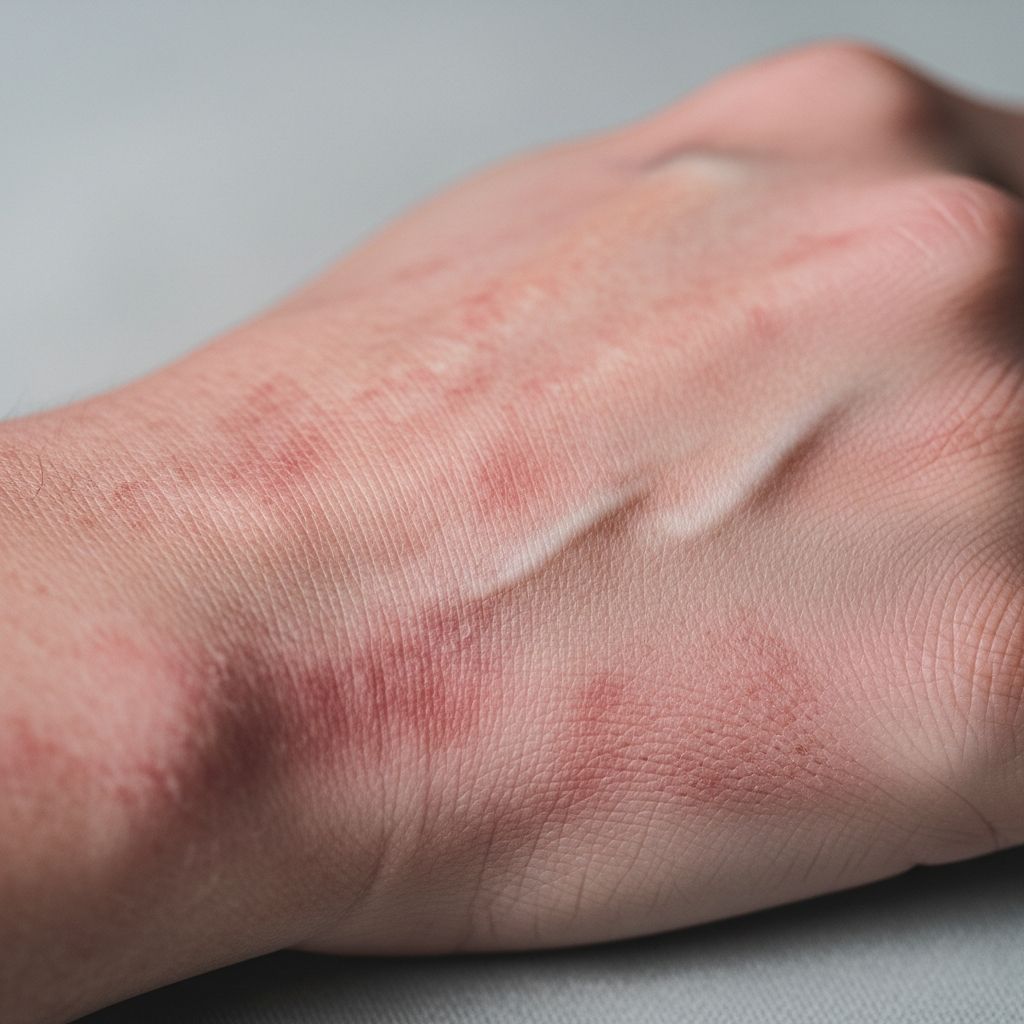
Atopic dermatitis, commonly known as eczema, traditionally affects children but increasingly emerges or persists into adulthood. Recent studies reveal its notable presence in adults, with prevalence rates varying by region and age group, often reaching up to 10% globally and higher in specific demographics like older males.
The Shifting Landscape of Eczema in Adulthood
Eczema’s epidemiology has evolved, showing a clear uptick in adult cases. Unlike the childhood peak, adult-onset cases challenge the notion that the condition fades with age. Data from large-scale analyses indicate that physician-diagnosed atopic dermatitis affects 7.7% of adults aged 18-74, rising to 11.6% in those over 75. This trend spans decades, with annual increases observed in population cohorts.
Globally, adult prevalence hovers around 2-10%, with a comprehensive study across 20 countries reporting 9.6% among those 16 and older, peaking in Asia. In the US, estimates range from 7% persistence to new onsets, underscoring a multidimensional burden including quality-of-life impacts.
How Common Is It? Breaking Down the Numbers
Prevalence data paints a detailed picture. In a UK cohort of over 9 million, older adults (75-99) showed 7.0-9.3% annual rates, surpassing younger adults’ 3.5-7.8%. A Finnish population study found 15.1% current prevalence and 21.9% lifetime, highest at 28.6% in younger adults.
| Age Group | Prevalence Range | Key Notes |
|---|---|---|
| Children (0-17) | 6.1-21.2% | Peaks early, declines with age |
| Adults (18-74) | 3.5-7.8% | Female predominance |
| Older Adults (75+) | 7.0-11.6% | Male predominance, increasing with age |
| Global Adults | 2-10% | 9.6% average |
These figures highlight regional variations; for instance, European and American studies note 24-53% adult-onset cases.
Gender Differences Across the Lifespan
Gender patterns flip with age. In adults 18-74, females face nearly three times the odds (AOR 2.72). Conversely, in those 75+, males dominate, with females at 27% lower odds (AOR 0.73). This reversal aligns with NHANES validation data showing higher rates in elderly males.
- Females: Higher in mid-adulthood, possibly linked to hormonal factors.
- Males: Surge in later life, potentially tied to cumulative exposures.
Severity and Persistence in Mature Age
Adult eczema, particularly in seniors, tends toward greater intensity. Among older adults, 59.7% experience active disease, with 31.8% moderate and 3.0% severe annually—far exceeding younger groups’ mild-dominant profiles (65.2% mild in elders vs. 92.5% in children). By study end, 46.2% had moderate and 5.2% severe cases.
Surveys confirm this: 73% of adults report moderate-severe at worst, with 80% experiencing peaks of severity. Severe forms affect 0.3% overall but 9% of diagnosed adults.
Why Does Eczema Emerge or Worsen in Adulthood?
Adult-onset lacks childhood atopy history in many cases, complicating diagnosis. Over 50% of cases in one cohort began post-19 years. Triggers include:
- Environmental Shifts: Urbanization, pollution, and climate change disrupt skin barriers.
- Immune Dysregulation: Aging alters Th2 responses, prolonging inflammation.
- Hormonal Changes: Menopause or andropause may exacerbate in gender-specific ways.
- Comorbidities: Obesity, anxiety (18% in studies), and rhinitis co-occur.
- Lifestyle Factors: Stress, diet, and irritant exposures accumulate over decades.
Related Stories



Prevalence rises 6% per year of age in elders (AOR 1.06), suggesting cumulative mechanisms.
Global Burden and Regional Insights
Worldwide, 101.27 million adults bear the load, at 2.0% prevalence. Asia leads, followed by other regions, with up to 10% in high-burden areas. Europe’s 0.3-6.2% and Japan’s 10.7% reflect methodological differences like self-reports vs. clinical diagnoses.
Diagnostic Challenges for Late-Onset Cases
Without pediatric history, clinicians rely on criteria like persistent itch, flexural lesions, and chronicity. Tools like UK Working Party aid but underestimate adult cases. Validation via surveys like NHANES confirms trends.
Management Strategies Tailored to Adults
Treatment escalates with severity: emollients for mild, topicals for moderate, biologics/systemics for severe. Elders require caution with immunosuppressants due to comorbidities. Lifestyle tweaks—moisturizing, avoiding triggers—remain foundational.
- Daily barrier repair with ceramide-based creams.
- Anti-inflammatory topicals (steroids, calcineurin inhibitors).
- Advanced therapies: Dupilumab for moderate-severe.
- Address psych impacts: Counseling for stigma-related anxiety.
Future Directions in Research and Care
With rising trends, targeted studies on elder-specific triggers and therapies are crucial. Population surveillance will refine prevalence estimates and inform policy.
Frequently Asked Questions (FAQs)
Can eczema start in adulthood?
Yes, over 50% of adult cases onset after age 19, distinct from childhood persistence.
Is adult eczema more severe?
In older adults, yes—higher moderate/severe rates (34.8%) vs. children (7.5%).
Why more common in elderly men?
Odds increase with age; males 75+ show peak prevalence, possibly from exposures.
How to prevent adult-onset flares?
Maintain skin hydration, manage stress, avoid irritants; early intervention key.
What’s the global adult prevalence?
Around 2-10%, affecting 101 million; varies by region.
References
- The epidemiology of atopic dermatitis in older adults — PLOS ONE. 2021-10-20. https://journals.plos.org/plosone/article?id=10.1371/journal.pone.0258219
- Prevalence of atopic dermatitis in adults — PMC (Annals of Allergy, Asthma & Immunology). 2021-12-01. https://pmc.ncbi.nlm.nih.gov/articles/PMC8799860/
- The Multidimensional Burden of Atopic Dermatitis Among Adults — JAMA Dermatology. 2023. https://jamanetwork.com/journals/jamadermatology/fullarticle/2793426
- Epidemiology of atopic dermatitis: a global worldwide study — Clinical and Experimental Dermatology. 2025. https://academic.oup.com/ced/article/50/10/2054/8154486
- Global epidemiology of atopic dermatitis — PubMed (British Journal of Dermatology). 2023-09-13. https://pubmed.ncbi.nlm.nih.gov/37705227/
- Global Report on Atopic Dermatitis 2022 — International Eczema Council. 2022. https://www.eczemacouncil.org/assets/docs/global-report-on-atopic-dermatitis-2022.pdf
- Atopic dermatitis in adults: a population-based study in Finland — International Journal of Dermatology. 2021. https://onlinelibrary.wiley.com/doi/10.1111/ijd.15912
Similar Articles








Read full bio of Sneha Tete