Adult-Onset Still’s Disease: Key Facts, Diagnosis & Treatment
Rare systemic inflammatory disorder causing high spiking fevers, evanescent salmon-pink rash, and polyarthritis in adults.
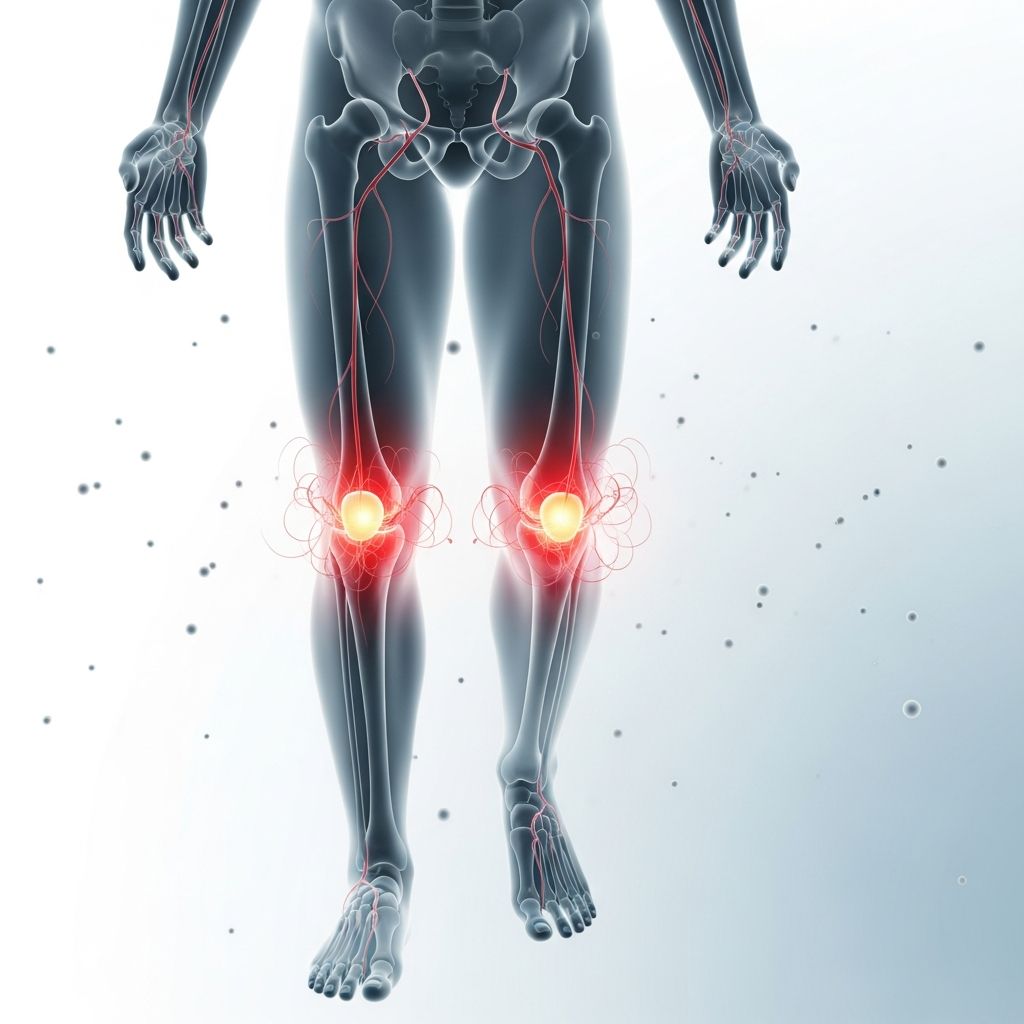
Authoritative facts from DermNet New Zealand about Adult-onset Still’s disease — a rare systemic inflammatory disorder.
What is adult-onset Still’s disease?
Adult-onset Still’s disease (AOSD) is a rare autoinflammatory or autoimmune disorder characterized by high spiking fevers, an evanescent salmon-pink rash, arthralgia or arthritis, and systemic inflammation affecting multiple organs. It shares clinical features with systemic-onset juvenile idiopathic arthritis (Still’s disease in children) but occurs in adults typically aged 16–35 years, affecting men and women equally. AOSD is considered systemic due to its potential to involve the skin, joints, muscles, lymph nodes, liver, spleen, lungs, and pericardium.
The precise cause remains unknown, but research suggests it may be triggered by infections in genetically susceptible individuals, leading to an exaggerated immune response. Unlike rheumatoid arthritis, AOSD lacks specific autoantibodies such as rheumatoid factor or antinuclear antibodies.
Who gets adult-onset Still’s disease?
AOSD is rare, with an estimated incidence of 0.16–0.4 cases per 100,000 people annually. It most commonly affects young adults aged 16–35 years, though cases occur across all adult age groups. There is no gender predominance, unlike some other inflammatory arthritides. Risk factors include genetic predisposition (e.g., HLA associations) and possible environmental triggers like viral infections.
- Peak incidence: 16–35 years
- Incidence: <1 per 100,000/year
- Prevalence: Unknown, but very rare
Clinical features
Patterns of disease
AOSD exhibits three main clinical patterns based on progression:
- Monophasic: Single episode lasting weeks to <1 year (∼30% of cases)
- Polyphasic/intermittent: Recurrent flares with symptom-free intervals (weeks to years); later flares often milder (∼30–40%)
- Chronic: Persistent symptoms, often evolving to chronic arthritis (∼30–40%)
Symptoms and signs
Symptoms develop abruptly or gradually, often starting with high fever and sore throat.
- Fever: quotidian (daily) or double-quotidian spikes to ≥39°C (102.2°F), typically afternoon/evening, lasting ≥1 week
- Rash: Evanescent (comes/goes with fever), non-pruritic salmon-pink maculopapular eruption on trunk, proximal limbs; may involve palms/soles; koebnerization possible
- Joint involvement: Symmetric polyarthritis/arthralgias (knees, wrists, ankles, elbows, PIPs); lasts ≥2 weeks; may migrate or persist
- Sore throat: Common early symptom; pharyngitis without exudate
- Lymphadenopathy: Generalized tender nodes
- Hepatosplenomegaly: Frequent
- Myalgias: Muscle pain, fatigue
- Other: Weight loss, serositis (pleuritis/pericarditis), abdominal pain
Complications
Untreated AOSD can lead to joint destruction, amyloidosis, and macrophage activation syndrome (MAS; ∼10–15% risk, life-threatening cytokine storm).
- Joint damage in chronic cases
- MAS: High ferritin, coagulopathy, multiorgan failure
- Rare: Pneumonitis, myocarditis
Diagnosis
No single diagnostic test exists; diagnosis relies on clinical criteria after excluding mimics (infections, malignancies, other rheumatologic diseases).
Yamaguchi criteria (most sensitive/specific)
Major (5 required, ≥2 must be excluded):
- Fever ≥39°C ≥1 week
- Arthralgias ≥2 weeks
- Typical rash
- Leukocytosis ≥10,000/μL (≥80% granulocytes)
Minor:
- Sore throat
- Lymphadenopathy/hepatosplenomegaly
- Liver dysfunction
- Negative ANA/RF
Fautrel criteria (ferritin-focused)
Emphasizes glycosylated ferritin <20% and ferritin >1000 ng/mL.
| Lab Finding | Typical Value |
|---|---|
| WBC | >10,000/μL, neutrophilic |
| Ferritin | >1000–5000 ng/mL (often >10,000 in MAS) |
| CRP/ESR | Markedly elevated |
| Glycosylated ferritin | <20% |
| Liver enzymes | Elevated |
Investigations: Exclude infections (cultures, serologies), malignancy (imaging, biopsy), other rheumatologic diseases (ANA, RF negative).
Differential diagnosis
Related Stories



- Infections (viral: EBV, CMV; bacterial endocarditis)
- Malignancy (lymphoma)
- Other autoinflammatory (SJIA, Kikuchi disease)
- Rheumatologic (SLE, RA, vasculitis)
- Drug reactions
Treatment
Treatment is guided by disease pattern/severity; aim for rapid control to prevent complications.
| Severity | Treatment Ladder |
|---|---|
| Mild (monophasic) | NSAIDs (e.g., ibuprofen); taper post-flare |
| Moderate | Corticosteroids (prednisone 0.5–1 mg/kg/day); ± MTX |
| Severe/chronic/MAS | High-dose steroids + biologics (anakinra/IL-1R antagonist first-line, tocilizumab/IL-6R, canakinumab); cyclosporine for MAS |
- First-line: NSAIDs for mild disease
- Second-line: Glucocorticoids ± methotrexate
- Biologics: Excellent response (70–90%) to IL-1 (anakinra) or IL-6 (tocilizumab) inhibitors
Disease course and prognosis
Variable: 30% monophasic (good prognosis); 40% polyphasic; 30% chronic with destructive arthritis. Early aggressive therapy improves outcomes, reduces joint damage risk. Mortality ∼2–5% (MAS, infection, amyloidosis).
Frequently asked questions (FAQs)
Q: Is adult-onset Still’s disease curable?
A: Not curable, but many achieve remission with treatment; monophasic cases often self-resolve.
Q: What does the AOSD rash look like?
A: Evanescent salmon-pink macules/papules on trunk/limbs, coinciding with fever spikes.
Q: Can AOSD be fatal?
A: Rarely (∼2%), usually due to MAS or complications.
Q: How is AOSD diagnosed?
A: By Yamaguchi/Fautrel criteria + exclusion of mimics; high ferritin key.
Q: What are the best treatments for AOSD?
A: NSAIDs/mild; steroids + biologics (IL-1/IL-6 inhibitors)/severe.
References
- Adult Still’s Disease — Arthritis Foundation. 2023. https://www.arthritis.org/diseases/adult-stills-disease
- Adult-Onset Still’s Disease — NORD (National Organization for Rare Disorders). 2024-01-15. https://rarediseases.org/rare-diseases/adult-onset-stills-disease/
- Adult Still disease – Symptoms and causes — Mayo Clinic. 2025-06-12. https://www.mayoclinic.org/diseases-conditions/adult-stills-disease/symptoms-causes/syc-20351907
- Adult Onset Still’s Disease — Comprehensive Rheumatology. 2024. https://comprehensiverheumatology.com/index.html@p=1348.html
- Adult-onset Still’s disease — Arthritis UK. 2024-09-01. https://www.arthritis-uk.org/information-and-support/understanding-arthritis/conditions/adult-onset-still-s-disease/
- Still Disease — StatPearls, NCBI Bookshelf (NIH). 2024-07-28. https://www.ncbi.nlm.nih.gov/books/NBK538345/
Similar Articles








Read full bio of medha deb