Adult-Onset Still’s Disease: Causes, Symptoms & Treatment
Complete guide to understanding AOSD: symptoms, diagnosis, and evidence-based treatment options.
Understanding Adult-Onset Still’s Disease
Adult-Onset Still’s Disease (AOSD) is a rare systemic inflammatory disorder that affects the entire body, impacting joints and internal organs. This uncommon condition is characterized by an autoinflammatory response, meaning the body’s immune system becomes overactive without an obvious external trigger such as infection or malignancy. AOSD typically develops suddenly in adults and presents with a distinctive clinical pattern that can significantly impact quality of life if not properly managed.
The exact cause of AOSD remains unknown, though researchers believe it may be triggered by infectious agents in genetically predisposed individuals. What makes AOSD particularly challenging is that it often mimics other conditions, leading to delayed diagnosis and treatment. Understanding the key features of this disease is essential for both patients and healthcare providers to ensure timely intervention and optimal outcomes.
Classic Symptoms and Clinical Manifestations
AOSD presents with a characteristic triad of symptoms that form the foundation of diagnosis: recurrent high fevers, joint pain or arthritis, and a distinctive rash. However, the disease extends beyond these three primary features, often involving multiple organ systems.
The Classic Triad
Recurrent Fevers: One of the hallmark features of AOSD is the pattern of daily fevers that typically exceed 102 degrees Fahrenheit (39 degrees Celsius). These fevers are usually brief, lasting only a few hours, and often occur once or twice daily. Interestingly, the fever may spike during late afternoon or evening and return to normal by morning. Many patients initially receive treatment for infections or other conditions before AOSD is properly diagnosed, as the fever pattern can be mistaken for an infectious process.
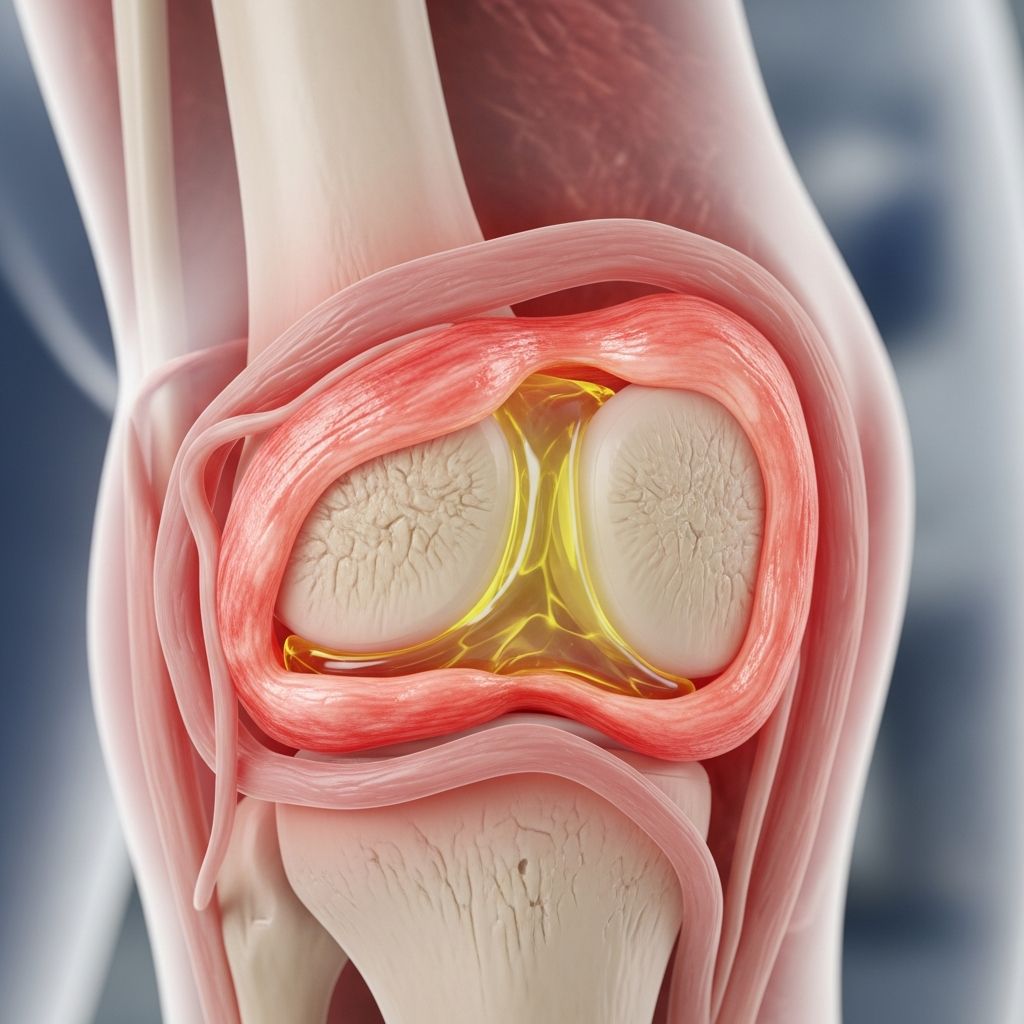
Joint Manifestations: Arthralgia (joint pain) or arthritis is a consistent feature of AOSD, typically lasting at least two weeks. The knees and wrists are most commonly affected, though ankles, elbows, hands, and shoulders can also be involved. The affected joints may become stiff, swollen, and inflamed, often limiting mobility and causing significant discomfort. Unlike some other forms of arthritis, the joint symptoms in AOSD often improve with treatment of the underlying inflammatory condition.
Characteristic Rash: A distinctive salmon-colored or evanescent rash typically appears during febrile episodes and may spread across the trunk and extremities. This non-pruritic (non-itching) maculopapular rash is an important diagnostic feature that helps differentiate AOSD from other inflammatory conditions. The rash tends to be transient, appearing and disappearing with fever spikes.
Additional Common Manifestations
Beyond the classic triad, AOSD frequently involves multiple organ systems, creating a complex clinical picture:
Lymph Node and Throat Involvement: Patients commonly experience sore throat and swollen, tender lymph nodes in the neck, which may be among the first symptoms noticed. Pharyngitis is a frequent finding that can mimic infectious causes.
Liver Involvement: Liver abnormalities occur in many AOSD patients, ranging from modestly elevated liver function tests to hepatomegaly (enlarged liver). These changes typically resolve with appropriate treatment but require monitoring to prevent serious complications.
Spleen Enlargement: Splenomegaly (enlarged spleen) is relatively common in AOSD and reflects the systemic nature of the inflammatory process.
Related Stories



Muscle and Chest Symptoms: Myalgias (muscle pain) can be significant, and some patients experience serositis (inflammation of the lining around organs), including pericarditis and pericardial effusions affecting the heart.
Serious Complications: While less common, the most serious manifestation of AOSD is macrophage activation syndrome (MAS), also known as hemophagocytic lymphohistiocytosis (HLH). This life-threatening condition involves overactive immune cells and requires immediate intensive treatment. Other serious but less common complications include pleuritis, pulmonary hypertension, thrombotic thrombocytopenic purpura (TTP), and disseminated intravascular coagulopathy (DIC).
Diagnostic Approach and Laboratory Findings
Diagnosing AOSD is primarily clinical and requires careful exclusion of other conditions such as infections, malignancies, and other rheumatic diseases. The Yamaguchi criteria, established in 1992, have become the standard diagnostic tool for AOSD.
Yamaguchi Diagnostic Criteria
To meet the Yamaguchi criteria and receive an AOSD diagnosis, a patient must have at least five individual criteria, with at least two from the major criteria list:
Major Criteria:
– Recurrent fever of at least 39 degrees Celsius (102.2 degrees Fahrenheit) occurring over at least one week- Arthralgia or arthritis lasting at least two weeks- Non-pruritic macular or maculopapular rash over trunk and/or extremities during febrile episodes- White blood cell count of at least 10,000 with at least 80 percent neutrophils
Minor Criteria:
– Sore throat- Lymphadenopathy- Hepatomegaly or splenomegaly- Liver dysfunction with elevated transaminases
Laboratory Abnormalities
Specific laboratory findings support the diagnosis of AOSD. The most common abnormality is elevation of inflammatory markers including erythrocyte sedimentation rate (ESR) and C-reactive protein (CRP). However, the most distinctive laboratory finding in AOSD is extreme elevation of ferritin levels, which can reach extraordinarily high values not typically seen in other conditions. Glycosylated ferritin has emerged as a particularly useful adjunct for diagnosis, as it helps differentiate AOSD from other conditions with elevated ferritin.
Additional common laboratory findings include elevated white blood cell counts with neutrophil predominance, anemia, and abnormal liver function tests. Some patients may also show elevated triglycerides and increased interleukin-2 receptor levels.
Treatment Strategies and Management
The treatment of AOSD has evolved significantly, with modern approaches focusing on early intervention and aggressive management to prevent serious complications and achieve remission.
First-Line Treatment
The first-line treatment for AOSD is anakinra, an IL-1 receptor antagonist that specifically targets the interleukin-1 pathway involved in the disease process. Anakinra has demonstrated superior efficacy compared to traditional approaches and is associated with better long-term outcomes. However, in locations where anakinra is not available, systemic corticosteroids remain an important option, with prednisone being the typical oral choice and intravenous methylprednisolone used for severe disease.
Additional Treatment Approaches
For acute moderate to severe disease, some clinicians combine NSAIDs with prednisone. In cases of macrophage activation syndrome complicating AOSD, a triple regimen combining anakinra, systemic glucocorticoids, and cyclosporine has shown improved outcomes.
For patients with prolonged exacerbations or chronic disease patterns, disease-modifying antirheumatic drugs (DMARDs) such as methotrexate may be introduced to help wean patients off corticosteroids and maintain remission. Other biologic therapies including tumor necrosis factor-alpha (TNF-α) blockers and additional IL-1 inhibitors may be considered for specific patient populations.
Disease Patterns and Prognosis
AOSD can follow three distinct disease patterns, each with different prognostic implications and management considerations:
Monophasic Pattern: This pattern involves a single acute flare that lasts from weeks to as long as a year before entering remission and never recurring. This is the most favorable pattern, representing complete resolution of the disease.
Polyphasic or Intermittent Pattern: Patients with this pattern experience multiple discrete flares separated by periods of complete remission lasting weeks to years. This pattern requires vigilant monitoring and rapid treatment initiation during flare episodes.
Chronic Pattern: The most challenging pattern involves persistent flares with incomplete remission between exacerbations. This pattern tends to be associated with more prominent joint symptoms than the other patterns and often requires more intensive long-term management.
Comprehensive Care and Support
Managing AOSD effectively often requires a multidisciplinary approach. At specialized centers like Cleveland Clinic, collaborative care teams consisting of rheumatologists and specialists from various disciplines work together to address the complex, systemic nature of this disease. The specific providers involved depend on individual patient needs and organ system involvement.
Early diagnosis and prompt initiation of appropriate treatment significantly increase the likelihood of recovery and better long-term outcomes. Patients should work closely with their healthcare team to develop an individualized treatment plan that addresses their specific disease manifestations and disease pattern.
Frequently Asked Questions
Q: How common is Adult-Onset Still’s Disease?
A: AOSD is a rare condition, but it affects people of all ages in adulthood. The exact prevalence varies by geographic region, but it represents an uncommon cause of inflammatory arthritis and fever of unknown origin.
Q: Can Adult-Onset Still’s Disease be cured?
A: Yes, many patients achieve complete remission and cure, particularly those with the monophasic disease pattern. Early diagnosis and treatment significantly improve the chances of achieving long-term remission or cure.
Q: What should I do if I suspect I have Adult-Onset Still’s Disease?
A: If you experience recurrent daily fevers exceeding 102 degrees Fahrenheit, joint pain lasting more than two weeks, and a distinctive rash, seek evaluation from a rheumatologist or internist. Early diagnosis is crucial for optimal treatment outcomes.
Q: Are there long-term complications of AOSD?
A: While most patients achieve remission with appropriate treatment, some may develop chronic joint damage if disease activity is not adequately controlled. Macrophage activation syndrome is a serious but manageable complication when recognized early. Regular follow-up care helps prevent and manage complications.
Q: What is macrophage activation syndrome?
A: Macrophage activation syndrome (MAS), also called hemophagocytic lymphohistiocytosis (HLH), is a life-threatening complication where immune cells become overactive. It requires immediate intensive treatment with combination therapy including anakinra, corticosteroids, and cyclosporine.
Q: How often will I need medical follow-up?
A: Follow-up frequency depends on your disease pattern and current treatment. During active disease or after starting new treatments, more frequent visits are necessary. Once in stable remission, visits may be scheduled less frequently but regular monitoring remains important to detect early signs of relapse.
References
- Adult Onset Still’s Disease – Clinical Manifestations, Diagnosis, Complications, Treatment, and Prognosis — Strong Medicine/Cleveland Clinic. 2022-09-18. https://www.youtube.com/watch?v=9uoN4vffcqI
- Adult Onset Still’s Disease: Early Diagnosis and Treatment Increases Likelihood of Recovery — Cleveland Clinic Consult QD. 2024. https://consultqd.clevelandclinic.org/adult-onset-stills-disease-early-diagnosis-and-treatment-increases-likelihood-of-recovery
- Adult-Onset Still’s Disease: A Review — SAGE Journals. 2013. https://journals.sagepub.com/doi/10.1177/201010581302200107
- Macrophage Activation Syndrome Complicating Adult Onset Still’s Disease — PubMed/National Institutes of Health. 2016-02-01. https://pubmed.ncbi.nlm.nih.gov/26672682/
- Adult Still Disease – Symptoms and Causes — Mayo Clinic. 2024. https://www.mayoclinic.org/diseases-conditions/adult-stills-disease/symptoms-causes/syc-20351907
- Adult Onset Still’s Disease Profile — Autoimmune Registry. 2024. https://diseases.autoimmuneregistry.org/disease_profile.aspx/adult-onset-stills-disease.aspx
Similar Articles








Read full bio of Sneha Tete