Advanced Paternal Age Risks: What You Need To Know
Understanding the fertility, pregnancy, and offspring health risks linked to fathers over 35 and strategies to mitigate them.

Advanced paternal age, typically defined as fathers aged 35 and older, has gained attention as fertility patterns shift toward later parenthood. While maternal age has long been scrutinized, recent research highlights how a father’s age impacts sperm quality, pregnancy outcomes, and child health. Studies from over 40 million births show men 45+ face 14% higher preterm birth risks, with escalating concerns for neurodevelopmental disorders in offspring.
What Is Advanced Paternal Age?
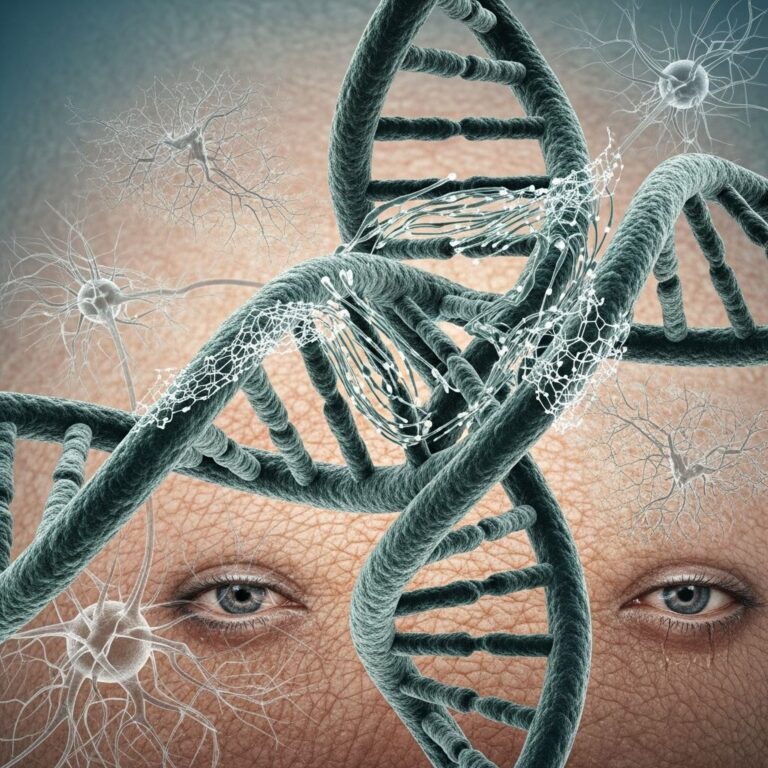
Advanced paternal age (APA) refers to men fathering children at 35 years or older, though risks intensify after 40 or 45. Unlike women, men produce sperm lifelong, but aging sperm accumulates DNA mutations—about two new mutations per year after 35—leading to fertility decline and health risks. The average paternal age at first birth has risen due to delayed marriage, career focus, and contraception access.
Biological changes include reduced sperm motility, higher DNA fragmentation, and epigenetic alterations silencing genes. These correlate with lower IVF/ICSI success, miscarriage, and offspring issues like autism and schizophrenia.
Declining Fertility and Reproductive Challenges
Men’s fertility wanes gradually after 35, with sperm parameters deteriorating: count drops 20-30% by 40, motility falls, and DNA integrity declines. A French study noted miscarriage rates rising from 13.7% (fathers <30) to 32.4% (fathers 6gt;=45). ART outcomes suffer; fathers over 40 show reduced IVF success due to fragmented sperm.
- Sperm quality decline: Lower concentration, motility, and higher fragmentation after 40.
- IVF/ICSI impact: Decreased pregnancy rates; DNA damage hinders embryo development.
- Time to conception: Couples with fathers >35 take longer to conceive, with 1.27-fold infertility risk.
Pregnancy Complications Linked to Older Fathers
APA elevates maternal and fetal risks. Partners of men 45+ have 28% higher gestational diabetes odds; preeclampsia and hypertension risks also rise. Preterm birth (<37 weeks) increases 14% for fathers 45+, and very preterm (<32 weeks) links to chromosomal issues from sperm fragmentation.
| Father’s Age | Preterm Birth Risk Increase | Other Complications |
|---|---|---|
| 35-44 | ~10% higher | Gestational diabetes up 15-20% |
| 45-49 | 14% higher | Preeclampsia, low birth weight |
| 50+ | 28% NICU admission | Seizures, ventilation needs |
Miscarriage and Stillbirth Risks
Older fathers heighten pregnancy loss. Miscarriage risk before 20 weeks rises slightly with APA; fathers >45 show 32.4% rates vs. 13.7% for younger men. Stillbirth (>28 weeks) is 48% higher for fathers >45 vs. 25-29; late fetal death (post-20 weeks) has 1.40 odds ratio after maternal adjustment.
- Early fetal mortality: Hazard ratio 1.38 for fathers >50.
- Late stillbirth: 22-48% increased risk.
- Mechanisms: Aneuploidy, DNA damage in sperm.
Birth Defects and Neonatal Issues
Infants of older fathers face higher low birth weight (14% increase at 45+), seizures (18%), NICU needs (14%), and defects like congenital heart disease, cleft palate. Rare disorders from de novo mutations include achondroplasia, craniosynostosis, and limb anomalies.
Related Stories



Apgar scores drop, newborn seizures rise, with fathers 50+ showing 28% NICU odds. Epigenetic changes amplify when combined with maternal age.
Long-Term Health Risks for Offspring
APA offspring risk psychiatric issues: autism, ADHD, psychosis, bipolar, suicide attempts. Childhood cancers, low academic performance, and substance issues emerge later. De novo mutations from sperm replication errors drive ‘sentinel phenotypes’ like skeletal dysplasias.
- Neurodevelopmental: Autism/schizophrenia risk rises with paternal age.
- Psychiatric: 2x risk for some disorders in fathers >50.
- Cognitive: Failing grades, low attainment.
Why Does Paternal Age Matter? Biological Mechanisms
Aging sperm undergoes telomere shortening, DNA damage, and senescence, impairing replication. Mutations accumulate in spermatogonia; post-35, error rates surge, causing aneuploidy and epigenetic silencing. Placental issues may trigger maternal diabetes.
Can Older Men Reduce These Risks?
Lifestyle mitigates some effects:
- Semen analysis: Check DNA fragmentation before ART.
- Supplements: Antioxidants (CoQ10, vitamins) may lower fragmentation.
- Lifestyle: Quit smoking, limit alcohol, exercise, maintain BMI <30.
- Genetic counseling: Screen for mutations, consider PGT in IVF.
- Donor sperm: Option for high-risk cases.
Preconception health improves outcomes; recent data urges men 40+ to optimize fertility.
Frequently Asked Questions (FAQs)
What age is considered advanced paternal age?
Typically 35+, with sharper risks after 40-45. Fertility declines gradually, but mutations accumulate yearly.
Does father’s age affect IVF success?
Yes; higher DNA fragmentation in older men reduces implantation and raises miscarriage.
Can older fathers have healthy babies?
Most do, but risks rise incrementally. Healthy lifestyle and screening help.
Is autism risk higher with older dads?
Yes; de novo mutations link APA to 1.5-2x autism odds.
How to improve sperm quality at 40+?
Antioxidants, no smoking, exercise, weight management; consult a urologist.
Key Takeaways
- APA starts at 35, peaks risks >45.
- Affects fertility, pregnancy, and child health via sperm mutations.
- Mitigate with lifestyle, testing, counseling.
References
- Impact of Advanced Paternal Age on Fertility and Risks of Genetic… 20 9 9 9 a0— PMC/NCBI. 2023-02-20. https://pmc.ncbi.nlm.nih.gov/articles/PMC9957550/
- Older Fathers Put Health of Partners, Unborn Children at Risk… 20 9 9 9 a0— Rutgers University. 2023-01-15. https://www.rutgers.edu/news/older-fathers-put-health-partners-unborn-children-risk-rutgers-study-finds
- Older fathers associated with increased birth risks 20 9 9 9 a0— Stanford Medicine. 2018-10-23. https://med.stanford.edu/news/all-news/2018/10/older-fathers-associated-with-increased-birth-risks.html
- Paternal age: How does it affect a baby? 20 9 9 9 a0— Augusta Health. 2024-01-01. https://www.augustahealth.com/answer/paternal-age-how-does-it-affect-a-baby/
- When is a man too old to have a kid? Risks of “Advanced Paternal… 20 9 9 9 a0— El Camino Women. 2023-05-10. https://elcaminowomen.com/blog/pregnancy/when-is-a-man-too-old-to-have-a-kid-risks-of-advanced-paternal-age.html
- Paternal age and neonatal health: unraveling epigenetic pathways 20 9 9 9 a0— Oxford Academic. 2025-03-01. https://academic.oup.com/hropen/article/2025/3/hoaf052/8245299
- How does a father’s age affect fertility and a baby’s health? 20 9 9 9 a0— UT Southwestern Medical. 2023-06-12. https://utswmed.org/medblog/older-fathers-fertility/
Similar Articles








Read full bio of medha deb