Dry Eye Care: Key Strategies For Effective Management
Discover proven and innovative approaches to manage dry eye disease effectively, from serum therapies to emerging pipeline drugs.
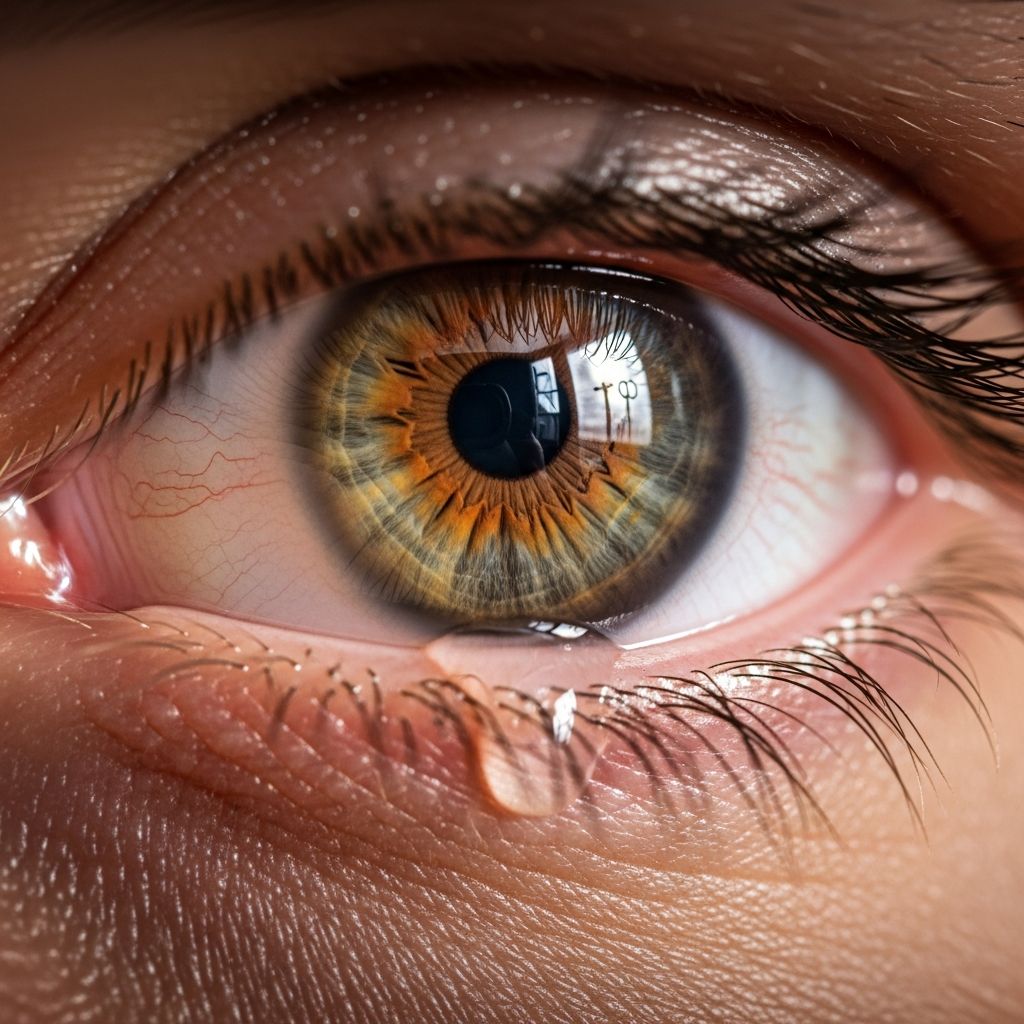
Dry eye disease (DED) affects millions worldwide, causing discomfort, blurred vision, and reduced quality of life. Effective management requires a multifaceted approach, combining established therapies with cutting-edge innovations.
Understanding the Foundations of DED Management
DED arises from insufficient tear production, excessive evaporation, or ocular surface inflammation. Initial steps involve lifestyle modifications like humidifiers, omega-3 supplements, and screen break reminders. These non-invasive measures stabilize the tear film and alleviate mild symptoms.
Clinical assessment using tools such as tear breakup time (TBUT), Schirmer’s test, and meibomian gland evaluation guides therapy selection. Addressing meibomian gland dysfunction (MGD), a primary evaporative cause, is crucial through warm compresses and lid hygiene.
Biological Tear Substitutes: Autologous Serum Innovations
Autologous serum tears (AST) replicate natural tear components, including growth factors, vitamins, and anti-inflammatory agents, making them ideal for moderate to severe DED.
- Concentration Optimization: 20% dilutions suit moderate cases, while 50-100% concentrations accelerate relief in severe DED, enhancing epithelial healing and symptom reduction.
- Diluent Choices: Options like sodium hyaluronate, cyclosporine emulsions, or methylcellulose improve stability and bioavailability over standard saline.
- Processing Protocols: Controlled clotting (30-60 minutes at 37°C), dual centrifugation (first at 3000g for 10 minutes, then 12,000g for 5 minutes), and frozen storage at -80°C preserve bioactive molecules.
Emerging uses include combining AST with topical insulin for neurotrophic deficits or estrogen therapy in perimenopausal patients, boosting efficacy.
Anti-Inflammatory and Immunomodulatory Options
Inflammation drives chronic DED. Corticosteroids provide rapid relief but risk side effects with prolonged use. Lifitegrast (Xiidra) and cyclosporine (Restasis, Cequa) inhibit T-cell activation, reducing ocular surface damage.
| Treatment | Mechanism | Key Benefits | Considerations |
|---|---|---|---|
| Cyclosporine A | Calcineurin inhibitor | Long-term goblet cell recovery | Initial burning sensation |
| Lifitegrast | LFA-1 antagonist | Fast symptom relief | Dosing twice daily |
| Varicella zoster immune globulin | Anti-inflammatory | Severe inflammatory flares | Short-term use |
In-Office Interventions for Rapid Relief
Procedures target MGD and biofilm. Intense pulsed light (IPL) reduces inflammation and improves gland function. Thermal pulsation devices like LipiFlow melt meibum blockages.
- Demodex eradication with tea tree oil or hypochlorous sprays for blepharitis.
- Neurostimulation devices (e.g., TrueTear) boost tear production via trigeminal nerve activation.
- Amniotic membrane grafts heal persistent epithelial defects.
These yield quick improvements, often within sessions, complementing at-home regimens.
Pipeline Breakthroughs: Regenerative and Targeted Therapies
The DED pipeline emphasizes root-cause targeting. Lacripep, derived from lacritin, promotes corneal nerve regeneration and goblet cell function, showing promise in Sjögren’s syndrome.
PL9643, a melanocortin agonist, resolves symptoms in Phase III trials by curbing inflammation and aiding repair. OCS-02 (licaminlimab), an anti-TNFα biologic, excels in biomarker-positive patients, improving staining and tear volume.
Other contenders:
- AZR-MD-001: Sustained MGD relief up to six months.
- INV-102: p53 modulator for age-related DED.
- Clusterin: Seals epithelial barriers in preclinical models.
These shift paradigms from symptom palliation to tissue restoration.
Related Stories



Personalized Treatment Algorithms
Tailor therapies by DED subtype: aqueous-deficient (punctal plugs, secretagogues), evaporative (lipid emulsions), or mixed. Genetic markers, like TNFR1 for OCS-02, enable precision.
Stepwise escalation: Start with artificial tears, advance to anti-inflammatories, then biologics or procedures. Monitor via OSDI scores and imaging.
Lifestyle and Holistic Adjuncts
Dietary interventions—anti-inflammatory, AIP protocols—mitigate allergies fueling DED. Environmental controls and blink training enhance outcomes.
Challenges and Future Directions
Variability in AST preparation demands standardization. Pipeline agents must prove long-term safety. Events like Eyes On Dry Eye 2026 highlight diagnostics and therapies.
Frequently Asked Questions (FAQs)
What is the best first-line treatment for dry eye?
Preservative-free artificial tears and lid hygiene for mild cases; escalate based on severity.
How effective are autologous serum tears?
Highly effective for refractory DED, with tailored concentrations yielding durable improvements.
Are there new drugs coming for dry eye?
Yes, regenerative agents like lacripep and PL9643 show strong Phase III data.
Can diet help dry eye symptoms?
Anti-inflammatory diets reduce triggers, supporting clinical therapies.
When should I see a specialist for dry eye?
If over-the-counter remedies fail after two weeks or vision fluctuates.
Integrating these strategies optimizes DED control, improving patient satisfaction and ocular health.
References
- Optimizing Autologous Serum Tear Therapy for Dry Eye Disease — J Clin Med. 2026-02-03. https://pubmed.ncbi.nlm.nih.gov/41682861/
- The Evolving Landscape of Dry-eye Therapeutics — Review of Ophthalmology. https://www.reviewofophthalmology.com/article/the-evolving-landscape-of-dryeye-therapeutics
- Comprehensive List of Dry Eye Treatment Options — The Eye Guy. 2026-02. https://www.bheyeguy.com/blog/comprehensive-list-of-dry-eye-treatment-options-june-2022
- Eyes On Dry Eye 2026 — Eyes On Eyecare. https://events.eyesoneyecare.com/events/eyes-on-dry-eye-2026/
Similar Articles








Read full bio of Sneha Tete