Advancing Glioblastoma Treatment: New Hope for a Deadly Brain Tumor
Discover the latest breakthroughs and innovative therapies transforming glioblastoma care and improving patient outcomes.
What Is Glioblastoma Multiforme (GBM)?
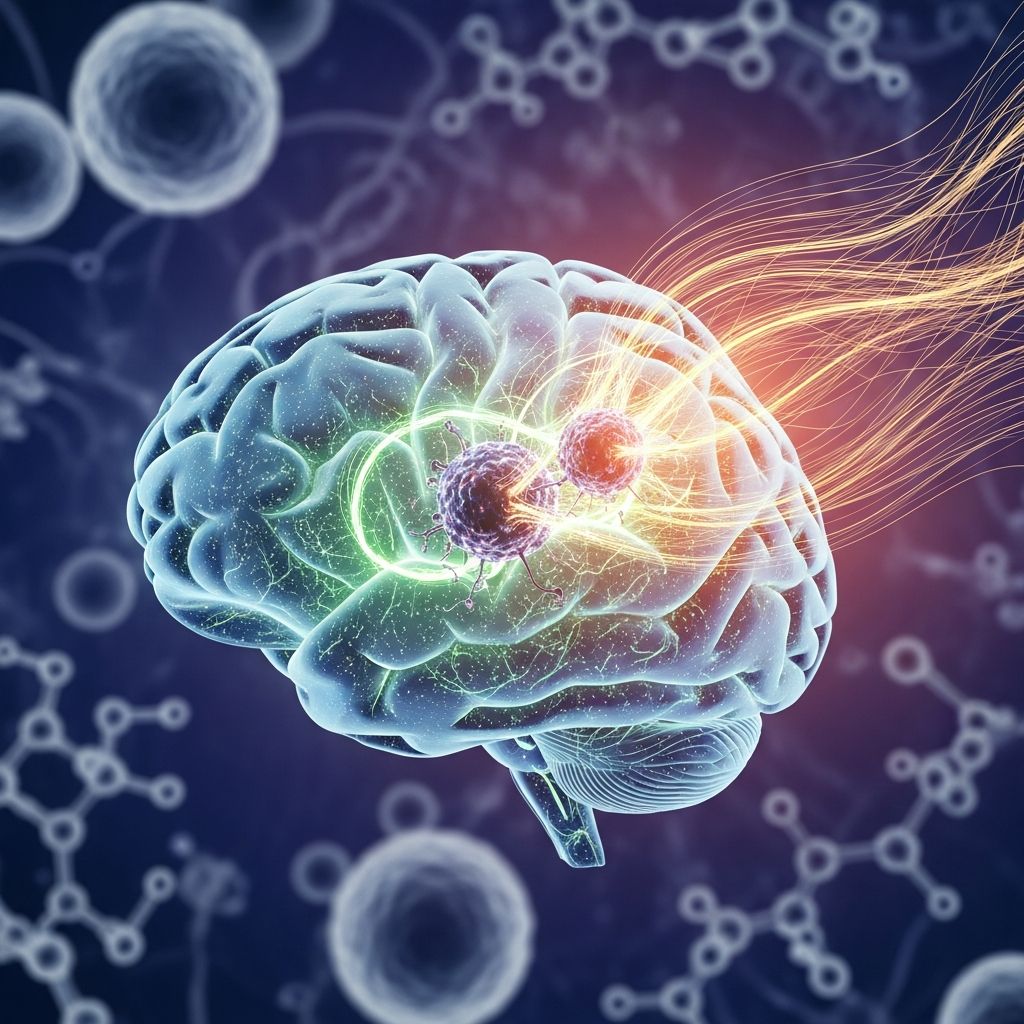
Glioblastoma multiforme (GBM) is the most aggressive and common type of malignant brain tumor in adults. It arises from glial cells, which support and nourish neurons in the brain. GBM is classified as a grade IV glioma, meaning it grows rapidly and infiltrates surrounding brain tissue, making complete surgical removal nearly impossible. Despite advances in treatment, the prognosis for GBM remains poor, with a median survival of just 12 to 18 months after diagnosis, even with aggressive therapy.
Current Standard Treatments for GBM
The standard treatment for newly diagnosed GBM typically involves a combination of surgery, radiation therapy, and chemotherapy. The most widely used protocol is the Stupp Protocol, which includes:
- Surgical resection to remove as much of the tumor as possible
- Radiation therapy to target remaining cancer cells
- Chemotherapy with temozolomide (TMZ) to kill residual tumor cells
While this approach can extend survival, recurrence is common, and the side effects of treatment can be significant.
Emerging Therapies and Clinical Trials
Recent advances in glioblastoma research have led to the development of new therapies and clinical trials that offer hope for improved outcomes. These include:
Proton Beam Therapy
Proton beam therapy is a cutting-edge form of radiation that delivers high doses of radiation directly to the tumor while minimizing exposure to surrounding healthy brain tissue. A recent phase 2 study at Mayo Clinic investigated the use of short-course hypofractionated proton beam therapy combined with advanced imaging technologies, such as 18F-DOPA PET and contrast-enhanced MRI, to target the most metabolically active regions of the tumor. The results were promising, with 56% of participants alive after 12 months and a median overall survival of 13.1 months—significantly longer than previous studies in older patients. In some cases, patients with favorable genetics lived even longer, with a median survival of 22 months.
Immunotherapy
Immunotherapy is a rapidly evolving field in cancer treatment that harnesses the body’s immune system to fight cancer. Clinical trials are exploring the use of immunotherapy drugs, such as ipilimumab and nivolumab, in combination with standard treatments for GBM. Early results suggest that immunotherapy may improve progression-free survival and overall survival, particularly in patients with recurrent or refractory tumors.
Tumor Treating Fields (TTFields)
Tumor Treating Fields (TTFields) is a non-invasive therapy that delivers targeted electric fields to disrupt cancer cell division. A recent study at Keck Medicine found that combining TTFields with immunotherapy and chemotherapy extended survival by approximately 10 months compared to TTFields with chemotherapy alone. Patients with larger, unresected tumors showed an even stronger immune response and lived up to 13 months longer, suggesting that TTFields may be particularly beneficial for high-risk subgroups.
Experimental Drugs
Scientists at The Wertheim UF Scripps Institute have developed an experimental medication called MT-125, which targets cellular motors in glioblastoma cells. In animal studies, MT-125 made malignant cells more sensitive to radiation and chemotherapy, blocked their ability to invade other tissue, and induced cell death. The drug has received FDA approval to move to clinical trials as a possible first-line treatment for GBM. Researchers are optimistic that MT-125 could benefit not only GBM but also other aggressive cancers.
Advanced Imaging and Targeted Therapy
Advanced imaging technologies, such as 18F-DOPA PET and contrast-enhanced MRI, are playing a crucial role in improving the precision of GBM treatment. These techniques allow doctors to identify the most aggressive regions of the tumor and deliver targeted therapy with greater accuracy. This approach not only enhances the effectiveness of treatment but also reduces damage to healthy brain tissue.
Related Stories



Challenges and Future Directions
Despite these advances, several challenges remain in the treatment of GBM:
- Recurrence is common, even after aggressive therapy
- Many patients experience significant side effects from treatment
- Access to cutting-edge therapies and clinical trials can be limited
Future research will focus on developing more effective and less toxic treatments, improving early detection, and expanding access to innovative therapies. Multicenter clinical trials are underway to validate the efficacy of new approaches, such as proton beam therapy, immunotherapy, and TTFields, in larger patient populations.
FAQs About Glioblastoma Treatment
What is the prognosis for glioblastoma?
The prognosis for glioblastoma remains poor, with a median survival of 12 to 18 months after diagnosis. However, new therapies and clinical trials are improving outcomes for some patients.
What are the latest advances in glioblastoma treatment?
The latest advances include proton beam therapy, immunotherapy, tumor treating fields (TTFields), and experimental drugs like MT-125. These therapies are being tested in clinical trials and show promise for improving survival and quality of life.
How can patients access new treatments and clinical trials?
Patients can access new treatments and clinical trials through major cancer centers and research institutions. It is important to discuss options with a healthcare provider and consider participating in clinical trials when appropriate.
What are the side effects of glioblastoma treatment?
Side effects of glioblastoma treatment can include fatigue, nausea, cognitive changes, and neurological deficits. Newer therapies aim to reduce these side effects while improving effectiveness.
References
References
- Breakthrough in treatment approach showing promise in the fight against glioblastoma — Mayo Clinic. 2025-01-16. https://cancerblog.mayoclinic.org/2025/01/16/breakthrough-in-treatment-approach-showing-promise-in-the-fight-against-glioblastoma/
- Scientists wipe out aggressive brain cancer tumors by targeting cellular motors — UF Health. 2025. https://ufhealth.org/news/2025/scientists-wipe-out-aggressive-brain-cancer-tumors-by-targeting-cellular-motors
- USC study unlocks new potential treatment for glioblastoma — Keck Medicine. 2025. https://news.keckmedicine.org/could-electric-fields-supercharge-immune-attack-on-the-deadliest-form-of-brain-cancer/
Similar Articles








Read full bio of Sneha Tete