Adverse Cutaneous Reactions to Psychotropic Drugs
Understanding skin reactions caused by psychiatric medications and treatment options.
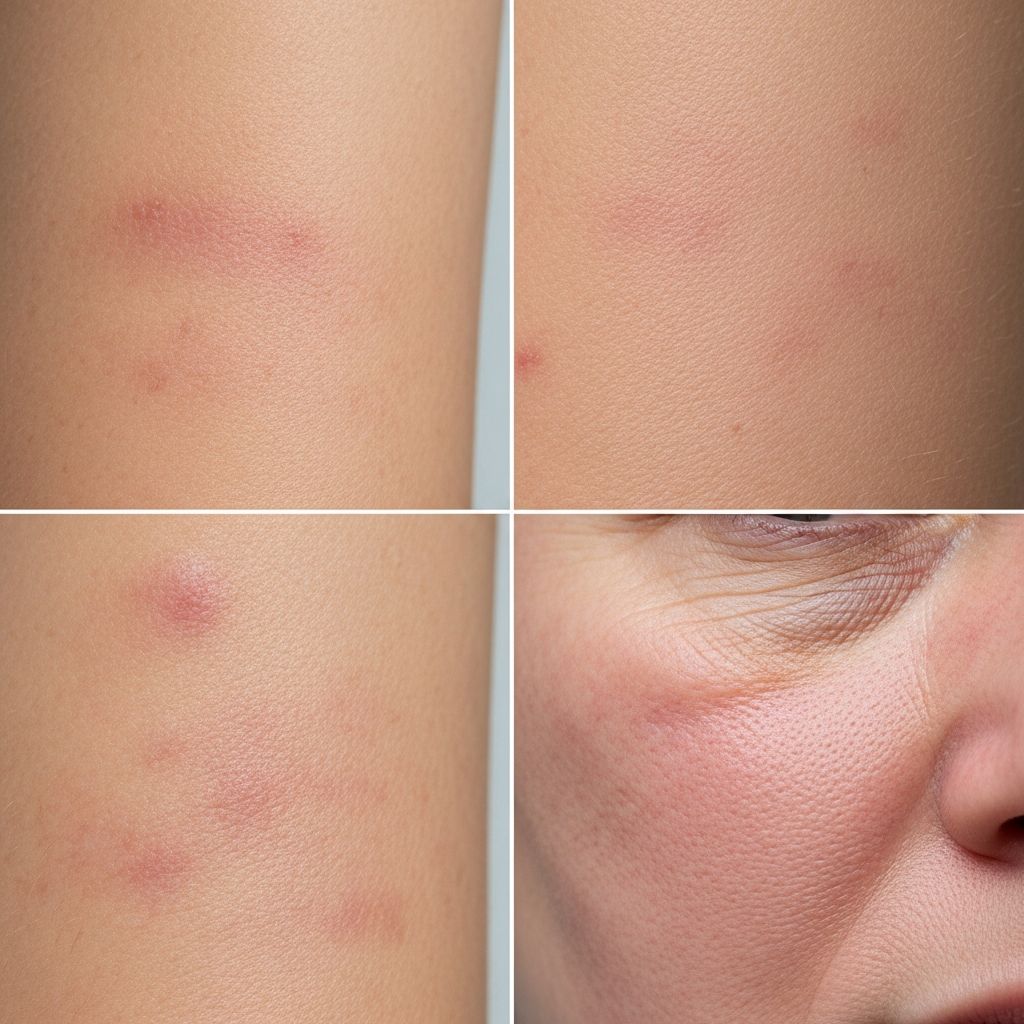
Adverse cutaneous reactions (ACDRs) represent a significant concern in psychiatric pharmacotherapy, ranging from benign, self-limited eruptions to serious, life-threatening conditions. While most cutaneous manifestations associated with psychotropic medications are manageable, some can be disfiguring or progress to severe systemic involvement. Understanding these reactions is essential for clinicians prescribing psychiatric medications and dermatologists managing patients with overlapping psychiatric and dermatological concerns.
Overview of Adverse Cutaneous Reactions
Adverse cutaneous drug reactions occur with an estimated incidence of 2% to 5% in patients taking psychotropic medications, significantly higher than the 1% to 3% incidence observed in hospitalized patients receiving other medication types. These reactions can manifest within days of initiating therapy or develop gradually after extended treatment periods. The severity spectrum ranges from mild erythematous rashes that resolve spontaneously to severe cutaneous adverse reactions (SCARs) requiring immediate hospitalization and discontinuation of the offending agent.
The most common type of adverse cutaneous reaction is the erythematous macular and papular exanthem, characterized by widespread red, flat or slightly raised lesions. These reactions typically appear within the first two weeks of drug initiation and may recur within days upon rechallenge with the same medication. However, more serious manifestations include Stevens-Johnson syndrome (SJS), toxic epidermal necrolysis (TEN), drug reaction with eosinophilia and systemic symptoms (DRESS), and erythroderma.
Risk Factors for Cutaneous Adverse Reactions
Several factors increase the likelihood of developing adverse cutaneous reactions to psychotropic drugs:
- Winter season and environmental factors
- Female sex
- Afro-American ethnicity
- Advanced age
- Initiation with high doses of medication
- Specific human leukocyte antigen (HLA) subtypes, particularly HLA-B*1502 with carbamazepine
- History of previous drug reactions
- Concurrent use of multiple medications that may potentiate reactions
Genetic predisposition, particularly HLA typing, plays a crucial role in determining susceptibility to severe cutaneous reactions. Patients carrying specific HLA alleles demonstrate markedly increased risk of serious reactions to certain psychotropic agents, particularly mood stabilizers.
Types of Adverse Cutaneous Reactions
Exanthematous Eruptions
Exanthematous reactions represent the most common type of cutaneous adverse response to psychotropic medications. These eruptions typically present as widespread, symmetrical maculopapular lesions that originate on the trunk and spread to the extremities. The reaction pattern varies by medication class. With hydantoin derivatives, macular erythema spreads from the face to the trunk and extremities during the first two weeks of treatment. Carbamazepine produces dispersed erythema spreading from the face to the rest of the body, usually after two weeks of treatment, and often includes facial edema.
The eruption usually occurs within the first two weeks of administration, with a rechallenge reaction occurring within days. In some cases, the eruption may subside without discontinuation of the drug, though this should not be assumed without careful clinical judgment.
Stevens-Johnson Syndrome and Toxic Epidermal Necrolysis
Stevens-Johnson syndrome (SJS) and toxic epidermal necrolysis (TEN) represent severe cutaneous adverse reactions that can occur with multiple psychotropic agents. Psychotropic medications including alprazolam, duloxetine, sertraline, and anticonvulsant medications have been documented to cause SJS/TEN. These conditions involve extensive blistering and epidermal detachment, with TEN affecting greater than 30% of body surface area.
Carbamazepine and lamotrigine carry particular risk, with lamotrigine showing an SJS/TEN incidence of approximately 0.08%. These reactions constitute medical emergencies requiring immediate hospitalization and discontinuation of the offending agent. Mortality rates remain substantial despite aggressive supportive care.
Drug Reaction with Eosinophilia and Systemic Symptoms (DRESS)
DRESS syndrome is a severe, potentially life-threatening cutaneous adverse reaction characterized by fever, generalized rash or erythroderma, and systemic involvement. Psychotropic drugs associated with DRESS include amitriptyline and anticonvulsants such as carbamazepine and valproic acid. Systemic complications may include fluid and electrolyte imbalance, thermoregulatory disturbance, fever, tachycardia, high-output cardiac failure, hypoalbuminemia, and peripheral edema.
Erythema Multiforme
Erythema multiforme-like eruptions occur within days of drug initiation and are characterized by typical target lesions that are variable in size, configuration, and appearance. The reaction is acute, polymorphous, and sharply demarcated, with symmetrical distribution on the dorsal surfaces of hands and feet. While rare with some psychotropic agents, erythema multiforme has been reported with lamotrigine and other psychiatric medications.
Erythroderma and Exfoliative Dermatitis
The term erythroderma implies a skin disease affecting 85% or more of the body surface, while exfoliative dermatitis describes widespread peeling. Drug-induced erythroderma presents with pruritus, discomfort or tightness, redness, and peeling or scaling of the skin. These conditions can lead to cardiac failure due to dilated blood vessels and significant fluid loss.
Psychotropic drugs that can cause erythroderma include aripiprazole, lamotrigine, and lithium. Exfoliative dermatitis may appear abruptly or manifest as progression of a benign drug-induced skin eruption. These conditions require immediate medical intervention and potential discontinuation of the offending agent.
Fixed Drug Reactions
Fixed drug reactions (FDR) present as recurrent lesions in the same location upon rechallenge with the medication. These reactions can develop from 30 minutes to 8-16 hours after ingestion of the medication. Typical locations include the lips, genitals, and perianal area, although lesions can occur anywhere on the skin surface. Patients may complain of burning or stinging sensations, and some experience fever, malaise, and abdominal symptoms.
After the initial acute phase lasting for days to weeks, residual grayish hyperpigmentation develops. FDRs can develop in patients using any antidepressant, mood stabilizer, antipsychotic, or antiepileptic medication. On rechallenge, not only do the lesions recur in the same location, but often new lesions also appear in different sites.
Photosensitivity Reactions
Phototoxic and photoallergic reactions represent important cutaneous adverse reactions, particularly with antipsychotic medications. Phototoxic reactions typically occur within hours of exposure to both the phototoxic agent and ultraviolet radiation. Symptoms are drug-dose and UV-dose dependent, with patients complaining of burning and stinging sensations on exposed areas such as the forehead, nose, V area of the neck, and dorsal surfaces of the hands.
Erythema and edema develop in sun-exposed areas, progressing to hyperpigmentation. Among antipsychotics, chlorpromazine is maximally implicated in causing photosensitivity and pigmentation changes. These reactions are more common among women receiving treatment for more than three years. Increased formation of free radicals activates tyrosinase, resulting in increased melanin production and pigmentation. Discontinuation of the offending drug, avoidance of sunlight, and use of alternative agents such as loxapine are effective management strategies.
Pigmentary Changes
Among mood stabilizers, pigmentary changes have been associated with carbamazepine, topiramate, lamotrigine, and gabapentin. Cutaneous discoloration results from dermal granules containing melanin bound to the drugs or their metabolites. In most cases, the discoloration resolves slowly after discontinuation, though residual hyperpigmentation may persist.
Psoriasiform Reactions
Psoriasiform reactions present with scaly pink papules and plaques sharply demarcated by silvery-white scales. The eruption may be localized, regional, or generalized, with lesions often bilaterally distributed with a predilection for elbows, knees, and scalp. Lithium is well-known for exacerbating psoriasis, while psoriasiform reactions have also been reported with quetiapine and other antipsychotics.
Acneiform Eruptions
Acneiform eruptions represent another common cutaneous adverse reaction, particularly with certain psychotropic agents. Lithium is notorious for causing acneiform eruptions, as well as exacerbating existing acne. Among antipsychotics, quetiapine and haloperidol have been observed to cause acneiform eruptions. Topiramate, lamotrigine, and gabapentin (in more than 1% of patients) can also produce acneiform lesions.
Adverse Reactions by Drug Class
Mood Stabilizers
Mood-stabilizing agents demonstrate the highest incidence of severe and life-threatening adverse cutaneous reactions among all psychotropic medications. Carbamazepine shows an incidence of cutaneous adverse reactions ranging from 0.32% to 17% depending on the dose initiated. The most common reaction is erythematous macular and papular exanthem, while serious reactions include SJS, TEN, and DRESS. The genetic marker HLA-B*1502 shows strong association with severe carbamazepine-induced cutaneous reactions, particularly in individuals of Southeast Asian descent.
Lamotrigine presents with an incidence of cutaneous adverse reactions around 0.6% to 5%, with erythematous macular and papular exanthem being most common. SJS/TEN has an incidence of 0.08% with lamotrigine. The risk of eruptions is associated with higher loading doses, making slow titration a critical prevention strategy. Rechallenge should be considered only when benefits clearly outweigh the risks.
Lithium causes multiple cutaneous adverse reactions, including acneiform eruptions, exacerbation of psoriasis, folliculitis, and exanthems. Sodium valproate increases the risk of lamotrigine-induced skin reactions and can cause alopecia.
Antipsychotics
Antipsychotic medications carry risk for photosensitivity, pigmentation changes, and acneiform eruptions. Chlorpromazine remains maximally implicated in photosensitivity and pigmentary alterations. These reactions are more prevalent in women receiving extended treatment. Aripiprazole and quetiapine have been associated with erythroderma and psoriasiform reactions, respectively.
Antidepressants
Exanthematous eruptions are the most common type of adverse cutaneous reaction associated with antidepressants. Amitriptyline has been documented to cause DRESS syndrome. SSRIs including sertraline and duloxetine can precipitate SJS/TEN, though this remains uncommon. Most reactions are benign and self-limited, though careful monitoring remains warranted.
Anticonvulsants and Barbiturates
Anticonvulsant medications demonstrate high propensity for cutaneous adverse reactions. Barbiturates show slightly higher propensity to progress to serious reactions such as TEN and exfoliative dermatitis compared with other psychotropic agents. Blisters and bullae-type eruptions have been described with benzodiazepine and barbiturate toxicity.
Management and Prevention
Prevention of adverse cutaneous reactions begins with careful patient selection and medication dosing strategies. Slow titration of medications, particularly lamotrigine and carbamazepine, reduces the incidence of cutaneous reactions. Baseline HLA testing may be considered for high-risk populations before initiating carbamazepine, particularly in individuals of Southeast Asian descent.
Upon development of a cutaneous reaction, discontinuation of the offending agent should be considered based on the severity and type of reaction. Mild exanthems may resolve without discontinuation, though close monitoring is essential. Serious reactions including SJS/TEN, DRESS, and erythroderma necessitate immediate discontinuation and hospitalization.
Alternative psychotropic agents should be selected carefully, considering the risk of cross-reactivity. For example, oxcarbazepine demonstrates a similar profile of adverse skin reactions to carbamazepine and should be avoided in patients with prior carbamazepine-induced reactions. In contrast, other anticonvulsants or alternative mood stabilizers may be safer choices.
Frequently Asked Questions
Q: What is the most common adverse cutaneous reaction to psychotropic drugs?
A: The most common type of adverse cutaneous reaction is the erythematous macular and papular exanthem, which typically appears within the first two weeks of drug initiation.
Q: Which psychotropic medications carry the highest risk of severe cutaneous reactions?
A: Mood-stabilizing agents, particularly carbamazepine and lamotrigine, demonstrate the highest incidence of severe and life-threatening adverse cutaneous reactions among all psychotropic medications.
Q: Can a patient safely continue taking a psychotropic medication if they develop a mild rash?
A: In some cases, mild exanthems may subside without discontinuation of the drug, but this requires careful clinical judgment and close monitoring. Serious reactions always necessitate discontinuation and medical evaluation.
Q: What is HLA-B*1502 testing and why is it important?
A: HLA-B*1502 is a genetic marker strongly associated with severe carbamazepine-induced cutaneous reactions, particularly in individuals of Southeast Asian descent. Baseline testing is recommended before initiating carbamazepine in high-risk populations.
Q: How quickly do drug-induced cutaneous reactions typically appear?
A: Most exanthematous reactions appear within the first two weeks of drug initiation, though some reactions like fixed drug reactions can develop within 30 minutes to 8-16 hours after ingestion, and photosensitivity reactions occur within hours of UV exposure.
Q: What should be done if a severe cutaneous reaction occurs?
A: Serious reactions including Stevens-Johnson syndrome, toxic epidermal necrolysis, DRESS syndrome, and erythroderma require immediate discontinuation of the offending agent and hospitalization for supportive care and management of systemic complications.
References
- Adverse cutaneous reactions to drugs — DermNet. 2024. https://dermnetnz.org/topics/adverse-cutaneous-reactions-to-drugs
- Dermatologic Concerns with Psychotropics — U.S. Pharmacist, 2008;33(4):29-34. https://www.uspharmacist.com/article/dermatologic-concerns-with-psychotropics
- Adverse Cutaneous Reactions to Psychopharmaceuticals — Acta Dermatovenerologica Croatica, 2010;18(1). https://actadermatovenerologicacroatica.hr/wp-content/uploads/2022/11/ADC-2010-510.pdf
- Selection of psychotropics in dermatologic practice — Cosmoderma. 2024. https://cosmoderma.org/selection-of-psychotropics-in-dermatologic-practice/
- Psychiatric medications: adverse cutaneous drug reactions — PubMed/NCBI. 2012. https://pubmed.ncbi.nlm.nih.gov/23245981/
- Severe cutaneous adverse reaction — DermNet. 2024. https://dermnetnz.org/topics/severe-cutaneous-adverse-reaction
Similar Articles




Read full bio of Sneha Tete