Adverse Cutaneous Reactions To Vaccines: A Clinician’s Guide
Comprehensive overview of skin reactions from vaccines, including local, systemic, and rare severe responses across various immunizations.
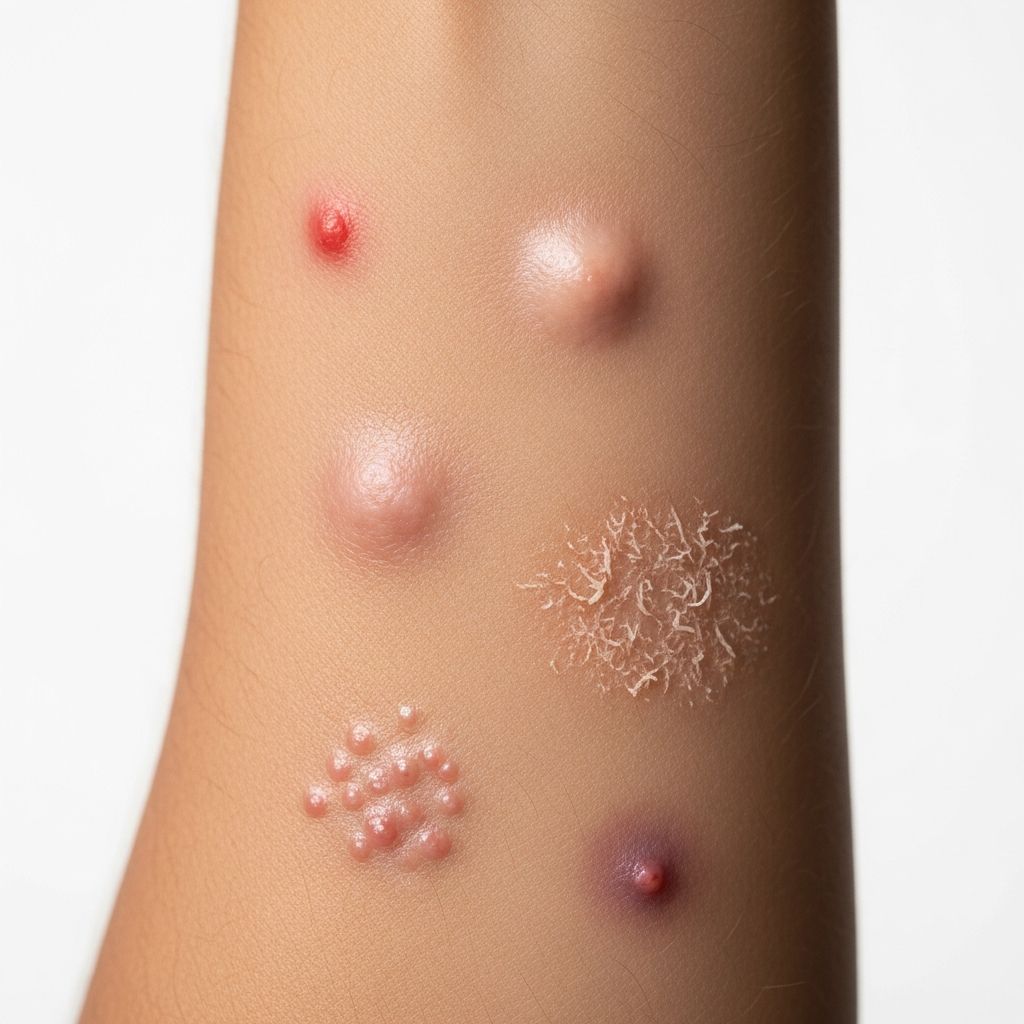
Most adverse cutaneous events associated with vaccines result from a normal inflammatory response to foreign substances introduced during immunisation. These reactions are typically mild, self-limiting, and do not contraindicate future doses. However, understanding the spectrum—from common local reactions to rare severe hypersensitivity—helps clinicians and patients manage expectations and seek timely care.
What are the most common cutaneous reactions to vaccines?
The majority of skin reactions to vaccines occur at the injection site and are benign. These include erythema, swelling, pain, and pruritus, often peaking within 24-48 hours and resolving within a week. Systemic reactions like urticaria or morbilliform rashes are less common but can appear shortly after vaccination.
- Injection site reactions: Redness, swelling, and tenderness affect up to 80% of recipients for some vaccines, such as mRNA COVID-19 shots.
- Delayed local reactions: ‘COVID arm’—large, indurated plaques appearing days after mRNA vaccination—resolves without treatment.
- Urticaria: Hives occurring 2-3 days post-vaccination, often self-limiting.
Who gets cutaneous reactions to vaccines and why?
Reactions arise from immune activation against vaccine antigens, adjuvants like aluminium hydroxide, or excipients such as polyethylene glycol (PEG). Individuals with prior sensitisation, high antibody titres from boosters, or atopy may be more prone. Live vaccines can induce modified viral illnesses mimicking natural infection.
Children and adults on immunosuppressive therapy require caution with live vaccines to avoid dissemination. Atopic patients may experience exacerbated responses due to heightened immune reactivity.
Clinical features of cutaneous reactions to vaccines
Skin manifestations vary by vaccine type and mechanism:
- Local reactions: Erythema, oedema, nodules (e.g., aluminium-induced granulomas persisting months).
- Generalised rashes: Maculopapular, morbilliform, or urticarial eruptions.
- Vaccine-specific: Varicella-like lesions post-varicella vaccine (3-6% of cases); transient rash after MMR (up to 5%).
- Severe: Anaphylaxis with hives, angioedema; rare SJS/TEN with mucosal erosions.
| Vaccine | Common Reaction | Frequency | Cause |
|---|---|---|---|
| MMR | Transient rash | Up to 5% | Vaccine-induced modified measles |
| Varicella | Lesions at/away from site | 3-6% | Live virus replication |
| Tetanus/Diphtheria | Arthus reaction (severe local) | Rare | High antibody titre |
| Aluminium-adjuvanted | Subcutaneous nodules | Up to 19% | Foreign body response |
| mRNA COVID-19 | COVID arm, urticaria | 1-43% (dose-dependent) | Immune activation |
How do you diagnose cutaneous reactions to vaccines?
Diagnosis relies on temporal association (hours to weeks post-vaccination), clinical pattern, and exclusion of infection or unrelated dermatoses. Patch testing confirms contact allergies to components like neomycin. Skin biopsy may show lichenoid infiltrates or neutrophilic patterns in severe cases.
For anaphylaxis, serum tryptase and allergy testing (prick/RAST) are key. Systemic symptoms like fever suggest inflammatory response syndrome (SIRS).
What is the treatment for cutaneous reactions to vaccines?
Most resolve spontaneously; symptomatic relief includes:
- Cool compresses, emollients for local reactions.
- Oral antihistamines for urticaria.
- Topical/systemic corticosteroids for persistent eruptions (e.g., lichenoid reactions).
- Epinephrine and resuscitation for anaphylaxis per ASCIA guidelines.
Related Stories



Severe cases like SJS/TEN require hospitalisation, wound care, and immunomodulation. Report all reactions to pharmacovigilance centres.
Vaccine-specific adverse cutaneous reactions
Live viral vaccines
MMR and varicella vaccines can cause mild, vaccine-modified rashes due to viral replication. Zoster vaccines risk dissemination in immunocompromised patients.
Toxoid vaccines (tetanus, diphtheria)
Arthus-type reactions from immune complex deposition occur rarely after boosters. Generalised urticaria in 5-13%, often from bacterial components.
Aluminium-containing vaccines
Persistent nodules from macrophagic myofasciitis or granulomatous response; resolve over months without allergy.
Influenza and COVID-19 vaccines
Influenza: Exacerbation of dermatitis in atopics. COVID-19 mRNA: Morbilliform (days 1-7), COVID arm (median day 5), VZV flares, pityriasis rosea-like. Pfizer cases include lichenoid eruptions with SIRS. Recurrence risk lower with Pfizer (6%) vs Moderna (26%).
PEG in mRNA vaccines implicated in anaphylaxis; AstraZeneca (polysorbate) as alternative, with specialist evaluation advised.
Shingrix (recombinant zoster)
Injection site reactions (pain, erythema) predominate, alongside systemic symptoms like headache.
Allergic reactions to vaccines
True allergies are rare (<1/1,000,000 doses):
- Contact dermatitis: To preservatives (thiomersal, neomycin); patch test confirmed.
- Anaphylaxis: Within 4 hours; PEG primary culprit in mRNA. Multiple systems involved.
Egg allergy not a contraindication for most; RAST testing excludes. Future doses avoided post-anaphylaxis.
Severe cutaneous adverse reactions
Stevens-Johnson syndrome/toxic epidermal necrolysis (SJS/TEN): Rare post-vaccination; blisters, erosions, Nikolsky sign. Neutrophilic reactions, subacute cutaneous lupus flares also reported post-COVID vaccines.
What is the outcome for cutaneous reactions to vaccines?
Prognosis excellent; >95% self-resolve. Scarring rare except nodules or severe bullous disease. Booster tolerance high post-mild reactions. Severe events may contraindicate specific vaccines.
Prevention of cutaneous reactions to vaccines
- Premedication not routine; antihistamines for high-risk only.
- Avoid boosters in Arthus-prone.
- Alternative vaccines for PEG-allergic (e.g., non-mRNA).
- Immunosuppressed: Inactivated over live vaccines.
Reactions to SARS-CoV-2 (COVID-19) vaccines
Cutaneous reactions in 1-2% early post-first dose; 43% recurrence second dose. Spectrum: local (erythema, swelling day 1), urticaria (day 2-3), morbilliform, filler-like, VZV flares, neutrophilic. Rare lichenoid with systemic inflammation post-Pfizer. Self-limiting; vaccinate confidently.
Frequently Asked Questions
What should I do if I develop a rash after vaccination?
Monitor; most resolve. Seek care for spreading rash, fever, breathing issues. Antihistamines help mild cases.
Can I get the second dose if I had a skin reaction to the first?
Yes for most; recurrence lower for Pfizer. Consult allergist for severe.
Are COVID-19 vaccine skin reactions dangerous?
Rarely; majority mild, self-limiting. Anaphylaxis very rare.
Do vaccine lumps under skin go away?
Yes, aluminium nodules resolve in months.
Is egg allergy a problem for flu shots?
No for most; test if concerned.
References
- Lichenoid cutaneous skin eruption and associated systemic inflammatory symptoms following Pfizer-BioNTech COVID-19 vaccination — Yokota K et al. Clin Case Rep. 2021-09-21. https://pmc.ncbi.nlm.nih.gov/articles/PMC8488450/
- Adverse skin reactions to vaccines — DermNet NZ. Accessed 2026. https://dermnetnz.org/topics/adverse-cutaneous-reactions-to-vaccines
- Skin Reactions to COVID-19 Vaccines — DermNet NZ. Accessed 2026. https://dermnetnz.org/topics/skin-reactions-to-covid-19-vaccines
- COVID-19 immunisation and immunomodulators/biologic agents — DermNet NZ. Accessed 2026. https://dermnetnz.org/topics/covid-19-immunisation-and-immunomodulatorsbiologic-agents
- Summary of Shingrix adverse events following immunisation — Medsafe. 2024-12. https://medsafe.govt.nz/profs/PUArticles/December2024/Summary-of-Shingrix-adverse-events-following-immunisation.html
- Cutaneous adverse reactions following the Pfizer/BioNTech COVID-19 vaccine — McMahon DE et al. J Eur Acad Dermatol Venereol. 2022. https://pmc.ncbi.nlm.nih.gov/articles/PMC9347873/
Similar Articles








Read full bio of Sneha Tete