Advil vs. Aleve: Which Pain Reliever Is Best?
Compare Advil and Aleve to find the best over-the-counter pain reliever for your needs.
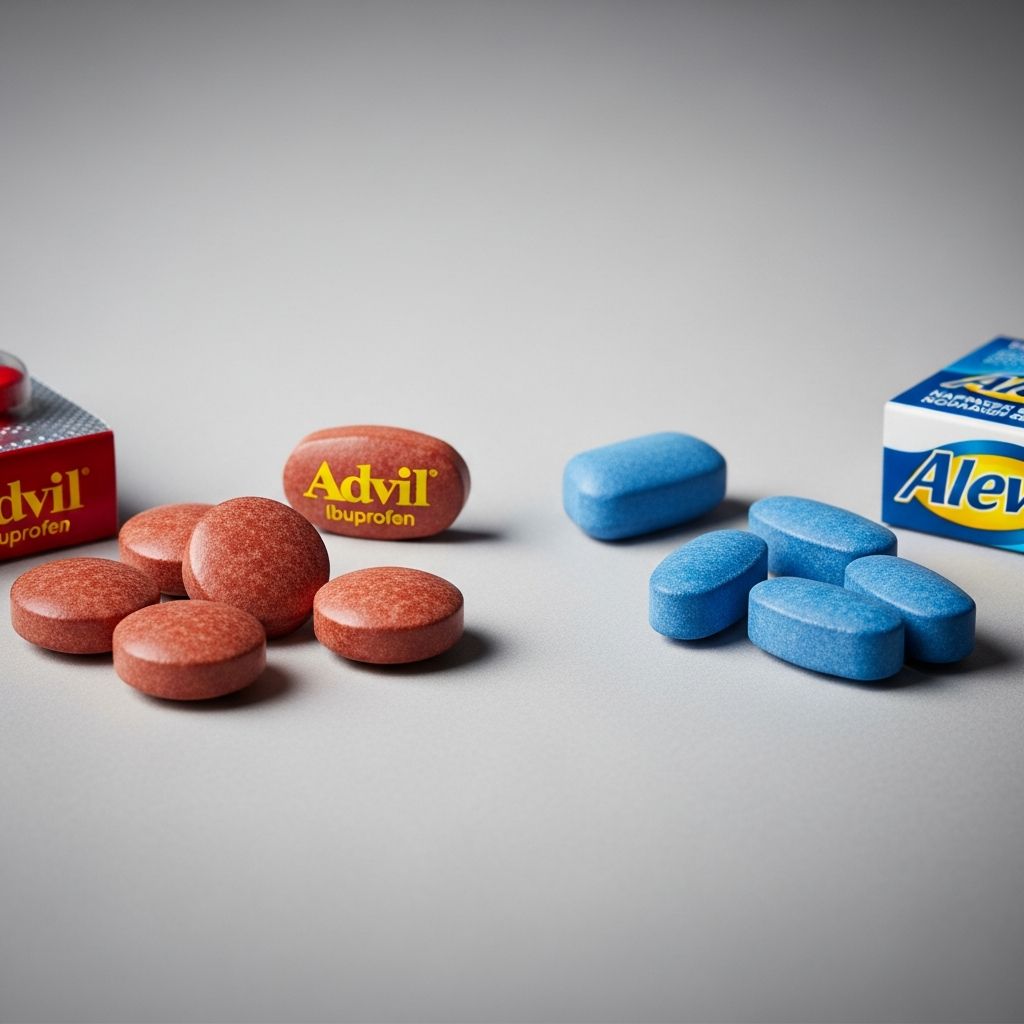
Advil vs. Aleve: Which Pain Reliever Is Best For You?
When dealing with pain, inflammation, or fever, over-the-counter medications like Advil and Aleve are among the most commonly reached-for options in medicine cabinets across the United States. Both are effective pain relievers, but they work differently in the body and may be better suited for different types of pain and situations. Understanding the differences between these two popular NSAIDs can help you make an informed decision about which medication is right for your specific needs.
While Advil and Aleve are often used interchangeably by consumers, they contain different active ingredients and have distinct pharmacological profiles that can affect their effectiveness and safety. This comprehensive guide breaks down the key differences, helping you understand when to use Advil versus Aleve for optimal pain management.
Active Ingredients and Mechanisms of Action
The fundamental difference between Advil and Aleve lies in their active ingredients. Advil contains ibuprofen, while Aleve contains naproxen sodium. Both medications belong to a class of drugs called NSAIDs (nonsteroidal anti-inflammatory drugs), which work by inhibiting enzymes in the body that produce prostaglandins—chemical messengers responsible for inflammation and pain.
Specifically, both ibuprofen and naproxen inhibit COX-1 and COX-2 enzymes to reduce prostaglandin production, providing anti-inflammatory and analgesic (pain-relieving) effects. However, despite their similar mechanisms, subtle differences in how they interact with these enzymes influence their duration and intensity of action.
This shared mechanism of action makes both medications effective for inflammatory pain, but it also means they share similar risks and contraindications. Neither medication is appropriate for individuals with certain gastrointestinal, cardiovascular, or kidney conditions.
Duration and Speed of Action
One of the most significant differences between Advil and Aleve is how long each medication remains active in your system.
| Medication | Onset of Action | Duration of Relief | Dosing Frequency |
|---|---|---|---|
| Advil (Ibuprofen) | 30 minutes | 4 to 6 hours | Every 4-6 hours as needed |
| Aleve (Naproxen) | 1 hour | 8 to 12 hours | Every 8-12 hours as needed |
Advil works more quickly, typically taking effect within 30 minutes, making it ideal for situations where you need immediate relief. However, its effects wear off within 4 to 6 hours, requiring more frequent dosing throughout the day.
Aleve provides longer-lasting relief, with effects lasting 8 to 12 hours. While it takes slightly longer to begin working (approximately 1 hour), this extended duration means fewer doses are needed per day. This longer action makes Aleve particularly convenient for chronic pain conditions where consistent, sustained relief is desired.
Effectiveness for Different Types of Pain
The choice between Advil and Aleve depends significantly on the type and duration of pain you’re experiencing.
Acute Pain
For sudden-onset pain—such as a headache, minor injury, or dental pain—both medications can be effective. However, Advil’s faster onset makes it preferable for acute situations where quick relief is needed. Its ability to take effect within 30 minutes allows for rapid symptom management of short-term discomfort.
Related Stories



Chronic Pain
Aleve is often favored for chronic pain conditions like arthritis, back pain, or menstrual cramps. Its extended 8 to 12-hour duration means patients don’t have to remember to take doses as frequently, improving medication adherence and providing more consistent pain management throughout the day.
Inflammation
Both Advil and Aleve effectively reduce inflammation due to their shared NSAID mechanism. However, for conditions where inflammation is the primary concern—such as arthritis, sprains, or strains—Aleve’s longer duration may provide more sustained anti-inflammatory effects, potentially offering superior relief for inflammatory conditions.
Muscle Pain and Back Pain
Both Advil and Aleve are effective for muscle pain and back pain due to their anti-inflammatory properties. The choice between them depends on your situation: Advil works better for acute muscle strain or sudden back pain episodes where fast relief is critical, while Aleve is better suited for chronic back pain or muscle soreness where sustained relief over an extended period is more valuable.
Safety Profiles and Side Effects
While both Advil and Aleve are available over-the-counter, neither is risk-free, especially with long-term use or high doses.
Gastrointestinal Concerns
Both ibuprofen and naproxen can irritate the stomach lining, potentially leading to gastric ulcers, bleeding, or other gastrointestinal complications with extended use. Individuals with a history of ulcers, gastritis, or inflammatory bowel disease should avoid these medications or use them only under medical supervision. Taking NSAIDs with food or milk can help reduce stomach irritation.
Cardiovascular and Kidney Risks
Long-term or high-dose use of NSAIDs like Advil and Aleve is associated with increased risks of heart attack, stroke, and high blood pressure. Additionally, both medications can affect kidney function, particularly in individuals with pre-existing kidney disease or those taking certain medications like blood pressure drugs.
Drug Interactions
NSAIDs can interact with blood thinners (such as warfarin or aspirin), increasing bleeding risk. They may also interfere with the effectiveness of certain blood pressure medications and can affect kidney function in patients taking ACE inhibitors or diuretics.
Special Populations
Both medications should be avoided in the third trimester of pregnancy. Ibuprofen should not be used in infants under six months old, while naproxen should not be given to children under two years old. Pregnant women, nursing mothers, and parents of young children should consult healthcare providers before using these medications.
When to Use Advil
Advil is the better choice in the following situations:
- Acute pain requiring fast relief (headaches, minor injuries, dental pain)
- Situations where you need pain relief within 30 minutes
- Short-term pain management over several hours
- Pain accompanied by inflammation that needs quick reduction
- When frequent dosing is not a concern or inconvenience
However, avoid Advil if you have gastrointestinal sensitivities, cardiovascular disease, kidney problems, or are taking blood thinners. Always take ibuprofen with food or milk to minimize stomach upset.
When to Use Aleve
Aleve is the better choice in these scenarios:
- Chronic pain conditions (arthritis, persistent back pain, menstrual cramps)
- Situations where sustained relief over 8-12 hours is beneficial
- When minimizing the number of daily doses is important
- Long-term pain management that benefits from consistent medication levels
- Patients who may forget to take medication frequently
Like Advil, Aleve should be avoided by those with gastrointestinal, cardiovascular, or kidney disease. Additionally, naproxen can increase photosensitivity, so users should be cautious when spending extended time in the sun.
Comparing with Other Over-the-Counter Options
For a complete picture of over-the-counter pain relief options, it’s worth understanding how Advil and Aleve compare to acetaminophen (Tylenol), another common pain reliever.
Tylenol differs fundamentally from Advil and Aleve because it lacks anti-inflammatory properties. While acetaminophen effectively reduces pain and fever, it does not address inflammation. For purely inflammatory conditions like arthritis or sprains, NSAIDs are more effective. However, Tylenol is generally safer for individuals with gastrointestinal sensitivities and does not carry the same cardiovascular or kidney risks as NSAIDs.
The main concern with Tylenol is liver toxicity with overdose. The maximum daily dose should not exceed 3,000 milligrams, and individuals with liver disease or regular alcohol consumption should use it cautiously.
Frequently Asked Questions
Q: Can I switch between Advil and Aleve?
A: While both are NSAIDs, it’s generally not recommended to alternate between them without medical guidance. Switching between medications can complicate dosing and increase the risk of exceeding safe daily limits for NSAIDs.
Q: Which is better for arthritis pain?
A: Aleve is typically preferred for arthritis because its longer duration provides more sustained anti-inflammatory relief, and it requires fewer daily doses. However, long-term use should be monitored by a healthcare provider due to potential gastrointestinal and cardiovascular risks.
Q: Is Advil or Aleve safer?
A: Neither is definitively “safer”—both carry similar risks with long-term use. The choice depends on your individual health profile, the type of pain, and how frequently you need relief. Consult your healthcare provider about which is more appropriate for your situation.
Q: Can I take Advil and Aleve together?
A: No. Taking both simultaneously would be dangerous, as they’re both NSAIDs and combining them significantly increases the risk of gastrointestinal, cardiovascular, and kidney complications. Never combine different NSAIDs without explicit medical direction.
Q: How do I avoid stomach upset from these medications?
A: Always take Advil or Aleve with food, milk, or a full glass of water. This helps protect the stomach lining and reduces the risk of gastrointestinal irritation.
Q: Are there people who shouldn’t use either medication?
A: Yes. Avoid Advil and Aleve if you have a history of ulcers, gastrointestinal bleeding, kidney disease, heart disease, high blood pressure, are taking blood thinners, or are in the third trimester of pregnancy. Always consult your healthcare provider before starting any new medication.
Making Your Choice
Both Advil and Aleve are effective over-the-counter pain relievers, but they’re suited for different situations. Choose Advil for acute pain that needs fast relief, and choose Aleve for chronic pain that benefits from sustained, long-lasting effects. Always read labels carefully, follow dosing instructions, take medications with food, and consult a healthcare provider if you have underlying health conditions or take other medications. When used appropriately, either medication can be an effective tool for pain management.
References
- Advil vs. Aleve vs. Tylenol: Which Pain Reliever is Best for You? — Rupa Health. 2024. https://www.rupahealth.com/post/advil-vs-aleve-vs-tylenol-which-pain-reliever-is-best-for-you
- What’s the Difference Between Tylenol, Advil and Aleve? — Hospital for Special Surgery (HSS). 2024. https://www.hss.edu/health-library/conditions-and-treatments/difference-between-tylenol-advil-aleve
- Advil, Aleve And Tylenol: What’s The Difference? — Texas A&M Stories. 2015-05-21. https://stories.tamu.edu/news/2015/05/21/advil-aleve-and-tylenol-whats-the-difference/
- Difference in Over-the-Counter Pain Relievers — Blue Cross VT. 2024. https://www.bluecrossvt.org/health-community/blog/listing/difference-over-counter-pain-relievers
- Naproxen vs. Ibuprofen: Which Is the Better NSAID Pain Reliever? — GoodRx. 2024. https://www.goodrx.com/classes/nsaids/naproxen-vs-ibuprofen-which-is-better-nsaid-pain-reliever
Similar Articles








Read full bio of medha deb