Aeroallergens And The Skin: Causes, Symptoms, And Care
Understanding how airborne allergens trigger skin reactions, respiratory issues, and effective management strategies.
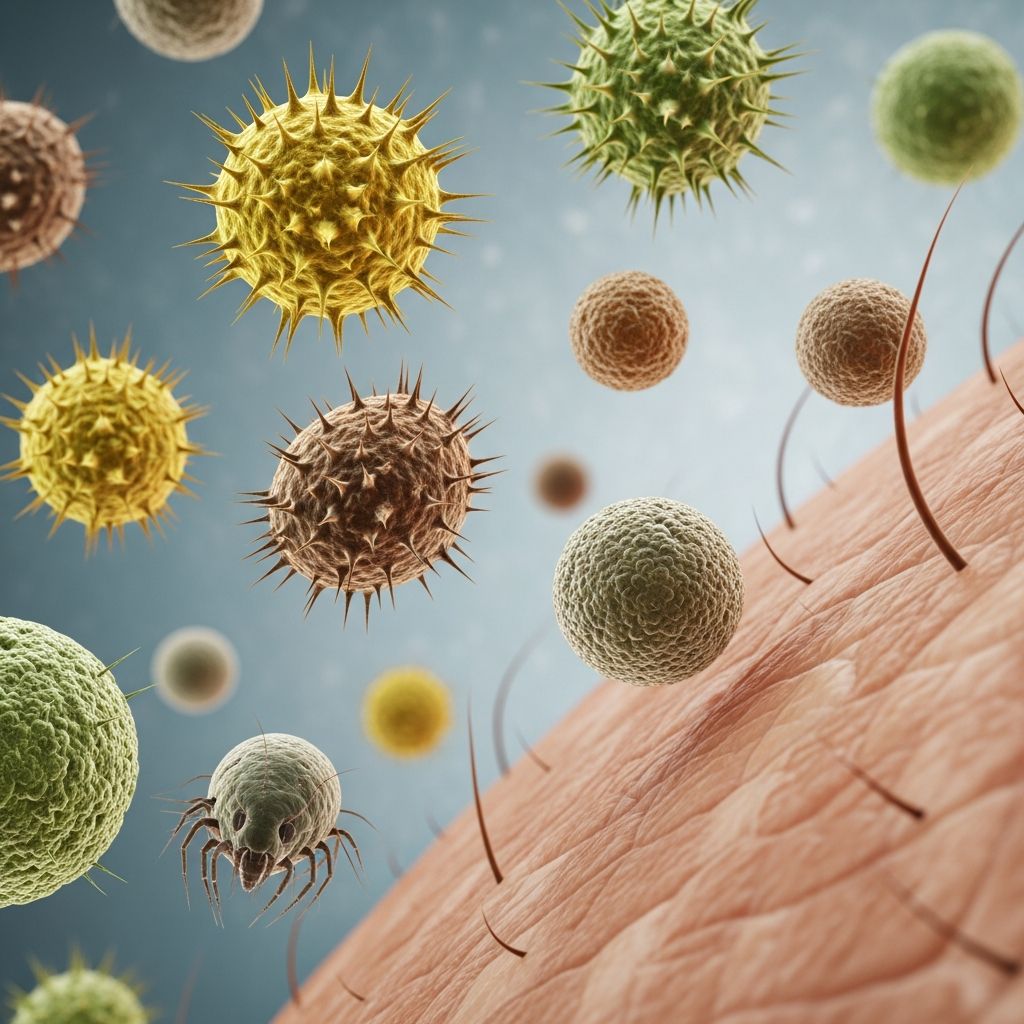
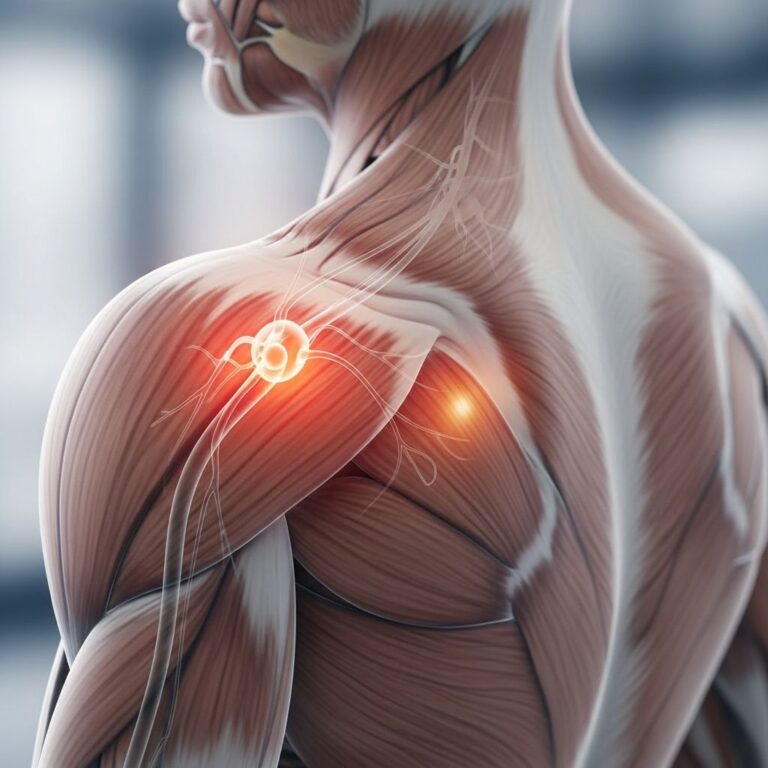
Aeroallergens are airborne substances capable of inducing allergic reactions upon inhalation or skin contact, primarily affecting the skin and mucous membranes in susceptible individuals. These include biological agents like pollens and spores, as well as non-biological irritants, contributing to conditions such as allergic rhinitis, conjunctivitis, asthma, and occasionally eosinophilic oesophagitis.
Introduction
Aeroallergens encompass a diverse group of inhalants and airborne particles, including pollens from plants, fungal spores, house dust mites, animal danders, and inorganic irritants like combustion products. Unlike true allergens that provoke immunoglobulin E (IgE)-mediated responses in genetically predisposed people, some particles cause direct irritant dermatitis without immunological involvement. The most prevalent aeroallergens globally are pollens and house dust mites, with regional variations influenced by climate, flora, fauna, and pollution levels.
Climate change exacerbates aeroallergen proliferation by extending pollen seasons and increasing concentrations, leading to heightened allergic disease incidence. In temperate regions like New Zealand, grasses dominate as primary pollen allergens, with seasons spanning approximately 34 weeks from July or August. Airborne allergens primarily trigger respiratory and ocular symptoms but can also exacerbate or initiate certain dermatological conditions through poorly understood mechanisms involving direct contact or systemic effects.
Demographics
Allergic diseases from aeroallergens affect 10–30% of the global population, with prevalence rising due to urbanisation, pollution, and climate shifts. Atopic individuals—those with a personal or family history of allergies like eczema, asthma, or hay fever—are most susceptible, as aeroallergens exacerbate their conditions via the ‘atopic march’. Children and young adults in urban areas report higher rates, influenced by indoor allergen exposure from modern housing that traps dust mites and moulds.
Gender differences show women slightly more affected by pollen allergies, possibly due to hormonal factors or occupational exposures, while men may encounter more occupational aeroirritants. Ethnic variations exist; for instance, Polynesian populations in New Zealand exhibit lower grass pollen sensitisation compared to Europeans. Overall, sensitisation rates to common aeroallergens like birch pollen reach 20% in Europe, underscoring the need for region-specific awareness.
Causes
Aeroallergens derive from natural and anthropogenic sources. Pollens, the leading cause, originate from trees (e.g., birch, pine), grasses (e.g., ryegrass, timothy), and weeds (e.g., ragweed, mugwort). These lightweight grains disperse widely during specific seasons, peaking in wind-pollinated species.
- Tree pollens: Birch (*Betula*), alder (*Alnus*), hazel (*Corylus*), pine (*Pinus*).
- Grass pollens: Rye (*Lolium*), sweet vernal (*Anthoxanthum*), timothy (*Phleum*), Bermuda (*Cynodon*).
- Weed pollens: Ragweed (*Ambrosia*), mugwort (*Artemisia*), plantain (*Plantago*).
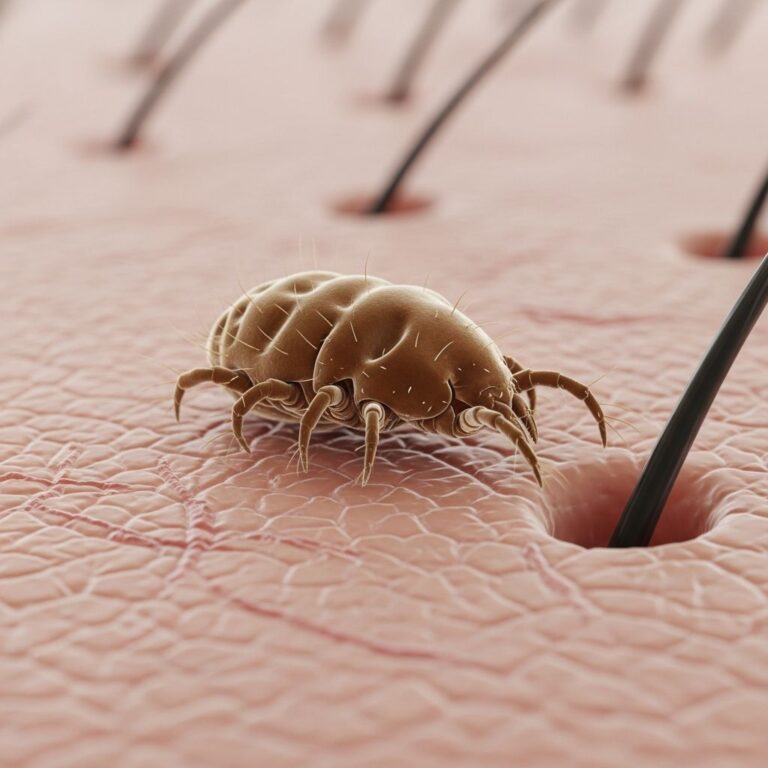
Other biological aeroallergens include fungal spores from *Alternaria*, *Cladosporium*, and *Aspergillus*; house dust mites (*Dermatophagoides pteronyssinus*, *D. farinae*); animal danders from cats (*Fel d 1*), dogs (*Can f 1*), and horses; cockroach allergens; and insect debris like midges.
Non-biological irritants comprise combustion products such as particulate matter (PM2.5, PM10), nitrogen dioxide (NO2), sulphur dioxide (SO2), and ozone from vehicle exhausts, industrial emissions, and wildfires. These can provoke non-allergic reactions or worsen atopic dermatitis.
Related Stories



Health Problems Due to Aeroallergens
Aeroallergens predominantly cause IgE-mediated type I hypersensitivity, manifesting as immediate symptoms: rhinitis (sneezing, rhinorrhoea), conjunctivitis (itching, tearing), and asthma (wheezing, dyspnoea). They contribute to eosinophilic oesophagitis via swallowed allergens.
Skin involvement is less frequent but significant:
- Airborne contact dermatitis: Eczematous patches on exposed areas (face, neck, hands) from pollen or spores.
- Protein contact dermatitis: Vesicular eruptions from animal danders or mites in atopics.
- Urticaria: Hives from inhalant allergens.
- Atopic dermatitis flares: Exacerbation of eczema, especially on eyelids and flexural areas.
- Photosensitive disorders: Polymorphous light eruption aggravated by pollen.
Mechanisms include direct epidermal penetration, haematogenous spread, or airborne induction of cytokines in pre-existing lesions. Figures from clinical studies depict pollen grains adhering to sweaty skin, triggering mast cell degranulation.
Investigation
Suspected aeroallergen reactions warrant a detailed history noting symptom timing with pollen peaks or indoor exposures, plus physical exam for characteristic distributions. Diagnostic tools include:
- Skin prick testing: Drops of allergen extracts pricked into forearms; wheal-and-flare within 15–20 minutes indicates sensitisation (positive control: histamine; negative: saline).
- Serum-specific IgE (RAST/ImmunoCAP): Blood tests quantifying allergen-specific antibodies.
- Skin patch testing: For delayed-type reactions to non-volatile aeroallergens like dust mites.
- Spirometry/peak flow: For asthma confirmation.
- Nasal provocation: Rarely, controlled allergen challenge.
Pollen calendars and apps track local counts. Photopatch testing assesses photoallergic potential. Positive tests must correlate clinically, as sensitisation does not equate to disease.
How to Minimise Reactions
Avoidance is cornerstone management, though challenging. Strategies include:
- Pollen avoidance: Monitor forecasts; stay indoors during peaks, use air conditioning/HEPA filters, shower post-exposure, keep windows closed.
- Mite control: Encase mattresses/pillows in allergen-proof covers, wash bedding weekly at 60°C, reduce humidity below 50%, vacuum with HEPA filters.
- Mould prevention: Dehumidify, fix leaks, clean bathrooms weekly with bleach solutions.
- Animal dander: Exclude pets from bedrooms, frequent bathing, HEPA vacuums.
- Irritants: Avoid outdoor activities during pollution alerts, use masks.
Table 1: Aeroallergen Avoidance Measures
| Allergen | Key Strategies |
|---|---|
| Pollen | Stay indoors 5am–10am, pollen forecasts, nasal irrigation |
| Dust Mites | Encasings, hot washes, low humidity |
| Moulds | Ventilation, dehumidifiers, exhaust fans |
| Animals | Pet-free zones, grooming |
Treatment
Symptomatic relief targets manifestations:
- Antihistamines: Second-generation (cetirizine, fexofenadine) for rhinitis/urticaria.
- Intranasal corticosteroids: Mometasone for persistent rhinitis.
- Leukotriene antagonists: Montelukast for asthma/rhinitis.
- Topical steroids/emollients: For dermatitis flares.
- Immunotherapy: Sublingual tablets or subcutaneous injections desensitising to specific allergens like grass pollen, effective in 70–80% reducing symptoms long-term.
Emerging biologics like omalizumab target IgE for severe cases. Multidisciplinary care involving dermatologists, allergists, and pulmonologists optimises outcomes.
Frequently Asked Questions (FAQs)
Q: Who is most at risk from aeroallergens?
A: Atopic individuals with eczema, asthma, or hay fever history are highly susceptible due to genetic predisposition.
Q: Can aeroallergens cause skin problems without respiratory symptoms?
A: Yes, airborne contact dermatitis presents as eczema on exposed skin from direct pollen/spore contact.
Q: How effective is house dust mite avoidance?
A: Encasings reduce exposure by 90%, significantly improving atopic dermatitis and asthma.
Q: When should immunotherapy be considered?
A: For moderate-severe, IgE-mediated disease uncontrolled by avoidance/pharmacotherapy, after confirmed sensitisation.
Q: Does climate change worsen aeroallergen issues?
A: Yes, warmer temperatures extend seasons and boost pollen potency, increasing allergy prevalence.
References
- Aeroallergens and the skin — DermNet NZ. 2023-06-15. https://dermnetnz.org/topics/aeroallergens
- Skin prick testing — DermNet NZ. 2024-02-10. https://dermnetnz.org/topics/skin-prick-testing
- Climate change and aeroallergens — World Health Organization (WHO). 2023-11-01. https://www.who.int/news-room/fact-sheets/detail/climate-change-and-health
- Pollen and allergic diseases in New Zealand — Ministry of Health New Zealand. 2022-05-20. https://www.health.govt.nz/our-work/populations/maori-health/population-health-profile-update-2022/asthma-and-allergies
- Immunotherapy for allergic rhinitis — National Institute for Health and Care Excellence (NICE). 2024-01-12. https://www.nice.org.uk/guidance/ng80
Similar Articles








Read full bio of medha deb