Aerobic Vaginitis: Causes, Symptoms, and Treatment
Complete guide to understanding aerobic vaginitis, its causes, symptoms, diagnosis, and effective treatment options.
Aerobic Vaginitis: Understanding the Condition
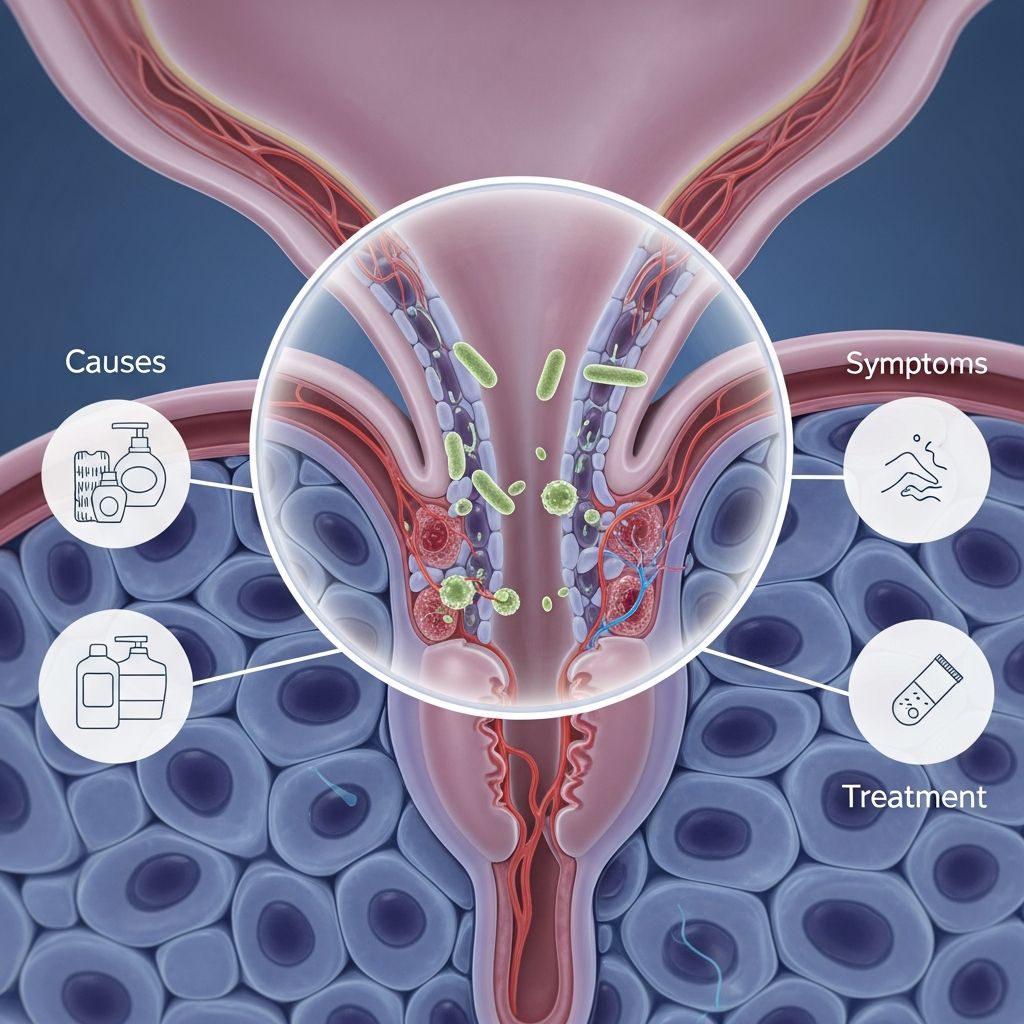
Aerobic vaginitis (AV) is a form of vaginal dysbiosis, characterized by a disturbance in the ecology of aerobic micro-organisms that reside in the vaginal microflora. Unlike its name might suggest, aerobic vaginitis has no connection to aerobic exercise; rather, it is a specific type of vaginal infection caused by the overgrowth of bacteria that thrive in the presence of oxygen. This condition was first described by Belgian obstetrician-gynecologist Dr. Donders in 2002 and has since become increasingly recognized as an important vaginal health concern affecting women of various ages.
The primary characteristic of aerobic vaginitis is a significant reduction in vaginal lactobacilli, the healthy bacteria that normally maintain vaginal pH and protect against harmful pathogens. When these protective bacteria decline, aerobic and intestinal pathogens proliferate, triggering a localized vaginal inflammatory immune response. This imbalance results in varying degrees of vaginal inflammation, creating an environment distinctly different from a healthy vaginal ecosystem.
Causes and Risk Factors
Aerobic vaginitis can develop from multiple sources. The aerobic bacteria responsible for this condition may originate from four primary sources:
- Fecal contamination
- Skin flora
- Bladder bacteria
- Transmission from intimate partners
The most common causative bacteria include Escherichia coli (E. coli), Enterococcus faecalis, Group B Streptococcus (GBS), Klebsiella, and Staphylococcus aureus. The condition occurs more frequently in postmenopausal women and those who have recently taken antibiotics, as antibiotic therapy can disrupt the normal vaginal microbiota and allow aerobic bacteria to proliferate.
Environmental factors may also contribute to increased risk. Hot weather conditions can lead to increased sweating and reduced urinary frequency, creating an environment where bacteria in the bladder can thrive. When bladder bacteria are not regularly flushed through normal urination, some of these organisms may migrate to the vagina, increasing the risk of developing aerobic vaginitis.
Symptoms and Clinical Presentation
Aerobic vaginitis presents with distinct clinical signs that help differentiate it from other vaginal infections. The hallmark symptom is vaginal inflammation, which typically distinguishes aerobic vaginitis from bacterial vaginosis.
Common symptoms of aerobic vaginitis include:
- Vaginal itching and burning sensations
- Vaginal redness and swelling around the vaginal opening
- Yellowish or greenish vaginal discharge, often sticky in consistency
- Dyspareunia (pain during sexual intercourse)
- An unpleasant “rotten” smell, though less common than in bacterial vaginosis
- Increased vaginal discharge volume
- Vaginal dryness and discomfort
The discharge associated with aerobic vaginitis is typically more viscous and yellow-green in color compared to the grayish-white discharge characteristic of bacterial vaginosis. Additionally, patients may experience elevated vaginal pH levels (greater than 4.5), along with evidence of inflammation and leukocyte infiltration.
Diagnosis of Aerobic Vaginitis
Accurate diagnosis of aerobic vaginitis requires professional medical evaluation. Healthcare providers typically examine vaginal discharge samples under a microscope to identify signs of inflammation and specific bacterial patterns. The diagnostic process involves looking for characteristic findings including significant inflammatory cells, epithelial cell peeling, and the presence of aerobic pathogenic bacteria while noting the absence or significant reduction of normal lactobacilli.
Related Stories



Microscopic examination may reveal purulent vaginal secretions with substantial inflammation and distinctive epithelial changes. Advanced diagnostic methods, such as vaginal microbiome testing, can identify the specific pathogens involved in the inflammatory vaginitis, allowing healthcare providers to tailor treatment accordingly. This precise identification is particularly important because aerobic vaginitis requires different treatment approaches compared to other common vaginitis causes such as bacterial vaginosis or yeast infections.
Aerobic Vaginitis vs. Other Vaginal Infections
Aerobic vaginitis is frequently confused with other vaginal conditions due to overlapping symptoms, but it requires a distinctly different treatment approach. The following table highlights key differences between aerobic vaginitis and bacterial vaginosis:
| Characteristic | Aerobic Vaginitis (AV) | Bacterial Vaginosis (BV) |
|---|---|---|
| Primary Bacteria | E. coli, GBS, Staphylococcus, Enterococcus | Anaerobic bacteria (Gardnerella vaginalis) |
| Vaginal Inflammation | Prominent and distinctive feature | Often minimal or absent |
| Vaginal Discharge | Yellow-green, sticky, viscous | Grayish-white, thin |
| Odor | Rotten smell (variable) | Fishy odor (especially after intercourse) |
| Standard Treatment | Topical antibiotics (clindamycin, kanamycin) | Metronidazole |
Prevalence and Risk Groups
The frequency of aerobic vaginitis varies depending on the population studied. Research indicates that aerobic vaginitis affects 12% to 23.7% of symptomatic non-pregnant women and 4% to 8% of pregnant women. Women who develop aerobic vaginitis have an increased risk for sexually transmitted infections (STIs), making proper diagnosis and treatment particularly important.
Treatment Options for Aerobic Vaginitis
Treatment of aerobic vaginitis requires a comprehensive approach targeting the bacterial overgrowth, inflammation, and restoration of normal vaginal flora. Unlike bacterial vaginosis, which responds to metronidazole, aerobic vaginitis requires antibiotics with intrinsic activity against aerobic and intestinal pathogens.
Antibiotic Therapy
Standard treatment for aerobic vaginitis typically involves topical antibiotics. Common antibiotic options include:
- Clindamycin cream (2% formulation)
- Kanamycin ovules
- Fluoroquinolones (such as moxifloxacin)
In severe cases of aerobic vaginitis, a successful treatment protocol involves applying 4 to 5 grams of 2% clindamycin cream daily for 4 to 6 weeks. While clindamycin provides coverage for Gram-positive bacteria including Group B Streptococcus and has been reported to reduce inflammation, relapse rates remain a concern, with approximately 32.1% of patients experiencing relapse after 6 weeks and 43.4% after longer periods.
It is important to note that antibiotics often fail to completely clear aerobic vaginitis, particularly in cases involving multiple different bacteria. Because each case of AV may be caused by different bacterial species, no single antibiotic has proven universally effective against all aerobic vaginitis cases. This variability in causative agents is a primary reason why recurrent infections and treatment failures are common.
Complementary and Adjunctive Therapies
Beyond antibiotics, several additional treatment approaches may be employed to address aerobic vaginitis more comprehensively:
- Probiotics: These help repopulate the vagina with healthy lactobacilli, restoring normal vaginal flora balance
- Topical Steroids: These may be prescribed to help relieve vaginal inflammation and associated symptoms
- Local Estrogen Therapy: Particularly beneficial for postmenopausal women, hormone treatments can restore vaginal tissue health and support lactobacillus colonization
Treatment duration varies based on severity and individual response. With appropriate antibiotic therapy, many mild cases may clear within approximately one week, though full symptom resolution may require additional time depending on individual response. More stubborn or chronic cases may require treatment extending over several weeks and often benefit from the supportive therapies mentioned above.
Recurrence and Long-term Management
One of the most challenging aspects of aerobic vaginitis is its propensity for recurrence. Even after successful treatment, many women experience a return of symptoms. Approximately 32.1% to 43.4% of patients experience relapse after initial treatment, indicating that more research is needed to understand why recurrence occurs, when it is most likely to happen, and how frequently it develops.
Currently, there is no generally accepted clinical strategy for preventing recurrence of aerobic vaginitis, particularly when caused by specific pathogens like Enterococcus faecalis. Most healthcare providers recommend that long-term management be based on microscopic or microbiological findings, utilizing a combination of topical antibiotics targeted to the specific infectious agent, topical steroids to manage inflammation, and estrogen therapy when atrophy is present.
Frequently Asked Questions
Q: Is aerobic vaginitis related to aerobic exercise?
A: No. Despite its name, aerobic vaginitis has no connection to aerobic exercise. The term “aerobic” refers to bacteria that require oxygen to survive and grow, not to physical activity. Aerobic vaginitis is purely a medical condition involving bacterial overgrowth in the vaginal environment.
Q: How long does it take to recover from aerobic vaginitis?
A: Recovery time varies depending on severity and individual response. Mild cases treated with appropriate antibiotics may resolve within approximately one week, though complete symptom resolution may take longer. More persistent or chronic cases may require several weeks of treatment combined with supportive therapies.
Q: Can aerobic vaginitis affect pregnancy?
A: Yes, aerobic vaginitis can occur during pregnancy, affecting 4% to 8% of pregnant women. This is why proper diagnosis and treatment are particularly important for expectant mothers, as vaginal infections can potentially impact pregnancy outcomes.
Q: Why do antibiotics sometimes fail to treat aerobic vaginitis?
A: Aerobic vaginitis can be caused by multiple different bacterial species, and no single antibiotic is universally effective against all of them. Additionally, some bacteria may develop antibiotic resistance, and the inflammatory response itself may persist even after bacterial load is reduced.
Q: What can I do to prevent aerobic vaginitis?
A: While prevention strategies are not well-established due to limited research, maintaining overall vaginal health through appropriate hygiene, avoiding unnecessary antibiotics when possible, staying well-hydrated, and urinating regularly may help reduce risk. Women taking antibiotics should consider probiotic supplementation to maintain healthy vaginal flora.
Q: Is aerobic vaginitis contagious?
A: Aerobic vaginitis itself is not contagious in the traditional sense, as it results from an imbalance of normal and pathogenic bacteria already present or acquired through contamination sources. However, some causative bacteria may be transmitted between intimate partners.
Conclusion
Aerobic vaginitis represents an important vaginal health concern that requires proper medical attention and diagnosis. Distinguished by significant vaginal inflammation, aerobic bacterial overgrowth, and reduced lactobacillus populations, this condition presents unique diagnostic and treatment challenges. While antibiotic therapy remains the standard treatment approach, the high recurrence rates and treatment failures demonstrate the complexity of this condition and the need for more comprehensive understanding and research. Women experiencing symptoms consistent with aerobic vaginitis should seek professional medical evaluation to ensure accurate diagnosis and appropriate treatment, which may involve a combination of targeted antibiotics, anti-inflammatory agents, and supportive therapies aimed at restoring normal vaginal ecology. Ongoing research into better prevention and treatment strategies remains essential for improving outcomes for affected women.
References
- A Comprehensive Guide to Aerobic Vaginitis (AV) — NeuEve. 2024. https://www.neueve.com/blogs/blog/aerobic-vaginitis
- Aerobic Vaginitis: Causes, Symptoms, and Treatment — Evvy. 2024. https://www.evvy.com/blog/aerobic-vaginitis
- Vaginal Pain Could Be Aerobic Vaginitis — Juno Bio. 2024. https://www.juno.bio/blogs/learn/aerobic-vaginitis
- Aerobic Vaginitis: Technical Bulletin — Medical Diagnostic Laboratories. 2024. https://www.mdlab.com/forms/Aerobic_Vaginitis_Tech_Bulletin.pdf
- Aerobic Vaginitis Caused by Enterococcus Faecalis — National Institutes of Health, PubMed Central. 2023. https://pmc.ncbi.nlm.nih.gov/articles/PMC10019880/
- Aerobic Vaginitis: When Aerobic Bacteria Takes Over — Tiny Health. 2024. https://www.tinyhealth.com/blog/aerobic-vaginitis
- Aerobic vaginitis — DermNet. 2024. https://dermnetnz.org/topics/aerobic-vaginitis
Similar Articles








Read full bio of Sneha Tete