Aeromonas Skin Infection: Signs, Treatment & Prevention Guide
Comprehensive guide to Aeromonas skin infections: causes, symptoms, diagnosis, treatment, and prevention strategies for this waterborne bacterial threat.
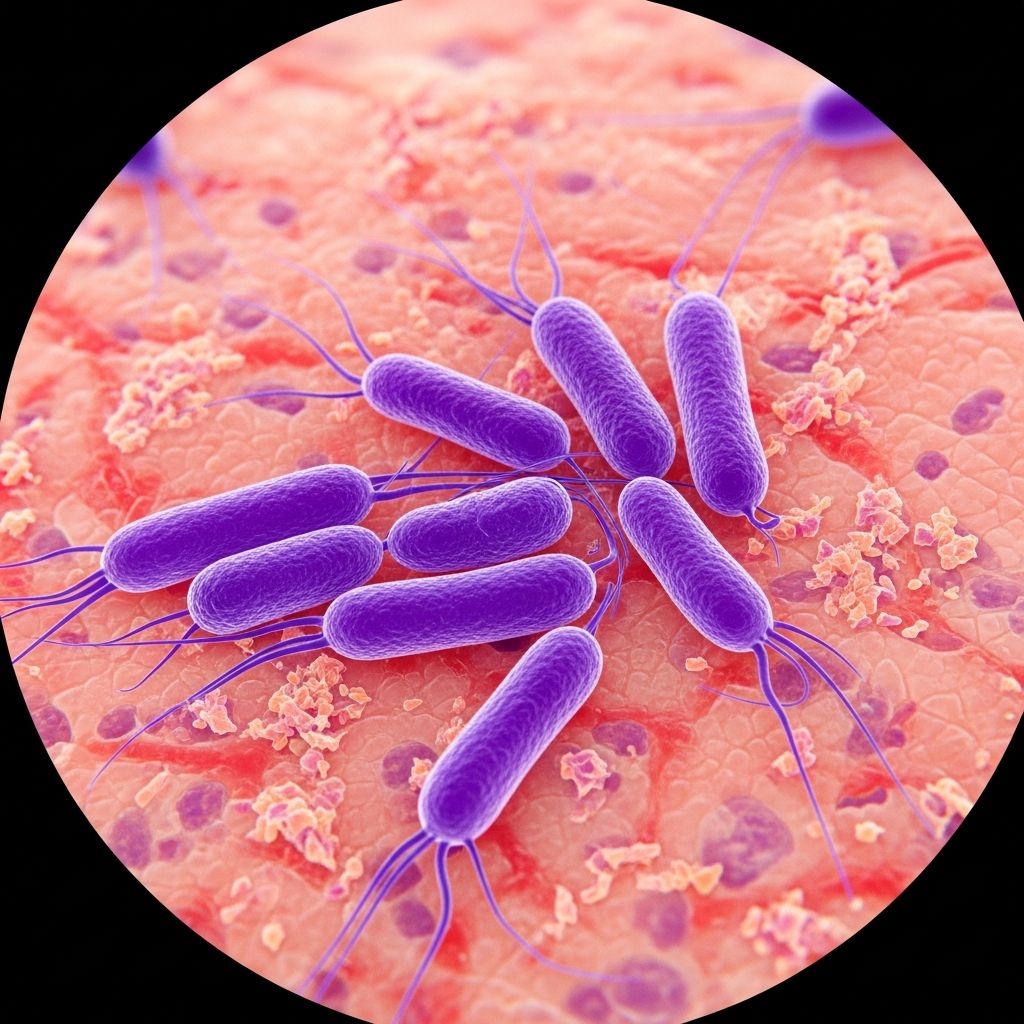
Aeromonas skin infections are bacterial infections caused by Aeromonas species, gram-negative rods thriving in freshwater, brackish water, and soil. These opportunistic pathogens primarily affect skin and soft tissues through breaks in the skin exposed to contaminated environments. While often self-limiting in healthy individuals, they pose severe risks to immunocompromised patients, potentially leading to cellulitis, abscesses, or necrotizing fasciitis.
What is Aeromonas?
Aeromonas comprises over 20 species, with Aeromonas hydrophila, A. caviae, and A. sobria most implicated in human infections. These motile, oxidase-positive bacteria produce virulence factors like aerolysin toxin, hemolysins, and proteases, enabling tissue invasion and toxin-mediated damage. They are ubiquitous in aquatic ecosystems worldwide, surviving in temperatures from 0°C to 42°C.
Aeromonas infections extend beyond skin, causing gastroenteritis (traveler’s diarrhea), meningitis, peritonitis, and sepsis, particularly in vulnerable populations. Skin manifestations dominate, often following trauma in aquatic settings.
Who gets Aeromonas skin infection?
Anyone with skin breaches exposed to Aeromonas-contaminated water risks infection. High-risk groups include:
- Immunocompromised individuals: Cancer patients, transplant recipients, or those on corticosteroids/immunosuppressants face rapid progression to severe disease.
- Aquatic exposure victims: Swimmers, fishermen, or those in floods/outbreaks after water sports events.
- Leech therapy patients: Medicinal leeches harbor Aeromonas in their gut, transmitting it via bites.
- Trauma patients: Abrasions, lacerations, surgical wounds, or insect bites in wet environments.
- Children and healthy adults: Rare but reported in nonchlorinated pools or baths causing folliculitis.
Outbreaks occur in race participants or flood survivors with skin punctures.
What causes Aeromonas skin infection?
Infection initiates when Aeromonas enters via disrupted skin barriers: shaving cuts, abrasions, punctures, burns, surgical sites, or leech bites. The aerolysin toxin disrupts cell membranes, promoting rapid bacterial proliferation and inflammation. Water exposure accelerates entry, with symptoms emerging in 8-48 hours.
Virulence is heightened in warm, stagnant waters. Unlike typical skin flora like Staphylococcus or Streptococcus, Aeromonas resists standard empiric antibiotics like penicillins, necessitating targeted therapy.
What are the signs of Aeromonas skin infection?
Presentations vary from mild to life-threatening:
- Folliculitis: Pustular rash, pruritic, in hair follicles; common post-nonchlorinated pool exposure.
- Cellulitis: Erythema, warmth, swelling, tenderness; rapid onset with systemic fever, headache.
- Abscesses and bullae: Fluctuant swellings, hemorrhagic bullae, purulent drainage.
- Impetigo-like lesions: Crusting, erosions progressing to ecthyma.
- Necrotizing fasciitis: Severe, violaceous hue, bullae rupture, tissue necrosis in immunocompromised.
Severe cases show systemic inflammatory response: fever, tachycardia, sepsis. Scarring and hair loss follow resolution.
| Presentation | Key Features | Risk Factors |
|---|---|---|
| Folliculitis | Pustules, pruritus | Pool exposure |
| Cellulitis | Erythema, fever (8-48h) | Water trauma |
| Abscess | Pus, fluctuation | Leech bites |
| Necrotizing | Bullae, necrosis | Immunosuppression |
Diagnosis of Aeromonas skin infection
Diagnosis combines history (water exposure, leech use), clinical signs, and microbiology. Wound swabs, pus, or tissue biopsies cultured on blood/macConkey agar yield gram-negative rods. Confirm with oxidase test, motility, and biochemical profiles. Susceptibility testing is crucial due to resistance patterns.
Imaging (ultrasound for abscesses) or biopsy aids severe cases. Blood cultures detect bacteremia. Empiric therapy failure (e.g., to amoxicillin-clavulanate) raises suspicion.
Related Stories



Treatment of Aeromonas skin infection
Prompt antibiotics target Aeromonas’ resistance to penicillins, first-gen cephalosporins, and macrolides. Effective options:
- Fluoroquinolones: Ciprofloxacin (universal susceptibility).
- Tetracyclines: Doxycycline.
- Trimethoprim-sulfamethoxazole (TMP-SMX).
- Sulfonamides, 3rd/4th-gen cephalosporins, carbapenems for severe cases.
Surgical drainage is essential for abscesses. Hospitalize seriously ill patients for IV therapy (3-7+ days based on response). Adjuncts like polarized light therapy may accelerate healing. Monitor for scarring.
In outbreaks, cover Aeromonas plus typical SSTI pathogens pending cultures.
Complications of Aeromonas skin infection
Immunocompromised patients risk:
- Sepsis, multi-organ failure.
- Necrotizing fasciitis, myonecrosis.
- Scarring, alopecia, chronic wounds.
- Extracutaneous spread: gastroenteritis, meningitis.
Delayed treatment prolongs hospitalization and worsens outcomes.
Prevention of Aeromonas skin infection
- Cover wounds before water exposure; avoid contaminated waters.
- Post-leech therapy: prophylactic ciprofloxacin if immunocompromised.
- Chlorinate pools; clean punctures immediately.
- Vaccination absent; hygiene key in floods/outbreaks.
Frequently Asked Questions (FAQs)
Q: How quickly do Aeromonas skin infections develop?
A: Symptoms appear within 8-48 hours of exposure, with rapid progression in vulnerable patients.
Q: Is Aeromonas resistant to common antibiotics?
A: Yes, resistant to penicillins and amoxicillin-clavulanate; use fluoroquinolones or TMP-SMX.
Q: Can healthy people get Aeromonas infections?
A: Yes, via water-exposed wounds or pools, though severe cases are rarer.
Q: What should I do after a leech bite?
A: Monitor for infection; seek antibiotics if signs appear, especially ciprofloxacin.
Q: How is Aeromonas diagnosed?
A: Culture of wound pus or tissue, plus water exposure history and susceptibility testing.
This comprehensive overview equips healthcare providers and patients to recognize, treat, and prevent Aeromonas skin infections effectively. Early intervention prevents devastating complications.
References
- Aeromonas skin infection — DermNet NZ. 2023. https://dermnetnz.org/topics/aeromonas-skin-infection
- Aeromonas wound infection in a healthy boy, and wound healing — PMC/NCBI. 2017-11-01. https://pmc.ncbi.nlm.nih.gov/articles/PMC5692235/
- Outbreak of Aeromonas Skin Infections — California Department of Public Health (CDPH). 2023. https://www.cdph.ca.gov/Programs/OPA/Pages/CAHAN/Outbreak-of-Aeromonas-Skin-Infections.aspx
- Aeromonas as a Cause of Purulent Folliculitis: A Case Report — Oxford Academic/JPIDS. 2017-02-20. https://academic.oup.com/jpids/article/6/1/e1/2706373
- Aeromonas hydrophila Cellulitis — Consultant360. 2023. https://www.consultant360.com/content/aeromonas-hydrophila-cellulitis
- Aeromonas and Human Health Disorders: Clinical Approaches — Frontiers in Microbiology. 2022-06-23. https://www.frontiersin.org/journals/microbiology/articles/10.3389/fmicb.2022.868890/full
- Aeromonas — Johns Hopkins ABX Guide. 2025. https://www.hopkinsguides.com/hopkins/view/Johns_Hopkins_ABX_Guide/540010/all/Aeromonas
Similar Articles








Read full bio of medha deb