Affordable Eye Care For Seniors: Essential Resources 2025
Discover budget-friendly ways seniors can protect their vision with free exams, glasses programs, and community support options.

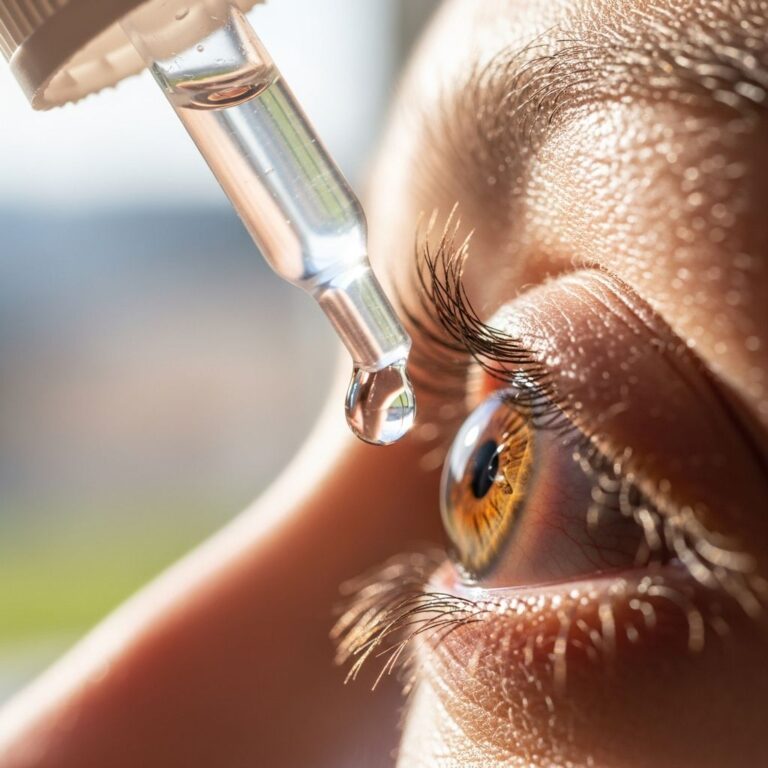
Seniors face unique challenges with vision health, as age-related conditions like cataracts, glaucoma, and macular degeneration become more common. Fortunately, numerous programs offer free or low-cost eye exams, glasses, and treatments to help maintain independence and quality of life without financial strain.
Why Vision Care Matters for Older Adults
As people age beyond 60, the risk of vision impairment rises significantly. Routine eye exams can detect issues early, preventing blindness and preserving daily activities like reading, driving, and recognizing faces. The Centers for Disease Control and Prevention notes that vision loss costs Americans billions annually in medical expenses and lost productivity. Low-cost resources bridge the gap for those on fixed incomes, ensuring equitable access to professional care.
Key benefits include early intervention for common senior eye issues: cataracts cloud the lens, glaucoma damages the optic nerve silently, and dry eyes affect comfort. Regular check-ups, even if free, empower proactive management.
Government Insurance Programs Supporting Senior Vision
Federal and state programs provide a safety net for eye care costs. Understanding coverage is the first step to affordability.
Medicare Coverage Essentials
Medicare, the primary insurance for those 65 and older, does not cover routine vision exams or glasses for most beneficiaries. However, it pays for services related to diagnosed eye diseases, such as cataract surgery, glaucoma treatment, and diabetic retinopathy management. Medicare Advantage plans often expand benefits to include annual exams and discounts on eyewear.
- Part B covers outpatient eye care for medical conditions.
- Contact State Health Insurance Assistance Program (SHIP) for personalized guidance on benefits.
- Check for extra vision perks in private Medicare plans.
Medicaid and CHIP for Low-Income Seniors
Medicaid offers comprehensive vision coverage for qualifying low-income adults, including exams every 24 months and necessary glasses in some states. CHIP supports families but extends to seniors in dual-eligible scenarios. Eligibility varies by state, often based on income below 138% of the federal poverty level.
Nonprofit Organizations Delivering Free Eye Services
Charities and professional groups fill gaps in insurance, targeting uninsured or underinsured seniors with targeted aid.
EyeCare America: Comprehensive Exams for Adults
This program from the American Academy of Ophthalmology provides free dilated eye exams and up to one year of follow-up care for adults 65+, uninsured individuals, or those at high risk for glaucoma. Volunteers—board-certified ophthalmologists—perform services nationwide. Apply online or through a doctor referral; no income proof required for seniors.
VSP Eyes of Hope: Glasses and Care for the Uninsured
VSP Vision Care’s initiative delivers no-cost exams and prescription eyewear to low-income adults and children lacking insurance. Community partners like schools assist with applications, making it accessible for isolated seniors.
Lions Clubs and Local Vision Aid
Lions Clubs International operates through thousands of local chapters, offering financial aid for exams, glasses, or surgery. Contact your nearest club for vouchers or direct services—many focus on seniors.
Other notables:
- New Eyes: Recycles and provides glasses; apply via social workers.
- Mission Cataract USA and Operation Sight: Free cataract surgery for eligible patients.
- American Glaucoma Society’s AGS Cares: Surgery support for glaucoma.
Related Stories



Community and Educational Resources for Everyday Vision Support
Beyond direct care, local hubs offer practical help and low-vision aids.
Finding Clinics and University Programs
Community health centers provide sliding-scale fees for exams; use federal locators to find one nearby. Optometry schools at colleges often charge reduced rates for supervised student care, ideal for routine senior check-ups.
| Resource Type | Services Offered | Eligibility |
|---|---|---|
| Community Health Centers | Exams, basic glasses | Low-income, uninsured |
| University Clinics | Full exams, fittings | Open to public, low fees |
| VA Health Care | Exams, glasses for vets | Veterans 65+ |
Low-Vision Rehabilitation Tips
For irreversible vision loss, rehabilitation teaches adaptive techniques. Optometrists design programs using magnifiers, lighting adjustments, and tech like screen readers. The American Optometric Association emphasizes annual exams to update prescriptions and monitor changes.
- Use large-print materials and audio books.
- Opt for anti-glare coatings on glasses.
- Avoid wide-framed sunglasses that block peripheral vision.
Practical Daily Habits to Preserve Senior Vision
Affordable care pairs with simple lifestyle choices to extend eye health.
The 20-20-20 rule—every 20 minutes, look 20 feet away for 20 seconds—eases digital strain. A nutrient-rich diet with leafy greens, fish, and nuts supports retinal health. Quit smoking, control diabetes, and wear UV-protective sunglasses outdoors.
Navigating Insurance and Local Aid: A Step-by-Step Guide
1. Review your Medicare/Medicaid plan details.
2. Apply to programs like EyeCare America online.
3. Visit community centers or Lions Clubs for immediate help.
4. Schedule annual dilated exams, even if low-cost.
For veterans, VA covers routine exams and glaucoma tests comprehensively.
Frequently Asked Questions (FAQs)
Do seniors get free eye exams on Medicare?
Not routinely, but yes for medical conditions like cataracts. Medicare Advantage may cover more.
How do I qualify for EyeCare America?
Age 65+, uninsured, or high glaucoma risk; apply via their site.
Are there free glasses programs?
Yes, VSP Eyes of Hope, New Eyes, and Lions Clubs provide them to eligible low-income individuals.
What if I need cataract surgery but can’t afford it?
Mission Cataract USA and Operation Sight offer free procedures.
Can low-vision aids help with daily tasks?
Absolutely—rehab services teach techniques for independence.
State-Specific Variations and Next Steps
Vision benefits differ by state; for example, Medi-Cal in California funds exams biennially. Start by calling 211 for local resources or visiting Prevent Blindness for directories.
Proactive steps today safeguard tomorrow’s sight. Combine these resources with healthy habits for optimal results.
References
- Get Free or Low-Cost Eye Care — National Eye Institute (NEI), NIH. 2022-04-25. https://www.nei.nih.gov/eye-health-information/healthy-vision/finding-eye-doctor/get-free-or-low-cost-eye-care
- Find Eye Care at Little or No Cost With These Resources — Responsum Health (citing NEI). 2022. https://glaucoma.responsumhealth.com/free-eye-care-resources
- Senior Vision: Over 60 Years of Age — American Optometric Association (AOA). Accessed 2026. https://www.aoa.org/healthy-eyes/eye-health-for-life/senior-vision
- Vision Care Assistance — American Diabetes Association. Accessed 2026. https://diabetes.org/health-wellness/eye-health/vision-care-assistance
- Free Eye Care and Glasses for Adults and Children — VSP Vision Care. Accessed 2026. https://www.vsp.com/eyewear-wellness/in-the-community/eyes-of-hope-no-cost-eye-care-eyewear
- Medi-Cal Benefits: Vision — Covered California. Accessed 2026. https://www.coveredca.com/support/using-my-plan/medi-cal-vision/
Similar Articles








Read full bio of medha deb