African Heritage Diet: Black Food Heals Community
Discover how the African Heritage Diet reconnects communities with ancestral foods, promoting health, cultural pride, and healing through vibrant plant-based traditions.
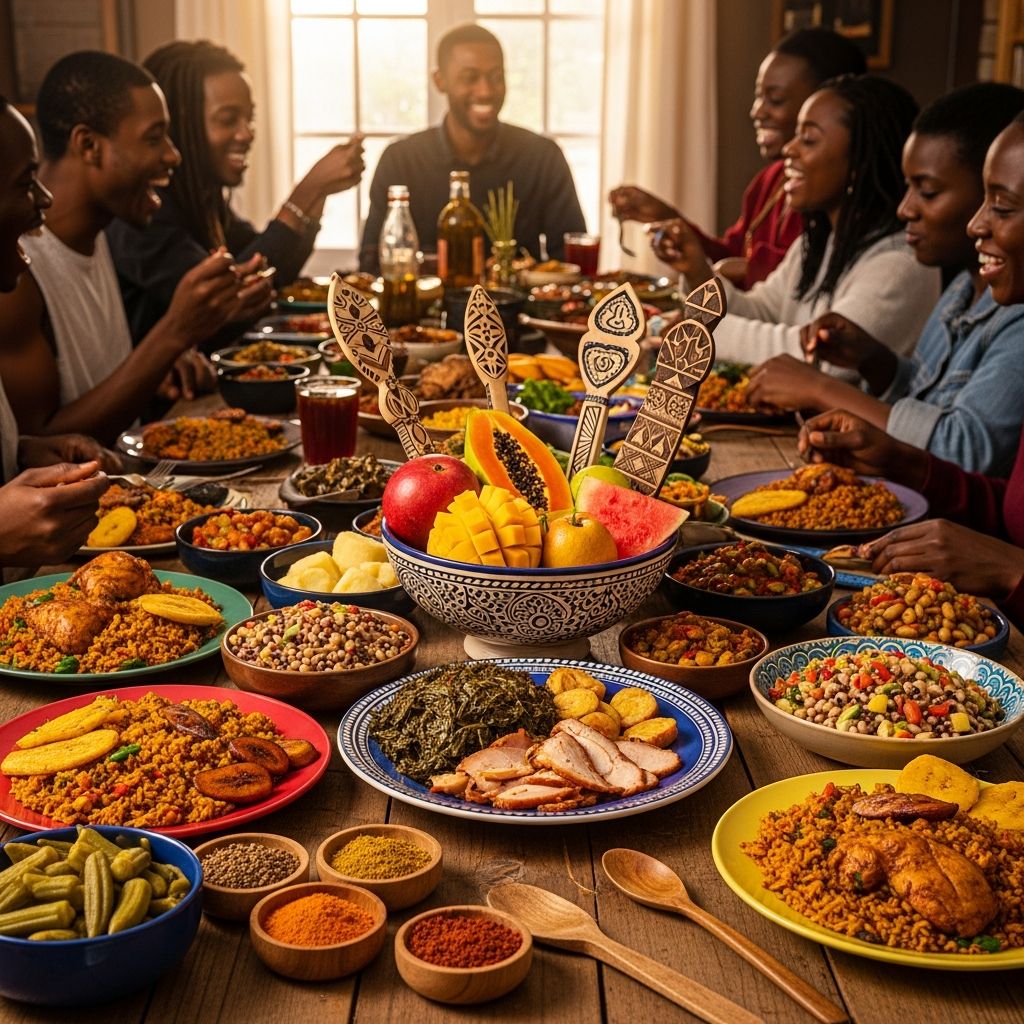
The
African Heritage Diet
revives the nutrient-rich, plant-forward eating patterns of African American ancestors and the broader African Diaspora, fostering physical health, cultural identity, and community bonds. Rooted in traditions from West and Central Africa, the American South, the Caribbean, and South America, this diet emphasizes vegetables, fruits, whole grains, legumes, nuts, and seafood to combat chronic diseases while celebrating heritage flavors.What Is the African Heritage Diet?
The African Heritage Diet is a healthy traditional eating model based on common threads and foodways of African American ancestors across the Diaspora. Developed by Oldways in 2011 with nutrition scientists and culinary historians, it counters modern processed diets with ancestral patterns proven to lower chronic disease risk, support healthy weight, and enhance well-being.
This diet is plant-forward, prioritizing veggies and leafy greens, fresh fruits, roots and tubers like cassava and yams, nuts and peanuts, beans, and staple whole grains such as rice, barley, millet, sorghum, and teff. Seafood features prominently, with lean proteins like goat or poultry in moderation, and minimal processed sugars or red meats.
Unlike restrictive fad diets, it celebrates culturally meaningful foods that people love preparing, increasing adherence and nutritional impact. Research shows it boosts fruit and vegetable intake, lowers blood pressure, and improves outcomes for diabetes and heart disease.
The African Heritage Diet Pyramid
At the base of the
African Heritage Diet Pyramid
are daily staples: vegetables (especially dark leafy greens like collards), fruits, whole grains (millet, sorghum, teff), beans and legumes (cowpeas, black-eyed peas), nuts, seeds, and healthy plant oils (peanut, sesame). Seafood and moderate dairy (like yogurt) form the middle, with herbs, spices, and occasional lean meats or sweets at the top.Key foods cited in studies include maize (most frequent), cassava, cowpeas, fish, fruits, legumes, millet, sorghum, and vegetables—eaten over generations in alignment with cultural, religious, and environmental availability.
| Pyramid Level | Frequency | Examples |
|---|---|---|
| Daily Base | Every meal | Leafy greens, fruits, tubers (yams, cassava), grains (millet, sorghum), beans, nuts |
| Weekly | Several times/week | Seafood, yogurt, avocado, okra |
| Occasional | Less often | Goat, poultry, eggs, dark chocolate, sweet potatoes |
This structure promotes biodiversity, seasonality, and home-cooked meals, mirroring traditional diets’ sustainability.
Health Benefits Backed by Science
A randomized study in Tanzania’s Kilimanjaro region tested the African Heritage Diet against Western-style eating. Seventy-seven adults switched to heritage foods (millet porridge, okra, beans, avocado) for 1-2 weeks, yielding sustained reductions in inflammatory and metabolic plasma proteins—even four weeks post-intervention. A fermented banana-millet beverage (mbege) similarly lowered inflammation rapidly.
- Reduced Inflammation: Heritage diet groups showed improved markers vs. Western diet (white bread, sausage, fries).
- Chronic Disease Prevention: High-fiber whole grains and plants lower risks of obesity, diabetes, heart disease.
- Metabolic Health: Increases fruit/veggie consumption, decreases blood pressure.
- Sustainability: Biodiverse, locally sourced foods resilient to climate/economic shifts.
Related Stories



Traditional African diets (TrAfDi) are high in plant foods, low in processed items, aligning with global heritage diets’ benefits like those of Mediterranean or Nordic patterns.
Cultural Roots and Community Healing
The diet transcends nutrition, shaping identity and viewing culture as a health solution.
African Heritage and Health Week
, the first week of February, launches Black History Month by celebrating Diaspora flavors and techniques from four regions.Oldways’ initiatives like A Taste of African Heritage—a six-week cooking/nutrition program since 2012—and its kids’ version teach recipes like banana millet porridge. These foster pride, sustainability, and joy in “old ways.”
For Black communities, reclaiming these foods heals intergenerational trauma from food deserts and processed diets, rebuilding connections through shared meals.
Key Foods and Flavors Across the Diaspora
From Senegal to Brazil to Georgia, common elements include:
- Vegetables: Okra, collards, eggplant, tomatoes.
- Grains/Tubers: Millet, sorghum, cassava, yams, plantains.
- Legumes: Black-eyed peas, cowpeas, lentils.
- Proteins: Fish, shellfish, beans, peanuts.
- Flavors: Berbere spice, Scotch bonnet peppers, ginger, garlic, palm oil.
A scoping review confirms maize, cassava, cowpeas, fish, fruits, legumes, millet, sorghum, and vegetables as TrAfDi core, varying regionally.
Recipes to Get Started
Incorporate these crowd-favorites:
- Mafe Stew: Peanut-based stew with chicken or veggies, served over millet. Rich in protein and antioxidants.
- Black-Eyed Pea Salad: With tomatoes, onions, Scotch bonnet—high-fiber side.
- Misir Wot: Ethiopian red lentil stew with berbere spice.
- Caribbean-Style Bean Stew: Kidney beans, coconut milk, plantains.
- After Chop Fruit Salad: Mango, papaya, avocado with lime.
These dishes are flavorful, simple, and align with the pyramid for quick health gains.
Frequently Asked Questions (FAQs)
What is African Heritage and Health Week?
Held by Oldways the first week of February, it celebrates healthy foods and traditions of the African Diaspora during Black History Month.
How does the diet differ from the Mediterranean Diet?
Both plant-forward, but African Heritage emphasizes Diaspora staples like teff, sorghum, cowpeas, and seafood over olives/wine, with bolder spices.
Can anyone follow this diet?
Yes—benefits emerge in 1-2 weeks; accessible globally with common foods.
Is it sustainable environmentally?
Yes, prioritizing seasonal, biodiverse plants optimizes resources and resilience.
Bringing It Home: Programs and Resources
Oldways offers e-courses, kids’ programs, and recipes. Start small: swap white rice for millet, add greens daily. Communities hosting cooking classes report stronger bonds and better health.
This diet heals by nourishing bodies with anti-inflammatory foods while mending spirits through cultural reclamation. As research grows, it promises policy shifts toward heritage eating for public health.
References
- Starfish Blog: African Heritage and Health Week — Starfish Family Services. 2021-02. https://www.starfishfamilyservices.org/2021/02/starfish-blog-african-heritage-and-health-week/
- African Heritage Diet Can Improve Markers of Inflammation — Oldways. Post-2023 (recent study cited). https://oldwayspt.org/blog/african-heritage-diet-can-improve-markers-of-inflammation/
- Black History Month Spotlight: African Heritage Diet — Vetri Community Partnership. Recent. https://vetricommunity.org/news/black-history-month-spotlight-african-heritage-diet/
- Definition of the traditional African diet: a scoping review — PMC / NCBI. 2024. https://pmc.ncbi.nlm.nih.gov/articles/PMC12465632/
- African Heritage Diet – Traditional African Diet, Food & Nutrition Info — Oldways. Ongoing. https://oldwayspt.org/explore-heritage-diets/african-heritage-diet/
- Heritage diets have important health benefits and policy implications — News-Medical.net (review summary). 2024-06-04. https://www.news-medical.net/news/20240604/Heritage-diets-have-important-health-benefits-and-policy-implications-review-finds.aspx
Similar Articles








Read full bio of medha deb