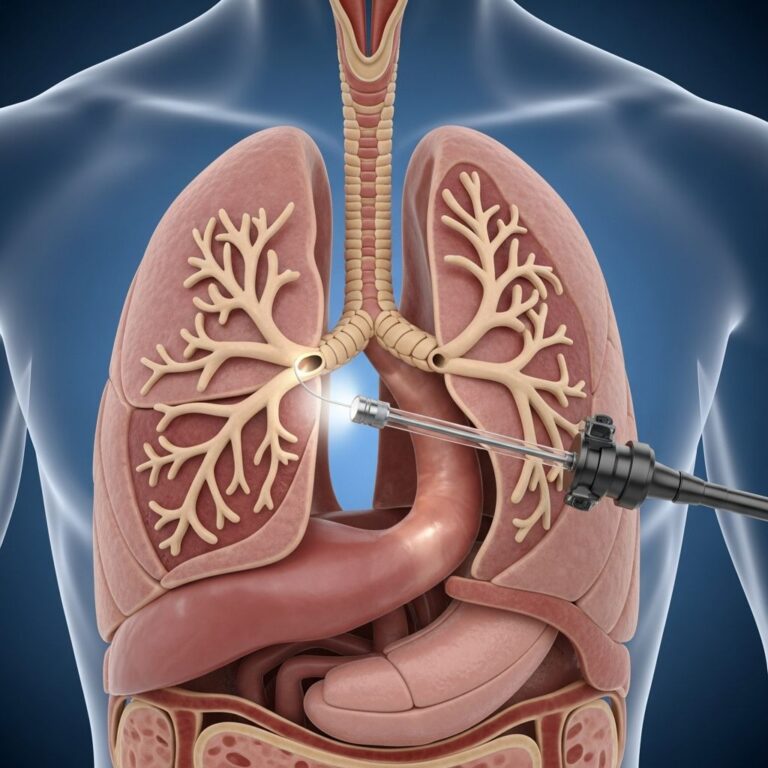
After-Surgery Discomforts and Complications
Understanding common post-surgical discomforts and serious complications to ensure safe recovery.

Surgery is often a necessary medical intervention, but it comes with a recovery period during which patients may experience various discomforts and, in some cases, complications. Understanding what to expect after surgery and recognizing warning signs can help ensure a smoother recovery and prevent serious health issues. This comprehensive guide covers common post-surgical discomforts, potential complications, and strategies for managing your recovery.
Understanding Post-Surgical Recovery
The recovery period after surgery varies depending on the type of procedure, the extent of the surgery, your age, and your overall health status. During this time, your body is healing the surgical wound and adjusting to the effects of anesthesia. Most patients experience some degree of discomfort, which is a normal part of the healing process. However, it’s important to distinguish between expected discomfort and signs of serious complications that require immediate medical attention.
Common Post-Surgical Discomforts
Pain and Soreness
Pain at the surgical site is one of the most common discomforts after surgery. This pain typically decreases over time as the wound heals. Your surgeon will likely prescribe pain medications to help manage this discomfort during the initial recovery period. Pain management is an important part of recovery because controlling pain allows you to move around, which promotes healing and reduces the risk of complications.
Swelling and Bruising
Swelling around the surgical site is a normal inflammatory response to surgery. Similarly, bruising may appear in and around the wound area. These typically peak within the first few days after surgery and gradually improve over subsequent weeks. Elevation of the affected area and the application of ice during the first 24 to 48 hours can help reduce swelling. Your healthcare provider may also recommend compression garments or other measures to minimize these effects.
Nausea and Vomiting
Many patients experience nausea and vomiting after surgery, particularly as they recover from anesthesia. This postoperative nausea and vomiting (PONV) is caused by the effects of anesthesia and pain medications. Modern anesthesia techniques and preventive medications have reduced the frequency and severity of this complication. Most cases resolve within the first 24 hours, but your medical team can provide medications to manage this symptom if needed.
Fatigue and Weakness
It’s common to feel tired and weak after surgery due to the physical trauma of the procedure, blood loss, anesthesia, and pain medication. This fatigue gradually improves as your body heals. Adequate rest, nutrition, and gradual increases in activity as cleared by your surgeon help restore your energy levels and strength.
Sleep Disturbances
Pain, medications, and anxiety can interfere with sleep quality after surgery. Establishing a comfortable sleeping position, taking pain medications as directed, and creating a restful environment can help improve sleep during recovery. If sleep disturbances persist, discuss this with your healthcare provider.
Constipation
Constipation is a frequent side effect after surgery, often caused by pain medications, reduced physical activity, changes in diet, and anesthesia effects. To prevent or manage constipation, ensure adequate hydration, gradually increase fiber intake, and engage in light physical activity as approved by your surgeon. Your doctor may recommend stool softeners or mild laxatives if needed.
Related Stories



Minor Post-Surgical Complications
Delayed Wound Healing
Some wounds heal more slowly than expected. Minor delays in wound healing that don’t require reoperation are considered minor complications. Factors affecting wound healing include age, nutrition, diabetes, smoking, and infection. Proper wound care, maintaining good nutrition, avoiding smoking, and following your surgeon’s instructions help promote optimal healing.
Seroma and Hematoma
A seroma is a collection of clear fluid that may accumulate near the surgical site, while a hematoma is a collection of blood. Both are relatively common minor complications. Most seromas and hematomas resolve on their own within a few weeks. Your surgeon may need to drain larger collections if they cause significant discomfort or don’t resolve spontaneously.
Infection Requiring Antibiotics
Minor infections that respond to oral antibiotics are classified as minor complications and occur at rates between 4-5% in various surgical procedures. Signs of a minor wound infection include increased redness, warmth, drainage, or tenderness at the wound site. If you notice these signs, contact your healthcare provider for evaluation. Proper wound care and antibiotic treatment can resolve these infections without requiring reoperation.
Temporary Nerve Dysfunction
Temporary nerve dysfunction, such as numbness, tingling, or weakness near the surgical site, can occur as a result of nerve irritation during surgery. This complication is usually temporary and resolves as nerves recover from the trauma. However, if symptoms persist or worsen, inform your surgeon.
Major Post-Surgical Complications
Serious Infection and Sepsis
While minor infections respond to oral antibiotics, more serious infections can develop and may require hospitalization and intravenous antibiotics. Sepsis is a life-threatening condition that occurs when bacteria enter the bloodstream and trigger a severe inflammatory response. Signs of serious infection include fever above 101.5°F (38.6°C), increasing redness or warmth around the wound, pus-like drainage, chills, and rapid heart rate. These symptoms require immediate medical attention.
Deep Vein Thrombosis (DVT) and Pulmonary Embolism (PE)
Blood clots can form in the deep veins of the legs (DVT) or travel to the lungs (PE), which is considered a major complication requiring immediate intervention. Risk factors include prolonged immobility, surgery to the lower extremities, cancer, obesity, and previous clotting disorders. Symptoms of DVT include leg swelling, pain, warmth, and redness. Symptoms of PE include shortness of breath, chest pain, and rapid heart rate. If you experience these symptoms, seek emergency medical care immediately.
Bleeding and Hemorrhage
While minor bleeding is controlled during surgery, postoperative hemorrhage can occur if blood vessels reopen or weren’t properly sealed. Signs include excessive bleeding from the wound, rapid pulse, dizziness, weakness, and pale skin. Significant bleeding requires emergency care and may necessitate a return to the operating room.
Pneumothorax
For certain surgeries, particularly those involving the chest or lungs, pneumothorax (collapsed lung) is a potential major complication requiring immediate treatment, which may include chest tube placement. Symptoms include sudden chest pain and difficulty breathing.
Cardiac Events
Heart attack or other cardiac events can occur after major surgery, particularly in patients with existing heart disease or significant risk factors. Modern advances in predicting these complications help identify high-risk patients. Research at Johns Hopkins has demonstrated that artificial intelligence models analyzing routine electrocardiogram (ECG) data can predict which patients will suffer post-surgical cardiac complications with 85% accuracy, significantly outperforming traditional risk scores.
Stroke
Stroke is another potential serious complication after major surgery, particularly in elderly patients or those with cardiovascular risk factors. Advanced AI models can help identify patients at higher risk before surgery, allowing for preventive measures.
Delirium and Neurological Complications
Delirium is the most common neurologic complication in elderly surgical patients, characterized by confusion, disorientation, and altered mental status. Evidence-based quality initiatives focused on anesthesia care help prevent delirium in older patients. These may include minimizing medications that increase delirium risk, maintaining adequate oxygenation and hydration, and promoting early mobilization.
Risk Factors for Post-Surgical Complications
Certain factors increase the likelihood of experiencing complications after surgery. Understanding these risk factors can help you and your healthcare team take preventive measures:
- Age: Elderly patients have higher complication rates and may require specialized perioperative protocols.
- Smoking: Active smokers have significantly higher rates of minor complications compared to nonsmokers.
- Diabetes: Diabetes impairs wound healing and increases infection risk.
- Hypertension: High blood pressure increases cardiovascular complications.
- Obesity: Excess weight increases stress on the body and complication rates.
- Preexisting medical conditions: Heart disease, lung disease, and kidney disease increase complication risk.
- Poor nutrition: Inadequate nutrition impairs wound healing.
- Medications: Certain medications such as blood thinners may increase bleeding risk.
- Type and extent of surgery: More extensive or complex procedures carry higher complication rates.
Preventing Post-Surgical Complications
Before Surgery
Preparation before surgery significantly reduces complication risk. Stop smoking at least two weeks before surgery if possible, as smoking dramatically increases complications. Optimize control of chronic conditions such as diabetes and hypertension. Ensure adequate nutrition and discuss all medications with your surgeon. Lose weight if you’re obese, though this should be done gradually under medical supervision.
Immediately After Surgery
Follow all postoperative instructions carefully. Take medications exactly as prescribed. Keep your wound clean and dry, and change dressings as directed. Perform deep breathing and coughing exercises to prevent lung complications. Use compression stockings or sequential compression devices if recommended to prevent blood clots. Start moving around as soon as cleared by your surgical team to promote circulation and prevent complications.
During Recovery at Home
Continue wound care as instructed. Watch for signs of infection or other complications. Gradually increase activity as tolerated. Eat a nutritious diet rich in protein and vitamins to support healing. Stay hydrated. Avoid strenuous activities and heavy lifting until cleared by your surgeon. Attend all follow-up appointments.
Emerging Technology in Predicting Complications
Johns Hopkins researchers have developed innovative artificial intelligence models that detect previously unrecognized signals in routine heart tests to predict which patients will suffer potentially deadly complications after surgery. The AI model analyzed preoperative ECG data from 37,000 patients and can now predict complications with 85% accuracy using a combination of ECG information and patient medical data, compared to traditional risk scores that are only accurate about 60% of the time.
This breakthrough could transform how surgeons and patients approach preoperative risk assessment. Rather than having routine ECG results filed away in medical records, patients could receive personalized risk assessments enabling informed discussions about the benefits and risks of surgery before procedures are performed.
When to Contact Your Healthcare Provider
Contact your surgeon or healthcare provider immediately if you experience:
- Fever above 101.5°F (38.6°C)
- Excessive bleeding from the wound
- Increasing redness, swelling, warmth, or pus drainage from the surgical site
- Opening of the surgical wound
- Severe or worsening pain not controlled by medications
- Persistent nausea or vomiting preventing eating or taking medications
- Chest pain or difficulty breathing
- Signs of blood clots such as calf swelling, warmth, or pain
- Sudden weakness or numbness
- Confusion or difficulty concentrating
- Persistent constipation despite interventions
- Any symptoms that concern you
Frequently Asked Questions
How long does post-surgical pain typically last?
Most acute post-surgical pain decreases significantly within the first two to four weeks. However, some residual discomfort may persist for several months depending on the type of surgery. Pain management strategies evolve during recovery, transitioning from medications to other approaches like physical therapy and gradual activity advancement.
What is the difference between a minor and major surgical complication?
Minor complications include infections treatable with oral antibiotics, seroma/hematoma, delayed wound healing not requiring reoperation, and temporary nerve dysfunction. Major complications require emergency care, hospitalization, or return to the operating room, such as uncontrolled bleeding, pulmonary embolism, pneumothorax requiring chest tube placement, cardiac events, or stroke.
Can I prevent all post-surgical complications?
While you cannot guarantee prevention of all complications, following preoperative and postoperative instructions, managing risk factors such as smoking and diabetes, maintaining good nutrition, and adhering to activity restrictions significantly reduce your complication risk. Additionally, modern technology like AI-based ECG analysis helps identify high-risk patients for targeted preventive measures.
Should I be concerned about constipation after surgery?
Constipation is very common after surgery but is preventable and manageable. Increase fluid and fiber intake gradually, stay mobile as allowed, and discuss constipation concerns with your healthcare provider if over-the-counter measures don’t help. Many surgeons routinely recommend stool softeners as a preventive measure.
How can I reduce my risk of infection after surgery?
Keep your wound clean and dry, follow dressing change instructions precisely, wash hands before touching the wound, take antibiotics exactly as prescribed if given, maintain good nutrition and hydration, avoid submerging the wound in water until cleared by your surgeon, and watch for early signs of infection so you can seek prompt treatment.
What role does age play in post-surgical complications?
Elderly patients have higher rates of post-surgical complications, including delirium, cardiac events, and pulmonary complications. Specialized perioperative protocols and quality initiatives focused on anesthesia care help prevent complications in older surgical patients. Early identification of high-risk elderly patients through tools like AI-enhanced ECG analysis allows for targeted preventive interventions.
References
- A 10-Year Review of Surgical Outcomes at the Johns Hopkins and University of Maryland Resident Aesthetic Clinic — National Center for Biotechnology Information (NIH). 2022. https://pmc.ncbi.nlm.nih.gov/articles/PMC9673761/
- Artificial Intelligence Predicts Deadly Complications After Surgery Using Routine ECG Data — Johns Hopkins University Communications. 2025-09-17. https://hub.jhu.edu/2025/09/17/artificial-intelligence-predicts-post-surgery-complications/
- Preventing Postoperative Complications in the Elderly — Johns Hopkins University School of Medicine. https://pure.johnshopkins.edu/en/publications/preventing-postoperative-complications-in-the-elderly-3
- Predicting Deadly Complications After Surgery — Johns Hopkins University Engineering News. https://engineering.jhu.edu/ece/news/predicting-deadly-complications-after-surgery/
Similar Articles








Read full bio of medha deb