Age-Related Vision Changes: Understanding Presbyopia
A comprehensive guide to presbyopia, its causes, symptoms, and effective treatment options for aging eyes.
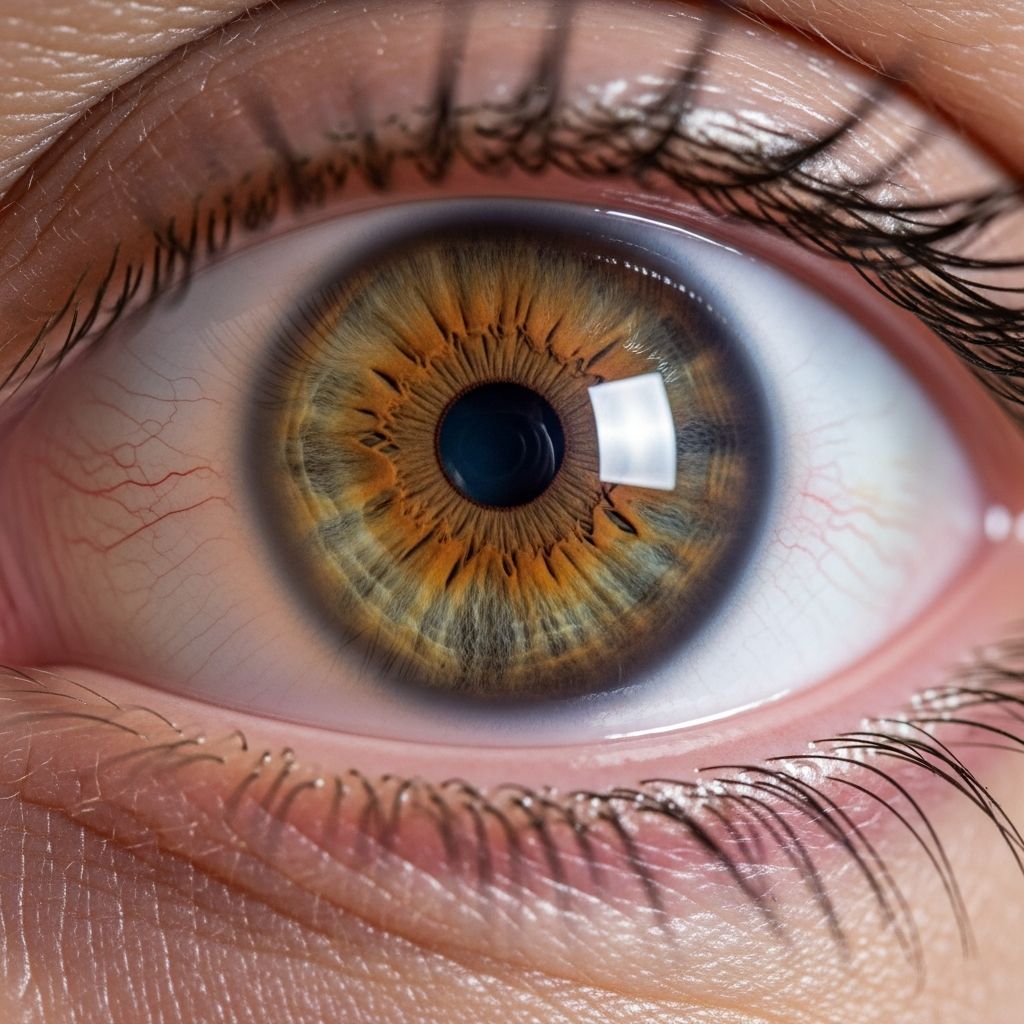
As we journey through our 40s and beyond, many of us notice a gradual shift in our visual capabilities. Reading a restaurant menu, threading a needle, or viewing text messages on our phones becomes increasingly challenging. This common experience reflects a natural physiological process known as presbyopia, a refractive error that fundamentally alters how our eyes focus light.
Unlike eye diseases that represent pathological conditions, presbyopia is a universal aspect of human aging. The condition emerges from structural and biochemical changes within the eye’s lens, a process that affects virtually every person as they mature. Understanding this phenomenon is essential for anyone seeking to maintain quality of life and visual comfort throughout their later years.
The Optical Foundation: How Normal Vision Functions
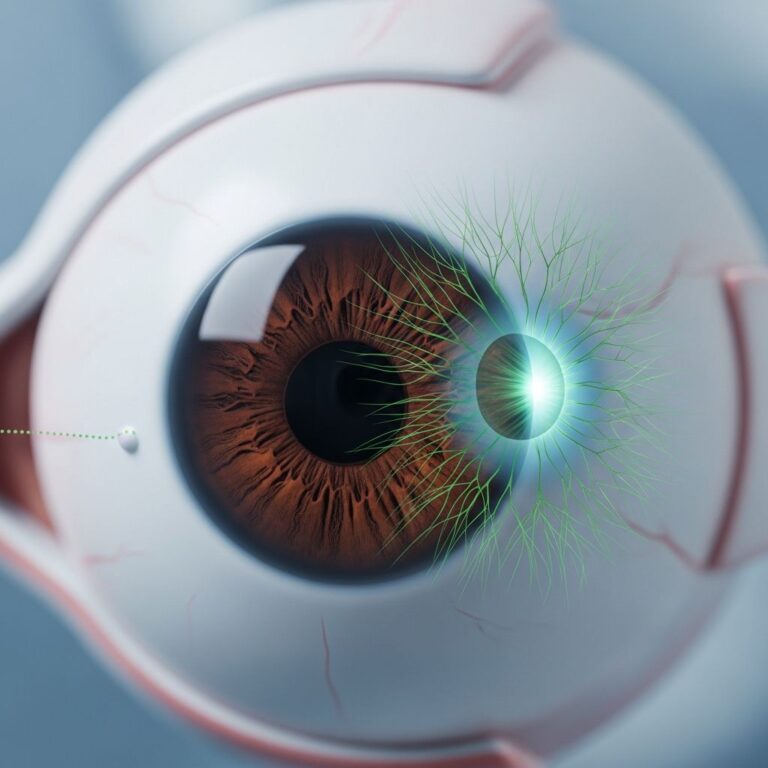
To appreciate presbyopia, we must first understand the mechanics of normal vision. The human eye operates through a sophisticated system of light-focusing structures. When light enters the eye, it passes through the cornea and then through a transparent, flexible lens situated behind the colored iris.
This lens plays a critical role in accommodation—the eye’s ability to shift focus between distant and near objects. The lens achieves this remarkable feat through muscular control. Encircling the lens is the ciliary muscle, a ring-shaped structure that responds to the demands of visual tasks.
When you direct your gaze toward distant objects, the ciliary muscle relaxes, allowing the lens to flatten. This flattened configuration facilitates the focusing of light rays that originate from far away. Conversely, when you shift attention to nearby objects, the ciliary muscle contracts, causing the lens to bulge and curve. This increased curvature provides the additional focusing power necessary to achieve clear near vision.
In younger individuals, the lens possesses remarkable elasticity. Its cellular protein structure remains relatively soft and pliable, enabling rapid shape changes throughout the day as visual attention shifts between various distances.
Biological Aging and Lens Transformation
The development of presbyopia stems from age-related alterations in the lens architecture. Unlike many vision problems that result from external factors or genetic predispositions, presbyopia arises exclusively from the passage of time and the lens’s response to aging.
Throughout our lifespan, the lens undergoes continuous biological modification. New lens fiber cells are consistently generated at the lens’s outer edges, gradually accumulating in concentric layers. This process resembles the growth rings of a tree or the layers of an onion. While this continuous growth is essential for the lens to remain transparent and functional, it inexorably leads to structural changes.
As cellular layers accumulate, the lens becomes progressively thicker and denser. Simultaneously, the proteins comprising the lens undergo chemical transformations. These proteins gradually lose their flexibility and become increasingly rigid. The cumulative effect of these changes is a lens that can no longer bend as easily as it did in youth.
Related Stories



The loss of elasticity is not instantaneous. Rather, it represents a gradual decline that occurs over decades. By the time most people reach their 40th birthday, the lens has stiffened sufficiently that accommodation becomes noticeably impaired. The ciliary muscle, despite remaining relatively strong, cannot generate enough lens curvature to achieve sharp focus on nearby objects.
Key Distinguishing Features: Presbyopia Versus Hyperopia
A common source of confusion among those experiencing vision problems relates to the distinction between presbyopia and hyperopia (farsightedness). While both conditions can result in blurry near vision, their underlying mechanisms differ substantially.
Hyperopia arises from the physical shape of the eyeball itself. In individuals with hyperopia, the eyeball is typically too short from front to back, or the cornea (the eye’s outer surface) is excessively curved. These structural characteristics cause light rays to focus behind the retina rather than directly upon it, resulting in blurred close-up vision. Importantly, hyperopia is a structural condition present from birth or early life and remains relatively constant throughout the lifespan.
Presbyopia, by contrast, develops exclusively due to age-related lens changes. It can affect individuals with perfect vision history, those with myopia (nearsightedness), or those with existing hyperopia. The condition represents a functional loss of accommodation ability, not a structural abnormality of the eye’s shape.
This distinction carries practical implications for vision correction strategies. A person with hyperopia may have enjoyed relatively clear near vision in youth because their eyes’ accommodative powers compensated for their structural eye shape. However, as presbyopia develops, that compensatory accommodation diminishes, and near vision deteriorates.
Recognizing the Symptoms and Their Progression
Presbyopia typically announces itself through a constellation of symptoms that develop gradually rather than suddenly. Most individuals first notice these changes in their early to mid-40s, though the precise age of onset varies among individuals.
The primary symptom is difficulty focusing on close objects, particularly small print. People often describe the experience as needing additional light to read comfortably or discovering that printed materials appear fuzzy regardless of lighting conditions. Many individuals respond by holding reading materials—books, newspapers, restaurant menus, or mobile devices—at progressively greater distances from their eyes.
Secondary symptoms frequently accompany the visual challenges. Eyestrain, a sensation of fatigue or discomfort in the eye muscles, commonly develops after sustained near-vision tasks. Headaches may emerge following reading sessions or intensive computer work. These symptoms result from the increased muscular effort the eye exerts in attempting to achieve accommodation with a progressively less flexible lens.
The progression of presbyopia follows a predictable trajectory. Symptoms typically begin around age 40 and progressively worsen until approximately age 65, when the rate of change stabilizes. By this later stage, the lens has become so rigid that further accommodation is virtually impossible, and the presbyopic changes have essentially reached their maximum extent.
Factors Influencing Individual Variation
While presbyopia affects virtually everyone, the timing and severity of symptoms exhibit considerable individual variation. Several factors contribute to these differences:
- Genetic factors: Family history significantly influences when presbyopic symptoms appear. Some individuals with predisposed genetics may notice symptoms as early as the late 30s, while others may not experience noticeable changes until their mid-40s.
- Systemic health conditions: Certain medical conditions, including diabetes and cardiovascular disease, may accelerate presbyopic changes.
- Medication effects: Some medications can influence lens proteins and accelerate presbyopic development.
- Environmental and lifestyle factors: Prolonged screen time and chronic ultraviolet exposure may contribute to earlier symptom onset.
- Pre-existing refractive errors: Individuals with myopia may experience different symptom patterns than those with emmetropia (normal vision) because they have relied less on accommodative effort.
Diagnostic Approaches and Professional Evaluation
Presbyopia is readily diagnosed through comprehensive eye examinations conducted by optometrists or ophthalmologists. Unlike some vision conditions that require specialized testing equipment, presbyopia detection relies on straightforward clinical assessments.
During a typical eye examination, the eye care professional will evaluate your ability to focus on objects at various distances. The provider may present reading materials of different print sizes and request that you identify the smallest text readable at comfortable viewing distances. This assessment, combined with your reported visual experiences, typically confirms the diagnosis.
Additionally, the eye care provider will likely measure your refractive error using standard optometric techniques. This measurement quantifies the strength of lens correction required to achieve optimal near vision. The provider will work with you to determine the appropriate correction power for your specific needs.
Vision Correction Strategies and Treatment Options
Fortunately, presbyopia is highly manageable through various established treatment approaches. Modern vision correction options allow individuals to maintain visual comfort and functional vision throughout their lives.
Eyeglasses and Spectacle Lenses
Glasses represent the most straightforward and popular presbyopia correction method. Reading glasses designed specifically for near vision are effective and convenient for individuals whose distance vision remains clear. Progressive or bifocal lenses accommodate multiple focal distances within a single eyeglass lens, eliminating the need to remove glasses for different visual tasks.
Progressive lenses offer particularly elegant solutions, providing seamless vision correction across all distances without visible lines or segments. The correction strength gradually transitions from the top of the lens (optimized for distance vision) through intermediate zones to the bottom (optimized for near vision).
Contact Lens Corrections
Contact lenses provide an alternative to eyeglasses for presbyopia correction. Various contact lens designs address presbyopic needs, including multifocal lenses that incorporate different optical powers within the lens itself. Some individuals benefit from monovision correction, where one eye is prescribed for distance vision and the other for near vision, allowing the visual system to adaptively select appropriate focus.
Surgical Interventions
For individuals seeking more permanent solutions, several surgical options exist. Refractive surgery procedures can reshape the cornea to provide improved near vision capabilities. Monovision laser-assisted in-situ keratomileusis (LASIK) and corneal inlays represent among the available surgical techniques.
Lens-based surgical approaches, including refractive lens exchange, involve replacing the eye’s natural lens with an artificial intraocular lens designed to provide multifocal vision. While more invasive than other options, such procedures offer substantial long-term vision correction and may be particularly appropriate for individuals also developing early cataracts.
Comparative Overview of Treatment Options
| Correction Method | Advantages | Considerations | Typical Cost Range |
|---|---|---|---|
| Reading Glasses | Inexpensive, simple, readily available | Requires removal for distance tasks | $10–$200 |
| Progressive Lenses | Seamless vision at all distances, no visible lines | Higher cost, adjustment period needed | $300–$1,000+ |
| Multifocal Contacts | Natural appearance, flexibility in activities | Requires regular cleaning and maintenance | $100–$300/year |
| Refractive Surgery | Permanent correction, eliminates glasses/contacts | Irreversible, may require retreatment | $2,000–$4,000+ |
| Lens Implants | Comprehensive vision correction, addresses presbyopia and cataracts | Surgical procedure, higher cost | $3,000–$6,000+ |
Frequently Asked Questions About Presbyopia
Can presbyopia be prevented?
No. Presbyopia is an inevitable consequence of aging and cannot be prevented through lifestyle modifications, eye exercises, or dietary supplements. However, early detection and timely correction can prevent associated discomfort and maintain visual quality.
Does presbyopia stop progressing after a certain age?
Yes. Presbyopia typically progresses until approximately age 65, after which the rate of change stabilizes. By this age, the lens has become maximally rigid, and further functional decline is minimal.
Can someone have presbyopia if they’ve never had vision problems?
Yes, absolutely. Presbyopia can develop in individuals with previously perfect vision. It develops independently of any pre-existing refractive errors and affects people across all vision histories.
Is presbyopia the same as needing “stronger glasses” with age?
Presbyopia represents an actual change in visual physiology, not merely a need for incrementally stronger prescriptions. However, those with pre-existing refractive errors may experience compound vision changes requiring updated prescriptions.
Can eye exercises or special devices reverse presbyopia?
No evidence supports the notion that eye exercises, vitamin supplements, or special optical devices can reverse presbyopic lens changes. The biological changes underlying presbyopia are not reversible through such interventions.
Maintaining Visual Health and Comfort
While presbyopia itself cannot be prevented, several strategies promote overall eye health and visual comfort during the presbyopic years. Regular comprehensive eye examinations allow eye care professionals to monitor presbyopic progression and ensure prescriptions remain optimized. Adequate lighting during near-vision tasks reduces visual strain. Taking periodic breaks from sustained near work using the 20-20-20 principle—every 20 minutes, look at something 20 feet away for 20 seconds—mitigates eyestrain.
Protecting eyes from ultraviolet radiation through sunglasses and hats may slow age-related lens changes. Maintaining systemic health through management of conditions like diabetes and cardiovascular disease supports overall ocular health.
Conclusion
Presbyopia represents one of life’s inevitable transitions, a natural consequence of the remarkable longevity the human lifespan now affords. Rather than representing a disease or vision failure, presbyopia is simply the eye’s way of documenting our passage through time. Modern vision correction options provide multiple pathways to maintaining visual comfort and functional vision throughout the presbyopic years. By understanding presbyopia’s mechanisms and available solutions, individuals can approach this age-related change with knowledge and confidence, selecting correction strategies that align with their lifestyles and visual needs.
References
- Presbyopia: Symptoms, causes, treatments, and more — Medical News Today. 2024. https://www.medicalnewstoday.com/articles/presbyopia
- Understanding Presbyopia’s Symptoms, Causes and Treatments — BCBS FEP Vision. 2024. https://bcbsfepvision.com/understanding-presbyopias-symptoms-causes-and-treatments/
- Presbyopia — National Eye Institute, National Institutes of Health. 2024. https://www.nei.nih.gov/eye-health-information/eye-conditions-and-diseases/presbyopia
- Presbyopia: Symptoms, Diagnosis, and Treatment — GoodEyes. 2024. https://www.goodeyes.com/eye-health/presbyopia-symptoms-diagnosis-and-treatment/
- Presbyopia: Symptoms, Causes & Treatment — Cleveland Clinic. 2024. https://my.clevelandclinic.org/health/diseases/8577-presbyopia
- Exploring Presbyopia: Causes, Symptoms and Advanced Treatments — Family Vision Center. 2024. https://www.familyvisioncenter.com/exploring-presbyopia-causes-symptoms-and-advanced-treatments/
- Presbyopia Explained: Clear Vision After 40 in Seattle — Seattle Eye Care Doctor. 2024. https://seattleeyecaredoctor.com/presbyopia/
Similar Articles








Read full bio of Sneha Tete