Aging Feet: Practical Care, Prevention, And Exercise Tips
Understanding how feet change with age and essential care strategies for healthy, pain-free feet.
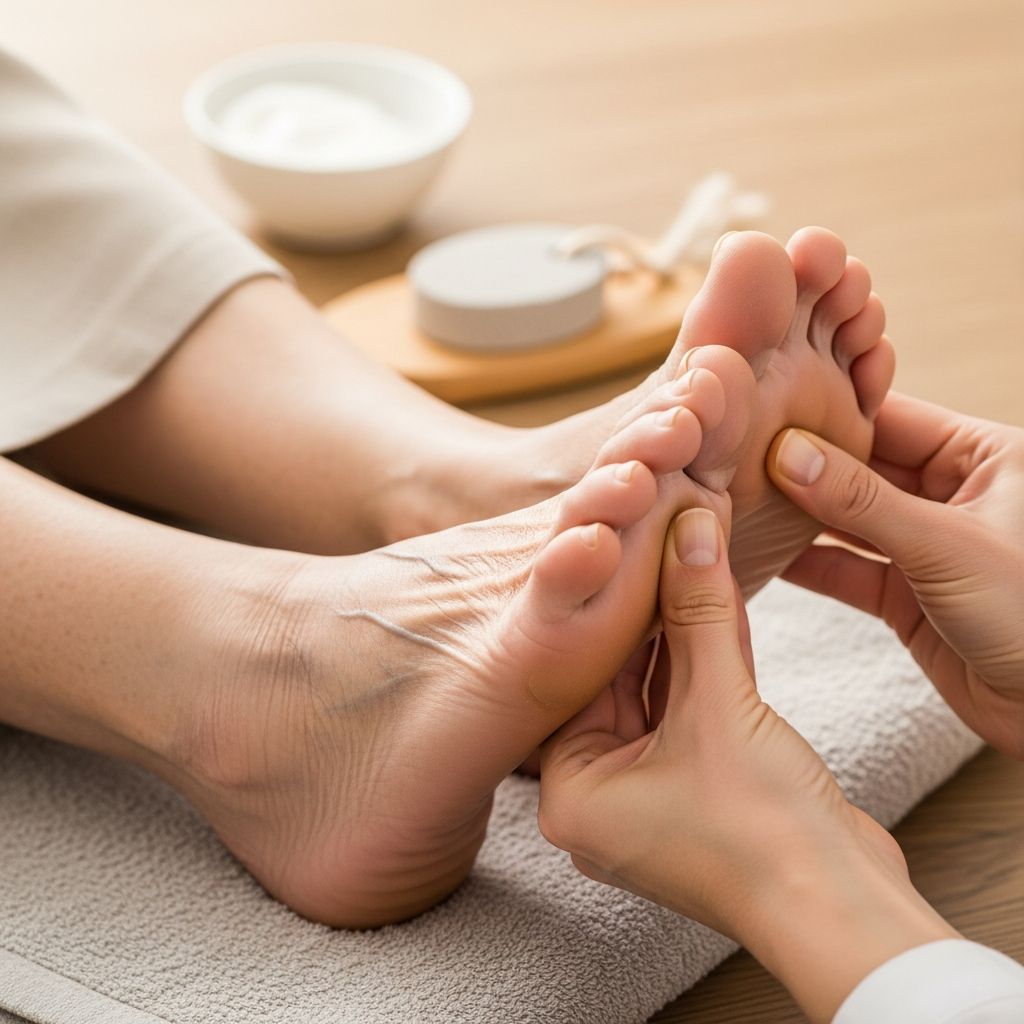
As we age, our bodies undergo numerous changes, and our feet are no exception. While aging feet don’t necessarily have to become painful, they do experience significant physical transformations that require thoughtful attention and care. Understanding these changes is essential for maintaining mobility, independence, and quality of life in your senior years.
Understanding Ageing Feet
Feet are remarkable structures that carry us through life. By the time we reach age 50, most of us will have walked approximately 75,000 miles—equivalent to circling the Earth three times at the equator. All this walking results in considerable wear and tear on our feet. As feet get older, they lose some of their strength and springiness due to changes in the skin and joints. Feet tend to spread and lose the fatty pads that cushion them, which fundamentally alters how they function and feel.
The key distinction is that aging feet require different care strategies than younger feet, but this doesn’t mean they must become sources of constant pain or disability. With proper understanding and proactive management, older people can maintain healthy, functional feet well into their later years.
Age-Related Changes in Foot Structure
Changes in Foot Size and Shape
One of the most obvious signs of foot aging is its changing size and shape. Over time, the body’s ligaments and tendons lose their strength and ability to spring back. In feet, this manifests as a decrease or “falling” of the arch, which flattens and lengthens the foot and toes. The result is often an increase in shoe size by a half-size or more. This happens because when the arches of your feet flatten, they can make your feet longer, and the loosening of tissues that comes with age can cause your feet to grow wider. As a result, your shoe size may get bigger.
Loss of Fat Pads
The natural cushioning in our feet, known as the fat pad, tends to thin over time. This is a critical change because these fat pads play a vital role in protecting underlying blood vessels and nerves and in reducing the shear forces that occur while walking. With age, the metatarsal pad becomes slower to recover after being compressed, while the heel pad dissipates more energy when compressed. The plantar fascia demonstrates less recoil due to stiffness. These changes mean that feet experience greater impact with each step and recover more slowly from activity, making them more susceptible to discomfort and injury.
Bone Density Changes
Age-related bone density loss can affect the bones in the feet, making them more susceptible to fractures and stress injuries. This is particularly concerning for older adults who may already be at risk for falls or who have underlying conditions like osteoporosis.
Physiological and Skin Changes
Skin Alterations
Weight-bearing activities place specific demands on the skin of the foot’s plantar surface. However, all aspects of the skin change as a person ages. The foot’s skin naturally thickens on the exterior layer, but the dermis—the deeper layer—becomes thinner and loses its protective properties. These changes affect not only the superficial skin but also the local vascular response, thermoregulation, sensory perception, and injury response.
Related Stories



Key skin changes in aging feet include:
- A reduction in the density of sweat glands, which contributes to impaired thermoregulation
- Loss of subcutaneous fat and decreased dermal vascularity, leading to poor thermoregulation
- Reduced sensation to touch, pressure, and vibration due to decreased mechanoreceptors
- Thinning of the skin, eventually becoming almost papery and translucent
- Loss of elasticity in the skin
The thickening of the exterior layer of the skin and the presence of calluses may lead to the development of plantar lesions, causing severe pain and disability. The best management strategies are custom-made orthotics, which support the medial arch and unload the metatarsal heads.
Muscle and Biromechanical Changes
Muscle Strength Decline
Progressive changes in skeletal muscle mass, metabolism, and functional capacity are typical in the aging population. Older adults experience a reduction in the size and number of muscle fibers in their foot muscles. Large, slow-twitch motor units develop and type II fibers become denervated, indicating the presence of age-related atrophy. This can be exacerbated by wearing poorly fitting footwear long-term.
The consequences of atrophy of the foot muscles in the elderly include:
- Decreased ankle plantar flexor strength, causing difficulty rising onto the toes
- Weakness of the toe plantar flexors, which negatively affects the grasping function of the toes during weight-bearing activities
- Impaired static and dynamic balance and functional ability
- Increased risk of falls
- Toe grip strength decreases by 30% in older patients compared to younger patients
- Toe grip weakness, which has been associated with developing forefoot deformities and disorders
- Development of toe deformities such as hallux valgus and lesser toe deformities
- Altered weight distribution under the foot when walking
- Lower ambulatory performance
Biomechanical Changes
Age-related changes in soft tissue, range of motion, and muscle strength lead to significant biomechanical changes. These include the lowering of the medial longitudinal arch, reduced midfoot and metatarsal mobility, flatter and more dynamically pronated feet, planus foot posture, less plantarflexed calcaneus at the toe-off phase of gait, and a less propulsive gait pattern. Collectively, these changes mean that the foot functions differently with age, which can impact walking patterns, balance, and overall mobility.
Common Foot Problems in Older Adults
Foot Deformities
The most common orthopedic deformities in the elderly include hallux valgus (bunions), prominent metatarsal heads, and abnormal medial arch structure. Overall, foot deformities and other foot conditions are highly prevalent in adults aged over 65 years, which is significant as these conditions are associated with frailty and decreased physical activity. Changes in the structure of the bones in the feet include bunions and hammertoes, which can be due to wearing shoes with insufficient space for the toes.
Arthritis
Arthritis is another reality for the aging foot. Osteoarthritis can develop after years of general wear-and-tear and stress or injury to the joints. Approximately half of older people will develop osteoarthritis in one or more of the 33 joints in their feet, although not everyone will experience symptoms. For those who experience pain that they can’t tolerate, over-the-counter medication or other treatments may help. Gout, a metabolic disease characterized by intense swelling and pain at the big toe joint, is another type of arthritis that affects older adults.
Plantar Fasciitis
Inflammation of the plantar fascia, a thick band of tissue that runs along the bottom of the foot, can cause heel pain. It becomes more common with age as the plantar fascia loses elasticity.
Foot Ulcers and Circulation Issues
Diabetes can become a significant problem with age. Poor circulation in the feet leads to slow wound healing, which can result in foot ulcers. Older people with chronic conditions are much more likely to develop foot problems. Many diabetics suffer from diabetic neuropathy, a condition characterized by the loss of sensation in the feet. If the skin of the foot breaks unnoticed, wounds can easily become infected. Circulatory problems related to heart disease can also affect the feet, and obesity places extra stress on the feet and ankles.
The Impact on Fall Risk and Mobility
Foot problems in older adults have significant consequences beyond simple discomfort. Foot conditions are associated with an increased risk of falls, frailty syndrome, and reduced motor performance. The loss of muscle strength, particularly in toe grip, combined with reduced sensory perception and altered gait patterns, creates a perfect storm for mobility challenges and falls. Understanding this relationship underscores the importance of proactive foot care in preventing serious injuries and maintaining independence.
Practical Foot Care Strategies for Aging Feet
Daily Foot Hygiene
Quality foot care can make a big difference in foot health. Practice good foot hygiene by washing your feet daily and keeping them moisturized. Wash your feet every day and dry thoroughly, especially between the toes. After washing, apply a rich foot lotion to keep your skin supple. Trim toenails carefully and inspect your feet daily for any changes. This daily inspection helps catch any emerging problems early, before they become serious issues.
Proper Footwear Selection
Wearing appropriate footwear is crucial for aging feet. Avoid going barefoot, as this exposes your feet to injury and provides no support. Choose shoes that provide adequate cushioning, support, and space for your toes. Since foot size changes with age, have your feet measured regularly to ensure you’re wearing the correct shoe size. Poorly fitting footwear can exacerbate foot deformities and muscle atrophy, so this simple step is vital.
Professional Podiatric Care
Beyond daily care and maintenance, a routine appointment with a podiatrist is advised to catch the onset of any problems so they can be treated early. Professional foot care can identify and address issues before they become debilitating. Custom-made orthotics can be particularly helpful, as they support the medial arch and unload the metatarsal heads, reducing pain and improving function.
Activity and Exercise
While aging feet are not able to sustain the same levels of activity that they could when younger, this doesn’t mean older people should be sedentary. Appropriate exercise, designed to strengthen foot muscles and improve balance, can help maintain foot function and reduce fall risk. A healthcare provider or physical therapist can recommend suitable exercises for your individual needs and abilities.
Important Considerations for People with Chronic Conditions
Older people with chronic conditions are much more likely to develop foot problems. Those with diabetes, heart disease, circulatory disorders, or obesity require particularly vigilant foot care. Individuals with diabetes should be especially cautious about foot wounds, as even minor injuries can lead to serious infections due to reduced sensation and poor circulation. Regular professional foot examinations are essential for anyone managing chronic health conditions alongside aging.
Frequently Asked Questions
Q: Is it normal for feet to change size as you age?
A: Yes, it is completely normal for feet to change size and shape as you age. Ligaments and tendons lose their strength, causing arches to flatten and feet to lengthen and widen. Shoe size often increases by a half-size or more over a lifetime.
Q: Do aging feet always become painful?
A: No. While aging feet experience structural and physiological changes, they don’t necessarily have to become painful. With proper care, appropriate footwear, regular professional attention, and suitable exercise, many older adults maintain comfortable, functional feet throughout their lives.
Q: Why do older people have an increased risk of falls related to foot problems?
A: Aging feet experience reduced muscle strength (particularly in the toes), decreased sensation, and altered gait patterns. These changes affect balance and stability, increasing the risk of falls and fractures.
Q: What should I do if I notice swelling or pain in my feet?
A: Contact a healthcare provider or podiatrist. While some foot discomfort can be managed with proper footwear and self-care, persistent swelling or pain may indicate conditions like arthritis, plantar fasciitis, or circulatory problems that require professional evaluation and treatment.
Q: How often should older adults see a podiatrist?
A: Regular routine appointments are recommended to catch the onset of problems early. The frequency may vary based on individual health status, existing foot problems, and chronic conditions. Discuss with your healthcare provider how often you should be seen.
Q: Are custom orthotics helpful for aging feet?
A: Yes. Custom-made orthotics can be very effective for aging feet, as they support the medial arch and unload the metatarsal heads, reducing pain and improving function for those experiencing age-related foot changes and deformities.
Conclusion
Aging feet represent one of the many natural changes that come with getting older. While feet do lose strength, springiness, cushioning, and muscle tone over time, these changes don’t have to result in pain, disability, or loss of independence. By understanding the specific ways feet change with age and implementing a comprehensive care strategy that includes daily hygiene, appropriate footwear, regular professional care, and suitable physical activity, older adults can maintain healthy, functional feet that support an active and independent lifestyle. The key is to be proactive, vigilant, and willing to adapt your foot care routine to meet your changing needs throughout your senior years.
References
- Ageing — Patient.info. Accessed January 2026. https://patient.info/senior-health/ageing
- The Ageing Foot — Physiopedia. https://www.physio-pedia.com/The_Ageing_Foot
- The Impact of Aging on Foot Health: Coping with Common Issues — Orchard Academy of Wellness & Rejuvenation. 2024-03-15. https://www.oawj.com/2024/03/15/the-impact-of-aging-on-foot-health-coping-with-common-issues/
- Coping with the changes your feet undergo as you age — UCLA Health. https://www.uclahealth.org/news/article/coping-with-the-changes-your-feet-undergo-as-you-age
- Foot Problems in Older Adults: Falls, Frailty & Gait Measures — National Center for Biotechnology Information (NCBI/PMC). https://pmc.ncbi.nlm.nih.gov/articles/PMC6647839/
- Aging Gracefully: How Your Feet Change With Age — Cone Health. https://www.triadfoot.com/tfac/blog/aging-gracefully-how-your-feet-change-with-age/
Similar Articles








Read full bio of Sneha Tete