Aging Feet: Essential Care Guide To Stay Active
Understand age-related changes in feet, common problems, and essential care tips to maintain mobility and comfort in older age.
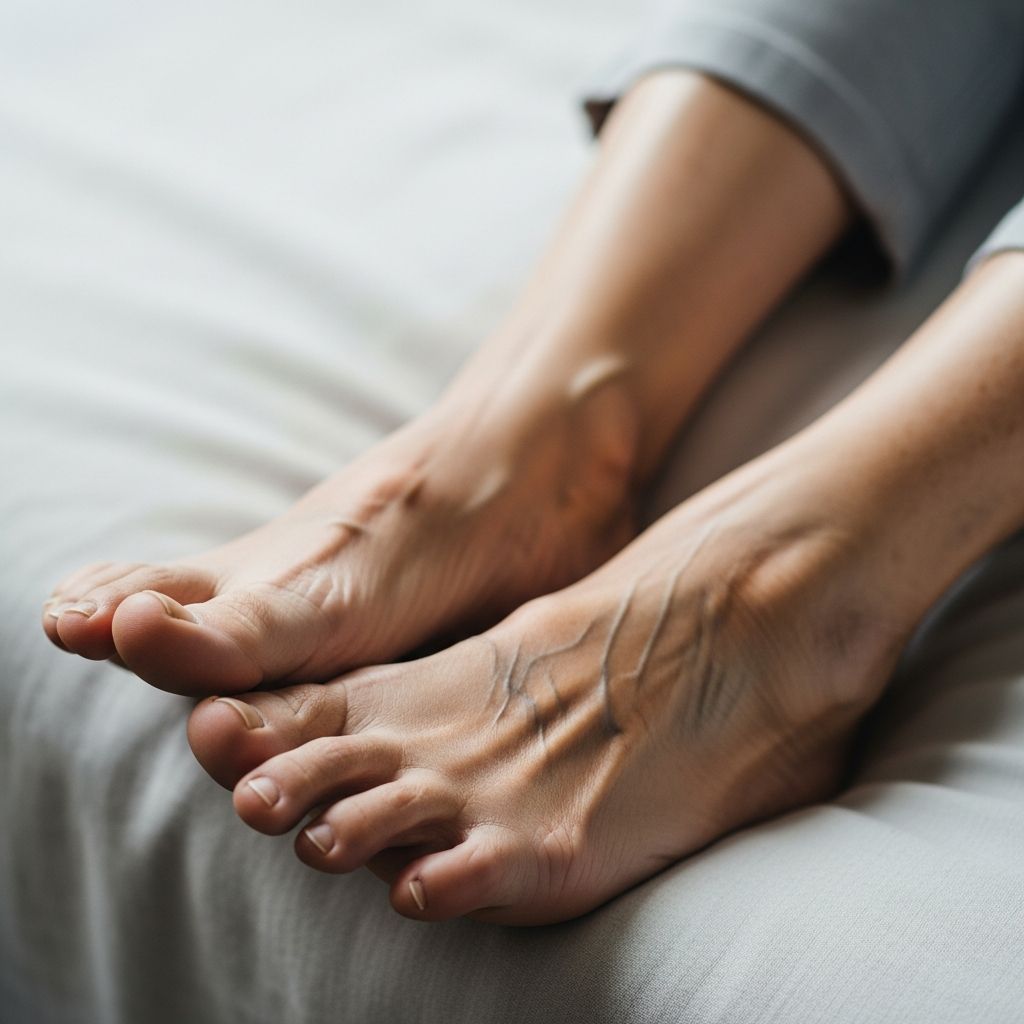
As people age, their feet endure significant changes that can impact mobility, balance, and overall quality of life. Feet lose strength, cushioning, and elasticity, becoming more prone to pain and deformities. Proper care is essential to mitigate these effects and sustain activity levels.
Understanding Changes in Ageing Feet
The natural ageing process alters foot structure and function. Ligaments and tendons weaken, arches flatten, and feet spread, often increasing shoe size by half a size or more. By age 50, most individuals have walked the equivalent of three times around the Earth’s equator, contributing to wear and tear. These changes do not inevitably cause pain but require vigilant care to prevent issues.
Skin Changes
Skin on the feet thins, loses elasticity, and becomes drier, resembling papery texture. Subcutaneous fat diminishes, reducing cushioning and shock absorption. Sweat glands decrease, impairing thermoregulation, while sensation to touch, pressure, and vibration declines due to fewer mechanoreceptors. Calluses thicken, potentially leading to painful plantar lesions.
- Reduced dermal vascularity affects healing and temperature control.
- Loss of friction patterns increases slip risk.
- Daily moisturizing and gentle exfoliation help maintain skin integrity.
Soft Tissue and Fat Pad Atrophy
Plantar soft tissues stiffen, particularly at the heel, metatarsal heads, and big toe. The fat pad thins, dissipating more energy on impact and recovering slowly, causing discomfort during prolonged standing or walking. Heel and forefoot padding loss heightens pressure points.
This atrophy exacerbates shear forces, contributing to blisters, ulcers, and instability, especially in those with diabetes or poor circulation.
Muscle Weakness (Sarcopenia)
Foot muscles shrink in size and number, with type II fibers denervating. Toe grip strength drops by 30% in older adults, impairing balance and increasing fall risk. Ankle plantar flexors weaken, making rising onto toes difficult.
- Weak toe flexors alter weight distribution, promoting deformities like hallux valgus.
- Reduced propulsion leads to slower gait and lower ambulatory performance.
- Strengthening exercises, such as towel scrunches, can counteract atrophy.
Biomechanical Alterations
Ageing flattens the medial longitudinal arch, reduces midfoot mobility, and causes dynamic pronation. Feet become planus (flat), with less plantarflexion at toe-off, resulting in less efficient, propulsive gait. These shifts correlate with frailty, decreased activity, and higher fall incidence.
Bone and Joint Changes
Bone density decreases, raising fracture risk. Joints stiffen from osteoarthritis, affecting up to half of older adults across the 33 foot joints. Gout may inflame the big toe. Arches fall, lengthening feet and widening them.
Common Foot Problems in Older Adults
Over 65s experience high rates of deformities and conditions linked to reduced physical activity and frailty.
| Problem | Description | Risk Factors | Symptoms |
|---|---|---|---|
| Hallux Valgus (Bunions) | Big toe deviates toward others, forming a bony bump. | Flattened arches, tight shoes, muscle weakness. | Pain, redness, difficulty fitting shoes. |
| Hammertoes/Claw Toes | Toes bend abnormally at joints. | Poor footwear, imbalances. | Corns, pain on top of toes. |
| Plantar Fasciitis | Inflammation of foot bottom tissue. | Loss of elasticity, overweight. | Heel pain, worse in morning. |
| Corns and Calluses | Thickened skin from pressure. | Deformities, ill-fitting shoes. | Pain, hardness under feet. |
| Foot Ulcers | Open sores, slow-healing. | Diabetes, neuropathy, circulation issues. | Painless (if numb), infection risk. |
Related Stories



Chronic conditions amplify risks: diabetic neuropathy numbs feet, allowing unnoticed injuries; circulatory problems from heart disease hinder healing; obesity stresses joints.
Prevention and Daily Foot Care
Proactive habits preserve foot health despite ageing.
Foot Hygiene Routine
- Wash feet daily with warm water and mild soap; dry thoroughly, especially between toes.
- Moisturize heels and soles (avoid between toes to prevent fungal growth).
- Trim toenails straight across; file edges smooth.
- Inspect daily for cuts, blisters, or color changes.
Appropriate Footwear
Choose wide, supportive shoes with low heels (<2.5cm), cushioned soles, and arch support. Avoid barefoot walking or tight/high heels, which exacerbate deformities. Custom orthotics unload pressure points and support arches.
Exercise and Strengthening
Maintain muscle strength to improve balance and reduce falls.
- Toe curls: Scrunch towel with toes (10 reps, 3x/day).
- Marble pickups: Use toes to grasp marbles.
- Calf stretches and heel raises for ankle strength.
- Balance exercises like single-leg stands.
Weight Management and Activity
Keep healthy weight to lessen foot stress. Engage in low-impact activities like swimming or walking to sustain circulation and strength.
When to Seek Professional Help
Consult a podiatrist for persistent pain, swelling, skin breaks, deformities, or balance issues. Routine check-ups catch problems early. Those with diabetes or vascular disease need regular screenings.
Treatments include padding, orthotics, medications for arthritis/gout, or surgery for severe deformities.
Frequently Asked Questions (FAQs)
Do feet always hurt when ageing?
No, pain is not inevitable. With proper care, many seniors maintain pain-free, active feet.
Why do feet change size with age?
Arches flatten, ligaments loosen, causing feet to lengthen and widen.
Can exercises reverse foot muscle loss?
They improve strength and function, reducing fall risk, though not fully reversing sarcopenia.
Is custom footwear necessary?
Often recommended for deformities or pain; off-the-shelf supportive shoes suffice for many.
How does diabetes affect ageing feet?
Neuropathy causes numbness; poor circulation delays healing, risking ulcers and infections.
References
- Ageing Feet — Patient.info. 2023. https://patient.info/senior-health/ageing-feet
- The Ageing Foot — Physiopedia. 2024-01-10. https://www.physio-pedia.com/The_Ageing_Foot
- The Impact of Aging on Foot Health — Orthopaedic Associates of Wall. 2024-03-15. https://www.oawj.com/2024/03/15/the-impact-of-aging-on-foot-health-coping-with-common-issues/
- Coping with the changes your feet undergo as you age — UCLA Health. 2023-08-20. https://www.uclahealth.org/news/article/coping-with-the-changes-your-feet-undergo-as-you-age
- Foot Problems in Older Adults: Associations with Incident Falls — PMC (PubMed Central). 2019-08-01. https://pmc.ncbi.nlm.nih.gov/articles/PMC6647839/
Similar Articles








Read full bio of medha deb