Ageing Skin: Complete Guide To Causes, Signs And Prevention
Understand intrinsic and extrinsic skin ageing, clinical features, common lesions, and effective management strategies for healthier ageing skin.
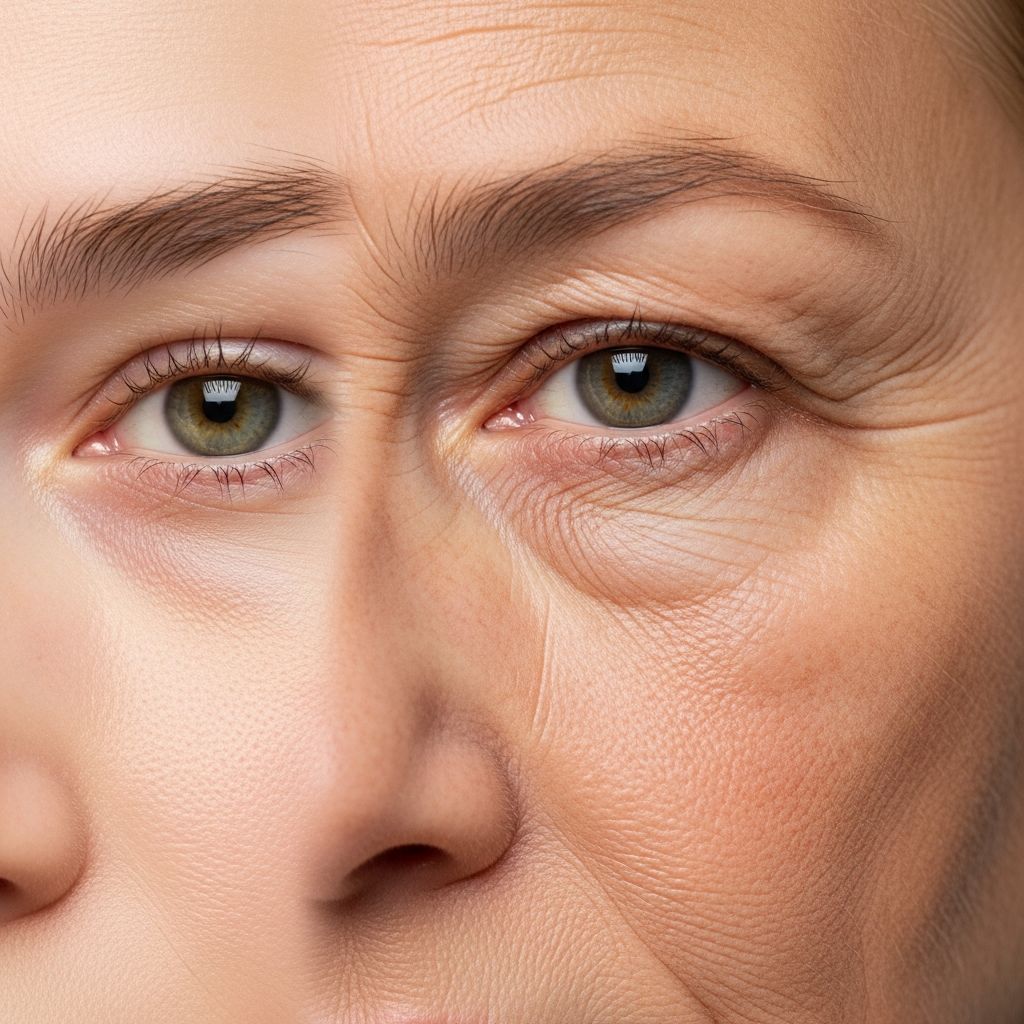
Skin ageing encompasses
intrinsic
(chronological) andextrinsic
(primarily photoageing) processes that lead to visible changes such as wrinkles, loss of elasticity, and increased lesions. These alterations affect skin structure, function, and appearance, starting notably around age 50–60, with women often affected earlier due to menopause.What is skin ageing?
There are two main types of ageing processes:
intrinsic ageing
andextrinsic ageing
. Intrinsic or chronological ageing affects the skin of areas protected from the sun, such as the upper inner arm. It results from genetic and hormonal factors, leading to gradual thinning of the epidermis and dermis, reduced elasticity, and fine wrinkles. Extrinsic ageing, mainly photoageing from ultraviolet radiation (UVR), exaggerates these changes with deeper wrinkles, pigmentation irregularities, and solar elastosis. Smoking, pollution, poor nutrition, and stress accelerate extrinsic ageing by damaging collagen and promoting oxidative stress.Ageing skin shows diminished cell proliferation, prolonged inflammation, increased reactive oxygen species (ROS), and impaired wound healing. This shifts healing towards protein degradation, causing chronic wounds.
Who gets ageing skin?
Skin ageing is universal, beginning visibly around 50–60 years. Women experience earlier signs due to oestrogen decline in menopause, which reduces collagen protection. Fair-skinned individuals are more prone to photoageing. Long-term sun exposure, smoking, and poor diet increase risk. Elderly over 65 often have at least one skin disorder like xerosis or malignancies.
What are the clinical features of ageing skin?
Ageing manifests differently based on type and site.
Intrinsic ageing
- Thinning of epidermis and dermis
- Loss of subcutaneous fat
- Decreased collagen and elastic fibres, causing fine wrinkles and sagging
- Pale, smooth skin with reduced elasticity and dryness (xerosis)
- Impaired barrier function with increased transepidermal water loss
- Slower wound healing due to senescence and ROS accumulation
Extrinsic/photoageing
Predominantly affects sun-exposed areas like face, neck, hands.
| Features | Atrophic Photoageing | Hypertrophic Photoageing |
|---|---|---|
| Wrinkling | Minimal, fine | Coarse, deep |
| Texture | Smooth, thin | Rough, leathery |
| Appearance | Shiny | Sallow |
| Pigmentation | Focal depigmentation | Dyspigmentation, lentigines |
| Other | Solar elastosis, telangiectasia | Actinic keratoses, neoplasms |
Common changes include rhytids (wrinkles), solar elastosis (yellowish thickening), and increased benign lesions.
What are the complications of ageing skin?
- Xerosis: Dry, rough skin from reduced hydration and lipids.
- Pruritus: Itch due to barrier dysfunction, compounded in menopause by iron deficiency or hypothyroidism.
- Impaired healing: Prolonged inflammation, ROS excess, leading to chronic ulcers.
- Infections: Thinner skin barrier increases susceptibility.
- Neoplasia: Higher risk of actinic keratosis, basal/squamous cell carcinomas, melanoma.
- Vascular fragility: Purpura, bruising from thinned vessels and support.
How is ageing skin diagnosed?
Diagnosis is clinical, based on history (sun exposure, smoking) and examination of distribution (sun-exposed vs protected sites). Dermoscopy assesses pigmentation and elastosis. Biopsy rarely needed but shows collagen fragmentation, reduced fibroblasts in intrinsic; disorganized elastin in photoageing.
What is the treatment for ageing skin?
Prevention (most effective)
- Sun protection: Broad-spectrum SPF 30+ daily, hats, clothing. UVR drives 80-90% extrinsic ageing.
- Lifestyle: Quit smoking, antioxidant-rich diet (vitamins C/E), hydration.
- Skincare: Emollients/moisturizers restore barrier; retinoids, peptides boost collagen.[10]
Topical treatments
- Retinoids (tretinoin): Increase collagen, reduce wrinkles.
- Antioxidants (vit C, E): Neutralize ROS.
- Growth factors: In creams to mimic youthful repair, improving tone/texture.
- Peptides, hyaluronic acid: Hydrate, plump skin.
Systemic
Hormone replacement in perimenopause delays thinning, reduces wrinkles, improves healing. Less effective postmenopause. Topical oestrogens under study.
Procedures
- Laser/resurfacing: Ablative (CO2) for deep wrinkles; non-ablative for mild.
- Chemical peels: For texture/pigmentation.
- Fillers/botox: Volume restoration, dynamic lines.
- Micro-needling: Stimulates collagen.
Related Stories



Treat lesions: Cryotherapy for actinic keratosis; excision for cancers.
What is the outcome for ageing skin?
Intrinsic ageing is inevitable but manageable. Extrinsic can be minimized with prevention. Consistent sun protection and skincare slow progression. Hormone therapy offers temporary benefits. Procedures provide rejuvenation but require maintenance. Overall, healthier lifestyle improves function, reduces complications like tears and infections.
Prevention of ageing skin
- Avoid peak sun (10am-4pm), seek shade.
- Daily sunscreen, reapply every 2 hours.
- Moisturize twice daily.
- Antioxidant serums morning, retinoids night.
- Healthy diet, no smoking, moderate alcohol.
- Regular dermatologist checks for lesions.[10]
Related topics
- Solar elastosis
- Menopause and skin
- Emollients and moisturisers
- Actinic keratosis
- Photoageing
Frequently Asked Questions
Can skin ageing be reversed?
Not fully, as intrinsic changes are genetic, but extrinsic damage can be minimized and appearance improved with prevention, topicals, and procedures.
Does sunscreen prevent all ageing?
No, but it prevents 80-90% of photoageing; combine with antioxidants and lifestyle changes.
Is hormone therapy safe for skin ageing?
Beneficial short-term in perimenopause; risks outweigh benefits long-term. Consult physician.
What daily routine slows ageing?
Cleanse gently, moisturize, SPF 30+, retinoid PM, antioxidants AM.[10]
Why does ageing skin itch?
Barrier dysfunction causes xerosis/pruritus; treat with emollients, address underlying issues.
References
- Aging and Wound Healing of the Skin: A Review of Clinical… — NIH/PMC. 2022. https://pmc.ncbi.nlm.nih.gov/articles/PMC9784880/
- Common skin lesions. Ageing skin — DermNet. 2008 (updated). https://dermnetnz.org/cme/lesions/ageing-skin
- Changes in the integument across the lifespan — Cambridge Media Journals. 2023. https://journals.cambridgemedia.com.au/wpr/volume-32-number-1/changes-integument-across-lifespan
- Skin ageing – DermNet — DermNet. Recent. https://dermnetnz.org/topics/ageing-skin
- Role of growth factors in skin creams – DermNet — DermNet. Recent. https://dermnetnz.org/topics/role-of-growth-factors-in-skin-creams
Similar Articles








Read full bio of Sneha Tete