Aging Eyes: When to Worry About Eyelid Problems
Understand common eyelid problems in aging and when to seek medical attention.
Understanding Eyelid Problems in Aging Eyes
As we age, our eyes undergo numerous changes that can affect not only vision but also the health and appearance of the eyelids themselves. The eyelids are crucial structures that protect the eyes, distribute tears, and maintain proper eye moisture. When eyelid problems develop, they can range from minor cosmetic concerns to serious conditions affecting vision and eye comfort. Understanding these age-related changes and knowing when to seek professional help is essential for maintaining optimal eye health throughout your later years.
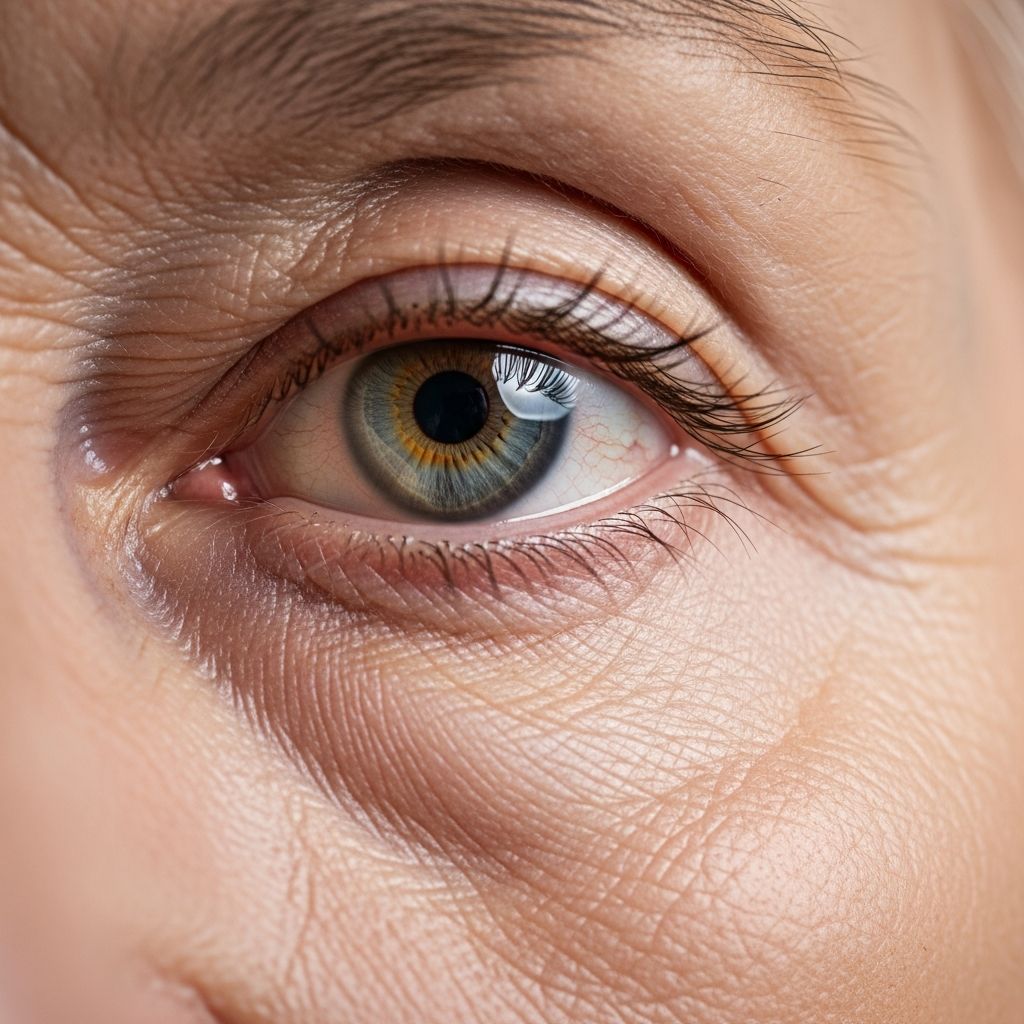
The skin around the eyes is among the thinnest and most delicate on the body, making it particularly vulnerable to the effects of aging. Over time, the skin loses elasticity, muscles weaken, and the structures supporting the eyelids may deteriorate. These natural changes can lead to various eyelid disorders that require attention and sometimes intervention.
Common Eyelid Problems Associated with Aging
Ptosis and Blepharoptosis
One of the most frequently encountered eyelid problems in older adults is ptosis, clinically referred to as blepharoptosis, which is a drooping of the upper or lower eyelid. This condition occurs when the muscles responsible for lifting the eyelid weaken over time. The drooping may worsen as the day progresses and muscles become fatigued from prolonged use.
While ptosis is often considered a cosmetic concern, it can have functional implications. When severe, drooping eyelids can obstruct vision, particularly affecting the upper portion of the visual field. In children, untreated ptosis can interfere with proper vision development and lead to conditions such as amblyopia or astigmatism. In older adults, the primary concern is usually maintaining clear vision rather than preventing developmental issues.
Dermatochalasis and Blepharochalasis
Dermatochalasis and blepharochalasis are often confused but represent distinct eyelid conditions. Blepharochalasis occurs when the skin of the eyelid begins to droop noticeably, typically caused by age-related changes, though genetics may also play a role. Dermatochalasis involves drooping of both skin and muscle tissue of the eyelids, resulting from age-related loss of elasticity in the skin and connective tissues.
These conditions can sometimes cause vision problems or contribute to other complications, such as skin irritation or rashes developing in the fold of the drooping skin. The excess tissue can collect debris and moisture, creating an environment where skin irritation or infection may develop. If the drooping significantly interferes with vision or causes discomfort, medical treatment may be warranted.
Ectropion
Ectropion is a condition where the muscles of the lower eyelid become weaker, causing the lid to sag and turn outward, away from the eyeball. When the eyelids cannot close completely, the exposed eye surface may become dry and irritated. This condition is particularly common in older adults and can lead to symptoms such as excessive tearing, redness, and a foreign-body sensation in the eye.
The incomplete eyelid closure associated with ectropion prevents proper tear distribution and may allow dust and debris to irritate the eye surface more easily. In severe cases, the cornea can become damaged from prolonged exposure, leading to more serious vision problems.
Entropion
Entropion occurs when the eyelid, usually the lower lid, folds inward. This condition is particularly uncomfortable because the eyelashes constantly rub against the cornea, causing irritation, foreign-body sensation, and potentially serious corneal damage. Entropion is most common in people over 60 years of age and is usually caused by genetic factors or may be congenital. In some cases, infection such as trachoma can cause scarring of the inner eyelid, leading to entropion.
Blepharitis
Blepharitis, or inflammation of the eyelid margin, is one of the most common eyelid problems encountered in clinical practice. This condition is characterized by chronic inflammation of the eyelid, with severity and time course varying widely among patients. Blepharitis may be classified into several types: seborrheic, staphylococcal, mixed, posterior, meibomitis, or parasitic.
While acute cases may resolve without treatment within 2 to 4 weeks (substantially reduced with proper lid hygiene), blepharitis is generally a long-standing inflammation that fluctuates in severity. Common symptoms include redness, itching, burning, and a feeling of heaviness in the eyelids. The condition can make wearing contact lenses uncomfortable and may affect vision quality.
Symptoms and Warning Signs
Recognizing the symptoms of eyelid problems is crucial for timely intervention. Common symptoms include:
- Drooping or sagging of the upper or lower eyelids
- Difficulty fully opening or closing the eyes
- Eye dryness and irritation
- Excessive tearing or watery eyes
- Redness and inflammation of the eyelid margins
- Foreign-body sensation or discomfort in the eye
- Blurred or obstructed vision
- Burning sensation in the eyes or eyelids
- Crusting or debris along the eyelid margin
- Sensitivity to light
Some symptoms may be subtle and develop gradually, while others appear more suddenly. Any persistent discomfort or changes in eyelid appearance warrant professional evaluation.
When to Seek Medical Attention
While many eyelid changes are normal with aging, certain situations require professional medical evaluation. You should schedule an appointment with an eye care specialist if:
- Eyelid drooping interferes with your vision or visual field
- You experience persistent eye pain or discomfort
- Symptoms worsen over time despite self-care measures
- You notice a lump or growth on the eyelid
- Your eyes won’t close completely, leading to dryness or irritation
- You have signs of infection, such as increasing redness, swelling, or discharge
- The drooping is sudden and unexplained
- You experience vision loss associated with eyelid changes
Eyelid disorders range from benign, self-resolving processes to more serious conditions that may require intervention. Fortunately, most eyelid disorders are not vision-threatening or life-threatening; however, many cause irritative symptoms such as burning, foreign-body sensation, or pain. An eye care professional can properly diagnose your condition and recommend appropriate treatment.
Treatment Options
Conservative Management
Many mild eyelid problems can be managed with conservative approaches. For blepharitis, proper eyelid hygiene is fundamental. This includes gently cleaning the eyelid margins with warm water and a soft cloth or using specialized lid-cleaning solutions. Warm compresses applied to the eyelids can help relieve discomfort and improve tear production. Over-the-counter artificial tears may help alleviate dryness associated with incomplete eyelid closure.
Surgical Solutions
When conservative measures are insufficient, surgical intervention may be necessary. Blepharoplasty is the primary surgical procedure used to address drooping eyelids and excess eyelid skin. This procedure involves removing excess skin (in blepharochalasis and dermatochalasis) or repairing weakened muscles (in ectropion and ptosis).
In fact, blepharoplasty is the only way to completely correct blepharochalasis and dermatochalasis. The procedure can be performed for cosmetic reasons or for functional improvement when drooping eyelids interfere with vision. If blepharoplasty is being performed to improve vision obstruction, health insurance companies may cover at least part of the surgical costs.
For ectropion, surgical repair involves tightening the lower eyelid muscles to restore proper eyelid position and function. For entropion, surgery typically involves repositioning or tightening the eyelid to prevent inward turning. For severe ptosis affecting vision, surgery can elevate the drooping eyelid.
Other Treatment Approaches
Dermatological procedures such as laser resurfacing or chemical peels may help improve the appearance of sagging eyelids, though these approaches alone cannot completely correct significant drooping without surgical intervention. These options may be considered for mild cases or combined with other treatments.
Emerging Research on Vision Restoration
Recent advances in eye research offer promising prospects for age-related vision problems. Harvard Medical School scientists have successfully restored vision in mice by reversing age-related changes in eye cells through epigenetic reprogramming. This groundbreaking work, published in Nature, represents the first successful attempt to reverse aging in complex tissues such as the retina.
The research demonstrated that by activating embryonic genes, scientists could reprogram aged retinal cells to recapture youthful function. Remarkably, this approach reversed both glaucoma-induced vision loss and age-related vision loss in elderly animals. While these findings are currently limited to animal models, they offer a proof-of-concept pathway that could eventually lead to transformative treatments for age-related eye diseases in humans.
If these approaches are successfully translated to human medicine, they could revolutionize treatment strategies for age-related eye conditions by not merely slowing disease progression but potentially restoring vision that has already been lost. This represents a significant departure from current treatment paradigms that focus primarily on preserving remaining vision.
Prevention and Maintenance
While you cannot completely prevent age-related eyelid changes, several strategies can help maintain eyelid health:
- Protect eyes from excessive sun exposure with UV-protective sunglasses
- Maintain proper eyelid hygiene, especially if prone to blepharitis
- Stay hydrated to support overall skin health
- Avoid smoking, which accelerates skin aging
- Use appropriate skincare products designed for the delicate eye area
- Get adequate sleep to allow proper eyelid function
- Manage allergies and inflammatory conditions that may affect the eyelids
- Have regular eye examinations to monitor for developing problems
Frequently Asked Questions
Q: Is drooping eyelids a normal part of aging?
A: Some degree of eyelid changes is normal with aging due to skin elasticity loss and muscle weakening. However, significant drooping that affects vision or causes discomfort should be evaluated by an eye care professional.
Q: Can eyelid problems lead to vision loss?
A: Yes, severe eyelid problems can affect vision. Drooping lids can obstruct the visual field, and conditions like ectropion that prevent complete eye closure can lead to corneal damage and vision problems if untreated.
Q: Is eyelid surgery painful?
A: Blepharoplasty is typically performed under local anesthesia with sedation, so you should not experience pain during the procedure. Some discomfort may occur during recovery, but this is usually manageable with prescribed pain medication.
Q: How long does recovery take after eyelid surgery?
A: Most people can resume normal activities within 7-10 days after blepharoplasty, though complete healing can take several weeks. Swelling and bruising typically diminish significantly within the first two weeks.
Q: Can eyelid problems be prevented?
A: While age-related eyelid changes cannot be completely prevented, sun protection, good eyelid hygiene, avoiding smoking, and regular eye care can help maintain eyelid health and may slow the development of problems.
Q: Are there non-surgical treatments for drooping eyelids?
A: Conservative treatments such as proper eyelid hygiene, warm compresses, and artificial tears can help manage symptoms of mild eyelid problems. However, significant drooping typically requires surgical correction for lasting results.
References
- Harvard Medical School Scientists Reverse Age-Related Vision Loss and Eye Damage from Glaucoma in Mice — Massachusetts Eye and Ear/Harvard Medical School. 2020-12-02. https://masseyeandear.org/news/press-releases/2020/12/hms-scientists-reverse-age-related-vision-loss-eye-damage-from-glaucoma-in-mice
- Eyelid Problems: Causes and Fixes — WebMD. https://www.webmd.com/eye-health/eyelid-problems
- Eyelid Disorders — Harvard Eye Associates/Massachusetts Eye and Ear. https://imap.harvardeye.com/procedures/eyelid_disorders.html
Similar Articles








Read full bio of medha deb